Samuel Deane

27.9K posts

Samuel Deane banner
Samuel Deane

Samuel Deane

@ArableSam

Ireland’s most content arable farmer #conservationag Agronomist @NewGenAgri. All views my own. #arableireland

Cork, Ireland Bergabung Mayıs 2013
1.9K Mengikuti4.5K Pengikut
Tweet Disematkan
Samuel Deane
Samuel Deane@ArableSam·
In these news filled times it’s important to remember "A great many things keep happening, some good, some bad" - Gregory of Tours 538-594

Samuel Deane tweet media
English
3
1
27
4K
Samuel Deane
Samuel Deane@ArableSam·
Swallow nests put in place. Had some right over a doorway so have provided alternatives
Samuel Deane tweet media
English
1
0
1
22
Leo Forde 💙💚
Leo Forde 💙💚@LeoForde·
Simon Harris proposal to ease the pain of the cost of fuel…pump attendants so you don’t see yourself being screwed
Leo Forde 💙💚 tweet media
English
3
0
20
2K
Samuel Deane
Samuel Deane@ArableSam·
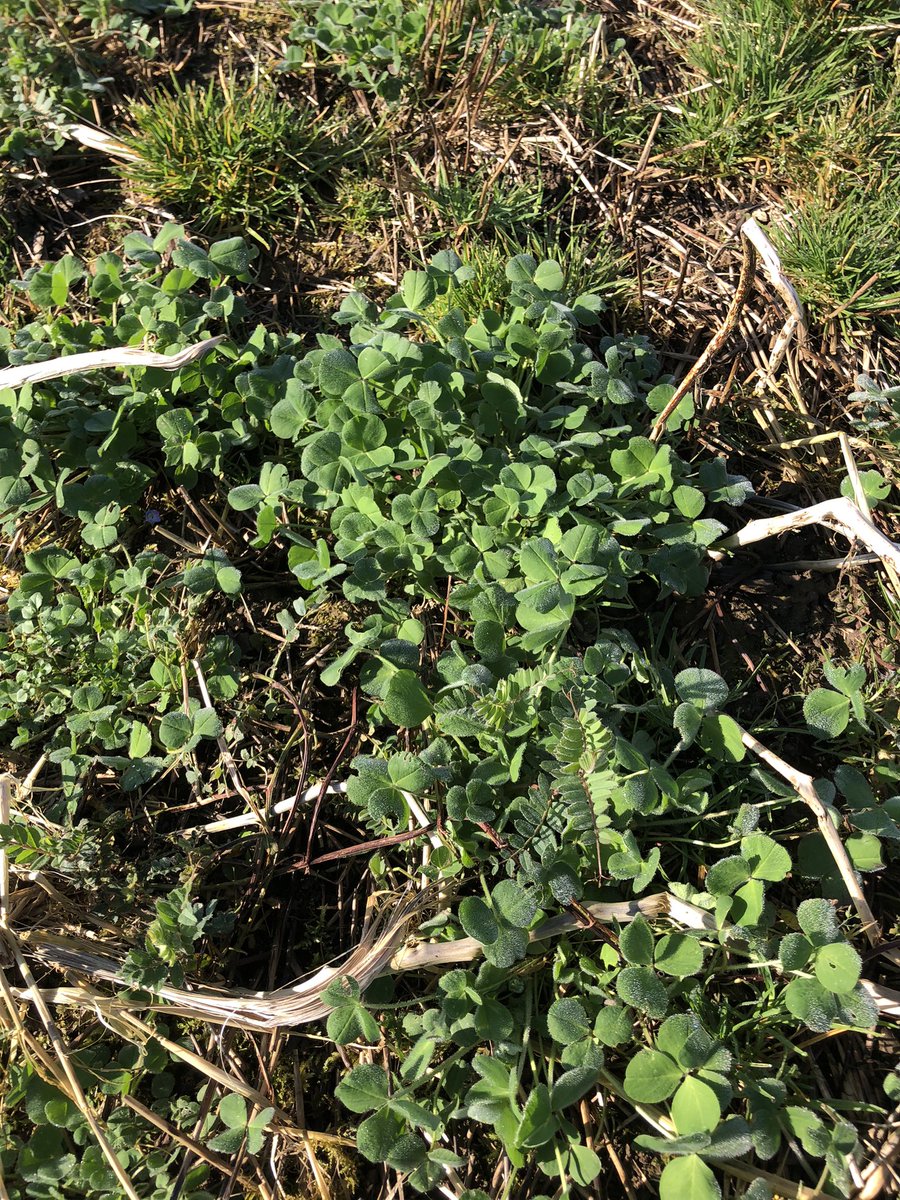
Oh clover in a cover crop, why are you so hard to grow? Will be interesting to keep an eye on this patch to see if it impacts the following spring crop #nitrogen #covercrops #arableireland
Samuel Deane tweet mediaSamuel Deane tweet media
English
1
1
5
769
Samuel Deane
Samuel Deane@ArableSam·
@garrettmalt It’s certainly increased the area of cover crops anyway. Expect it will take a few years for effects to kick in
English
0
0
0
63
Athgarrett Malt
Athgarrett Malt@garrettmalt·
Terminal for this Water EIP cover crop now! This has been one of the more pleasant schemes to take part in and hopefully it delivered the goods all round! 🌱💦
English
1
0
6
684
John Dunne
John Dunne@John_Dunne_·
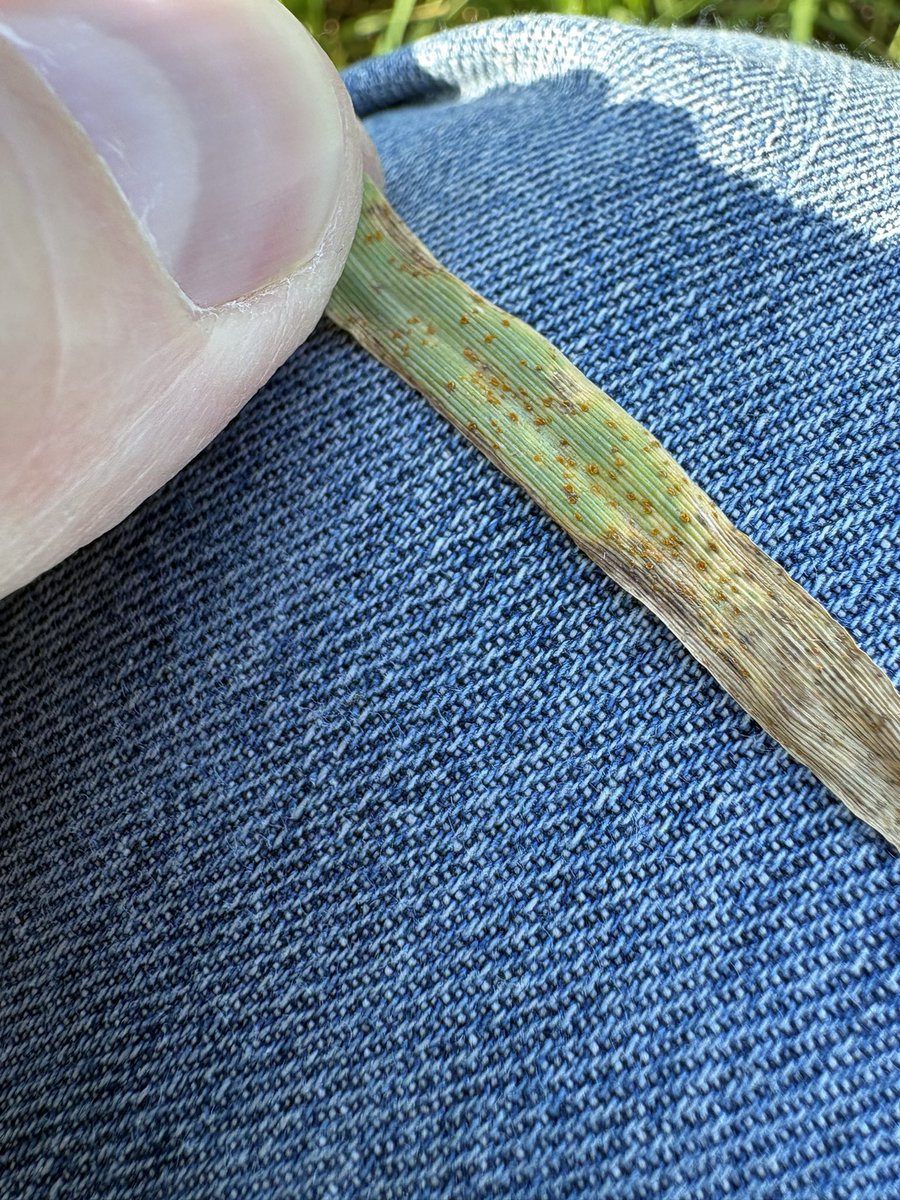
The @goldcrop winter barley trials receiving their T1 fungicide along with some CCC today. No problem finding Brown Rust across the varieties, I don’t recall seeing the disease present this early before 🌾🌞🌾
John Dunne tweet mediaJohn Dunne tweet mediaJohn Dunne tweet mediaJohn Dunne tweet media
English
2
1
17
1.1K
Top 50% farmer
Top 50% farmer@bartjevandeven·
A 1st of many price updates I’m guessing…..🤙🏻🤙🏻
Top 50% farmer tweet media
English
2
2
12
2.4K
Samuel Deane
Samuel Deane@ArableSam·
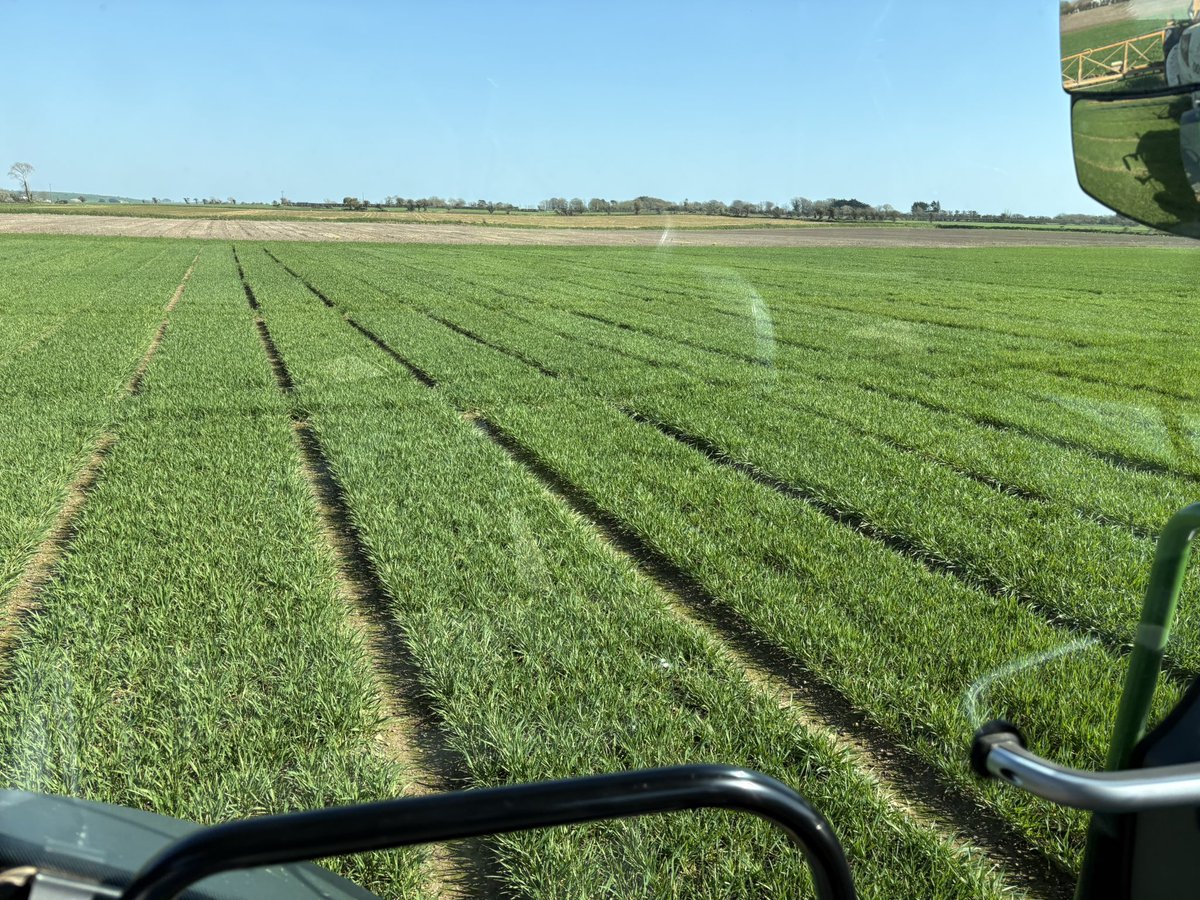
Is sunshine Prozac? Deadly buzz about the place
Samuel Deane tweet media
English
0
0
5
261
Samuel Deane
Samuel Deane@ArableSam·
@Mupper41 Just for a moment think of the logistics nightmare of a war in Greenland while the Persian Gulf is kicking off. Winter parkas shipped to Qatar. Air conditioned tents to Greenland Winterized fuel to the desert Etc
English
0
0
3
240
Tom O’Hanlon
Tom O’Hanlon@TomOHanlon17·
Irish Stahlhelm 🪖
Tom O’Hanlon tweet mediaTom O’Hanlon tweet media
Deutsch
3
1
13
572
Tom O’Hanlon
Tom O’Hanlon@TomOHanlon17·
Irish 🇮🇪 army officers in the 1930s wearing their M27 helmets modelled on the German WW1 design
Tom O’Hanlon tweet media
English
13
6
152
4K
Trevor Farrell
Trevor Farrell@TrevorFarrell12·
@ArableSam Be grand around here but this is on out blocks, can be tricky in places at the best of times on some of it. Maybe at weekend 🤞
English
1
0
1
139
Simon Kuestenmacher
Simon Kuestenmacher@simongerman600·
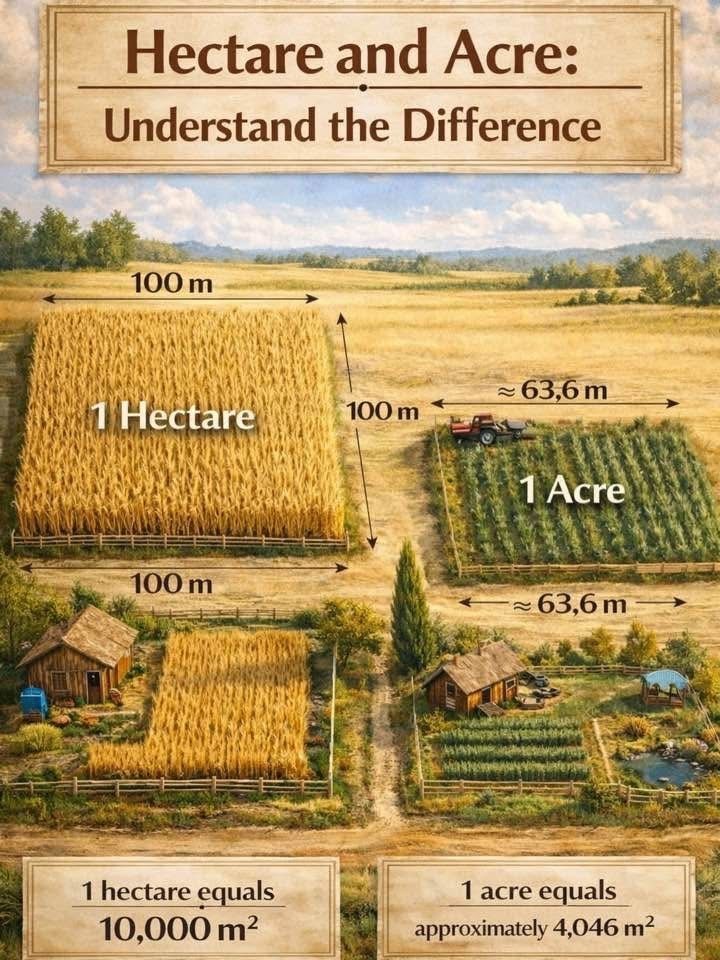
Not coming from an agricultural background, some measurements don’t make intuitive sense to me. A Hectares are easy enough to come to terms with: 10,000 square meters. Easy. An acre?! I still can’t wrap my head around this…
Simon Kuestenmacher tweet media
English
273
74
594
434K
Samuel Deane
Samuel Deane@ArableSam·
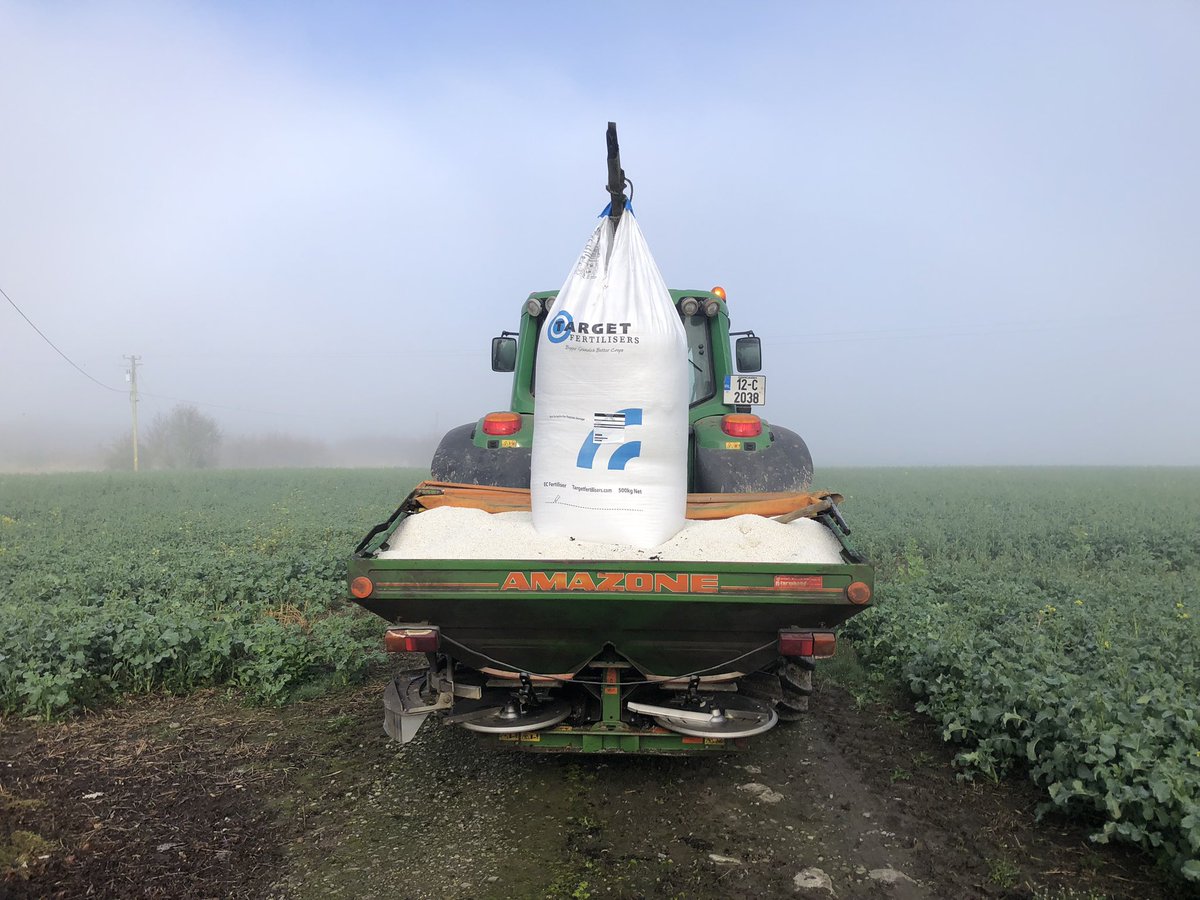
@shanaka86 There is no link between what a farmer pays for fertilizer and what the farmer gets for his corn
English
0
0
0
446
Shanaka Anslem Perera ⚡
The egg on your plate this morning was made from corn. Not literally. But the hen that laid it ate roughly two pounds of feed for every dozen eggs she produced. That feed was primarily corn and soybean meal. The corn was grown with nitrogen fertiliser at $610 per ton on the CBOT March settlement. The soybean meal came from beans planted on acres that used to grow corn before the fertiliser price made the switch inevitable. The plastic tray the eggs sit in was moulded from polyethylene derived from Gulf naphtha. The refrigerated truck that delivered them to the store runs on diesel refined from crude that once transited Hormuz. The egg does not know it is a nitrogen derivative. The receipt does. American egg prices had been falling. Wholesale dropped to roughly 70 cents per dozen by early March 2026, down more than 90 percent from the $8.53 peak during the 2025 avian flu crisis. Retail averaged about $2.50 per dozen in February. The flock rebuilt. Nine million more hens than a year ago. Egg production was recovering. The USDA projected egg prices to decrease 27.4 percent in 2026 from 2025 levels. That projection was published before the strait closed. The protein cascade runs through every animal product in the supermarket. Corn becomes feed. Feed becomes poultry, beef, pork, dairy. Each conversion step multiplies the input cost. A $610 urea price raises corn production costs. Higher corn costs raise feed costs. Higher feed costs raise the price of every protein that eats corn: eggs, chicken, beef, pork, milk, cheese, yogurt. The cattle herd is at 86.2 million head, a 75-year low. Fewer animals eating more expensive feed produces less protein at higher prices. The Renewable Fuel Standard consumes 43 percent of the corn crop as ethanol feedstock. That mandate is written into law. It does not flex when fertiliser prices surge. The RFS takes its 15 billion gallons first. Whatever corn remains feeds the animals. When the total corn crop shrinks because farmers switch to soybeans, the RFS share of the smaller harvest becomes a larger fraction of available supply. The animals get what is left. Now add the packaging layer. Polyethylene for cling film and trays. Polypropylene for yogurt cups. PET for milk bottles. Every packaging material is petrochemical. The IRGC published satellite targeting images of the Gulf facilities that produce the naphtha that becomes the plastic that wraps the food. US PE spot prices surged 10 cents per pound. Indian PE jumped 20,000 rupees per tonne. Now add the freight layer. War risk premiums up 300 percent. VLCC charter rates quadrupled to $800,000 per day. Container surcharges of $500 to $1,500 per TEU added directly to the cost of imported and exported goods. Refrigerated truck diesel is priced off crude that sits above $100. Now add the insurance layer. The P&I clubs voided coverage. Solvency II requires 30 to 60 days of zero incidents before reinstatement. Even after a ceasefire, the logistics system lags the financial relief rally by months. Sticky inflation hides in the gap between the ceasefire headline and the insurance normalisation. Every layer compounds on the one before it. Nitrogen raises the corn. Feed raises the protein. Packaging raises the shelf. Freight raises the delivery. Insurance raises the duration. The grocery bill absorbs all five. The receipt at the checkout counter is the terminal node where every crisis in the series converges. A strait 11,000 kilometres away just repriced your breakfast. open.substack.com/pub/shanakaans…
Shanaka Anslem Perera ⚡ tweet mediaShanaka Anslem Perera ⚡ tweet media
Shanaka Anslem Perera ⚡@shanaka86

JUST IN: The most irreversible consequence of this war is not happening in Tehran. It is happening in a barn in Iowa. A farmer is standing over a kitchen table looking at two seed catalogues. One is corn. One is soybeans. Corn needs 180 pounds of nitrogen per acre. Nitrogen costs $610 per ton on the CBOT March futures settlement as of yesterday, up 35 percent in a month. Soybeans fix their own nitrogen from the atmosphere through root bacteria called rhizobia. They need nothing from the Strait of Hormuz. The farmer is choosing soybeans. Millions of acres are choosing soybeans. And once the planter rolls into the field, the choice cannot be reversed until next year. USDA projected corn at roughly 94 million acres for 2026, down from 98.8 million. Soybeans at 85 million, up from 81.2 million. Those projections were published February 19, before urea surged past $683 at New Orleans. The actual shift will be larger. USDA Prospective Plantings reports March 31. By then the seeds will be in the ground. This is the transmission channel the world is not watching. A 21-mile strait enforced by provincial commanders with sealed radio orders just rewrote the planting economics of 90 million acres of the most productive farmland on Earth. Not through sanctions. Not through diplomacy. Through the price of a single molecule that corn cannot grow without and soybeans do not need. Now follow the cascade. The Renewable Fuel Standard mandates 15 billion gallons of corn ethanol annually. That consumes roughly 43 percent of the entire US corn crop. The mandate is set by the EPA. It does not flex when corn acres shrink. It is inelastic demand consuming a fixed share of a declining supply. When supply tightens against a fixed mandate, the remaining corn reprices upward. Corn above $5 per bushel compresses every margin downstream. The US cattle herd stands at 86.2 million head, a 75-year low per USDA NASS. Poultry and pork operations face compression from higher corn prices. Feed is the single largest cost in livestock production. When feed reprices, protein reprices. When protein reprices, every grocery shelf in America absorbs the increase. This is the protein cascade. Corn to feed to meat to eggs to dairy to the checkout counter. Each link tightens because the link before it tightened. The originating cause is a urea molecule that cannot transit a strait because a provincial commander’s sealed orders say it cannot. The farmer did not start this war. The farmer cannot end it. The farmer responds to the price on the screen and the biology of the two crops in front of him. Corn needs the molecule. Soybeans do not. At $610 the arithmetic is settled. The planter rolls. The season is locked. Israel just authorised the assassination of every Iranian official on sight. The US has spent $16.5 billion. South Pars is burning. The Fed is holding rates because oil inflation will not break. Gold touched $5,000. Bitcoin is bleeding. China is running exercises near Taiwan. Sri Lanka shut down on Wednesdays. And underneath all of it, a man in a barn is making the decision that determines whether four billion people pay more for food this year. He has never heard of the Mosaic Doctrine. He does not know what a sealed contingency packet is. He knows what nitrogen costs. And he is planting soybeans. Full analysis - open.substack.com/pub/shanakaans…

English
31
390
936
77.5K
Samuel Deane
Samuel Deane@ArableSam·
@berndools Hopefully it does the business now. Oilseed rape seems to be holding its value. Worth minding
English
1
0
1
109