
Tweet Disematkan
Bee Matne
146.7K posts


Bee Matne
@BeeMatney
If we lose freedom here, there is no place to escape..this the last stand on earth ! PATRIOT! Cherish every moment God has given you - remember God Wins 🇺🇸
Bergabung Eylül 2021
7.9K Mengikuti7.8K Pengikut
Bee Matne me-retweet
Bee Matne me-retweet

🚨 BOOM! Greg Gutfeld absolutely TORCHES the Democrats on the shutdown mess:
“It’s a Democrat shutdown, everybody wants voter I.D., everyone wants the SAVE Act, and everyone wants to re-open the TSA. So why are the Dems standing in the way?”
English
Bee Matne me-retweet

Bee Matne me-retweet
🔥 BREAKING: EXPLOSIVE REPORT – “VENEZUELA LIST” EXPLODES – Maduro Links 60 U.S. SENATORS to Multi-Million Bribe Allegations (FULL LIST & DOCUMENTS)
🔥 A political firestorm explodes as the “Venezuela List” alleges 60 U.S. Senators are tied to millions in bribes — sparking outrage and raising urgent questions about truth, power, and influence.
🔥 THE VENEZUELA LIST: SENATORS ON THE TAKE
👉 FULL STORY HERE: amg-news.com/breaking-explo…
📢 Join our Telegram channel: t.me/AMGNEWS2022
🌐 Real stories. True journalism. Together, we make an impact: amg-news.com

English
Bee Matne me-retweet
Here it is:
CCP at it again:
The New York Times: How a Tiny Elections Company Became a Conspiracy Theory Target
Well, now prosecutors have arrested a Michigan election company CEO ties to the CCP for stealing election data for the Chinese Communist Party, and China had “backdoor” access to the personal data of over two million United States poll workers.
English
Bee Matne me-retweet

People were banned off social media for saying Ivermectin helped treat Covid.
Now the FDA actually admits it years later.
The “conspiracy theorists” remain undefeated.
Peter A. McCullough, MD, MPH®@P_McCulloughMD
FDA Withdrew its False Ivermectin Claims Under Legal Pressure In March 2024, the U.S. Food and Drug Administration (FDA) agreed to remove social media posts and web pages that advised against using ivermectin to treat COVID-19, settling a lawsuit brought by three doctors, including Houston-based Dr. Mary Talley Bowden. The lawsuit, argued by Boyden Gray PLLC, contended that the FDA overstepped its authority by interfering in the doctor-patient relationship and prescribing practices.
English
Bee Matne me-retweet
Maria Hadden, a Chicago Alderwoman and a self-described "queer & progressive champion", says Sheridan Gorman was m*rdered because she "might've startled the migrant who k*lled her."
This is who's running your city.
Libs of TikTok@libsoftiktok
SAY HER NAME: Sheridan Gorman Sheridan, an 18-year-old college student, was reportedly M*RDERED in Chicago by Jose Medina-Medina, an ILLEGAL ALIEN. Medina was released into the country by the Biden administration in 2023. He was then arrested and released one month later for alleged shoplifting. Democrats have Sheridan's blood on their hands.
English
Bee Matne me-retweet

China HACKED U.S. voter registration data in 2020 and our intelligence community KNEW this while we were told it was the 'most secure election ever.' But @jsolomonReports tells me the story may be even more sinister:
“China sent tens of thousands of fake driver's licenses to be distributed around the country. And the goal of that, according to FBI's own counterintelligence sources inside China, was for China to register fake people to vote for Joe Biden...We intercepted those, but it's pretty clear that China either has a preference with the Democratic Party or some sort of alliance with the Democratic Party, based on what the FBI wrote.”
English
Bee Matne me-retweet
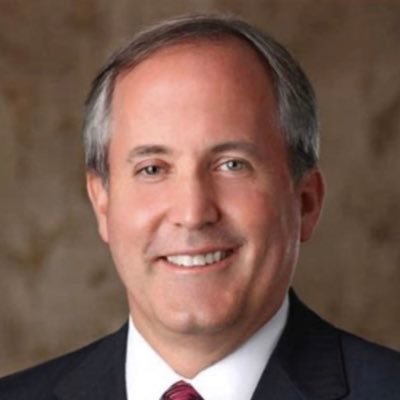
Once again, John Cornyn is a coward who's silent.
It's simple: cancel recess until the Save America Act is passed.
Why is it always so hard for Cornyn to have the courage to do what's right?
ThePersistence@ScottPresler
Senator Cornyn, Will you make a public statement about the need to cancel recess & have the Senate stay in Washington, DC, until DHS is fully funded & the SAVE America Act is passed? @JohnCornyn
English
Bee Matne me-retweet

When America’s death will be self-inflicted.
Dr. Maalouf @realMaalouf
Islamic preacher: “When Muslims become the majority in the West in the next 40 years, non‑Muslims will have to convert, pay the jizya, or be killed, because Sharia will rule.” Is the message clear, or does it need to be spelled out?
English
Bee Matne me-retweet

🚨 Escaped Iranian woman: “No one in Iran is Muslim—we all HATE Islam after 47 yrs of regime.
Sharia: no dogs, women can’t sing, killed for normal dress. We want peace & normal lives!”
Support a free, democratic, prosperous & non-Muslim Iran?
A. Yes
B. No
English
Bee Matne me-retweet

Havana, Cuba this lady has had enough of the State owned power company, the utilities workers look on as she takes a sledgehammer to the electric meter, her bill was 28,000 pesos ($1167.60) while the avg. Income/ mo. is $15 – $17 leaving many to do gig work or whatever side hustle they can come up with just to survive.
Theses are types of things that are generating unrest for the tiny cash strapped Nation
English
Bee Matne me-retweet
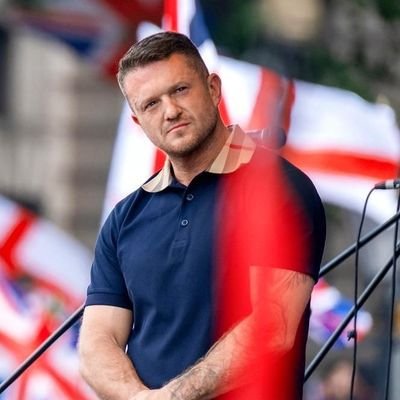
Soldiers now deployed in Belgium to protect Jews from Muslims.
Let that sink in.
English
Bee Matne me-retweet

Former President of Haitian Senate calls out the Clinton Foundation for laundering BILLIONS of taxpayer dollars out of Haiti:
"president Obama named Bill Clinton as the person who should be in charge of the reconstruction of Haiti and in that process, the Clinton Foundation, through US taxpayer money, contributed 14.3 Billion dollars. The Haitian people hasn't even seen 2% of that money. NOTHING was done in Haiti.
The Clinton's use Haiti as pay-for-play and they've been controlling Haiti since 1994 when they invaded Haiti."
What happened to the money?
What happened to the 500,000 children that went missing in Haiti after that earthquake?
Why did BOTH Jeffrey Epstein and Ghislaine Maxwell claim THEMSELVES that they helped FOUND the Clinton Foundation?
English
Bee Matne me-retweet

A butcher in France sells pork ham in Islamic neighborhood and is beaten by Muslims because Allah doesn't like pork. That's Islam.
English
Bee Matne me-retweet

Samuel Melia was sentenced to 2 years in jail over "IT'S OKAY TO BE WHITE" stickers. Hope Not Hate smeared him.
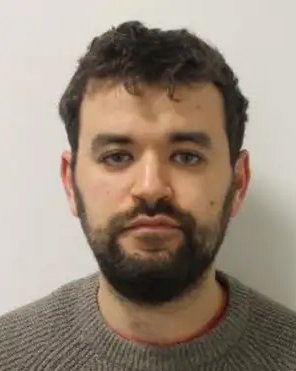
Liron Velleman received a suspended sentence over grooming a 13yo. He was a writer for Hope Not Hate.
It is a bigger crime for you to exist than paedophilia.

English
Bee Matne me-retweet
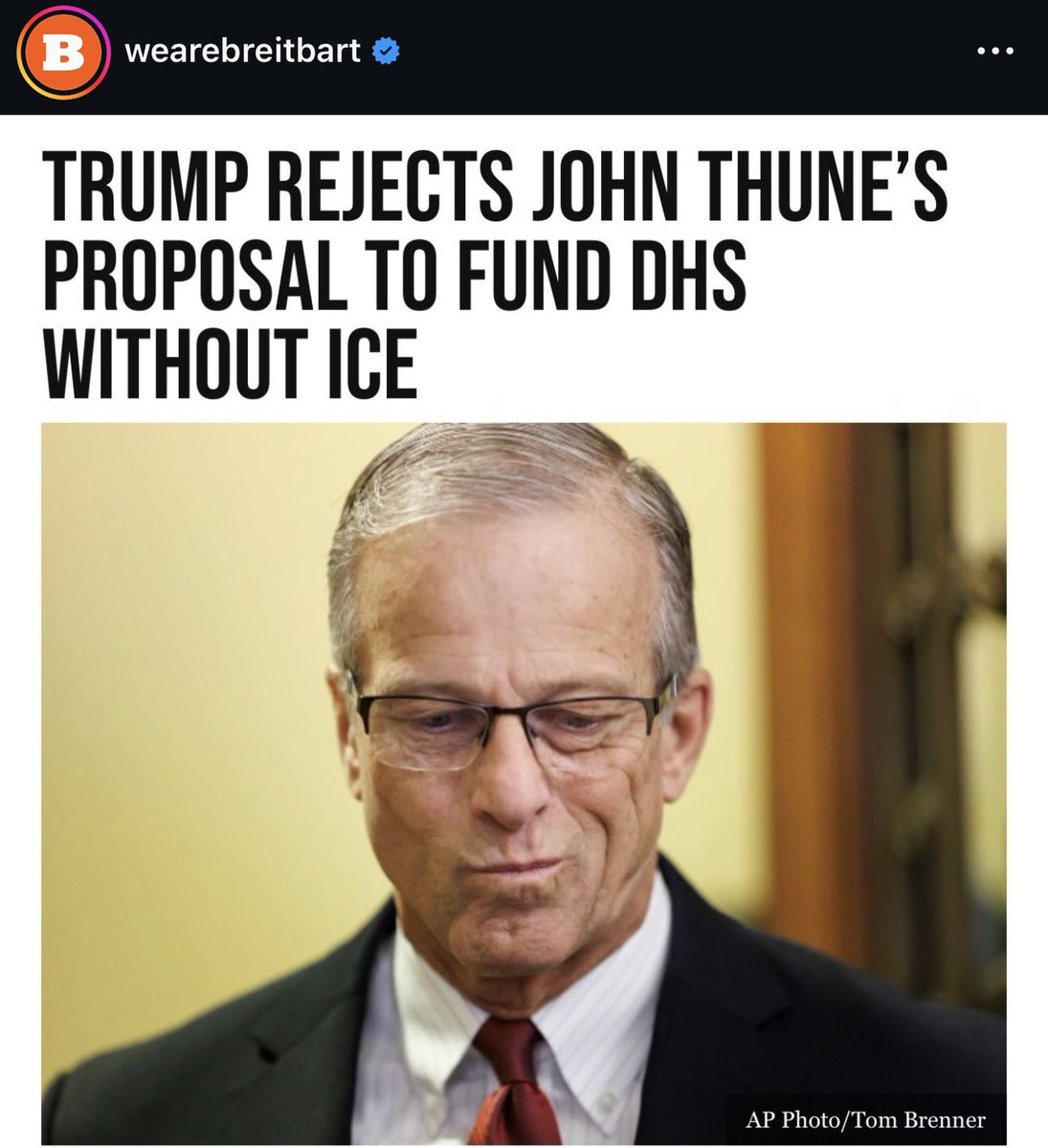
What the hell is wrong with this Dipshit, he has no leadership skills and he doesn’t do anything to help Trump or Nuke the Filibuster! @LeaderJohnThune
English
Bee Matne me-retweet

Sharing again…because…
GREG ABBOTT SLOBS THE ISLAM KNOB!
Just Jen ℞ 🫡🇺🇸@JustJenRX
MASSIVE CORRUPTION IN TEXAS- This woman TORCHES the Frisco, Texas city council and @GregAbbott_TX for selling out the American people by allowing Indians and Muslims to purchase homes for $136,000 less than White, Black, or Hispanic American citizens!
English
Bee Matne me-retweet

QUESTION: John Thune, a Mitch McConnell protégé, is only giving lip service to passing the SAVE Act.
It just takes five Senators to force a Republican Conference meeting — and from there, Thune can be replaced as Senate Majority Leader.
Should John Thune be replaced? Yes or no.

English
Bee Matne me-retweet
OUTSTANDING news! Every single one of the 39 anti-ICE rioters who raided a church in Minnesota have now been tracked down and ARRESTED.
@AAGDhillon THANK YOU for not backing down and for fighting to protect faith, freedom and family.
REPOST and let's give her props for being the warrior America needs.
#thinblueline #lawenforcement
English