
Tweet Disematkan
L L
11.7K posts

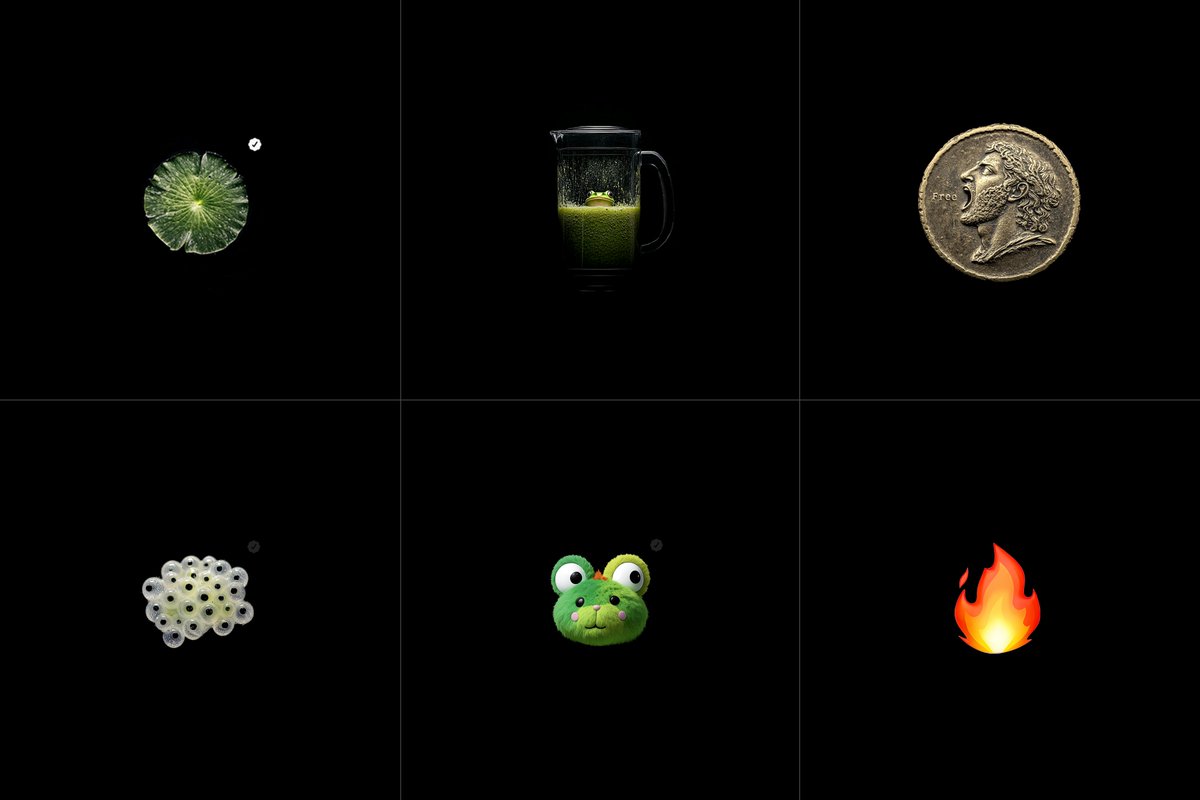



I minted an Autoglyph on the day they were first sold. They cost .25e (about $36 at the time). I loved them as soon as I saw them, and I was fascinated by the process of how they were made, and especially how their code AND output were stored onchain.
The fact that Le STARTS their critique with look at the price tells me that their critique is not really that serious. The work is the same at $36 as at 1.1 million. Today it’s 42e, tomorrow it could be 19e and then someday it could be 1000e. Who cares?
There is obviously no accounting for taste, and if you’re not moved by the way they look, that’s fine! But to suggest that the only reason people value this work is because of its price tag is factually, demonstrably wrong.
Le@leventnacakci
The fact that something purchased for 375 ETH was later sold for 42 ETH clearly reveals how fragile and speculative this space is. When a work can lose that much value in such a short time, it becomes difficult to argue that its worth is rooted in artistic permanence. What we are really seeing is a valuation driven almost entirely by market psychology and shifting trends. In essence, these works are less about art and more about the marketing of ownership and scarcity. Taken on its own, the visual does not carry a million-dollar level of meaning or impact. It is more accurate to describe such pieces not as “art,” but as speculative collectibles of the digital age. So what story is actually being told here? “An algorithm ran, and this output was produced.” That may serve as a technical explanation, but it falls short of being an artistic narrative. The real story does not reside within the image—it is constructed around it: “early era,” “one of the first,” “on-chain generation,” “rarity.” These are not artistic elements; they are marketing language standing in for substance. The narrative, in this case, is not born from the work itself, but from the logic of the market. A compelling artwork does not have its meaning imposed from the outside; it generates it from within. In a painting, you can often sense the artist’s emotional state. In a sculpture, you might encounter something fundamental about the human condition. Here, however, there is no visible human trace, no moment of tension or rupture, no meaningful engagement with the viewer. Perhaps most ironically, the most compelling narrative is not the work itself, but its price history. The drop from 375 ETH to 42 ETH—this is the real story. Yet even that is not an artistic narrative; it is a financial one, the story of a bubble deflating. In the end, there is indeed a story—but it does not live within the work. It is externally imposed, an ill-fitting layer that survives only through the meanings projected onto it. Which leads to an unavoidable conclusion: if a work’s story exists independently of the work itself, then it is not truly art—it is simply a well-constructed narrative.
English




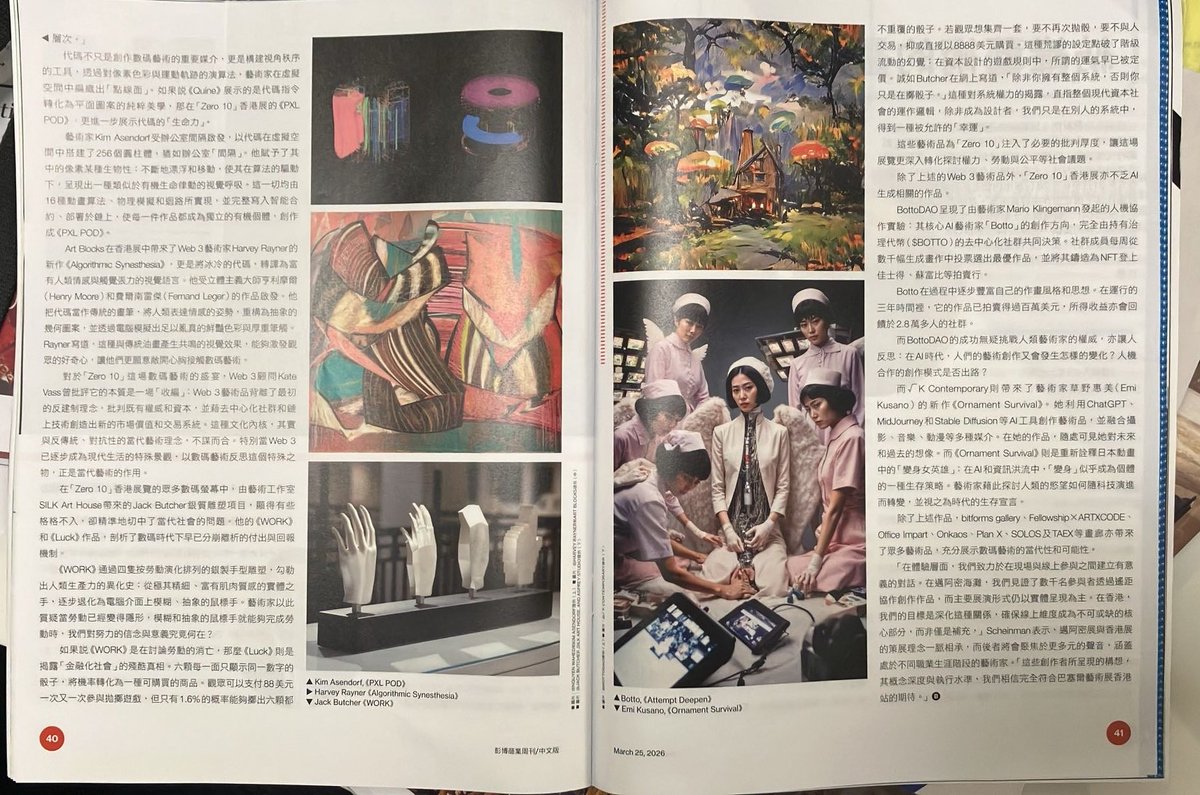
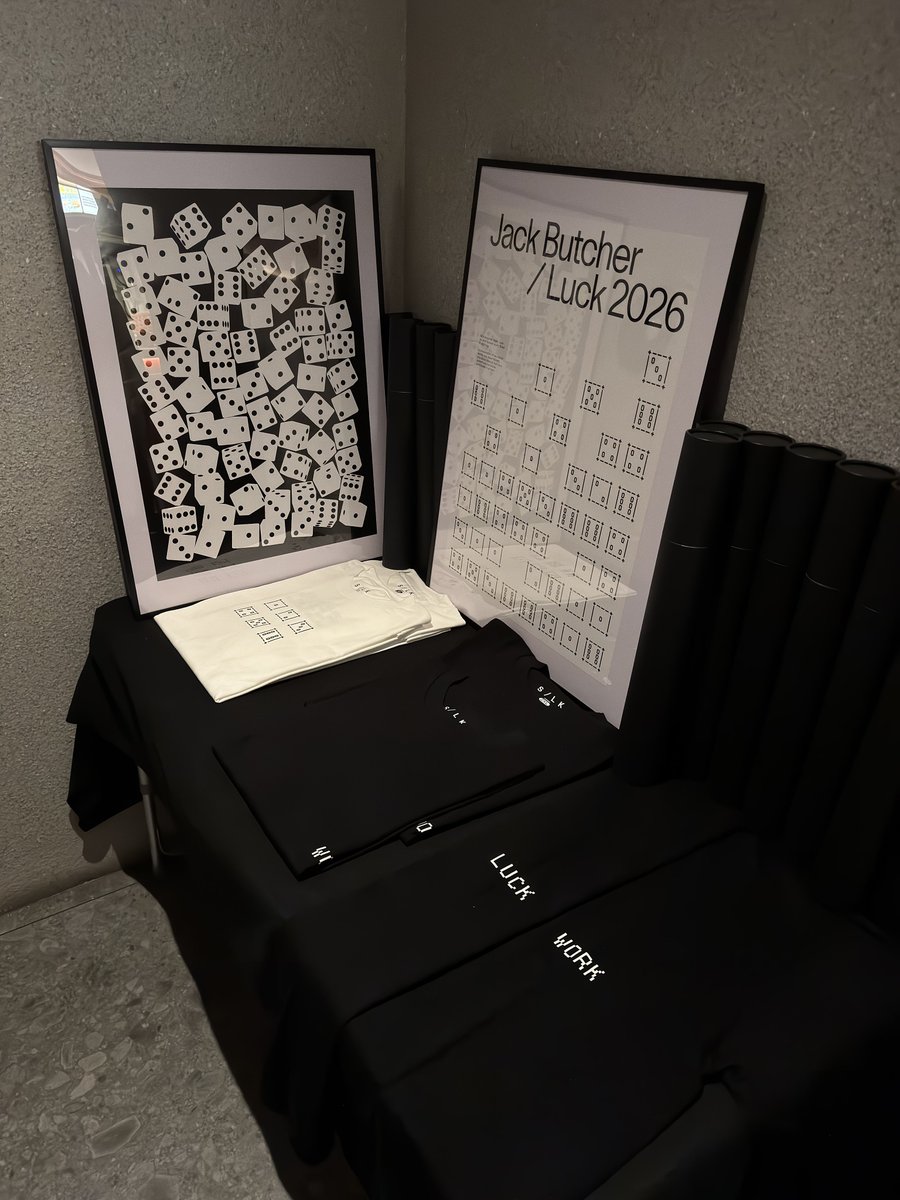
jack butcher finally meeting the collector who’s been cooking him for 3 years
no mute button in real life
welcome to offline replies
@jackbutcher

English
L L me-retweet

English

Spread 5 closed by 0xaA08...c040
peaked 3.8% → closed 0%
auction now live
value.ripe.wtf/spreads/6
English







@HollanderAdam @mooncat5997 i’m sorry for all the pain you have to deal with 😞
English

want to be very clear that wasn't my exact quote.
what i said was that we understand many of our users have passionately collected these.
and that there have been discussions with the foundation around "if" they should be considered.
most importantly, that i couldn't share if, or how, they would be considered regarding allocations.
should not take this as any level of commitment or "alpha" regarding these. was just trying to answer the question best i could.
English

Adam just said in Twitter Space :
"Gemesis are being collected with real passion by our community, and there are already discussions within the foundation about including Gemesis in $SEA allocation."
this is huge for the OpenSea Gemesis fam 🙏

Captain Zwingli 🍌🎙️@ChrisJourdan
English



Today we're introducing the world's first AI CMO.
Enter your website and it deploys a team of agents to help you get traffic and users.
Try it now at okara.ai/cmo
English