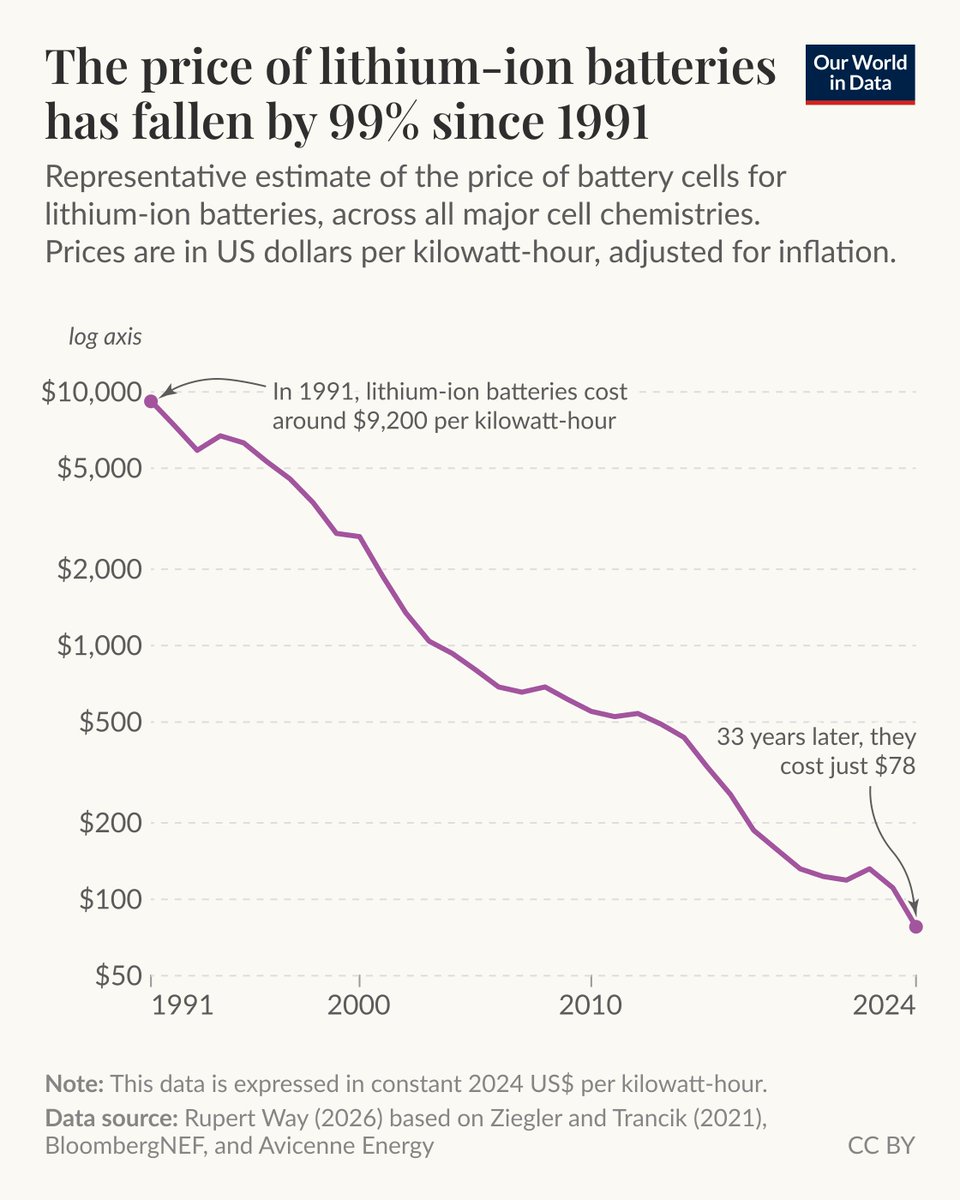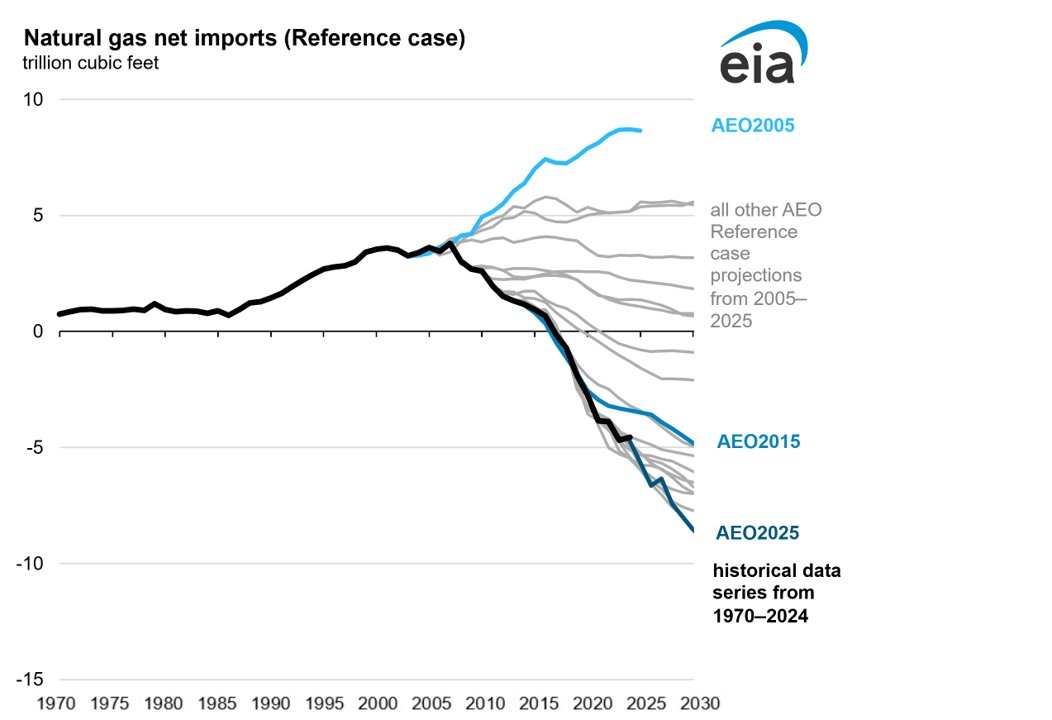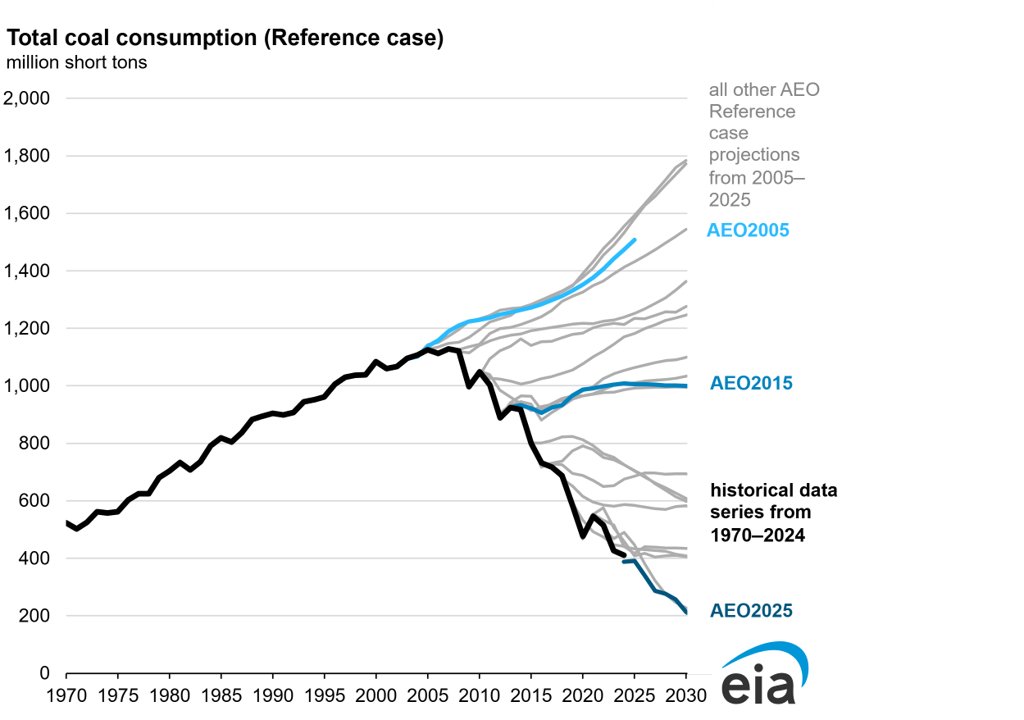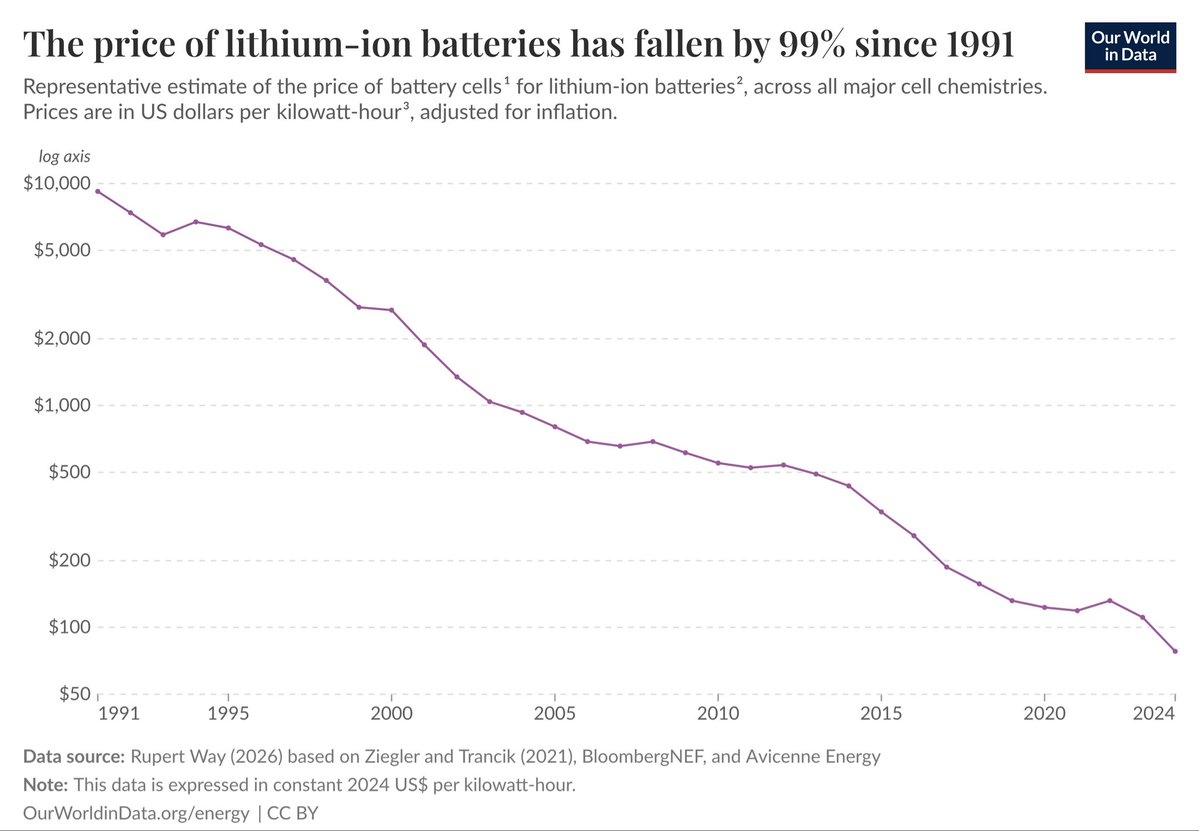

South Australia wasn’t supposed to move this fast. Models assumed slow, steady, controlled change. Instead it’s already at ~74% renewables, hitting 100% around 74% of the time. Beyond targets. Beyond plans. When cost curves hit, the system doesn’t transition… it flips. That’s where the models start to break. They assumed renewables would gradually take share. Instead they’re already setting the behaviour of the grid. Price, flow, stability… all increasingly driven by wind and solar. That shift wasn’t meant to happen this early. And here’s the part most people still miss. Demand isn’t sitting back waiting for the grid to catch up. It’s starting to move toward it. What used to be a ~3.3 GW system is now planning for 6.5 GW and beyond, with long term thinking pushing toward ~25 GW. SA already has way more generation capacity than it needs most of the time, which is why you’re seeing 100%+ renewables periods, negative demand events, exports to other states, and a surge in new battery plants. That’s a classic sign of a system moving into energy surplus mode. That’s not normal growth. That’s a system being rebuilt for something bigger. Mining, green metals, data centres. Energy-intensive industries don’t wait around. They move to where energy is cheapest, most abundant, most reliable. At the same time, the old intermittency argument quietly collapsed. Not through debate, but through deployment. Storage scaled. Batteries moved from experiment to infrastructure. Multi-hour systems are becoming standard, not exception. Now the grid is doing things it wasn’t supposed to do this early. Negative demand. Excess generation. Exporting energy instead of scrambling for it. These aren’t edge cases anymore. They’re signals the system has already flipped. This is why calling it a transition doesn’t quite fit anymore. It implies something slow, linear, predictable. What this looks like is a phase change. The models assumed gradual adoption. Reality followed cost curves. China is winning on scale. No question. But South Australia is showing something just as important… what the end state actually looks like. A grid where energy becomes abundant at times, local by default, and detached from fuel markets. reneweconomy.com.au/100-pct-renewa…