English
Timothy Smith, MD
347 posts
@TimDSmithMD
Interventional Cardiovascular and Critical Care Medicine


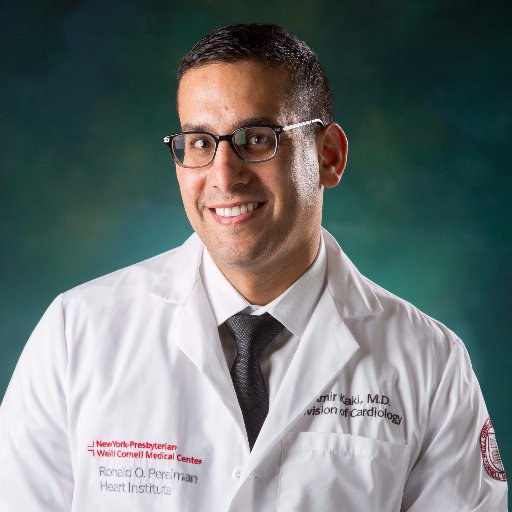
Dr. Ashok Seth On Complex PCI: "Whatever happens in the world's best centers should also reach our patients." In a conversation with Dr. Ashok Seth at India Live 2024, Dr. Amir Kaki and Dr. Rajiv Tayal spoke on complex PCI techniques, the management of high-risk patients, and adapting treatments to resource-limited settings. In Short: 1. Dr. Kaki emphasized that Indian cardiologists often treat patients with more severe conditions compared to those in the United States. 2. He highlighted the exceptional talent and eagerness to learn among Indian operators, despite resource constraints. 3. Dr. Tayal underscored the value of mutual learning and idea exchange in advancing interventional cardiology practices. 4. He acknowledged the remarkable work being done in India, particularly given the limited availability of resources. 5. Dr. Seth expressed a commitment to ensuring Indian patients receive the same high-quality care as those in the best centers worldwide. 6. He emphasized the importance of education and teaching in the field of interventional cardiology. Dr. Amir Kaki, Interventional Cardiologist and Associate Clinical Professor of Medicine at Wayne State, and Dr. Rajiv Tayal, Director of the Cardiac Catheterization Lab at Valley Health System, New Jersey, in an interview with Dr. Ashok Seth, Chairman of Fortis Escorts Heart Institute, New Delhi, spoke about focusing on complex PCI, high-risk patients, and treatment adaptation. The discussion outlined the challenges and strategies in interventional cardiology, particularly concerning complex cases and resource limitations. They also highlighted the management of intricate cases, the adaptation of techniques to local resources, and the overarching goal of providing optimal patient care. Dr. Kaki shared his observations: "The patients that the young generation of Indian cardiologists are taking care of are actually sicker than some of the American patients that we see on a daily basis.” Dr. Amir Kaki emphasized that the Indian operators are extremely talented as it relates to their desire to learn. He added, “I've developed a lot of relationships with some of the younger physicians, and they're not only eager to learn, but you can see that there's a tremendous thirst for knowledge for advanced procedures and the protocolization of care. And I think the future of interventional cardiology in India is extremely bright." Dr. Tayal reflected on the mutual learning experiences, noting, "That's one of the most rewarding parts of this: to be able to interact, exchange ideas, exchange techniques, learn from one another, give back, and then see how far things have come." He also acknowledged the impressive work being done in India with limited resources. Dr. Ashok Seth attributes his enduring energy to his deep passion for cardiology. He feels a strong calling to give back to India, driving his commitment. He said that the central goal has been to ensure that Indian patients receive the same advanced care as available to the patients worldwide. He further added, “Whatever happens in the best centers of the world should actually be happening to our patients, and I should be able to deliver it." Throughout the interview, Dr. Seth along with Dr. Amir Kaki and Dr. Rajiv Tayal expressed a shared commitment to giving back to their country, advancing its expertise globally, and ensuring patients receive the best possible care. The full interview: youtu.be/hLaR22CY_a0?fe… Subscribe to stay updated on future content, and don’t forget to like and share to support our efforts. TheRightDoctors.com Insights from the World's Best Medical Minds. #IndiaLive2024 #Recap #Throwback #ThrowbackIndiaLive2024 #DrAshokSeth #DrAmiKaki #DrRajTayal #FortisEscortsHeartInstitute #WayneState #ValleyHealthSystem #TheRightDoctors #TRD



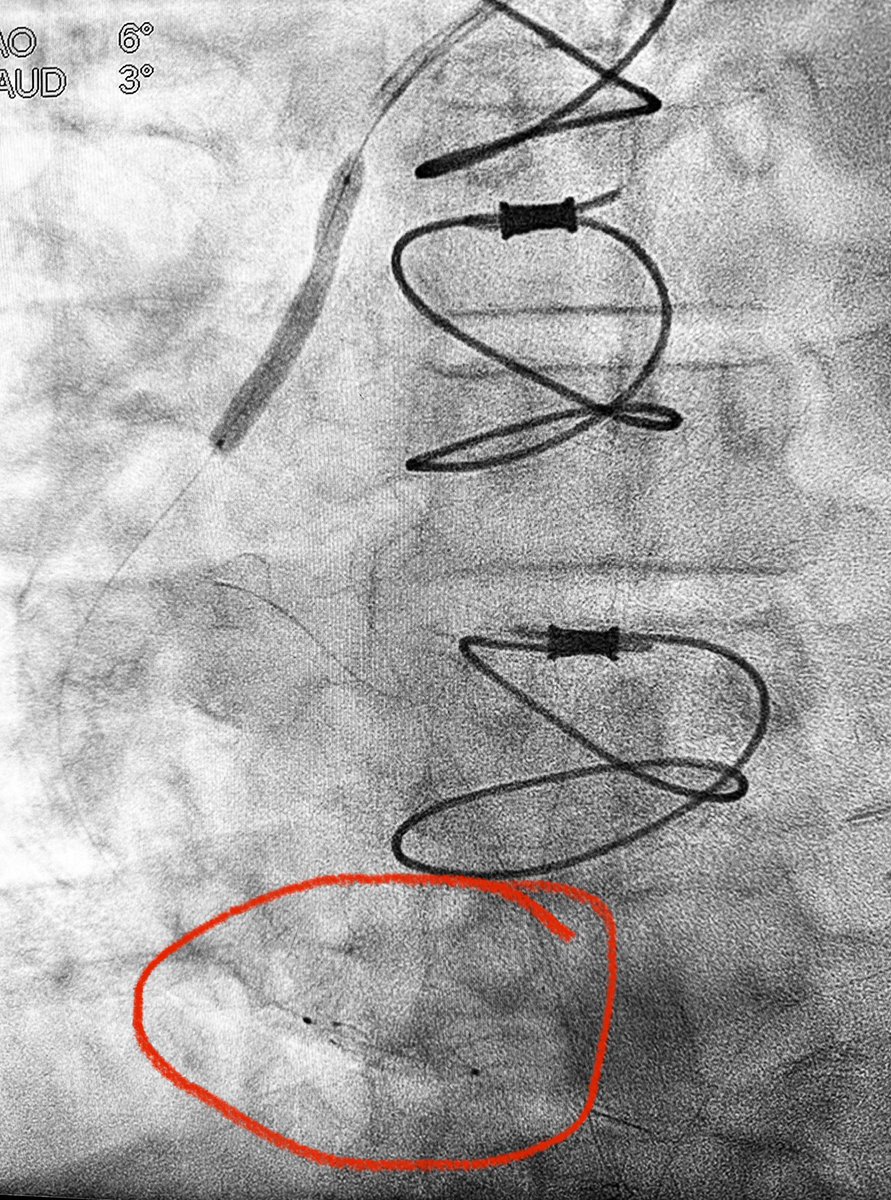

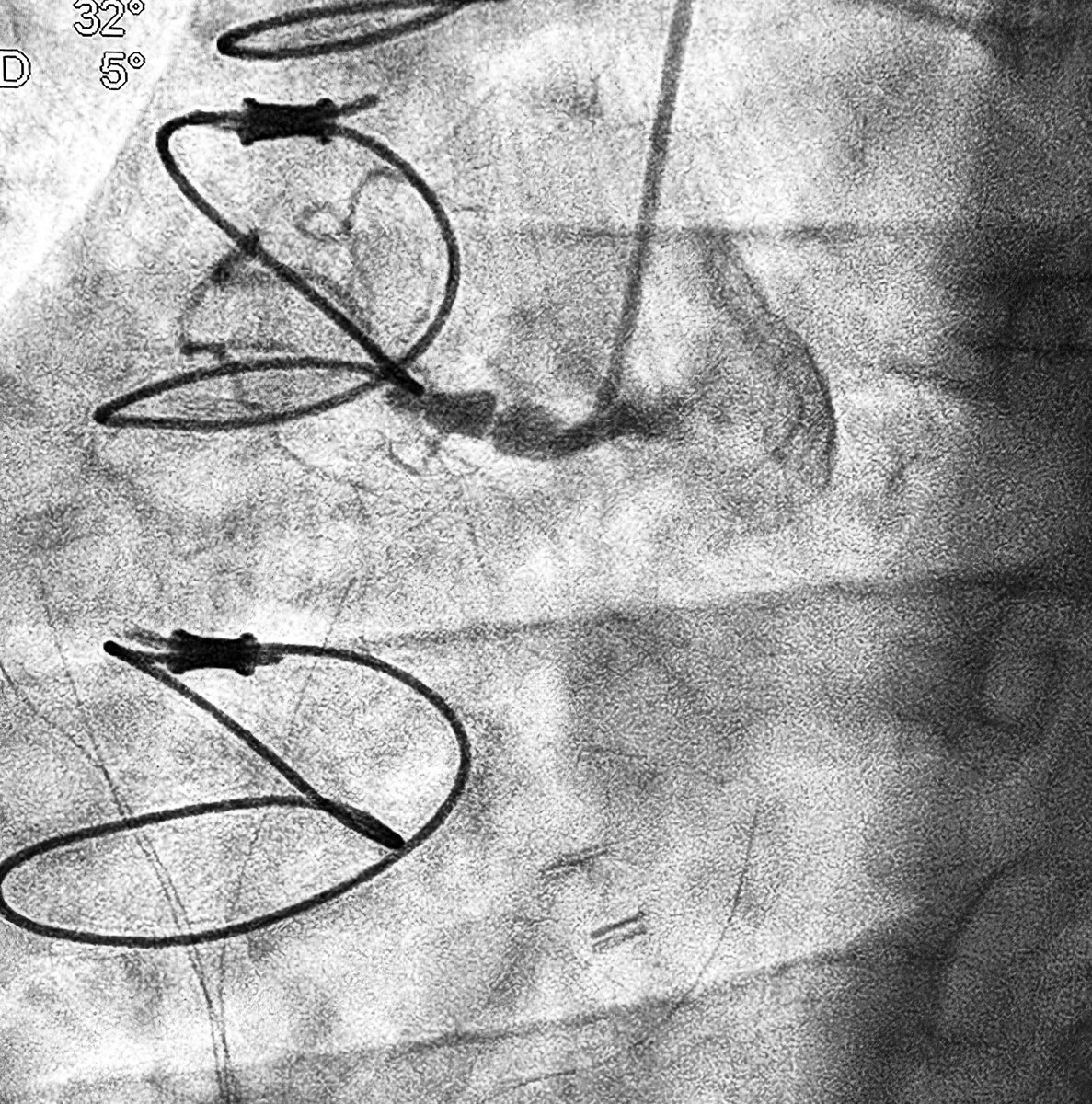

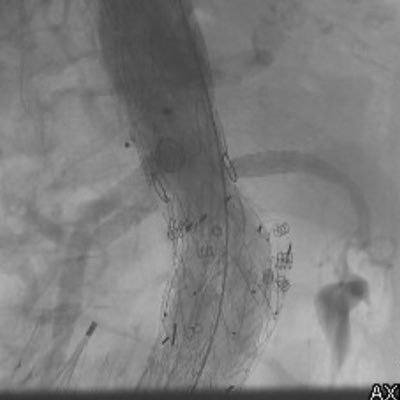
I believe this to have worked well. Heavily calcified symptomatic 99 percent stenosis of innominate. IVL of innominate with 8 balloon. Followed by covered stent with distal protection