
Michael
383 posts


Michael
@_MichaelAW
Day Trader 🇬🇧/🇺🇸 The struggle to arrive at truth is what gives it meaning.
Bergabung Ocak 2024
38 Mengikuti22 Pengikut
@propwarzx @RajaBanks @DominionMktsLLC I do feel sorry for the people who haven’t been around long enough to know that scammers like this exist.. just bc someone has lots of followers and influence online doesn’t mean they have your best interest as heart. prayers to the victims 🙏🏽
English

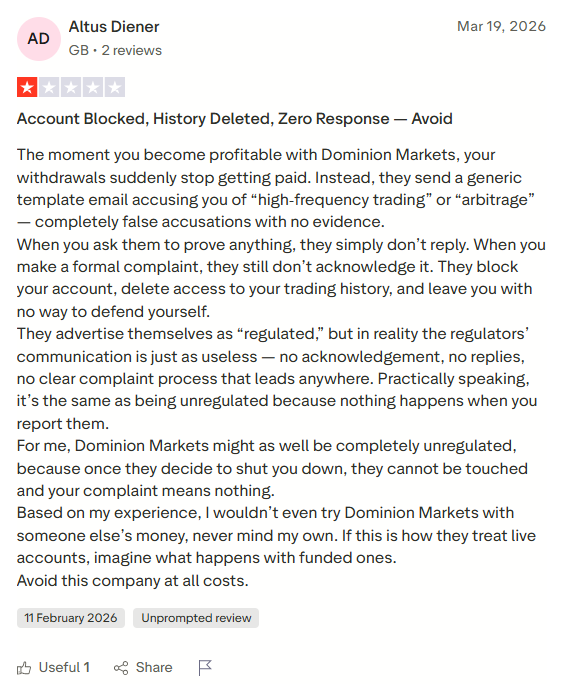
🚨 Denied, account deleted, broker deposit stolen, ghosted! @RajaBanks
As a multimillionaire Raja Banks is doing this with ALL traders wanting to withdraw over a few thousand at @DominionMktsLLC
Including stealing their initial broker deposit!
👇 Trust Pilot is full of them

English


Michael me-retweet

Trading success takes longer than you expect, then happens at a bigger scale than you can imagine.
English

@_MichaelAW @DiegoBTrades Tried to explain what is bid/ask to one of those ICT traders, that shit was impossible
English

Something that I can’t stand about the ict community (low key entire trading space) is people always talk so confidently about shit they don’t know like no my trade didn’t fail because of CE of the daily rejection block in the macro failure swing it just lost bruh like damn
English





Michael me-retweet

When a loss doesn’t shake you, you’ve leveled up. Calm acceptance means no ego, no panic—just execution.

English
Michael me-retweet

Things that quickly made my life better:
- Cutting my expenses in half
- Saying no to work I didn't enjoy
- Protecting mornings for deep work
- Spending less time with draining people
More money is great, but less obligation is better.
English
Michael me-retweet
Your goal as a trader is to minimize trading errors.
If you can do that and have an edge, the numbers will work themselves out.
English
Michael me-retweet
You'll make better trade decisions if you're not desperate.
English

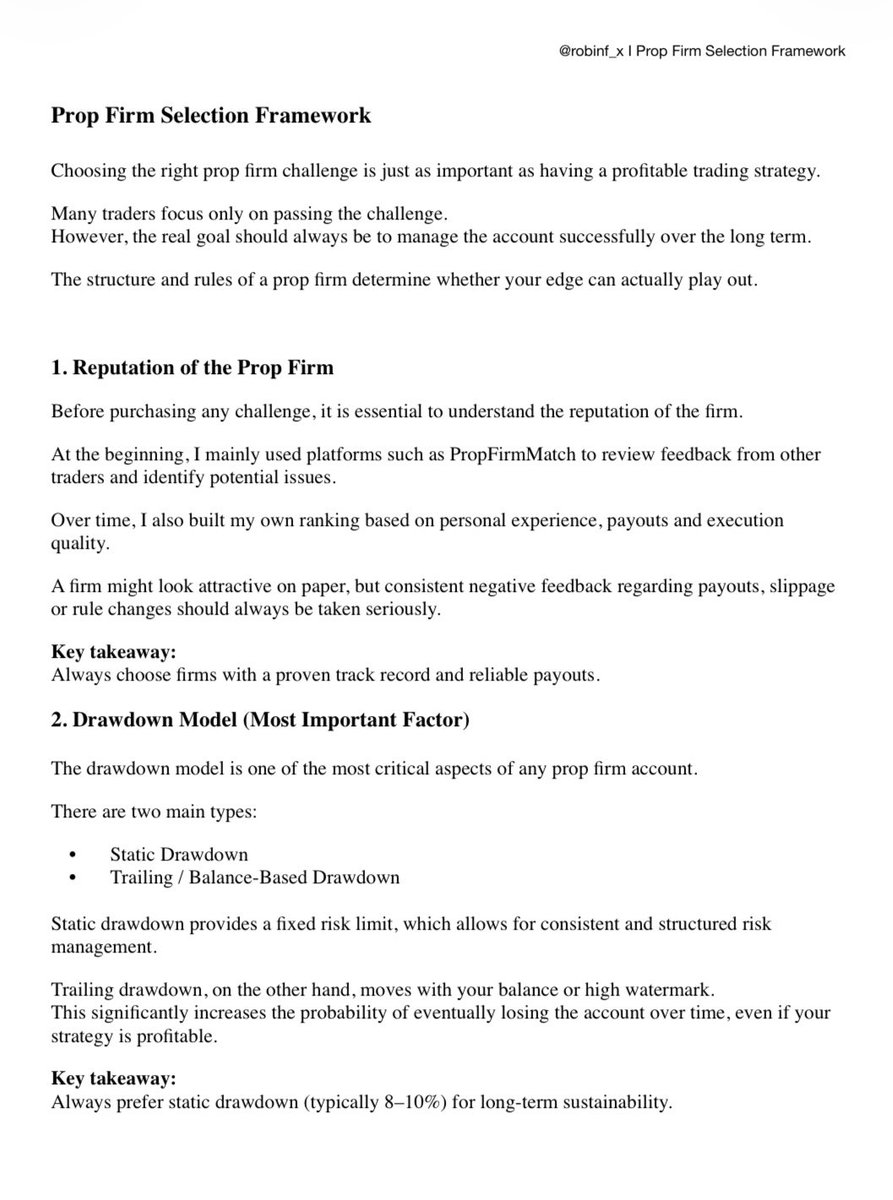
As promised in my last post, here is the framework I personally use to evaluate and choose prop firm challenges.
Over time I realised that passing a challenge is only one part of the process.
The real question is whether the account is built for long-term trading.
Here are the most important factors I consider:
1. Reputation of the prop firm
At the beginning I mainly relied on platforms like PropFirmMatch to get a general overview of reviews and feedback.
You can also use my prop firm scaling plan as a reference.
2. Drawdown model
This is one of the most important factors. I strongly avoid trailing or balance-based drawdown models.
Static drawdown (around 8–10%) is, in my experience, far more sustainable for long-term trading.
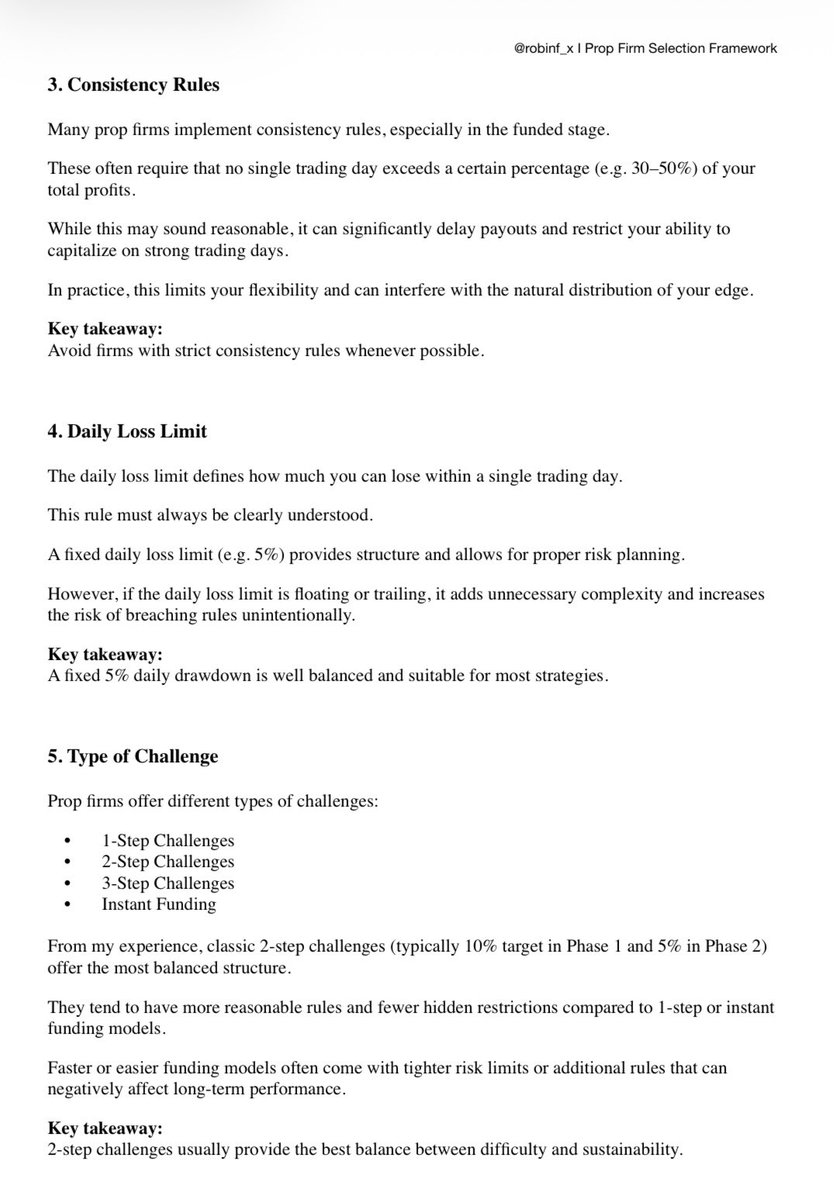
3. Consistency rules
I recommend avoiding them.
Many firms require 30–50% consistency during the funded stage, which can unnecessarily delay payouts and restrict your trading.
4. Daily loss limit
Make sure the daily loss limit is fixed.
If it is floating or trailing, it adds unnecessary risk.
A fixed 5% daily drawdown is generally well balanced for most strategies.
5. Type of challenge
Whether it’s 1-step, 2-step, 3-step or instant funding — I personally prefer classic 2-step challenges (typically 10% / 5%).
They tend to offer the most balanced conditions without hidden restrictions that can cost you the account.
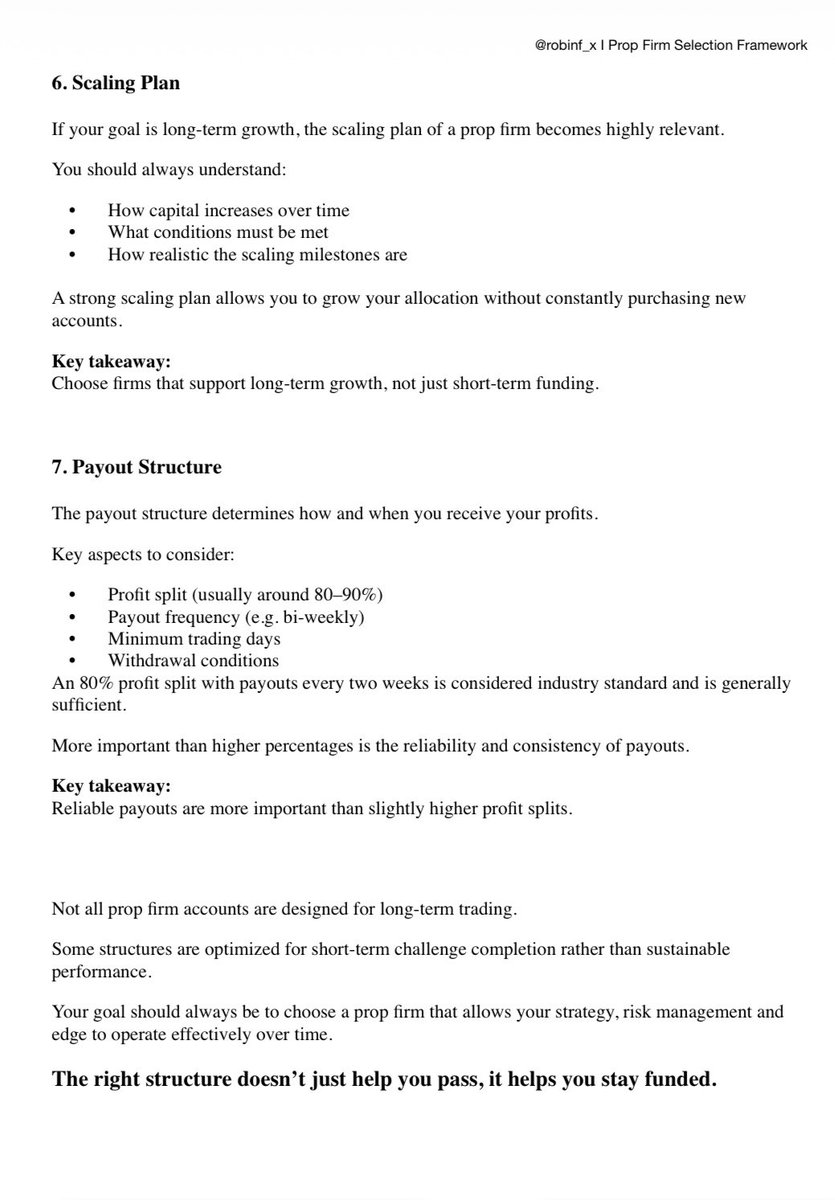
6. Scaling Plan
Understand how and when the firm increases your capital.
A clear and realistic scaling structure is essential if your goal is long-term growth.
7. Payout Structure
An 80% profit split with bi-weekly payouts is industry standard and, in my view, completely reasonable.
Not all prop firm accounts are built for long-term trading.
Choose a structure that allows your strategy and edge to actually play out.
English