
Ananth

2.5K posts

Ananth banner
Ananth

Ananth

@ananth

Jack of quite a wide variety of trades.

India Bergabung Temmuz 2007
1.1K Mengikuti397 Pengikut
Tweet Disematkan
Ananth
Ananth@ananth·
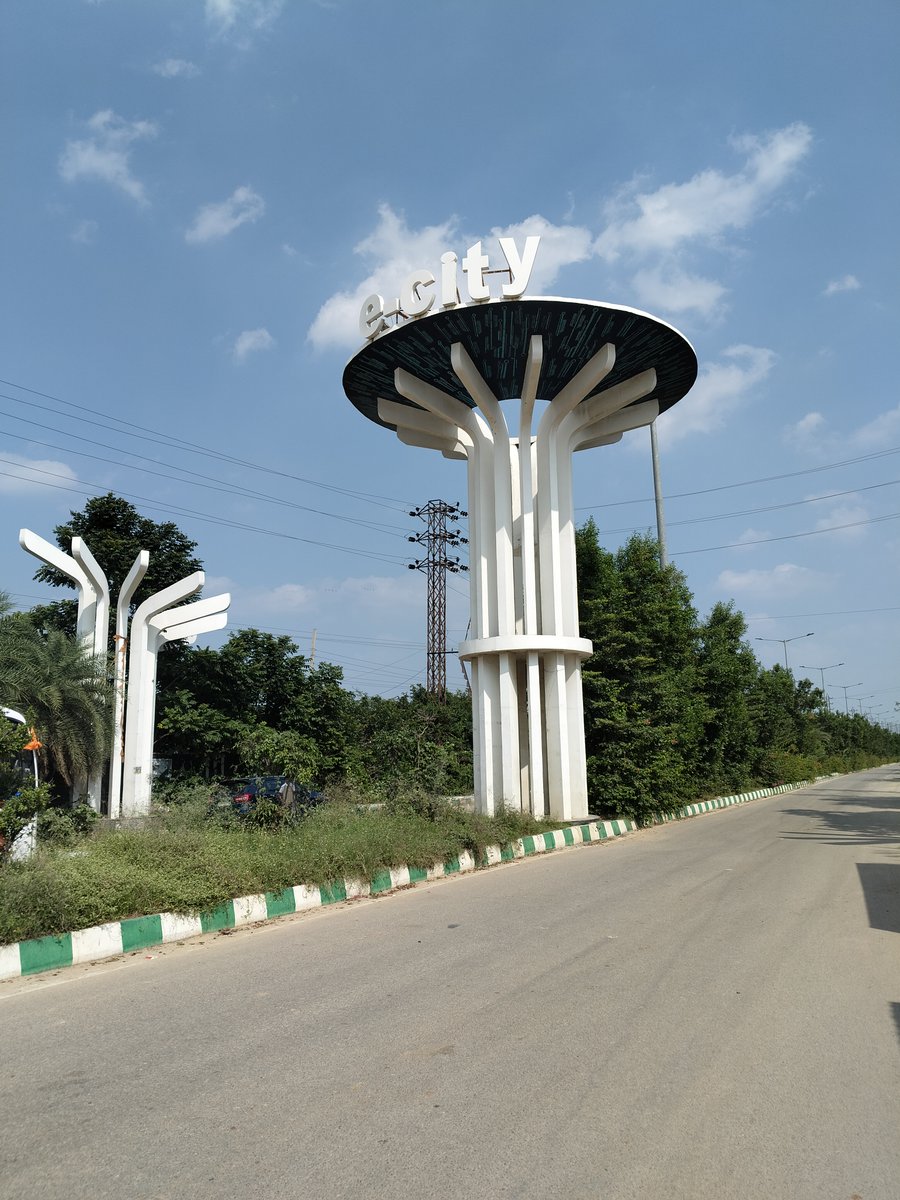
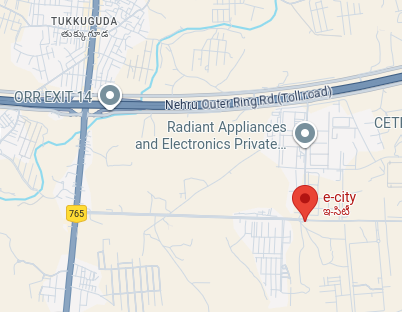
e-City off Hyderabad is built with ambitious goal to improve the country's electronics manufacturing capability. Industries can not thrive here unless Telangana state govt commits to provide basic infrastructure like roads within the industrial area. @OffDSB @TelanganaCMO 1/
Ananth tweet mediaAnanth tweet media
English
1
1
1
2.4K
Ananth me-retweet
TheLiverDoc™
TheLiverDoc™@theliverdoc·
Coffee is one of the only drinks with strong evidence that benefits the liver. Here's what decades of research actually says about how to drink it right: Coffee genuinely lowers liver disease risk. Meta-analyses show regular drinkers have about 35% lower risk of significant liver fibrosis and nearly 50% lower risk of liver cancer compared with non-drinkers. Aim for 2–3 cups a day, minimum. The effect is dose-dependent. The Hepatology socities such as AASLD and EASL says 3 or more cups daily is reasonable for liver benefit, if you tolerate it. Caffeinated works better than decaf. But decaf still helps. Caffeine blocks adenosine receptors that drive liver scarring. Decaf lowers chronic liver disease risk too, just by a smaller margin (UK Biobank, n=494,585). The target dose: ~300 mg caffeine/day, or 3 cups. Fibrosis protection kicks in around the 75th percentile of intake, roughly 308 mg caffeine, or 2.25 cup equivalents, per day - the AASLD 2023 advises 3+ cups for liver benefit. What a "cup" actually means One standard cup = 240 ml (8 oz), not a 60 ml tiny Indian "cup." A 240 ml filter coffee has ~95–165 mg caffeine. A single espresso shot (30 ml) has only ~60–75 mg. Coffee-to-water ratio: 1:15 to 1:17. For filter/drip/pour-over: 15 g of ground coffee to 250 ml water. This is the standard brewing ratio and gives clean extraction of chlorogenic acids and caffeine. Choose medium roast, not dark. Medium roast has significantly higher chlorogenic acid (CGAs) content than dark roast. Dark roasting thermally degrades CGAs, the main antioxidant doing liver work. Arabica beats Robusta. Arabica beans are richer in CGAs and polyphenols, the antioxidants doing most of the liver-protective work. A note here: Arabica for polyphenols, Robusta for caffeine. Arabica (1.5% caffeine) has more CGAs and polyphenols. Robusta (2.7% caffeine) has more caffeine but a cruder phenolic profile. A 70:30 Arabica-Robusta blend is a reasonable compromise. Water temperature: 92–96°C. Just off a rolling boil. Too hot (>96°C) burns the grounds and extracts bitter compounds; too cool (<90°C) under-extracts CGAs and caffeine. Grind size matters. Medium grind (table-salt texture) for filter/drip. Coarse for French press. Fine for espresso. Brew time: 3–4 minutes for pour-over, 4 minutes for French press, 25–30 seconds for espresso. Filtered coffee is the safest daily choice. Paper filters trap cafestol and kahweol, naturally present plant diterpenes that raise LDL cholesterol if consumed daily in large amounts. Pour-over (V60, Kalita, Melitta) or drip machines with paper filters give you CGAs and caffeine without the cholesterol penalty. Espresso and French press: fine, but not unlimited. They retain more polyphenols but also more diterpenes (so more chances of increased lipids). Great occasionally; don't make them your 5-cups-a-day default if you have high cholesterol or heart disease. South Indian filter coffee: acceptable, with caveats. The metal filter does not remove diterpenes as well as paper, so limit to 1–2 cups/day if you have dyslipidemia. The decoction itself is rich in CGAs. Use less sugar. Skip condensed milk. BUT ULTIMATE: Drink it black. Or close to it. Sugar, syrups, flavored creamers and whipped cream cancel the liver benefit, especially if you already have fatty liver, diabetes, or obesity. Skim milk or unsweetened plant milk is fine. Instant coffee: still works. UK Biobank (n=494,585) showed instant coffee drinkers had similar reductions in chronic liver disease as ground coffee drinkers. Not as potent, but far better than no coffee. Cold brew: underrated for the liver. Medium roast + coarse grind + 6–7 hours at room temperature extracts CGAs and caffeine efficiently with lower bitterness. pH and CGA content are comparable to hot brew. Timing. Spread across the day. one at breakfast, one mid-morning, one early afternoon. Stop by 2 pm if you have insomnia. It helps across almost every major liver disease. Evidence supports benefit in fatty liver (MASLD), alcohol-related liver disease, hepatitis B and C, cirrhosis, and liver cancer. The mechanism isn't magic, it's chemistry. Chlorogenic acid cuts oxidative stress and liver fat. Caffeine inhibits stellate cell activation (that promotes scarring or fibrosis). Melanoidins and polyphenols reduce inflammation. Who should go easy. Pregnancy, children, those with uncontrolled heart rate and rhythmn issues (arrhythmias), panic disorder, or insomnia. And no, coffee does not undo a bad diet or bad choice - such as alcohol, herbal supplement or that Ayurvedic "liver tonic." Sources: Modi et al., Hepatology 2010; Kennedy et al., BMC Public Health 2021 (UK Biobank); Fuller & Rao, Sci Rep 2017; AASLD MASLD Clinical Care Pathway 2023; EASL 2016 CPG, Frontiers in Nutrition 2026 (Italian coffee cohort).
TheLiverDoc™ tweet media
English
194
655
2.9K
192.2K
Ananth me-retweet
Karthik 🇮🇳
Karthik 🇮🇳@beastoftraal·
If I say, 'Liril Soap' and 'Laaa la la la la', many people may start humming the classic Liril soap ad jingle. But the shocker is that the jingle was not original, but "inspired"! The bigger shocker was that the original jingle was also made for a lime-based soap just like HUL's Liril - Henkel's Fa! Henkel's Fa ad campaign in 1968-69 by the Düsseldorf-based agency Hubert Troost Werbeagentur (usually called Troost) featured the 'Laaa la la la la' song. It was composed by the German composer Klaus Doldinger. The jingle became so popular that a vinyl single of the track (Listen: tinyurl.com/klauswildfresh) was released in 1969 under the pseudonym Paul Nero Sounds (one of Doldinger’s aliases for his more commercial/pop-oriented output at the time), explicitly tied to the Fa commercial: "Paul Nero Sounds (Klaus Doldinger) - Wild Freshness (FA Commercial)". It appeared on compilations like Pop-Shopping: Juicy Music From German Commercials 1960-1975. Liril's (the soap itself inspired by Fa) first ad was released in 1974, in cinema theaters. It featured Air India stewardess Karen Lunel, and was made by the agency Lintas, and directed by Kailash Surendranath. The jingle was credited to Vanraj Bhatia (even though he simply added some Indian elements like Sitar, as an interlude, the actual melody was a direct lift from the Fa ad jingle by Klaus) and was sung by Preeti Desai. That two lime-based soaps, across 2 countries, have almost similar visual devices (shots of the soap interspersed with bikini-clad woman bathing) and identical music, is no coincidence, and is probably part of the larger ethos of that time in India when Hindi film music too heavily "borrowed" from foreign sources without any credit. I should know, because I created an entire website listing original songs against many, many Indian film songs: tinyurl.com/itwofswebsite (many of the song links may be broken but you can always Google the titles and find new uploads on YouTube). The Fa ad plays first, followed by the Liril ad. #advertising #marketing
English
39
167
687
129.3K
Ananth me-retweet
Dr Sudhir Kumar MD DM
Dr Sudhir Kumar MD DM@hyderabaddoctor·
From the OPD: The Most Dangerous Health Misconception I See Every Day The most frustrating part of my OPD practice is not the complex neurological cases; it is watching patients lose a battle they think they are winning. Every day, I see patients with obesity, Type 2 Diabetes, or hypertension who tell me: "I walk every morning, Doctor." "I do all the household work." "I have stopped adding sugar to my tea." They feel they have done their part. But their blood work and body composition tell a different story. Here is the evidence-based reality of why "walking and quitting sugar" is often not enough. 1. The Exercise Trap: Walking vs. Muscle 🔸Walking is a great baseline, and household chores are better than sedentary behavior. However, neither is a substitute for Strength Training. 🔸After age 30, you lose 3-8% of muscle mass per decade (Sarcopenia). Muscle is your body's primary "glucose sink." 🔸Walking burns a few calories while you do it. Strength training builds the "engine" that burns glucose even while you sleep. 🔸If you are not lifting weights or doing resistance training at least twice a week, your insulin resistance will likely persist, regardless of your step count. 2. The Diet Trap: "No Sugar" is the Bare Minimum 🔸Patients often think that by cutting out "sweets," they have fixed their diet. Meanwhile, their plates are still 80% carbohydrates (rice, rotis, poha) and nearly 0% protein. 🔸Refined carbohydrates (even without added sugar) spike insulin similarly to sugar. Furthermore, a protein-deficient diet leads to muscle loss and increased hunger. 🔸Most Indian diets are high-carb, low-protein disasters. Cutting sugar but eating 4 rotis or a mountain of rice is just trading one glucose spike for another. ✅Focus on Protein Leverage. Prioritize 1.2g to 1.5g of protein per kg of body weight. When you hit your protein goals, your craving for carbs naturally drops. Neurologist’s Perspective Why does a brain doctor care about your squats and your protein intake? Because Muscle is an endocrine organ. When you strength train, your muscles release Myokines, which: 🔸Improve cognitive function. 🔸Reduce systemic inflammation. 🔸Protect against neurodegenerative diseases like Alzheimer’s. ✅ The "Metabolic Reset" Protocol If you want to see real change in your HbA1c and BP, stop settling for the "Walking/No Sugar" myth. 1. Stop "Just Walking": Add two days of resistance training (bodyweight, bands, or weights). 2. Flip the Plate: Start your meal with protein (paneer, eggs, sprouts, lean meat). Eat your carbs last, and in smaller portions. 3. Recognize Household Work as "Activity," not "Exercise": Exercise requires progressive overload. Sweeping the floor doesn't challenge your muscles the way a squat does. Dr Sudhir Kumar @hyderabaddoctor
English
24
136
702
61.5K
Ananth me-retweet
Nikhil Pahwa
Nikhil Pahwa@nixxin·
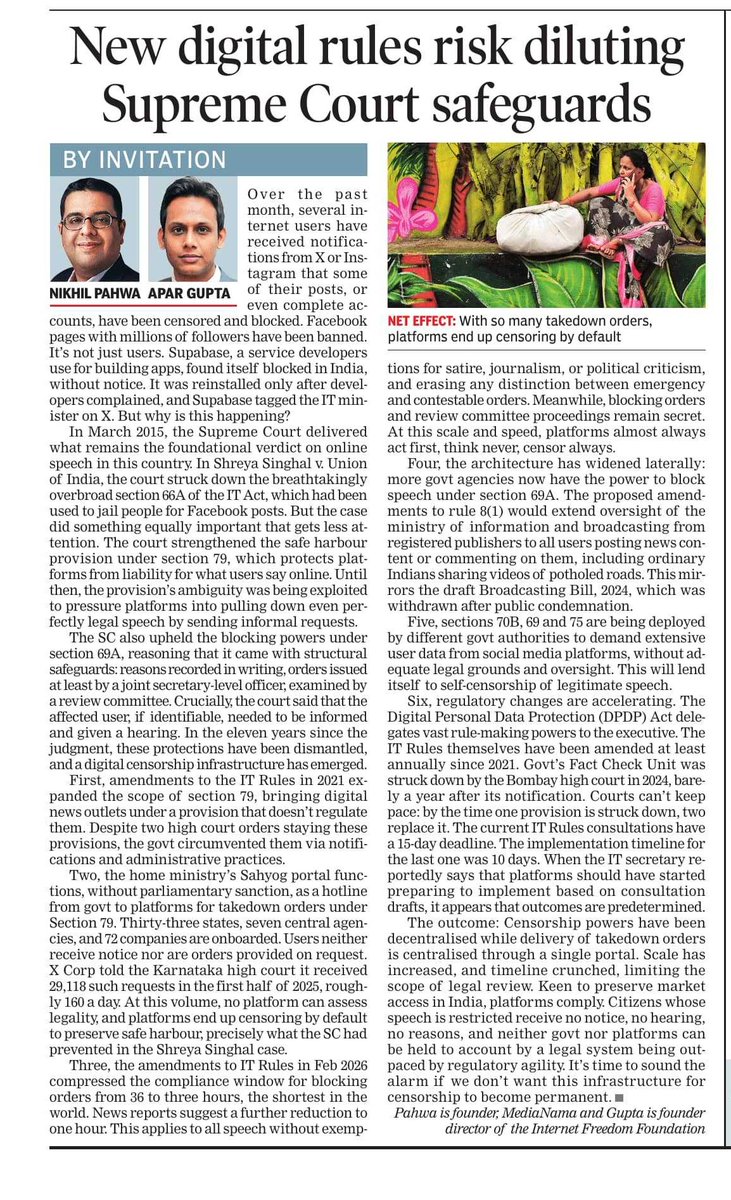
I want to clarify something about this article @apar1984 and I wrote: An infrastructure for mass censorship is already in place, in India, and the new rules expand it. We're seeing mass censorship of accounts and posts on X, Instagram and Facebook, because of this infrastructure. This infrastructure: 1. Operates with speed: - blocking of posts has to be executed in 3 hours (govt is considering 1 hour), which means there's no scope for challenging them. This is the shortest takedown timeline in the world. Every order is an emergency order. - When platforms get 100 at a time, which happens, they act first, think never, and censor always. Impact: If someone was censored and can't understand why, this is why. No one has time to think. 2. Scale...Scope has expanded uncontested: - The reasons for which speech and posts can be taken down keeps expanding. New rules expand government powers to tweets like this one. - News websites and platforms are covered under IT Rules (illegally) - Streaming platforms are covered under the IT Rules (illegally) Impact: more types of speech is already being censored...satire, journalism, or political criticism 3. Operates without challenge, in two ways: - When you get 160 takedown orders a day (as X disclosed to a court) how many will you challenge? - Platforms don't want to react because they can lose market access in India. They're faced with unrelenting pressure from regulators, and basically choosing which hill to die on. Us being censored is not their problem. - Rules are changing frequently: 7 amendments to IT Rules since Feb 2021. By the time courts nullify one rule (and they don't always do this), new rules come up. How often will people go to court? 4. Ordering takedowns has been decentralised: - The (illegal) Sahyog portal, which is used for takedowns, is a hotline from government bodies to platforms. Thirty-three states, seven central agencies, and seventy-two companies are onboarded. 5. There is no transparency hence no accountability: - Users receive no notice. censorship orders are not provided on request. - blocking orders and the meetings of the committee that reviews them are protected by secrecy. - RTI's are not responded to. - Consultation responses are not public. 6. Government is seeking personal data of social media users using Sections 70B, 69 and 75 of the IT Act. This will lead to self censorship. 7. Lawmaking process has collapsed: - The new IT Rules consultations have a 15 day deadline. - Implementation timeline for the last one was 10 days. - Rules are being made where there used to be laws government by Parliament. The new rules mirror provisions from the Broadcast Bill which was withdrawn in 2024. Parliament is being bypassed. As we wrote: when the IT Secretary reportedly says that platforms should have started preparing to implement based on consultation drafts, it appears that outcomes are predetermined. Consultations appear to be a farce. MEITY, DoT and MIB are not accountable to anyone but the government for rules that are not in line with laws, and go against a key free speech verdict we got in 2015. That's why this is an infrastructure for censorship. It is in place, it is operational, and it is expanding. This is not just about the new rules. This is why we're sounding the alarm about: people need to know what is going on, and the Supreme Court needs to take this up. They are the court of last resort, meant to preserve constitutionality. P.s: Please keep a copy of this tweet, in case it gets censored. Or just tweet it and tag us... how many will they censor?
Nikhil Pahwa tweet media
English
24
585
823
110.2K
Ananth me-retweet
Internet Freedom Foundation (IFF)
Internet Freedom Foundation (IFF)@internetfreedom·
Sound the Alarm : IFF’s First Read on MeitY's Draft IT Rules Second Amendment, 2026 New Delhi, 30 March 2026 On 30 March 2026, the Ministry of Electronics and Information Technology published proposed amendments to the IT Rules, 2021, inviting public comments by 14 April, a comment period of barely fifteen days for changes with far reaching consequences for free speech and intermediary governance in India. We have conducted a quick review of the draft amendments. Despite being presented as "clarificatory and procedural," they represent a dangerous expansion of executive power over online speech. We wish to state at the outset that these proposed amendments need to be immediately withdrawn and every member in our citizenry should demand their roll back and stand with the Constitution of India. These proposed amendments come at a time of fear and increased government directed censorship, especially of online political speech that includes parody and satire of the government, including the Prime Minister. In brief the five changes are listed below: 1. Rule 3(1)(g) and 3(1)(h): Insertion of phrases within existing clauses making data retention obligations under the IT Rules additional to retention requirements under any other law. 2. Rule 3(4): Insertion of a new clause that mandates intermediary compliance with MeitY-issued clarifications, advisories, directions, SOPs, codes of practice, and guidelines, making such compliance a condition for retaining safe harbour under Section 79 of the IT Act. These are not anchored to the rule making powers of the IT Act, 2000 and provide uncanalised power to MEITY despite it stating otherwise. 3. Rule 8(1) proviso: A substitution in the proviso that expands applicability of MIB’s oversight mechanism in Part III of the rules to: (1) intermediaries and (2) users who are not “publishers” and post/share news and current affairs content online. This oversight mechanism contains the blocking powers of MIB by way of Rule 14 (Inter-Departmental Committee), Rule 15 (Procedure for issuing directions to block), and Rule 16 (Emergency blocking provisions). 4. Rule 14(2) : A substitution that expands the scope of the IDC from hearing "complaints or grievances" to hearing "matters", including those referred by the Ministry of Information and Broadcasting. 5. Rule 14(5) : Replaces "complaints or grievances" with "the matter" in relation to IDC examination and recommendations. A massive expansion of an unconstitutional censorship and regulatory power First and most concerningly, Rule 3(4) creates a sweeping power for MeitY to issue binding instruments which are not anchored in law such as clarifications, advisories, directions, SOPs, codes of practice, and guidelines that intermediaries must comply with as a condition of safe harbour under Section 79 of the IT Act. The Supreme Court's 2015 judgment in Shreya Singhal v. Union of India (2015) 5 SCC 1, remains the foundational precedent governing intermediary liability. It constrains the proposed amendments in several ways. First, the court read down Section 79(3)(b) to require that "actual knowledge" of unlawful content must come through a court order or government notification. Any Rule 3(4) making MeitY, "clarifications, advisories, directions, SOPs", lower the constitutional threshold for intermediary due diligence obligations. Further, the settled principle in Indian administrative law, reaffirmed in Indian Express Newspapers v. Union of India (1985) 1 SCC 641 and Confederation of Ex-Servicemen Associations v. Union of India (2006) 8 SCC 399, is that delegated legislation must remain within the four corners of the parent statute. It is important to note that the rule-making power under Section 87(1) of the IT Act is confined to, "carry[ing] out the provisions" of the Act. Section 87(2)(zg) authorizes rules for intermediary guidelines under Section 79(2), and Section 87(2)(z) for blocking procedures under Section 69A(2). Justice Chandurkar's judgement in the Kunal Kamra case clearly found the FCU amendment was not properly referable to either provision. Hence, any Rule 3(4) mandating compliance with MeitY advisories would face identical challenges since they create substantive new obligations not contemplated by Sections 79 or 87. Even though Rule 3(4)(b)(ii) states that such, “advisories” etc. need to, “clearly specify the statutory provision or legal basis under which it is issued”, since these are not required to be published or made public there is every likelihood these will be issued with secrecy and hence may just in a tautological manner refer back to Section 79(3)(b) of the IT Act. This is similar to a logical fallacy in which it is clearly observable that a student is cheating on an exam who then claims that they may be permitted to continue cheating since they are stating at the same time they are not cheating. The practical effect of Rule 3(4) is that intermediaries face a perpetual compliance threat. Any failure to comply with any MeitY-issued instrument, however vague, however rapidly issued may cost them their safe harbour. The response for an intermediary is over-compliance and over-censorship. Circumventing existing stay orders The original proviso to Rule 8(1) stated that Part III applied to intermediaries only "for the purposes of rules 15 and 16" i.e., content blocking directions and emergency blocking. The amended proviso now extends this to Rule 14, bringing intermediaries and user-generated news/current affairs content under the jurisdiction of the Inter-Departmental Committee. Under Rules 9(1) and 9(3) of the 2021 IT Rules, there is a Code of Ethics compliance requirement and the three-tier grievance redressal mechanism, both of which were stayed by the Bombay High Court on 14 August 2021 as prima facie violative of Article 19(1)(a) and ultra vires the IT Act. On the oversight mechanism in Rules 14, 15, and 16, the Bombay High Court granted the petitioners to seek relief on this rule when an Inter Departmental Committee is established. The Madras High Court affirmed this stay as having pan-India effect in its order of 16 September 2021 in T.M. Krishna v. Union of India, observing that "an oversight mechanism to control the media by the government may rob the media of its independence." Both these cases, along with other cases challenging various provisions of the 2021 IT Rules, are now pending adjudication before the Delhi High Court. The expansion of Rule 8(1) to cover Rules 14, 15, and 16 is an attempt to expand the blocking powers of MIB to both intermediaries and users who are not “publishers” but post news and current affairs content online. The IDC can now examine "matters" relating to user-generated news content on intermediary platforms without the Code of Ethics framework having been adjudicated as constitutional; the government effectively obtains the content oversight machinery that three High Courts found illegal, through a different procedural door. Transforming the IDC from Grievance Body to Censorship Apparatus The original Rule 14(2) required the IDC to hear "complaints regarding violation or contravention of the Code of Ethics." The amended version removes this requirement entirely. The IDC now hears: (a) grievances arising from decisions at Level I or II; or (b) "matters" referred to by the Ministry. Clause (b) is unconstrained since, (a) there is no requirement that the "matter" arise from a complaint, (b) no requirement that the "matter" relate to a Code of Ethics violation; and (c) no requirement that the affected party be heard before the referral. The Ministry of Information and Broadcasting can, on its own motion, refer any content-related "matter" to the IDC. The cumulative effect of the amendments to Rules 8 and 14 is to reconstruct the oversight machinery that the Bombay and Madras High Courts found constitutionally suspect, in a form designed to evade the existing interim orders. The IDC, previously limited to the three-tier complaints process under the stayed Rules 9(3), 12, and 13 framework, now operates as a free-standing censorship committee that can take up "matters" referred by the executive. Increased user surveillance through mandatory data retention directions Insertion of phrases within existing clauses making data retention obligations under the IT Rules additional to retention requirements under any other law. For instance, the mandatory data retention of user data beyond 180 days within Rule 3(1)(g) and 3(1)(h) may be prescribed for longer periods and other purposes raising risks of surveillance and even potentially data leaks of sensitive data that is stored for longer periods of time. Government mandates for data retention as to their legal authority and hence period of retention will be beyond those contained under the IT Act. SOS for Digital Rights IFF urges an urgent rollback! We are alarmed by the continuing expansion of unchecked executive power that is opposed to the Constitution of India. The present actions of MEITY smack of digital authoritarianism and we call on them to withdraw these proposed amendments. The proper course is to await judicial determination of the pending challenges, respect interim protections granted by constitutional courts, and pursue regulatory objectives through parliamentary legislation rather than subordinate instruments that exceed the parent statute. If not withdrawn, IFF will file a detailed response before the comment deadline. We call upon all stakeholders to submit their objections before 14 April 2026 at itrules.consultation@meity.gov.in
Internet Freedom Foundation (IFF) tweet media
English
43
1K
1.6K
147.7K
Ananth me-retweet
John Stachurski
John Stachurski@john_stachurski·
We added a new and final chapter to Dynamic Programming Vol II (DP2) on approximation and reinforcement learning: dp.quantecon.org. DP1 and DP2 will always remain freely available online -- give me liberty or give me death 🤟💀
English
2
94
480
25.7K
Ananth me-retweet
Normal Guy
Normal Guy@Normal_2610·
India pays a premium for the privilege of not learning anything :) Every Indian car Tata, Mahindra, Maruti, all of them has a tiny computer inside called an ECU (Engine Control Unit) This computer decides everything - how much fuel to inject, when to shift gears, how brakes work, how the battery behaves in an EV. Think of it as the car's brain. India makes zero of these brains for passenger cars. All of them come from foreign companies, mainly Bosch (Germany). If you don't control the brain, you don't really control the car. Indian OEMs can't even add a simple valve to their own engine without asking Bosch for permission. They can't change a single line of code. They are selling cars with someone else engineering inside. This isn't really about technology being too hard. It's a business model designed to keep you dependent. Three layers lock you in :) First, every new car programme needs Bosch to do setup work (Rs 10-30 crore). Second, you pay full price for software Bosch already developed for Volkswagen so Bosch gets paid twice for the same work. Third and this is the killer every time you want to change anything in the software, even something tiny, it costs around $500,000. So Indian OEMs simply stop trying to innovate. They accept whatever Bosch gives them. The calibration trap means tuning the car's brain for Indian conditions, how should the engine behave in Ladakh cold vs Chennai heat? Indian OEMs outsource even this to AVL in Austria. AVL reuses work they already did for European cars, charges India full price, and transfers zero knowledge. So Indian engineers never even learn how their own cars work from the inside. What Korea did is Hyundai faced the exact same situation in 1987. They set up Kefico as a joint venture with Bosch, learned everything from the inside, and by 2015 they owned the full technology themselves. The sequence was simple - first learn calibration (tuning) → then write your own software → then build your own hardware. It's a ladder. India never climbed the first rung. Why India didn't do this - It's not a talent problem Indian engineers design ECUs at Bosch offices worldwide. It's a combination of things like Indian OEMs won't fund Indian startups to develop alternatives. They demand that Indian suppliers first prove themselves in Europe before getting a chance at home (while European companies protect their own). Middle managers won't risk their careers backing a Pune startup when they can safely pick Bosch. India spends 0.64% of GDP on R&D vs Korea's 4.9%. Private sector funds only 36% of India's R&D, in Korea it's 79%. SEDEMAC - the one exception - One Indian company (IIT Bombay founders, Pune-based) actually makes ECUs for two-wheelers and generators. They have real IP, real patents, millions of units shipped. But even they couldn't break into passenger cars. Tata Motors is literally in the same city and doesn't use them. EVs are simpler to control than petrol/diesel engines. This should have been India's fresh start. Instead, Mahindra's new EV platform has Bosch (Germany), Valeo (France), BYD (China), Mobileye (Israel), Continental (Germany) - zero Indian ECUs. The dependency just migrated from ICE to EV with different foreign names. swarajyamag.com/technology/the…
Normal Guy tweet media
English
159
1.3K
4.5K
397.9K
Ananth
Ananth@ananth·
@nixcraft "just like firefox"? What did it do (or didn't )?
English
0
0
0
132
nixCraft 🐧
nixCraft 🐧@nixcraft·
systemd lost the plot a long time ago. they stopped following the Unix philosophy and now they're busy adding nonsense like age verification. Just like Firefox, systemd doesn't understand its core user base. There are plenty of distros without systemd
English
140
369
3.8K
126.7K
Ananth me-retweet
Dr SHRADDHEY KATIYAR
Dr SHRADDHEY KATIYAR@Wegiveyouhealt1·
If a dog bites then next steps: Dog bite. Vaccination status unknown. Treat it as rabies exposure until proven otherwise. 1) Start with the wound. Immediately. •Wash under running water + soap for at least 15 minutes •Do not be gentle. Mechanical washing saves lives •Apply povidone-iodine or chlorhexidine after washing •Avoid tight suturing unless necessary (and preferably delayed) 2) Assess exposure (this decides urgency) Category II – scratches, minor bites without bleeding Category III – bites that break skin, bleeding, saliva on mucosa Unknown dog = assume Category III if any doubt 3) Rabies prophylaxis (do not delay) Rabies vaccine (PEP) Start immediately, day 0. Common schedule: •Day 0, 3, 7, 14 (± day 28 depending on protocol) Do not wait for symptoms. Once symptoms appear, rabies is almost always fatal. Rabies Immunoglobulin (RIG) : for Category III •Infiltrate into and around the wound •Any remaining volume IM at a distant site •Given once, on day 0 This provides immediate passive immunity while vaccine builds response. 4) Tetanus prophylaxis •Give tetanus toxoid if not up to date •Add tetanus immunoglobulin if high-risk wound and uncertain history 5) Antibiotics (dog bites are dirty wounds) Common choice: •Amoxicillin-clavulanate Covers: •Pasteurella •anaerobes •skin flora 6) Observe the dog (if possible) •If the dog remains healthy for 10 days, rabies risk is low •If the dog becomes ill or dies → continue full treatment without hesitation 7) What NOT to do •Do not ignore “small” bites •Do not rely on home remedies •Do not delay vaccine waiting for lab confirmation Bottom line In suspected rabies exposure, time = survival. Wash aggressively. Start vaccine immediately. Add immunoglobulin when indicated. Everything else is secondary
English
59
811
2.3K
228.6K
Ananth
Ananth@ananth·
Every crisis is an opportunity to enforce an app.
Ministry of Petroleum and Natural Gas #MoPNG@PetroleumMin

All domestic #LPG consumers are required to complete Biometric Aadhaar Authentication (e-KYC). Now verify from the comfort of your home using your Oil Marketing Company’s mobile app and Aadhaar FaceRD app. For more information, Visit: pmuy.gov.in/e-kyc.html Contact your LPG distributor or call (Toll-Free) Number 1800 2333 555 #LPG #KYCforLPG #MoPNG

English
0
0
0
10
Ananth
Ananth@ananth·
Tweet reads "All domestic LPG consumers". This send shock due to ongoing LPG crisis. We start worrying that otherwise we won't get our cylinders. The attached image reads its only for subsidies. Plus one more app to shove down our throats! 🤦
Ministry of Petroleum and Natural Gas #MoPNG@PetroleumMin

All domestic #LPG consumers are required to complete Biometric Aadhaar Authentication (e-KYC). Now verify from the comfort of your home using your Oil Marketing Company’s mobile app and Aadhaar FaceRD app. For more information, Visit: pmuy.gov.in/e-kyc.html Contact your LPG distributor or call (Toll-Free) Number 1800 2333 555 #LPG #KYCforLPG #MoPNG

English
0
0
0
12
Ananth me-retweet
Dr. Priyam Bordoloi
Dr. Priyam Bordoloi@DocPriyamMD·
Tragedies like this often occur due to a "window of vulnerability" or Cold Chain Failure. If the vaccine isn't stored at 2°C-8°C constantly, it loses potency. ​4 ways to prevent this from happening to you 1️⃣ The 15-Minute Flush: Immediately wash the wound with soap and RUNNING water for 15 mins. This is the single most effective way to kill the virus at the entry point. 2️⃣ Demand the RIG: For broken skin (Category III), you need RIG (Rabies Immunoglobulin) inside the wound, not just the vaccine in your arm. RIG provides instant antibodies while the vaccine takes 7-14 days to work. 3️⃣ Choose the Right Hospital: Avoid small, local clinics that might have frequent power cuts or poor refrigeration. Go to a major government hospital where cold chain protocols (backup generators/medical fridges) are strictly monitored. 4️⃣ Zero Delay: If the bite is near the face/neck, the virus reaches the brain faster. Start the treatment within hours, not days.
Deepika Narayan Bhardwaj@DeepikaBhardwaj

NEW FEAR UNLOCKED 😭😭😭 How do I ensure that the dog wasn't infected ?

English
134
2.1K
6.6K
569.1K
Ananth me-retweet
Sahil Rajput
Sahil Rajput@_sahilrajput·
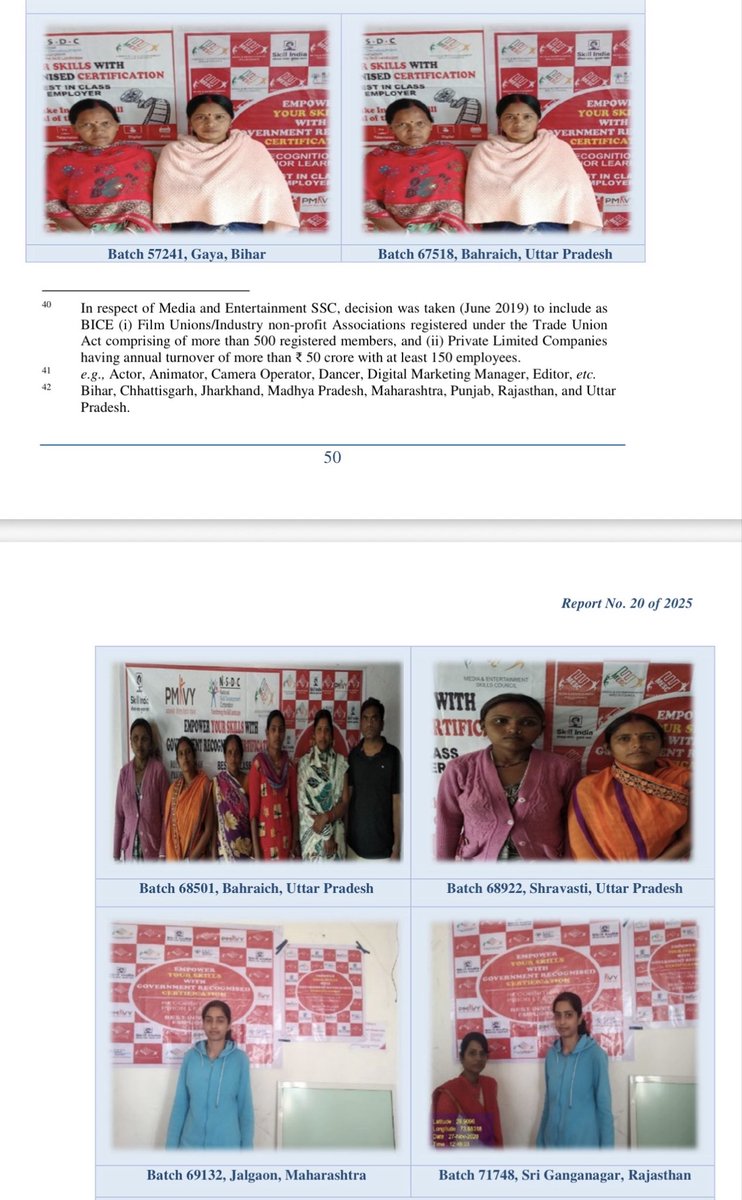
Skill India. The CAG just exposed what INR 10,194 crore of your tax money actually bought. PMKVY ran from 2015 to 2022. Three phases. INR 14,450 crore outlay. The goal was to skill 1.32 crore youth. CAG audited it. Here’s what they found. 95.90 lakh participants under PMKVY 2.0 and 3.0. For 90.66 lakh of them, that’s 94.53%, the bank account field was recorded as zero, null, N/A, or just left blank. Bank accounts were mandatory for Rs 500 DBT payments. So where did the money go? The remaining 5.24 lakh who actually had bank details? 12,122 account numbers were repeated across 52,381 people. And some of those accounts were literally “11111111111” and “123456”. Single digit entries. Text. Names. Special characters instead of account numbers. Now here’s the wild part. A company called Neelima Moving Pictures (NMP). Not even registered with the Registrar of Companies. This company certified 33,493 people across 8 states in 21 job roles between January and November 2020. When CAG went looking for NMP in October 2022, the company didn’t exist anymore. They were told it shut down during COVID. But the photos NMP submitted as training proof? Same batch photo used for Bihar’s Gaya district, UP’s Bahraich and Shravasti, Maharashtra’s Jalgaon, and Rajasthan’s Sri Ganganagar. Different states. Different batches. Same photo. Emails sent by CAG for verification? 36.51% bounced. The ones that came back? Many were sent from training partner email IDs, not the actual trainees. 2.72 lakh email addresses were null. Over 3.08 lakh were repeated. In Bihar, 3 out of 10 training centres were physically shut when inspectors showed up. The portal still showed training was happening. 34 lakh+ certified candidates have still not received their DBT payment. Overall placement rate? Just 41%. And the official PMKVY website? Try opening pmkvyofficial.org right now. It doesn’t even load. INR 10,000 crore spent to skill India’s youth. 94% didn’t even have valid bank accounts on record. Ghost companies certifying thousands with recycled photos. Centres that exist on a portal but are locked on the ground. This isn’t an allegation. This is the Comptroller and Auditor General of India’s own report. Who is accountable?
Sahil Rajput tweet media
English
176
1.9K
3.7K
181.3K
Ananth me-retweet
Hedgie
Hedgie@HedgieMarkets·
🦔 Researchers found that tire pressure monitoring systems transmit unencrypted data with unique vehicle identifiers that can be picked up from 50 meters away using a $100 device built with a Raspberry Pi. Place receivers along known routes and you can track a specific vehicle's movements without cameras. Thieves could learn delivery schedules, estimate cargo weight from pressure readings, or even spoof flat-tire warnings to force a vehicle to stop. Toyota, Renault, Hyundai, and Mercedes all use the vulnerable systems, and there's no standard for fixing it. My Take These systems have been broadcasting unencrypted unique identifiers for years. The vulnerability isn't new, the attention is. And there's no easy fix because there's no standard and millions of cars are already on the road with these sensors installed. For most people, this probably isn't the biggest privacy risk you face. Your phone is a much more effective tracking device and you carry it everywhere voluntarily. But it's another example of systems designed for function without any thought about security or privacy. Smart TVs, age verification tools, tire pressure sensors, none of them were built to spy on you, but they all can. If you're genuinely concerned about being tracked, older vehicles without TPMS are an option, though you'd also need to leave your phone at home. For everyone else, this is mostly a reminder that the infrastructure for surveillance keeps expanding into places most people never think to look. Hedgie🤗
Hedgie tweet media
English
75
646
3.4K
123.9K
Ananth me-retweet
Dabs🩸
Dabs🩸@DabsMalone·
In 1944 the U.S. War Department made a training film explaining Frequency Modulation for battlefield communications. Oscilloscopes. Hand-drawn diagrams. Pure first principles. It teaches FM clearer than most modern EE courses.
English
103
1.5K
8.4K
333.2K
Ananth
Ananth@ananth·
@canarabank website and netbanking down. 502 bad gateway.
English
1
0
0
59
Ananth me-retweet
Piyush Itankar
Piyush Itankar@_streetdogg·
Pre-Orders Open: pages.razorpay.com/pl_S5TIBZBqV4m… @HardikSeth69 has run the final checks on the board and it is ready for manufacturing. As part of that, he is accepting pre-orders and will assembly and test the boards himself before shipping to you. This is exclusive to the early batches before everything is automated and shipped straight from the factory. The interesting thing about this board is - It has no NOISE! Only - + Lattice iCE40UP5K FPGA + Flash memory + USB port (for programming) + 5 status LEDs (user programmable) + 8 Data Bit LEDs (user programmable) + 8 Switches (User Programmable) + PMOD connectors We specifically excluded the following - + No MCU (complicates programming). + Useless I/O Peripherals (adds to BOM cost and usually not used anyways). + FTDI (complicates programming, needs a driver and adds to BOM). I plan on using this board for the Hardware Design course to be included in the Library Access. We will go from designing simple circuits to deploying a simple RISC-V based SoC. We won't stop there, we will also write the Firmware for the RISC-V CPU on it and control the peripheral. All using this cute little FPGA :) Preorder here: pages.razorpay.com/pl_S5TIBZBqV4m… Also, if you are interested in joining the Library Access, use this link to get a 65% Discount: pyjamacafe.com/library
Piyush Itankar tweet media
English
1
10
59
3.7K
Ananth me-retweet
Vicharak
Vicharak@Vicharak_In·
A generation ago, students discovered the joy of creation the moment an LED blinked on a microcontroller. This Saturday, we’re inviting you to experience that same spark But with FPGAs. We’re going live to talk about Shrike-Lite, why we built it, and why we believe programmable logic shouldn’t be locked behind high prices or steep barriers. No marketing. No gatekeeping. Just real hardware, real learning, and real conversations. If you’ve ever been curious about how computers think at the logic level, Or wondered whether FPGAs are “too complex” to start with this stream is for you. 📅 This Saturday 🔴 Live Q&A + demos 🤝 Built by makers, for makers Come with questions. Leave with clarity.
Vicharak@Vicharak_In

Link:- youtube.com/live/wSpG0ss3J…

English
3
13
203
9.1K
Ananth
Ananth@ananth·
Limiting of sodium intake is stressed. Less than 2.3g of sodium per day for adults in general. Guidelines say sportspersons may take a bit more to offset for sweat losses. We can reinterpret and adapt higher limits during sweaty seasons.
English
1
0
0
23
Ananth
Ananth@ananth·
Dietary Guidelines for Americans 2025-2030 is out. Though intended for American population, the fundamental advise seem applicable to everyone.
English
1
0
0
17