@Smithwxi0 @icardo8 搜了一下,脱贫标准,除了吃穿和最低收入,至少还包含了住房保障,干净饮用水保证,基本医疗保险(城乡医保➕大病救助),还有9年义务教育。这些都落实才算一个脱贫指标。这几个能落实,真的不容易。外国人夸一下,你就着急忙慌在底下喊假的假的,怎么活成这副b样了你。
中文
可怜的小恐龙
13 posts




“动物的痛苦不被看见”,跟“女性的痛苦不被看见”,“底层韭菜的痛苦不被看见”,实际上是一个底层逻辑 小动物被虐待、被随意剥夺生命 女性被剥削免费子宫,以及免费家务和看护劳动 底层韭菜被压制廉价劳动力,随时被时代丢弃充当炮灰 ...... 一个国家是否文明,能不能在那里生活,看它如何对待弱者就行了


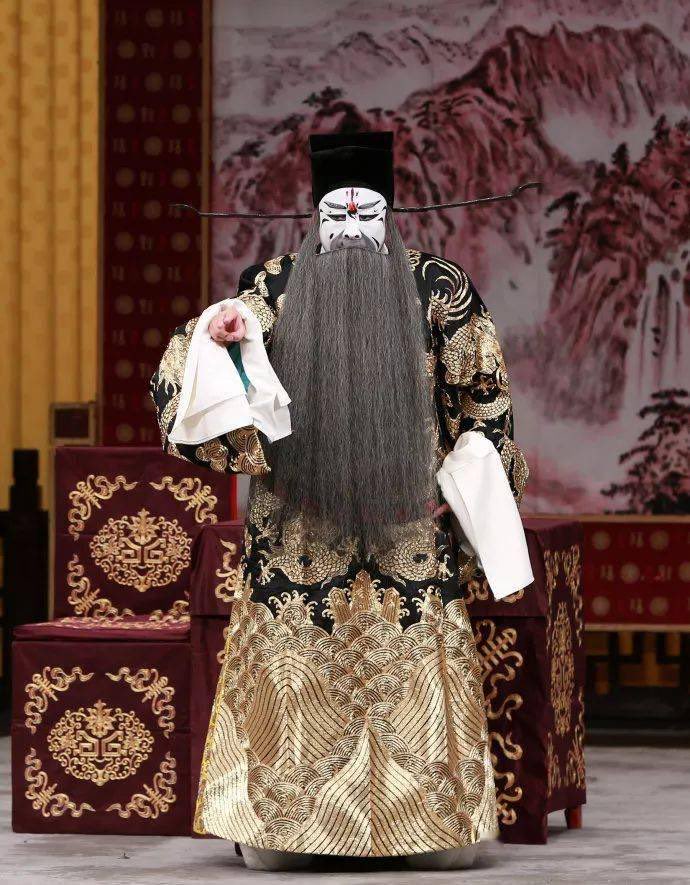
《男人留鬍子需要執政黨同意》活久見吧。中國禁止蓄鬍與儀表管制法令,就是針對維吾爾族男性的鬍鬚。中國政府實施嚴格的規範,將男人蓄鬍視為「極端主義」的象徵。自 2017 年《新疆維吾爾自治區去極端化條例》實施後,法律明確禁止「蓄留異常鬍鬚」。根據 MATA 新聞,50 歲以下的維吾爾男性基本上被要求將鬍子刮乾淨。若社區工作人員發現維吾爾人留大鬍子,會被強行刮除,並可能被要求簽署「自願刮鬍」的保證書。而且留鬍子也是入獄理由。美國政府的資料指出,「留異常鬍鬚」已被列為將維族人送入拘留營(再教育營)的十大理由之一。生活在中國新疆的維吾爾人,是講一種突厥語系的語言的民族。他們遵循主流、溫和的遜尼派伊斯蘭教義。但對中國人來說,這足以構成「精神疾病」,中國人的意識型態認為所有的宗教,包括基督教,都是落後迷信,必須加以稀釋和國有化。因此,他們甚至禁止人們留鬍子或在齋月期間封齋,還強迫他們吃豬肉和飲酒,這兩樣在伊斯蘭教中都是被禁止的。
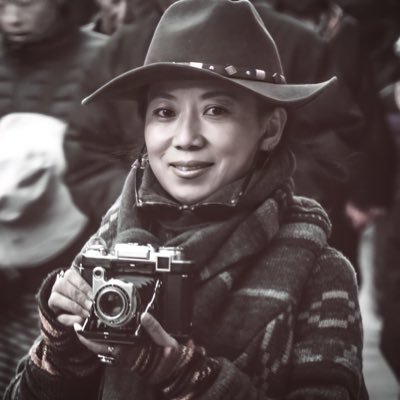
Tibetan Butter Churning Dance, a traditional folk performance that honors the daily, labor-intensive process of making yak butter, a crucial element of Tibetan life. Originating from daily household chores, the dance mimics rhythmic churning motions, symbolizing prosperity, unity, and communal joy, often performed during festivities like Losar... The dance stems from the traditional method of making yak butter using a long wooden churn, a task requiring thousands of strokes. Yak butter is not only food but also used for fuel and in butter lamps at monasteries to symbolize wisdom. Dancers in colorful attire, often in a circle, use choreographed, energetic movements to simulate the pushing and pulling of the plunger in a butter churn. It is widely performed during the Tibetan New Year (Losar) and other celebrations, representing gratitude and the preservation of culture. It represents the blending of daily survival with art, focusing on community spirit and harmony. Yak butter is essential for making traditional Tibetan Butter Tea, made from tea leaves, yak butter, water, tsampa (roasted barley flour) and salt. The history of tea in Tibet dates back to 7th Century CE, during Tang dynasty. However, butter tea did not become popular in Tibet until about 13th Century, time of the Phagmodrupa dynasty. According to legend, a Chinese princess married a king of Tibet which later helped establish trade routes between China and Tibet. These trade routes brought tea into Tibet from China. Later, butter was added to the tea that was brought from China as butter is and was a staple in Tibetan cuisine. By the 8th Century, it was common to drink tea in Tibet. In 13th Century, tea was then used in Tibetan religious ceremonies. Today, butter tea is still prevalent in Tibet, and Tibetans can drink up to 60 small cups of the tea every day. Today, this ceremonial dance based off of Tibetan tea culture. It also may speak to the lesser known Butter Tea Ceremony. While the ceremony is rarely practiced anymore it still takes place in a handful of monasteries, including one in Gomar Gompa in eastern Amdo (“Butter Tea Ceremony”). While the ceremony is not widely spread, it is still an important ritual for some Tibetans. During the ceremony, Tibetans gather in the courtyard while the tea is being prepared. Local boys often stand on the edge of roofs surrounding the courtyard and throw down bags of candy and treats, although this is not necessarily part of the ritual. Once the tea is ready, wooden buckets of butter tea are carried into the courtyard by back, each bucket holding nearly 30 liters of tea. Once the buckets are placed on the ground, individuals use ladles to distribute the butter tea to members of the community. This particular dance is so interesting because it seamlessly integrates these three practices in a modern context. The act of dancing is in itself a ritualized and sacred practice. Thus, creating a dance based on the preparation and uses of Butter Tea—a quintessential element of Tibetan culture—only further heightens the significance of tea customs by ritualizing the practice by means of dance. Drinking butter tea is a regular part of Tibetan life. Before work, a Tibetan will typically enjoy several bowlfuls of this beverage, and it is always served to guests.[citation needed] Since butter is the main ingredient, butter tea provides plenty of caloric energy and is particularly suited to high altitudes. The butter may also help prevent chapped lips. According to the Tibetan custom, butter tea is drunk in separate sips, and after each sip, the host refills the bowl to the brim. Thus, the guest never drains his bowl; it is constantly topped up. If the visitor does not wish to drink, the best thing to do is leave the tea untouched until the time comes to leave and then drain the bowl. In this way, etiquette is observed and the host will not be offended. © Discover Tibet #archaeohistories