Devansh Purohit

4.5K posts

Devansh Purohit banner
Devansh Purohit

Devansh Purohit

@devanshp_

prev: UX Foundation at @getpostman I like to (learn, design, build, travel, quiz, hike, run, eat, play pokemon, listen DHH, watch thrillers, sleep)

Vadodara / Bangalore Bergabung Ocak 2016
921 Mengikuti372 Pengikut
Tweet Disematkan
Devansh Purohit
Devansh Purohit@devanshp_·
Happy Mother's Day to all the Mothers. Made this set of conversations about memorable moments with Mom. Do share with your Mom if you relate them/like them. PS: lookout for special hastag in each slide 😁 1/n
Devansh Purohit tweet media
English
2
5
29
0
Marko Ilic
Marko Ilic@markoilico·
If you're now designing or redesigning a website, this will help you a lot. I recently curated the best hero sections, footers, social proof and other website parts because I got tired of having 15+ tabs open (even with Mobbin). Giving it away 100% free. Comment on this post, and I'll send a Figma link to your inbox!
GIF
English
4.9K
218
5.2K
406.1K
Devansh Purohit me-retweet
Malavika
Malavika@viksmals·
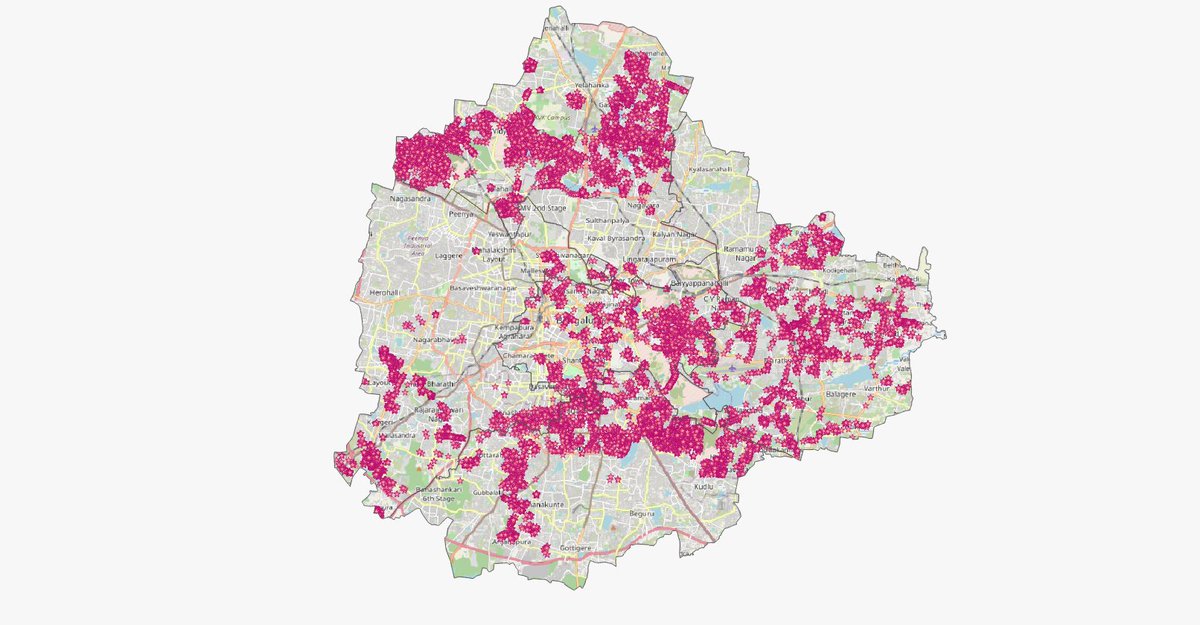
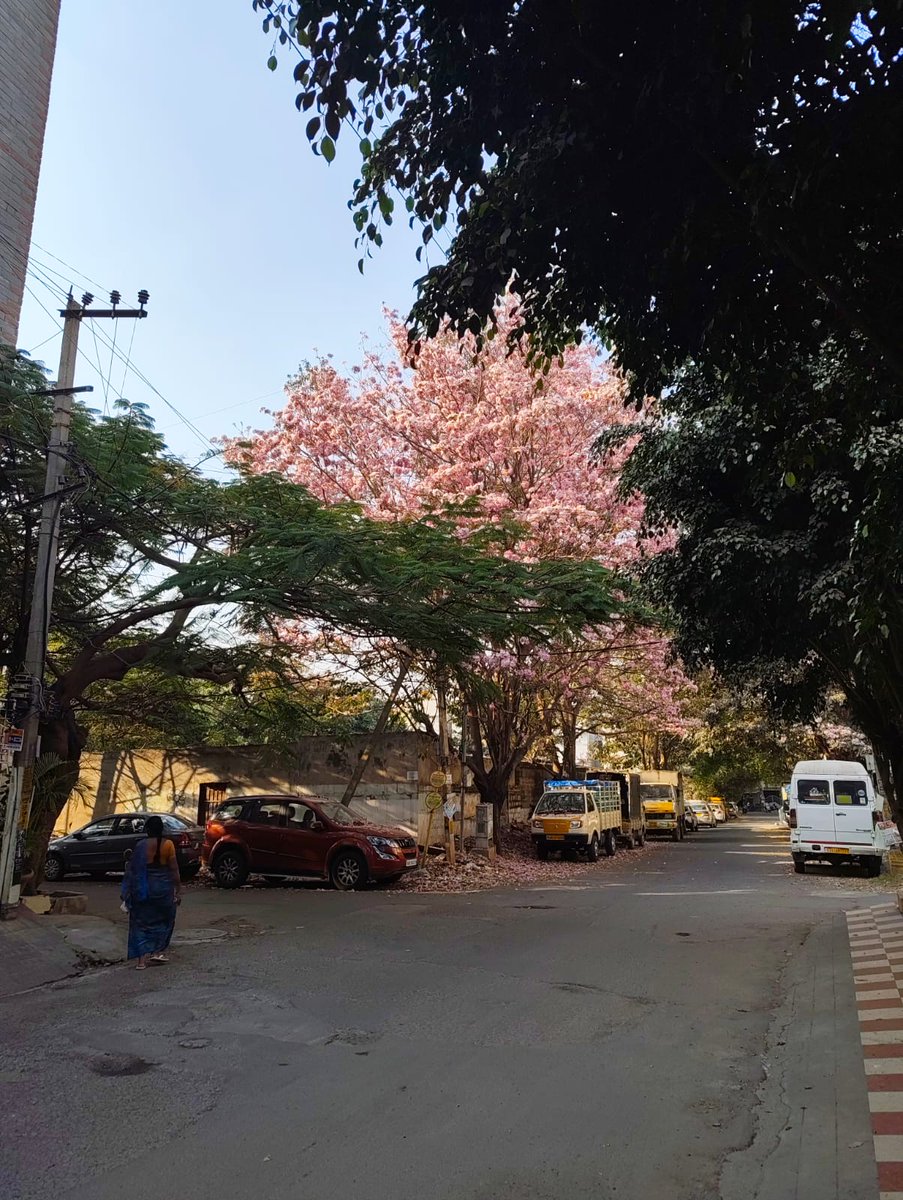
As a big fan of the pink flower blooms in Bengaluru, I try to click pictures of these trees wherever I spot them. In that journey, I got curious and did a little research and plotted it on a map. There are around 27k tabebuia rosea trees in Bangalore currently.
Malavika tweet mediaMalavika tweet mediaMalavika tweet media
English
79
350
3.2K
147.2K
Devansh Purohit me-retweet
Arrohh
Arrohh@TheArrohh·
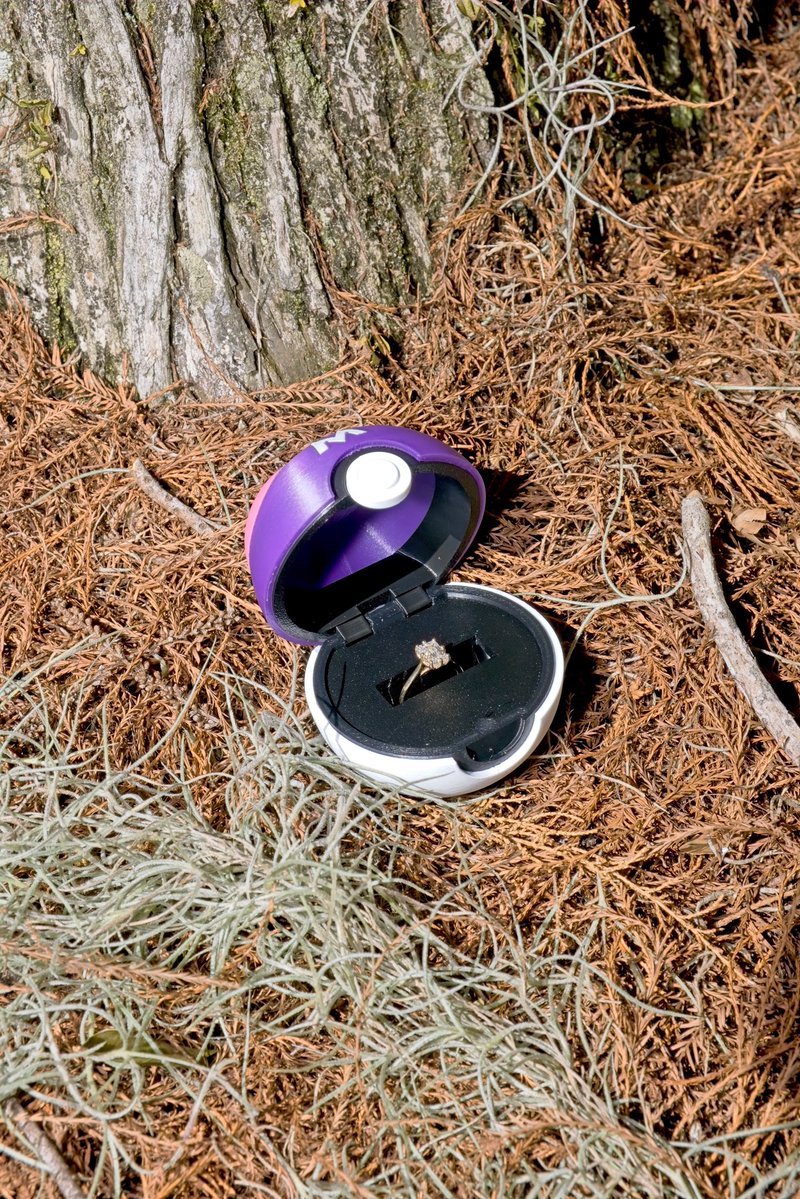
I used my one master ball!
Arrohh tweet mediaArrohh tweet media
English
189
550
10.3K
358.1K
Devansh Purohit me-retweet
ポケモンセンター公式
ポケモンセンター公式@pokemoncenterPR·
#ポケモンセンターオンライン10周年 キャンペーン開催チュウ! リポストキャンペーン第1弾は、抽選で100名様に「キャンバスボード」をプレゼント! (1)@pokemoncenterPR をフォロー (2)このポストをRPして応募 応募は2月23日(月・祝)23時59分まで! pokemoncenter-online.com/feature/10th_a…
ポケモンセンター公式 tweet media
日本語
661
39.1K
15.7K
2M
Devansh Purohit me-retweet
Addy Osmani
Addy Osmani@addyosmani·
Boris created Claude Code. His point here is important - when AI handles the code generation, the engineer's value shifts to the decisions above the code: 1. what do we build? 2. why? for whom? 3. and how it all fits together. The bottleneck was always judgment, taste, and systems thinking. AI just made that more obvious.
Boris Cherny@bcherny

@big_duca Someone has to prompt the Claudes, talk to customers, coordinate with other teams, decide what to build next. Engineering is changing and great engineers are more important than ever.
English
105
157
1.5K
169.9K
Devansh Purohit me-retweet
Rothmus 🏴
Rothmus 🏴@Rothmus·
Rothmus 🏴 tweet media
ZXX
33
583
10.9K
98.6K
Devansh Purohit me-retweet
pH
pH@pHequals7·
canva is setting the standards for a seamless software purchase experience for india sachetization of saas with UPI
pH tweet media
English
15
25
812
26K
Ravi Ojha
Ravi Ojha@raviojhax·
Teaching my kiddo animal names and I just realised for some animals I know their pokemon name, not the real name Kya parenting chal rahi meri
English
1
0
4
84
Devansh Purohit me-retweet
Surbhi Jain
Surbhi Jain@surbhiskjain·
My parents spend 2–3 hours every day in the temple. For years, I argued with them about their faith, their rituals, and the traditions they followed so deeply. I never understood why. Then, slowly, something shifted. I stopped arguing and started watching. Their faith keeps them grounded and calm. It gives their days a center, a rhythm, and a quiet sense of purpose. They have a community and a belief system that holds them steady, especially when life feels heavy. In tough times, they place all their worries in God’s (or karma’s) hands and come back lighter and calmer. I find myself wishing I could do that as I carry everything. And I'm exhausted by it. When good things happen, they're grateful. Not proud. They never believe good things happen only because of them. That humility. That constant gratitude. I don't have it. I take credit when things go well and blame myself when they don't. Here's what really got me: My parents have been living the same routine for 35 years. Same rhythm, same days, same life. I can't do the same thing for 35 days without feeling restless. We often feel an existential crisis, questioning meaning, direction, and purpose. I never see them struggle with that. They look content. They wake up with purpose baked in. Community built in. A place to put their weight when it gets too heavy. I used to think they were trapped in tradition. Now I wonder if I'm trapped in endless becoming. They found something to rest inside. I'm still looking. Not saying religion is the answer. But they solved something I'm still trying to figure out: How to carry life without carrying all of it yourself. How to be content without labeling it complacency. How to arrive, instead of always optimizing for the next thing.
Surbhi Jain tweet media
English
70
157
1.5K
130.1K
Devansh Purohit me-retweet
Respectful Memes
Respectful Memes@RespectfulMemes·
Respectful Memes tweet media
ZXX
12
389
11K
106.6K
Devansh Purohit me-retweet
Deepinder Goyal
Deepinder Goyal@deepigoyal·
Last one on this topic, and I have been holding this in myself for a while. For centuries, class divides kept the labor of the poor invisible to the rich. Factory workers toiled behind walls, farmers in distant fields, domestic help in backrooms. The wealthy consumed the fruits of that labor without ever seeing the faces or the fatigue behind it. No direct encounter, no personal guilt. The gig economy shattered that invisibility, at unprecedented scale. Suddenly, the poor aren't hidden away. They're at your doorstep: the delivery partner handing over your ₹1000+ biryani, late-night groceries, or quick-commerce essentials. You see them in the rain, heat, traffic, often on borrowed bikes, working 8–10 hours for earnings that give them sustenance. You see their exhaustion, their polite smile masking frustration with life in general. This is the first time in history at this scale that the working class and consuming class interact face-to-face, transaction after transaction. And that discomfort with our own selves is why we are uncomfortable about the gig economy. We want these people to look our part, so that the guilt we feel while taking orders from them feels less. We aren't just debating economics. We are confronting guilt. That ₹800 order might equal their entire day's earnings after fuel, bike rent, and app cuts. We tip awkwardly, or avoid eye contact, because the inequality is no longer abstract. It's personal. Pre-gig era, the rich could enjoy luxury without moral discomfort. Labor was out of sight. Now, every doorbell ring is a reminder of systemic inequality. That's why debates explode. It's not just policy. It's emotional reckoning. Some defend the system (“they choose it”), others demand change (“this isn't progress, its exploitation”). And here’s the uncomfortable twist: the unsaid ask of clumsy ‘solutions’ isn’t dignity. It is about returning to invisibility. Ban gig work and you don’t solve inequality. You remove livelihoods. These jobs don’t magically reappear as formal, protected employment the next day. They disappear, or they get pushed back into the informal economy where there are even fewer protections and even less accountability. Over-regulate it until the model breaks, and you achieve the same outcome through paperwork instead of slogans: the work evaporates, prices rise, demand collapses, and the people we claim to protect are the first to lose income. And then what happens? The rich get their old comfort back. Convenience returns without faces. Guilt dissolves. We go back to clean abstractions and moral posturing from a distance. The poor don’t become safer, they become invisible again: back in cash economies, back in backrooms, back in shadows where regulation rarely reaches and dignity isn’t even debated. The gig economy just exposed the reality of inequality to the people who previously had the luxury of not seeing it. The doorbell is not the problem. The question is what we do after opening the door. Visibility is the price of progress. We can either use this discomfort to build something better (which we keep doing continuously as delivery partners are our backbone), or we can ban and over-regulate our way back into ignorance. One of those choices improves lives. The other simply helps the consuming class feel virtuous in the dark.
English
2K
5.2K
25.5K
3.7M
Devansh Purohit me-retweet
AB
AB@ajit_bhaskar·
2025 has been a wonderful year, food wise. Really fortunate to have gotten to travel and meet some wonderful people! Here are some things/places I tried *for the first time* 1. Avarebele parshe, Basavanagudi, with @rachita_rm Loved the avarebele ice cream!
AB tweet media
English
2
2
25
2.2K
Devansh Purohit me-retweet
ari 🦄✨
ari 🦄✨@itsnotme_ari·
this was literally them
ari 🦄✨ tweet media
English
156
9.1K
148.9K
2.6M