Hala Ghanem (حلا)

9.8K posts

Hala Ghanem (حلا) banner
Hala Ghanem (حلا)

Hala Ghanem (حلا)

@halaghanemak

Architect & Spatial Planner Ph.D.| alumni@landscapesheff tweeting #migration #urban_refugees #public_space #care #post_conflict_cities#PAR

Amman, Jordan Bergabung Mart 2012
2.5K Mengikuti1.1K Pengikut
Hala Ghanem (حلا) me-retweet
Taghrid Al-Mawed تغريد الموعد
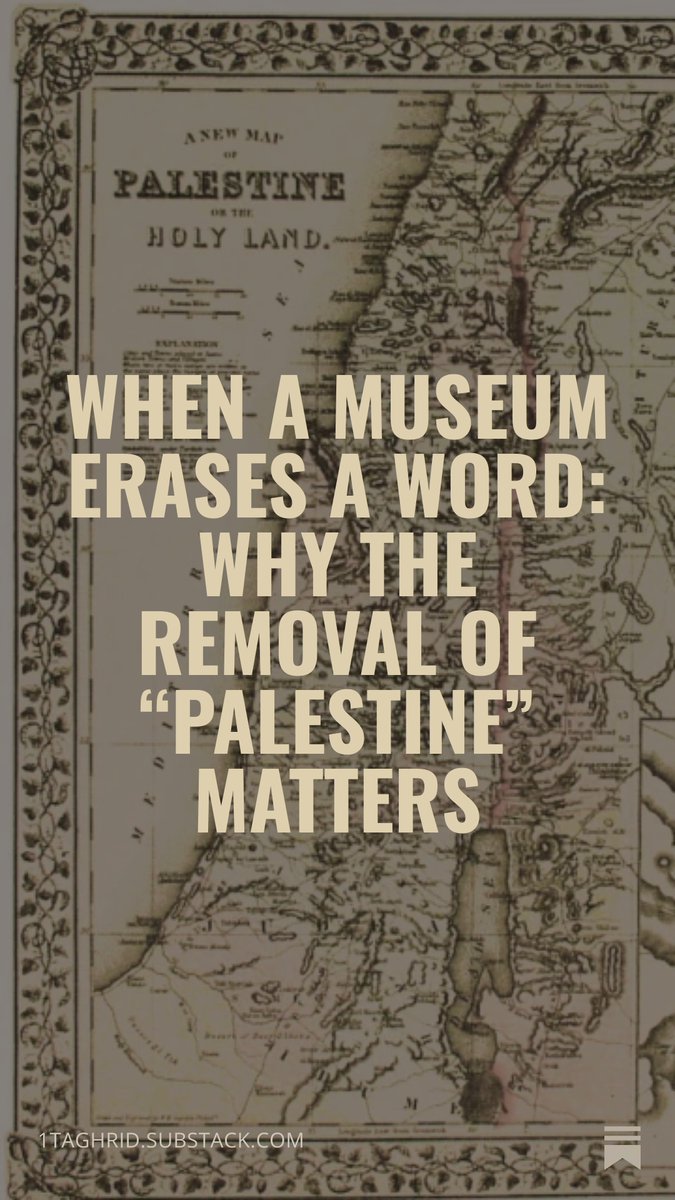
The British Museum has removed the word “Palestine” from its Ancient Middle East displays — despite the term appearing in Herodotus, Roman records, medieval maps, Ottoman sources, and even Shakespeare. Erasing a word erases a people. I’ve written about why this matters, and what we can do next. 👇 open.substack.com/pub/1taghrid/p… #HistoryIncludesPalestine @21WIRE @AsaWinstanley @s_m_marandi @alon_mizrahi @FranceskAlbs @guychristensen_
Taghrid Al-Mawed تغريد الموعد tweet media
English
498
9.1K
15.9K
269.9K
nadine khayat
nadine khayat@nadinekhayat·
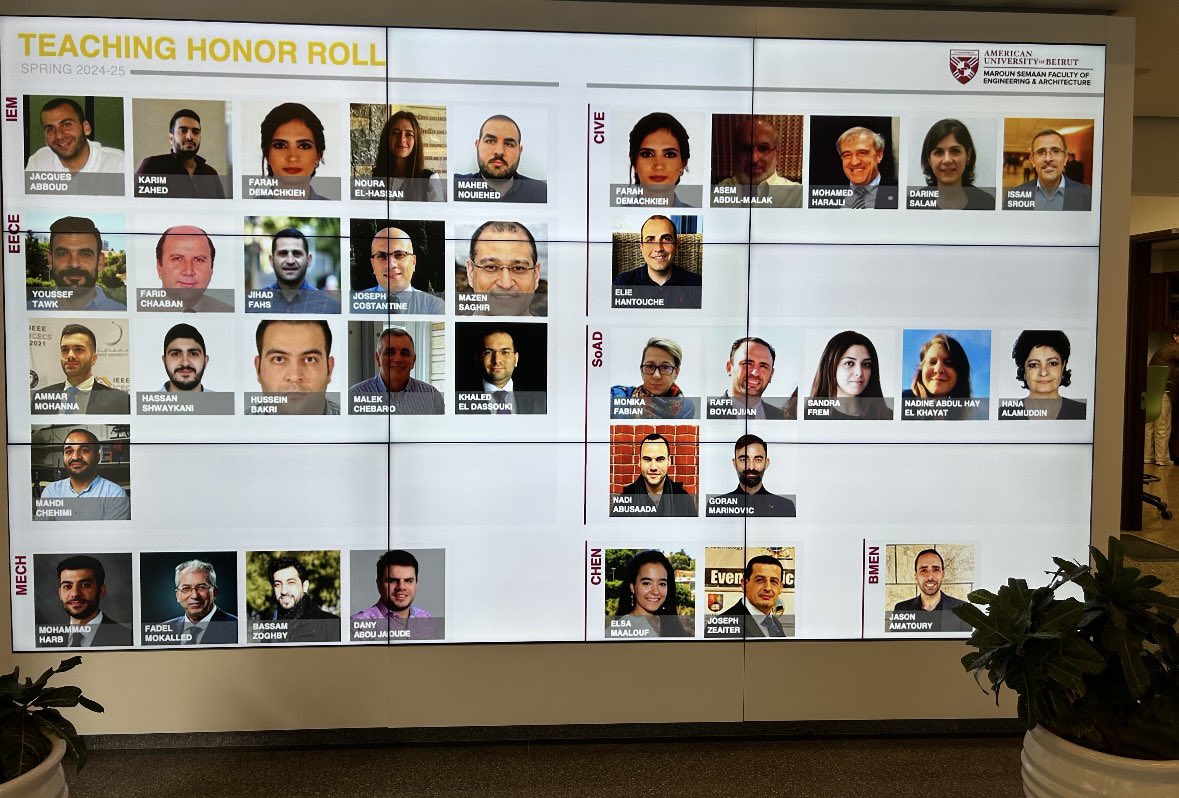
Grateful to have been named to the MSFEA Spring 2025 Teaching Honor Roll, following review of ICE evaluations and SOAD school selection. Appreciate the continued commitment to teaching and learning excellence!. @MSFEA_AUB
nadine khayat tweet media
English
3
1
10
541
Hala Ghanem (حلا) me-retweet
Tanzil Shafique
Tanzil Shafique@TanzilShafique·
Towards a Philosophy of Prompting Otherwise Gen AI has slipped quickly into the fabric of everyday life. It is no longer an exotic tool reserved for the technologically inclined; it has become ordinary, habitual, almost invisible. Each of us is now a prompter, shaping sentences, gestures, or fragments that conjure responses from a vast reservoir of accumulated data. But this ordinariness should not obscure the radical shift underway: we are learning a new craft, the craft of prompting. The question is not merely whether using AI is right or wrong, ethical or unethical. The more urgent question lies in the architecture of prompting itself. What are the conditions that shape the prompts we give, and the responses we receive? At what point does prompting become genuinely imaginative, opening us toward the otherwise, and at what point does it collapse into circularity, looping endlessly within the confines of what is already known? Circularity is the first danger. We are trained to think of efficiency, correctness, precision. Ask clearly, receive clearly. Yet this logic breeds repetition. The model learns from past data; our prompts are shaped by the very outputs we have already seen. What emerges is a cycle of familiarity, where answers echo answers, and the architecture of possibility narrows. An over-reliance on logic—on the belief that the right combination of instructions will produce the right kind of novelty—can only deliver more of the same. Logic enforces boundaries, trims excess, polishes deviation into coherence. What it does not do is allow imagination to breathe. The risk, then, is not that AI will mislead us with falsehoods, but that it will lull us into comfort with endlessly circulating truths, slightly reworded, endlessly revalidated. Precision breeds conformity. Repetition breeds comfort. Comfort suffocates imagination. Confirmation bias thrives here. The more material we produce, the more we mistake abundance for depth. Vast archives accumulate, but they echo more than they expand. The proliferation of data centres, humming with energy, does not guarantee the proliferation of meaning. Instead, we drown in similarities, where the sheer quantity of output disguises the poverty of invention. More is not more. It is only louder sameness. To resist circularity, prompting must shift from command to guidance. A command assumes that language is a lever: push in the right direction, and the machine obeys. Guidance, however, is more subtle. It understands that what matters is not precision alone but orientation—how a question leans, how it gestures beyond itself, how it opens pathways rather than closes them. A prompt should not be a demand for the already-known. It should be an invitation to wander. To prompt otherwise is to craft openings rather than closures, to leave room for slippage, detours, accidents. This is less about mastery of the tool and more about humility before its unpredictability. The best prompts are not those that secure an answer, but those that stage the conditions for surprise. The good prompt is not a key. It is a crack. One way to think of this is through the difference between a seed and a blueprint. A blueprint dictates form in advance; it eliminates uncertainty by prescribing outcome. A seed, by contrast, carries potential without certainty. It must be placed, nurtured, allowed to interact with soil, water, light. It will become, but it cannot be forced into exactness. So too with prompting. To prompt as though one is holding a blueprint is to expect the machine to render back the world we already imagine. To prompt as though one is planting a seed is to relinquish control, to invite the unforeseen. The point is not to extract exactly what we want, but to create conditions where something unexpected might grow. Blueprints reproduce the known. Seeds invite the otherwise. Generative AI dazzles with abundance, but this abundance does not guarantee depth. In fact, it risks the opposite: depth is flattened under the weight of endless outputs. The role of the prompter is to resist abundance as a measure of success. The true measure is not how much is produced, but how differently it allows us to think, imagine, or act. A single deviation is worth more than a thousand confirmations. To prompt otherwise is to insist that imagination must not be suffocated by circularity. It is to treat the act of prompting as a philosophical practice—an orientation toward the possible. This does not mean abandoning logic altogether, but refusing to let logic become the sole architecture of our interaction. It means cultivating cracks in the system, spaces where the unexpected can enter. Other worlds cannot be summoned by asking for more of the same. They require deviations, missteps, failures, and improvisations. They require us to prompt not for perfection, but for possibility. This is the challenge of our time: not simply to learn how to use AI efficiently, but to learn how to ask in ways that bend its logic, stretch its patterns, and gesture toward the otherwise. We stand at the beginning of an era where prompting is as fundamental as writing once was. But if we confine it to the logic of efficiency and precision, it will remain trapped within circularity. To practice prompting otherwise is to take up the art of asking differently, refusing the comfort of repetition, and orienting ourselves toward the emergence of other worlds. The task is not to prompt well. The task is to prompt otherwise.
English
0
1
1
234
Hala Ghanem (حلا) me-retweet
Warfare Analysis
Warfare Analysis@warfareanalysis·
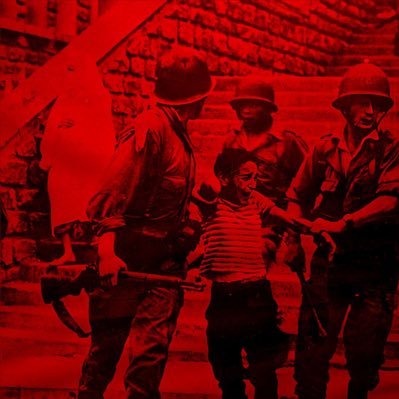
📍Gaza
Warfare Analysis tweet media
Euskara
28
693
1.4K
34.9K
Hala Ghanem (حلا)
Hala Ghanem (حلا)@halaghanemak·
ندعو الباحثين المهتمين بالشباب والفضاء في المنطقة للمشاركة في مؤتمر: "جيل بعد جيل: الشباب والفضاء وأبحاث جديدة ". 📍 عمّان 🔗 drive.google.com/file/d/18Dh-2w… 📩 شارك أو مرّر الدعوة لمن يهمه الأمر!
العربية
0
0
0
58
Hala Ghanem (حلا) me-retweet
mohammed hussein~Gaza 🇵🇸
mohammed hussein~Gaza 🇵🇸@mohammedIhysse·
My neighbor in the tent next to ours, Um Hussam, told me this morning: “Hussam went out to get flour... and when he brings a bag, I’ll give you 3 kilos for your children.” I smiled and thanked her, not knowing that this smile would soon turn into a tear. Since the morning… Hussam never returned. And by evening, the news arrived: Hussam is at Al-Shifa Hospital… martyred. What kind of night is this for Um Hussam? A night where she loses her eldest son — her pillar — who went out to feed his mother, his bedridden father, and his little sisters in the tent… and came back lifeless, carried on shoulders.
English
186
1.2K
2.1K
40.1K
Hala Ghanem (حلا)
Hala Ghanem (حلا)@halaghanemak·
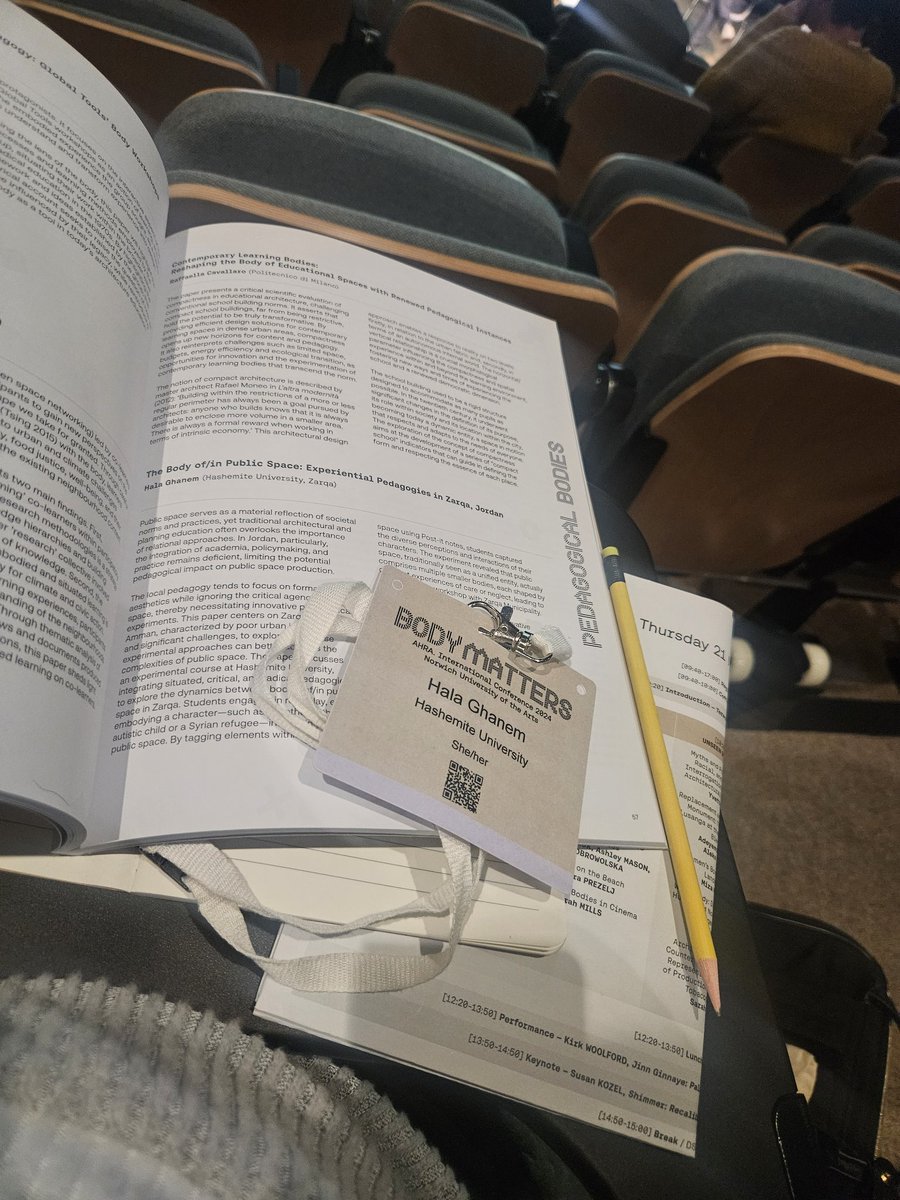
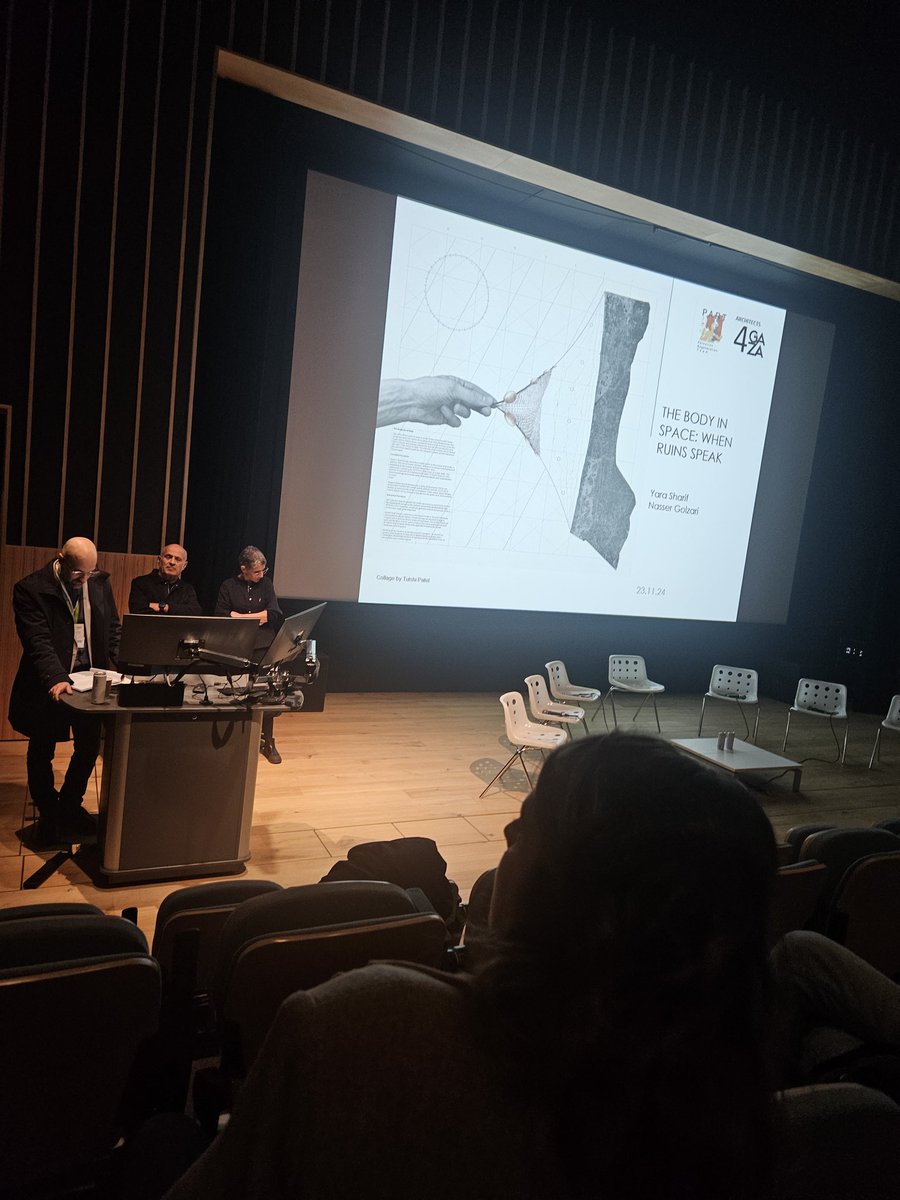
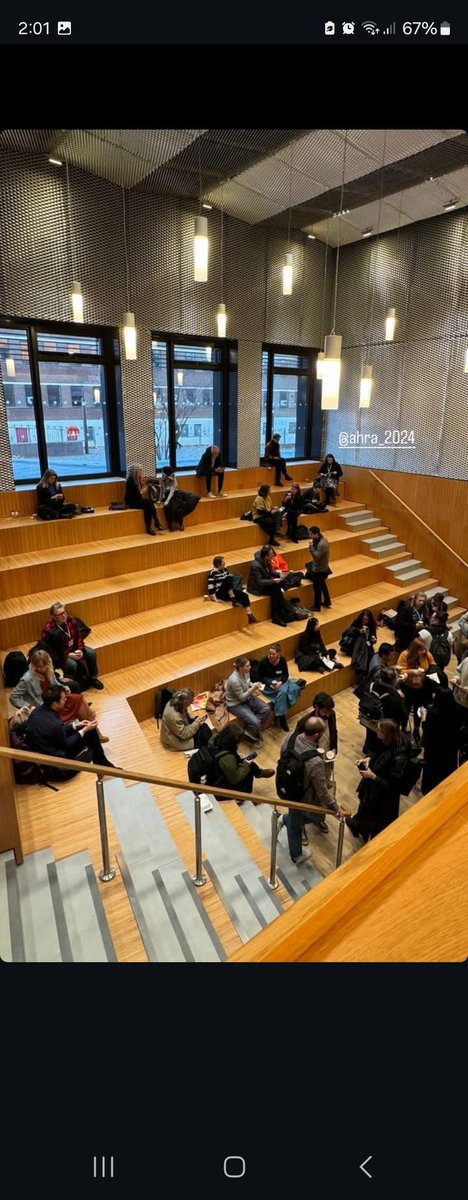
Leaving Norwich today after 3 days at the @AHRA 2024 Conference hosted by @NorwichUniArts, it was an inspiring event with great panels and keynote speeches.
Hala Ghanem (حلا) tweet media
Hala Ghanem (حلا) tweet mediaHala Ghanem (حلا) tweet media
East, England 🇬🇧 English
0
0
3
443
Hala Ghanem (حلا) me-retweet
Maya Mikdashi
Maya Mikdashi@mayamikdashi·
Israel has bombed the main Lebanese University campus. LU is the public university in Lebanon, the largest university in the country, and provides affordable higher education. But most importantly, like all universities in Gaza, it is a legitimate target of Israeli destruction
English
1
2.8K
4.1K
192.5K
Hala Ghanem (حلا) me-retweet
Motasem A Dalloul
Motasem A Dalloul@AbujomaaGaza·
A mother from #Jabalia says: “They took all the children from their mothers and put them inside what resembled a pit or a hole. The tank came to circle around them repeatedly until their bones cracked under the pressure of dust and sand, amidst the screams of children and the wailing of mothers. “After that, the soldiers came and started throwing the children towards the mothers, and whoever caught a child was ordered to carry him and move away quickly, with no guarantee that the child would be their own. “Many mothers carried children who were not their own, and were forced to leave with them, leaving their own children in the hands of other mothers. This marked the beginning of a new chapter of suffering, with mothers searching for their children in the arms of other women, trying to calm the children they held until they found their real mothers.“
English
1.7K
19.8K
28.5K
1.5M
Hala Ghanem (حلا) me-retweet
Rayane Moussallem
Rayane Moussallem@RioMoussallem·
Israel is carpet bombing Tyre. I don’t think people unfamiliar with this city understand what does this mean. Tyre is over 4,700 year-old & one of the oldest continuously inhabited cities in the world. It is included as a whole in the UNESCO World Heritage. My heart is aching😭
Rami Rizk@rami_rizk

The soul of #Tyre can’t be shattered by bombs 💔 The city is now under heavy bombing!! #Lebanon

English
19
23.6K
52.4K
1.5M
Hala Ghanem (حلا) me-retweet
Francesca Albanese, UN Special Rapporteur oPt
"Journalists must be protected in war, especially Palestinians". Why? Because Palestinian journalists are the only ones who could report from within Gaza (no one else was allowed in); and because they have been deliberately targeted, often by drones.
Rafael Shimunov 🍉 🕎@rafaelshimunov

You know you’ve lost almost everyone when even Fox News broadcasts a call against Israel systematically murdering Palestinian journalists.

English
216
4K
7.8K
181.7K
nadine khayat
nadine khayat@nadinekhayat·
My partner was in Basta when the bombing happened, I couldn’t reach him for 15 min after the bombing. May no one experience this الرحمة على الشهداء.
Lebanon 🇱🇧 Català
14
13
158
13.1K
Hala Ghanem (حلا) me-retweet
nadine khayat
nadine khayat@nadinekhayat·
nadine khayat tweet medianadine khayat tweet media
Lebanon 🇱🇧 ZXX
0
1
0
189
Hala Ghanem (حلا) me-retweet
nadine khayat
nadine khayat@nadinekhayat·
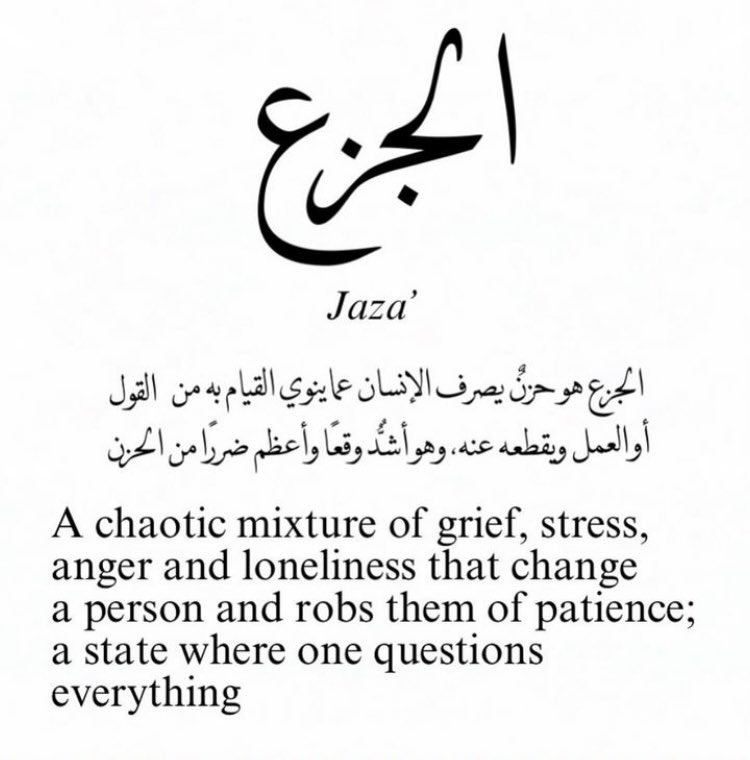
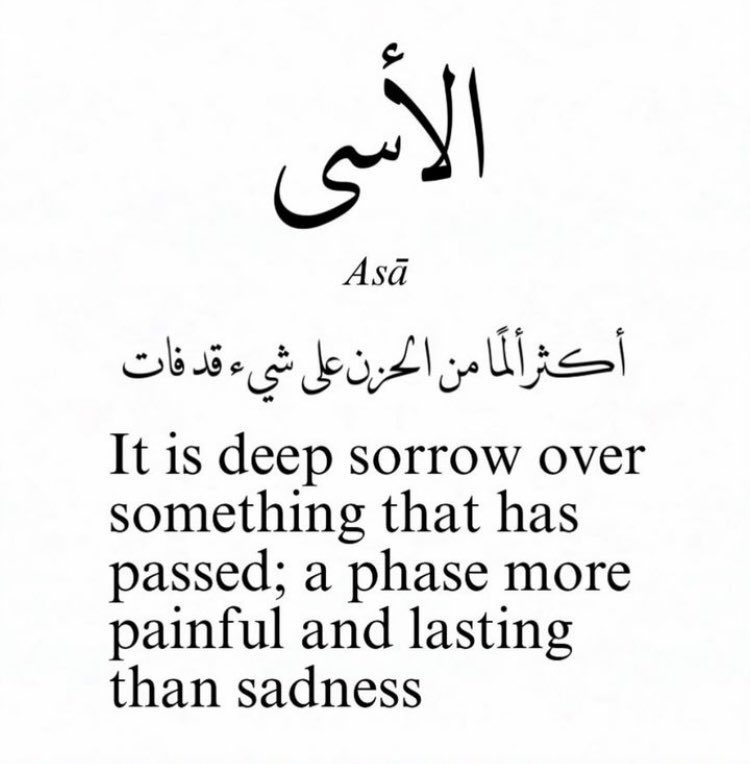
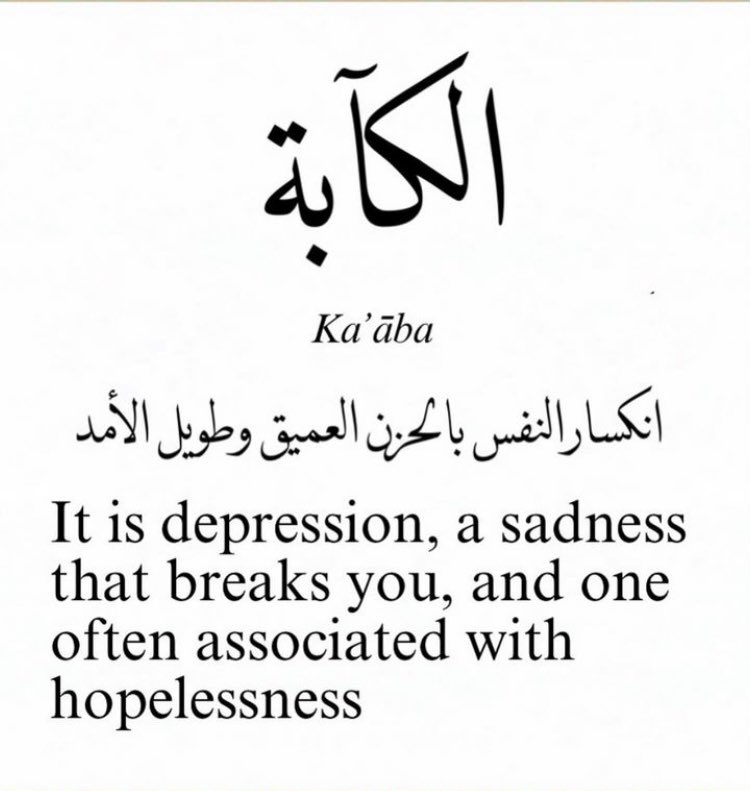
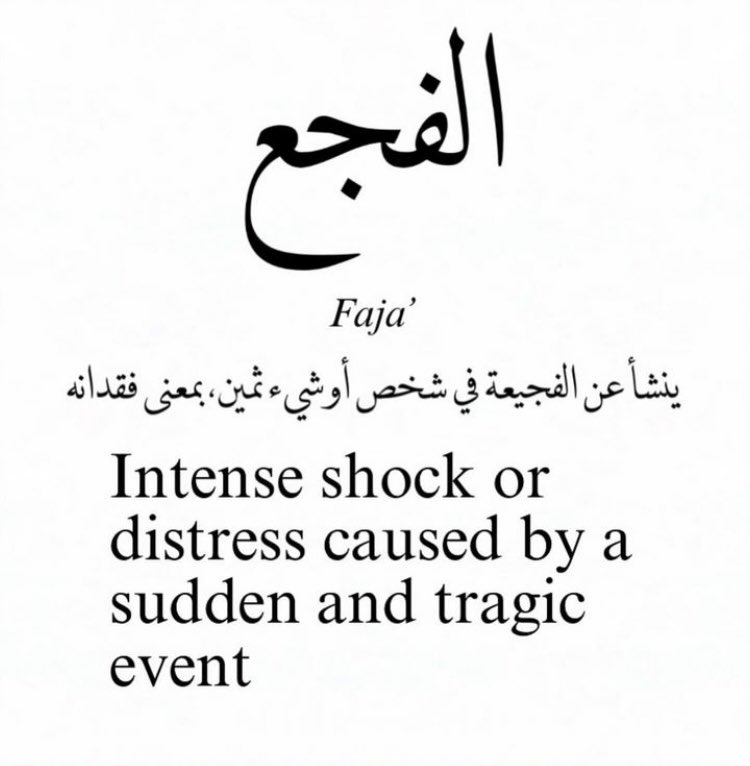
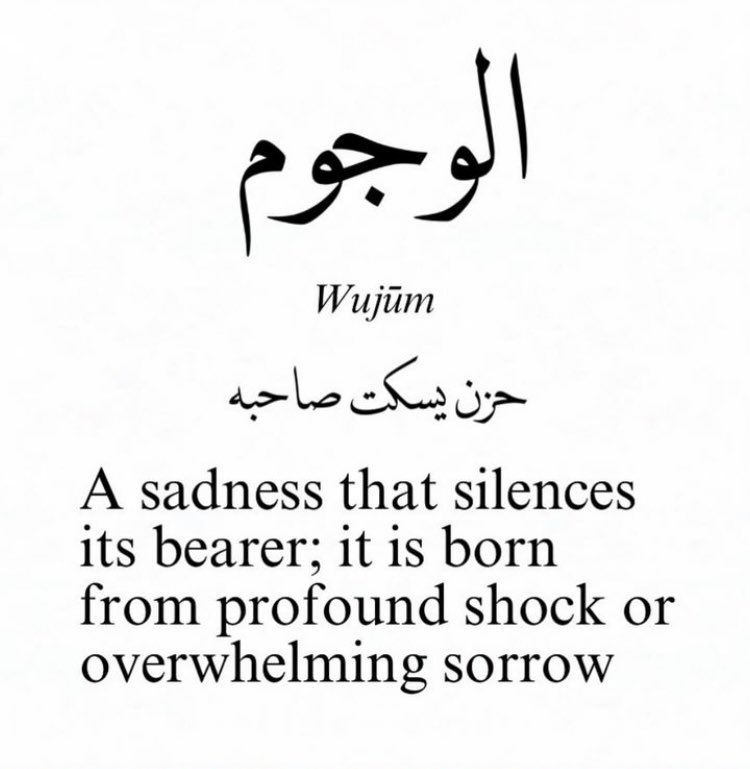
Arabic is an extensive emotional lexicon. This allows us to describe feelings with great nuance. This richness reflects the cultural value placed on expressing emotions in social contexts. Here are a few about sadness.
nadine khayat tweet medianadine khayat tweet medianadine khayat tweet medianadine khayat tweet media
Lebanon 🇱🇧 English
1
1
2
290
Hala Ghanem (حلا) me-retweet
Mel
Mel@Villgecrazylady·
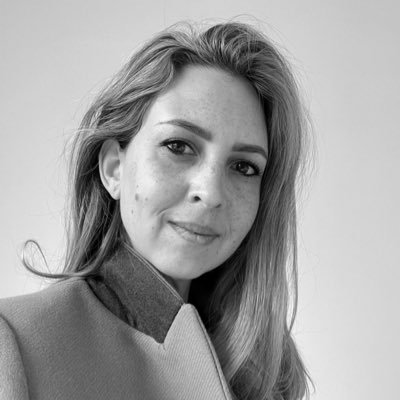
“We must always defend the only Democracy in the Middle East” This is Entisar Hijaze, she’s a 23 year old teacher from Nazareth. Late last night Entisar’s home was raided and she was blindfolded, handcuffed and arrested for the grave crime of sharing a TikTok memory.
Mel tweet media
English
718
15.3K
49.5K
2.6M
Hala Ghanem (حلا) me-retweet
Hassan Hamad
Hassan Hamad@Hassan_hamad77·
With deep sorrow and pain, I mourn the journalist Hassan Hamad. I testify before God that you fulfilled your duty. Hassan Hamad, the journalist who did not live past the age of 20, resisted for a full year in his own way. He resisted by staying away from his family so they wouldn’t be targeted. He resisted when he struggled to find an internet signal, sitting for an hour or two on the rooftop just to send the videos that reach you in seconds. Yesterday, from 10 PM, he moved between the bombed locations and then returned to search for an internet signal, only to go back and cover the scenes of the scattered remains. He endured the pain of an injury to his leg, yet continued filming. At 6 AM, he called me to send his last video. After a call that didn’t last more than a few seconds, he said, “There they are, there they are, it’s done,” and hung up. It’s a feeling no human can bear. Hassan also resisted the occupation, leaving behind a mark and a message that we will carry on after him. We belong to God, and to Him we shall return.
English
459
13.4K
35.7K
1.3M