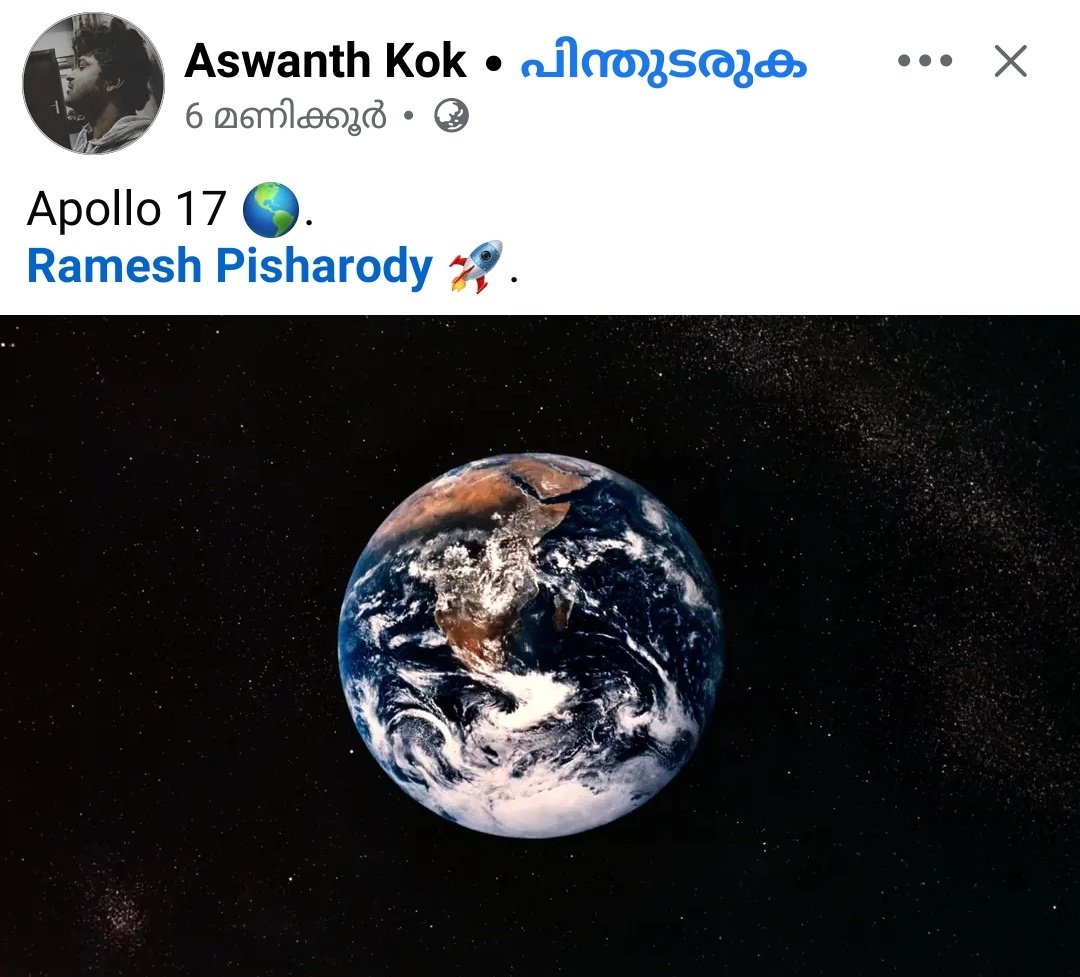
@marlboroadvv How do martin scorsese know reality of India. Did he live here
English
Freedom
3.6K posts


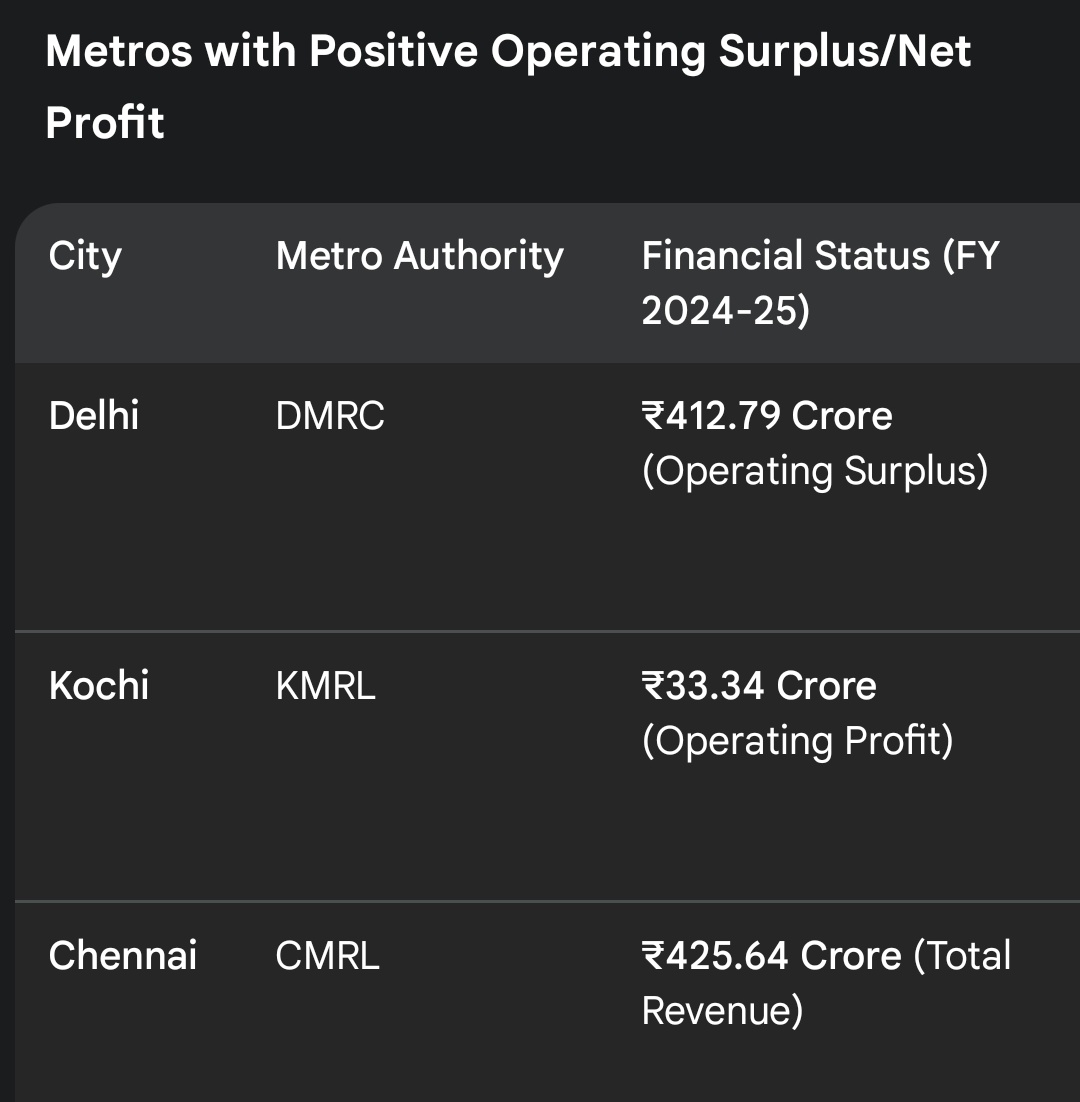
@RishiJoeSanu Relative? Kochi metro posted a profit of 33 cr in 24/25

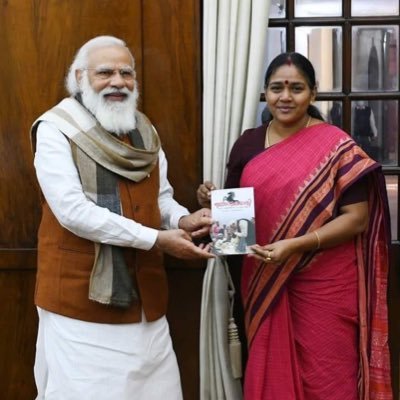


'BJP is blocking UDF from a landslide. How did Hindutva gain ground in Kerala?' Anand Kochukudy @TheKochukudy, Kerala-based journalist and columnist, writes #ThePrintOpinion #KeralaKonnect theprint.in/opinion/kerala…



🚨VIRAL | During her election campaign in Kerala, singer Maithili Thakur sings in the local language




See how celebrities and models fool everyone in cold drink advertisements


"Water in LPG cylinder." 🔥😡 Corruption is at such a high level that gas agency managers are supplying water-filled cylinders to people. The government is still inactive and doing nothing against this loot.

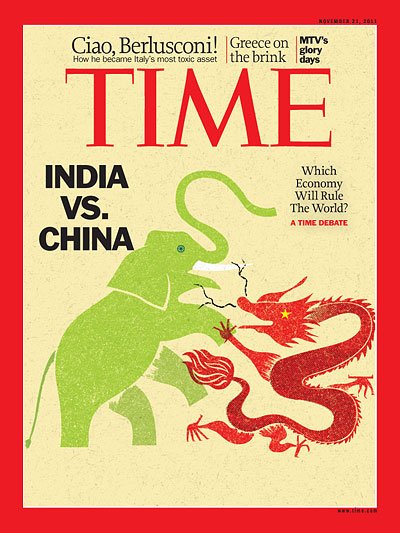


In 1960, the economic starting line for India and Pakistan was nearly identical. India’s per capita income was $84.93, and Pakistan’s was $82.02. For the next thirty years, the two nations remained within striking distance of each other. However, the data for 2025, where India stands at $2,818 and Pakistan at $1,707, demonstrates the story of "The Great Decoupling." It is a chronicle of how one nation eventually broke the shackles of a stagnant socialist past to embrace its civilizational potential. At the same time, the other became trapped in a cycle of radicalization, feudalism, and foreign debt. 1. 1960–1980: The Illusion of the "Golden Decade" Early data shows Pakistan often leading India (e.g., 1970: Pakistan $166 vs. India $114). This wasn't due to superior Pakistani productivity, but rather "Borrowed Growth." Pakistan aligned itself as a Cold War client state, receiving massive infusions of Western aid and military hardware. This created an artificial middle class without a deep industrial base. Meanwhile, India was held back by the "License Raj," a byproduct of Nehruvian socialism that viewed profit as a vice and entrepreneurs with suspicion. This "Hindu Rate of Growth" (which was actually a Socialist Rate of Growth) suppressed India’s natural mercantile spirit for decades.