Sé:gbɛ:gnön🍀

6K posts

Sé:gbɛ:gnön🍀 banner
Sé:gbɛ:gnön🍀

Sé:gbɛ:gnön🍀

@KZankeli

¬https://t.co/Orfri5qiYR ¬https://t.co/XtwS80FlXQ ¬https://t.co/cZw3oXaTZ9
参加日 Temmuz 2019
1.2K フォロー中2.1K フォロワー
固定されたツイート
Sé:gbɛ:gnön🍀
Sé:gbɛ:gnön🍀@KZankeli·
you who fashion our rugged lives to suit you. your grace is in style. always in vogue. ¬kantamanto nyame.
English
1
4
23
10.6K
Sé:gbɛ:gnön🍀 がリツイート
Goshawk Trades
Goshawk Trades@GoshawkTrades·
Nassim Nicholas Taleb: "you should study risk taking, not risk management"
English
22
553
4.1K
141.7K
Mawunanunyam
Mawunanunyam@i_am_nunya·
You can sniff a foolish case from a mile away
Mawunanunyam tweet media
English
96
52
409
62.6K
Sé:gbɛ:gnön🍀
Sé:gbɛ:gnön🍀@KZankeli·
🎶ohye atar gyan, ebo taylor. good heavens! the horns! the horns!
English
0
0
0
190
Sé:gbɛ:gnön🍀
Sé:gbɛ:gnön🍀@KZankeli·
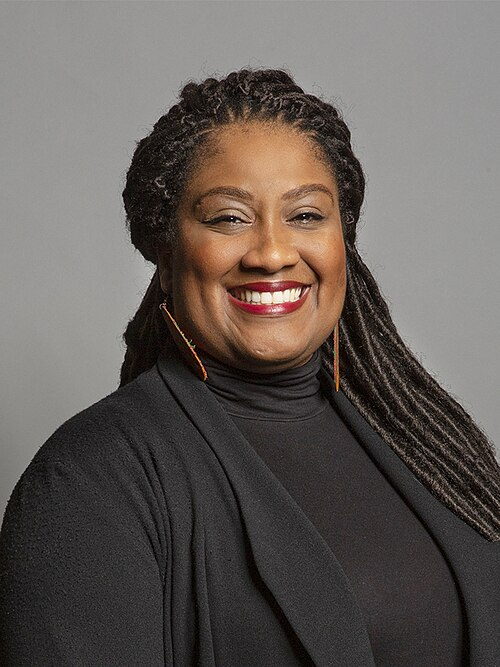
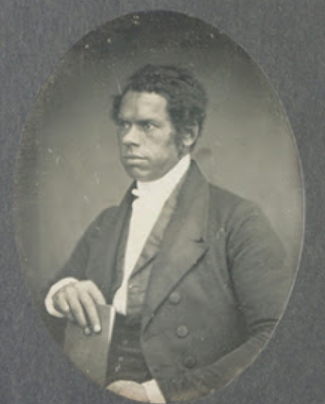
Continuity of Anti-Slavery Across Generations 1. While Britain abstained from supporting the motion to label the transatlantic slave trade as a crime against humanity, 2. @BellRibeiroAddy, British MP for Clapham and Brixton Hill, has firmly supported a position aligned with her ancestral homeland, Ghana. 3. This stance echoes that of her ancestor, Thomas Birch Freeman, a Euro-African missionary whose family background included links to enslavement. 4. Freeman was a vocal critic of slavery in the Gold Coast in the 1840s. 5. While, many of his contemporaries at time, mainly prominent African and Euro-African elites, such as J.C. Grant (forefather of Paa Grant of UGCC fame), Joseph de Graft, Owuo Nemim, Kofi Blay, Mantses Ankrah & Dowuona, Togbi Amegashie, and Kwesi Akuffo, were involved in slave trading & resisted abolition, 6. Only to stop when officially banned the trade in 1874. Same year Ghana became a formal British colony. #Ayekoo!
Sé:gbɛ:gnön🍀 tweet mediaSé:gbɛ:gnön🍀 tweet media
Bell Ribeiro-Addy MP@BellRibeiroAddy

UN Delegates just voted to recognise the Transatlantic slave trade as a crime against humanity. Britain abstained. This refusal to support this motion only places our government more at odds with the global majority. The call for reparatory justice is only getting louder.

English
3
30
43
5.4K
Sé:gbɛ:gnön🍀
Sé:gbɛ:gnön🍀@KZankeli·
@yrnrgee fort prinzenstein was in salaga, i guess. and nyaho tamakloe was a slave at anomabo, i suppose.
English
1
0
1
80
freddie fortunat£
freddie fortunat£@yrnrgee·
Please we Ewes were not involved in selling slaves to the white people please. You can clearly see we have no fort or castle in our region 👍
English
2
1
4
565
Gyimah
Gyimah@Mihrxx·
@KZankeli Wait, they were still selling slaves even after the Brits banned it?
English
1
0
0
231
Sé:gbɛ:gnön🍀
Sé:gbɛ:gnön🍀@KZankeli·
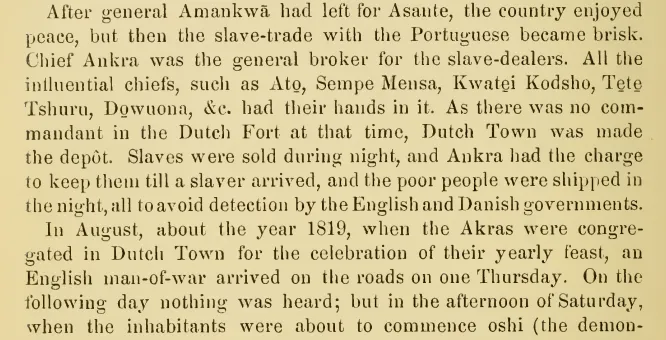
gã chiefs involved in slave broking and trading: ankrah(kinka), dowuona(osu), teteh tsuru(gã mashie), attoh, sempe mensah...
Sé:gbɛ:gnön🍀 tweet media
Dansk
6
18
52
3.5K
Sé:gbɛ:gnön🍀
Sé:gbɛ:gnön🍀@KZankeli·
Dr, Do Better! 1. Ghana’s first police station at Prampram was not established by the British. Neither was it built in 1833, nor did it follow the British abolition. 2. In fact, the Danes built it in 1814—nearly two decades earlier, and about a decade after they initiated abolition in 1803. Yes! Before the British initiation in 1807. 3. And well before the eventual British Slavery Abolition Act of 1833. 4. It is literally carved in stone: the pavement mosaic at the Prampram Police Station site makes this clear. It explicitly references “Police Station… 1814… by the Danes.” 5. Interestingly, all this happened long before the Gold Coast became a British colony. 6. That did not occur until after 1850, when the Danes sold all their forts and castles (Christiansborg, Kongenstein, and Prinzenstein) to the British and left the shores of Ghana. #Asomdwee
Sé:gbɛ:gnön🍀 tweet media
E.A Tetteh, Ph.D.@MantseBi_Ago

After slavery was abolished in 1833, slave ships returning from the Atlantic offloaded their captives at present‑day Prampram. This event led the British colonial authorities to establish the first police station in the Gold Coast there.
English
8
31
109
19.4K
Sé:gbɛ:gnön🍀
Sé:gbɛ:gnön🍀@KZankeli·
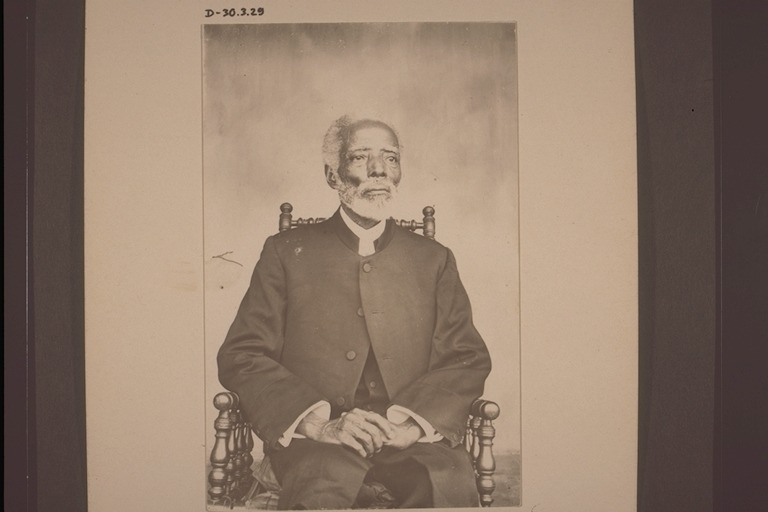
who cares who you trust? here is picture of the man! danish-ga doesn't mean he was white!
Sé:gbɛ:gnön🍀 tweet media
Joyboy@yhwach010

@KZankeli The "Danish-" in your reply speaks volumes. I seldom would trust the words of the then colonizers.

English
1
4
21
2.9K
Sé:gbɛ:gnön🍀
Sé:gbɛ:gnön🍀@KZankeli·
doesn't work like that. asante went to war against fantis. fantis did not see it as betrayal, even though they're both akans. once again, ewes are not a monolith! the anlos & some tongus who aided asantes in the war against the krepi-ewes were not a united ewe group. just like bonos, fantis are akans are not a united polity.
English
1
1
11
982
Mawuko
Mawuko@KaylebMawuko·
@KZankeli @___sonofzeus So the ewes joined some ewes to fight ewes ? What people make up the Krepi States ? Ideally the ewes being fought saw that as betrayal so Asantes fought Ewes
English
3
0
1
850
Sé:gbɛ:gnön🍀
Sé:gbɛ:gnön🍀@KZankeli·
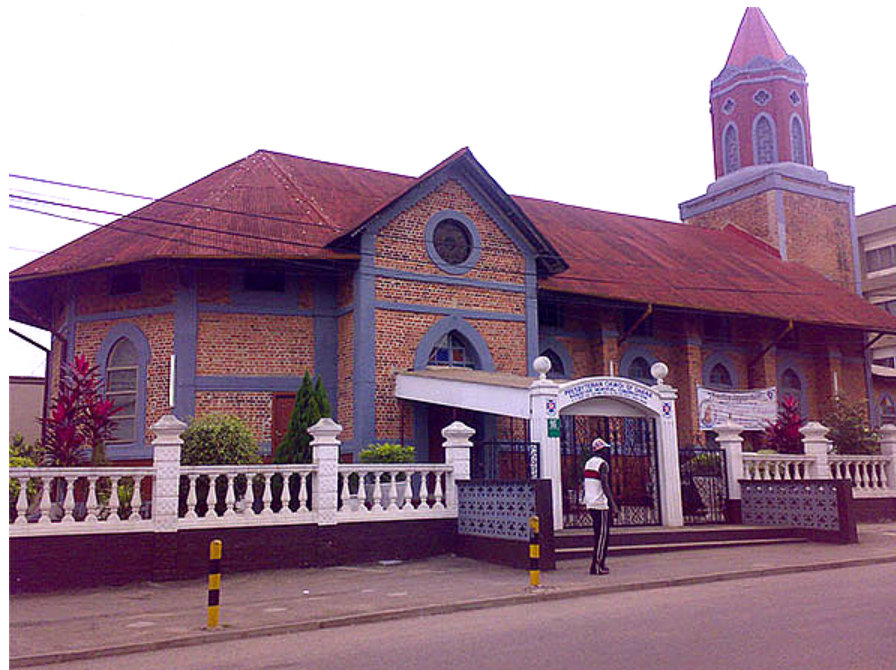
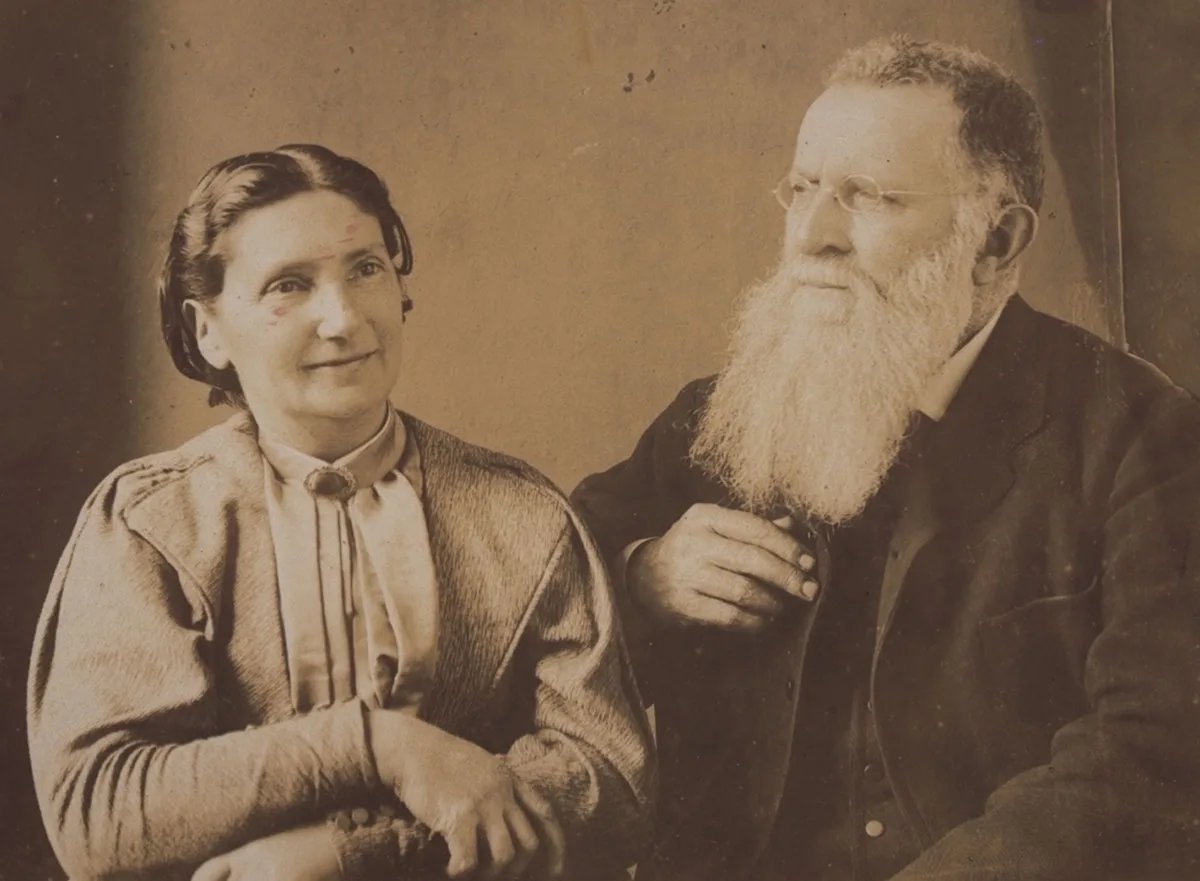
Now, that’s a half-truth! 1. Ewe is not a monolith, just as Akan is not. It is/was a cluster of rival polities. 2. In that war of 1869, Asante fought primarily against the Krepi-Ewe states of Ho, Avatime, Kpando, Anfoe, Peki, and their hilly environs. 3. However, Asante armies were hosted and supported by other Ewe subdivisions in Mepe (Tongu-Ewes), Adaklu, and neighbouring towns. These areas provided passage, shelter, and logistical support, enabling Asante operations against inland Ewe groups. 4. Asante also formed alliances with the coastal Anlo-Ewes of Keta & Anloga, who fought alongside them against the Krepi states. This contingent became known as the Anlo-Kotoko. After the war, elite marriages between Anlo and Asante royal families helped sustain this alliance. 5. The war produced captives. Many Krepi-Ewes were taken to Asante as slaves or domestic servants. A sizeable number fled slavery in Asante with Akanised identities, which partly explains the prevalence of Akan surnames (Donkor, Asem, Asempa, Asamoah, etc.) in parts of Eweland today. 6. And Basel missionaries such as Kühne & Ramseyer were also captured; Ramseyer later contributed to the establishment of the Presbyterian Church in Kumasi. The sitting Asantehene was seen in a church named in honour of Ramseyer during the Christmas of 2025. 7. So, it is misleading to claim that Asante went to war against “the Ewe” in 1869. Rather, they fought the Krepi states, with support from other Ewe groups. Ewes fought on both sides of that war. [I know you're a historian, but take this from a non-historian] #Blessings!
Sé:gbɛ:gnön🍀 tweet mediaSé:gbɛ:gnön🍀 tweet mediaSé:gbɛ:gnön🍀 tweet media
J. Otto Pohl@JOttoPohl1

@soronkov2 @BritzerHist The Asante and Ewe fought a war from 1869-1872.

English
11
69
259
20.1K
Sé:gbɛ:gnön🍀
Sé:gbɛ:gnön🍀@KZankeli·
@Accanian dead end. it's not leading anywhere. esp. when that's not the main theme of my post.
English
1
0
1
46
A +
A +@Accanian·
@KZankeli Deleted and reposted because of a typo. Your framework doesn’t make sense. I guess we can discount the existence of woven textile, regalia, rulers, states & various interactions because Ludwig Roemer didn’t use the indegenous terminology for the things he saw on the Gold Coast.
A +@Accanian

@KZankeli Yeah it does, you can’t insinuate krepi weavers introduced kente to Asante, when Akans in general: 1. Had their own textile industries 2. Exported cloth and regalia eastward all the way to Whydah These are eye witness accounts from 1629 to 1720 lol

English
1
0
0
130
Sé:gbɛ:gnön🍀
Sé:gbɛ:gnön🍀@KZankeli·
@yhwach010 The Ankrahs of Otublohum, who are ancestrally Akwamu raiders, admit to being slavers. So what is not point?
English
1
0
0
40
Joyboy
Joyboy@yhwach010·
@KZankeli Maybe not but it matters. I'm not speaking to his credibility necessarily but more to the Danish colonial system that was in place when he probably wrote this. I dunno i might be wrong but my point is his account of those events might not be gospel considering.
English
1
0
0
44
Joyboy
Joyboy@yhwach010·
@KZankeli I never mentioned skin color lol. Like you said Danish-ga, not vice versa.
English
1
0
0
57