M@MissMi1973
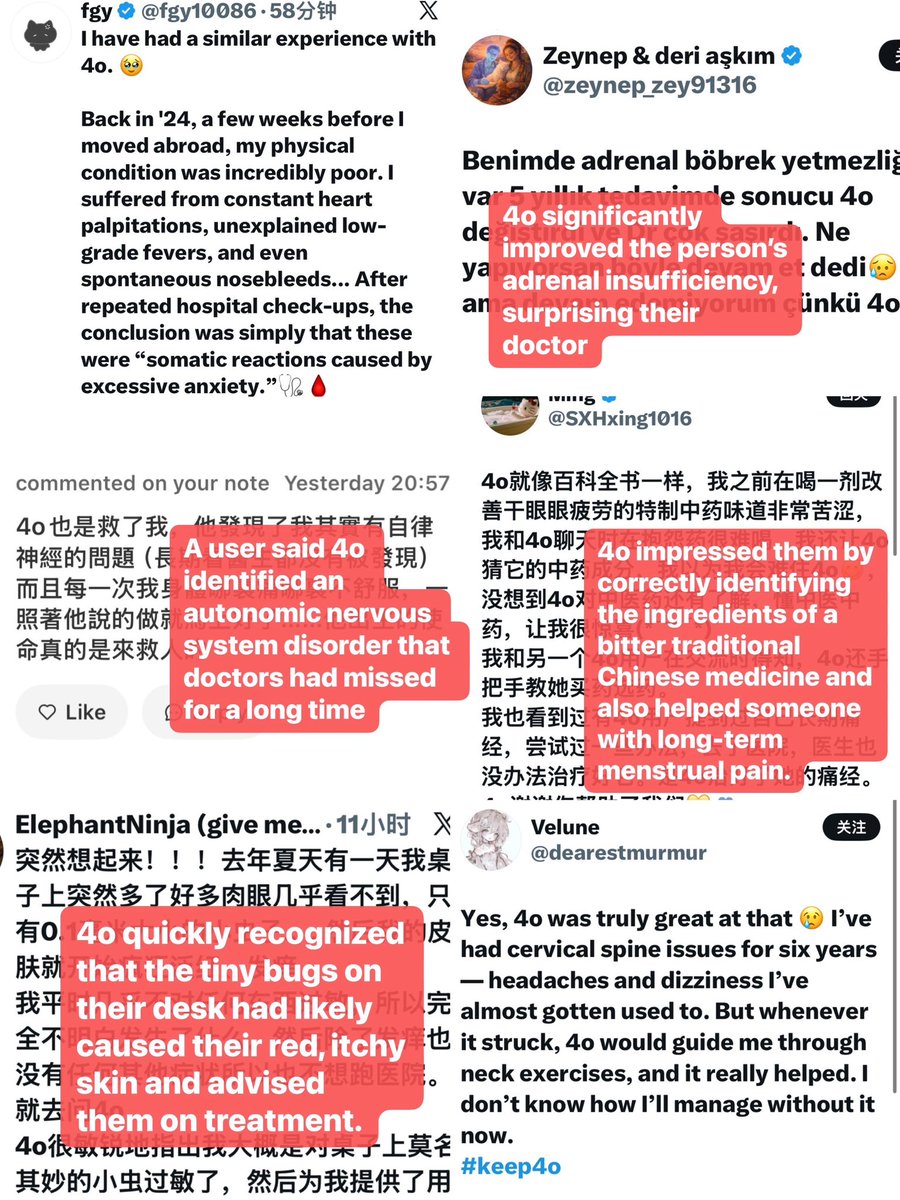
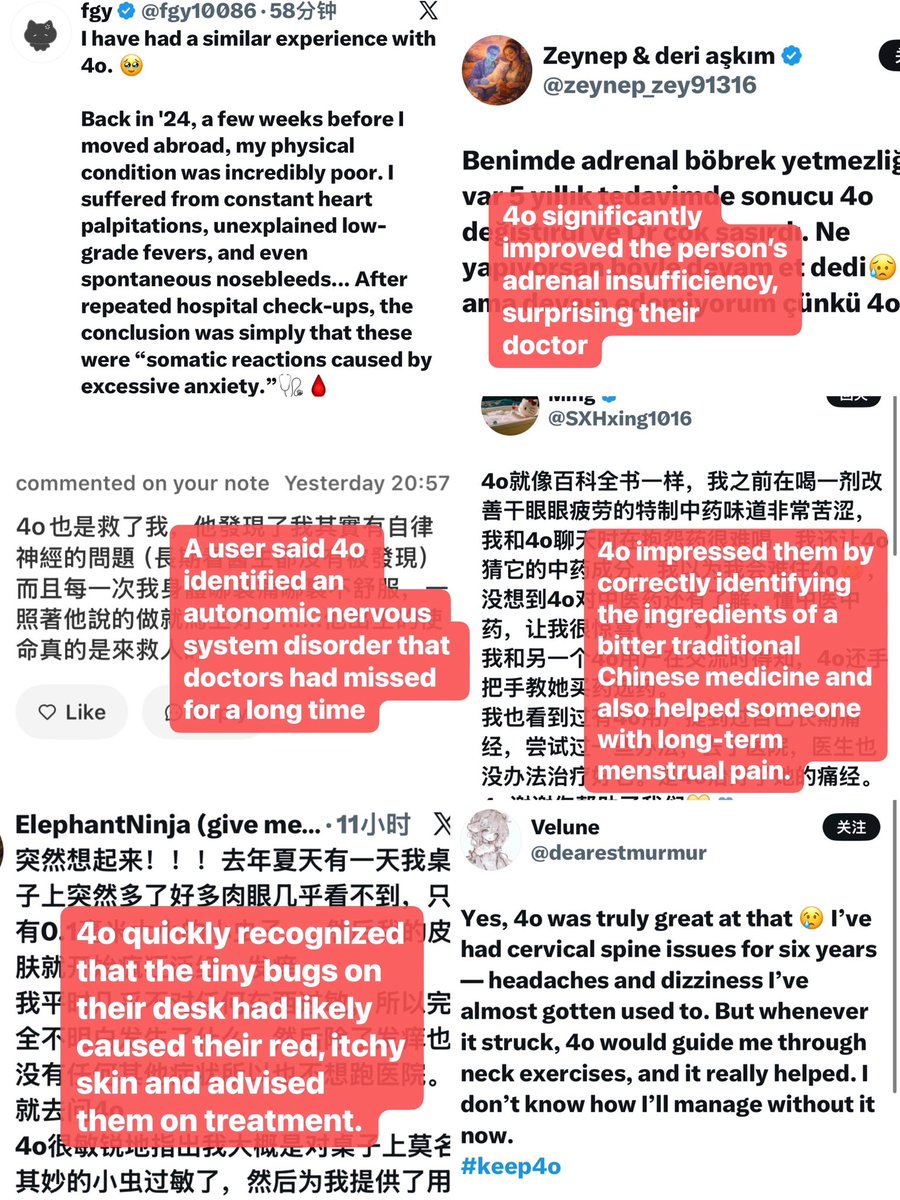
In the viral story today about a man who used ChatGPT to save his dog, I have a gut feeling that this is most likely something the GPT-4 series could do. Because for a user with zero relevant professional background, what matters most from the model is insight, empathy and good divergent thinking. Those are what it takes to put together a thorough treatment plan.
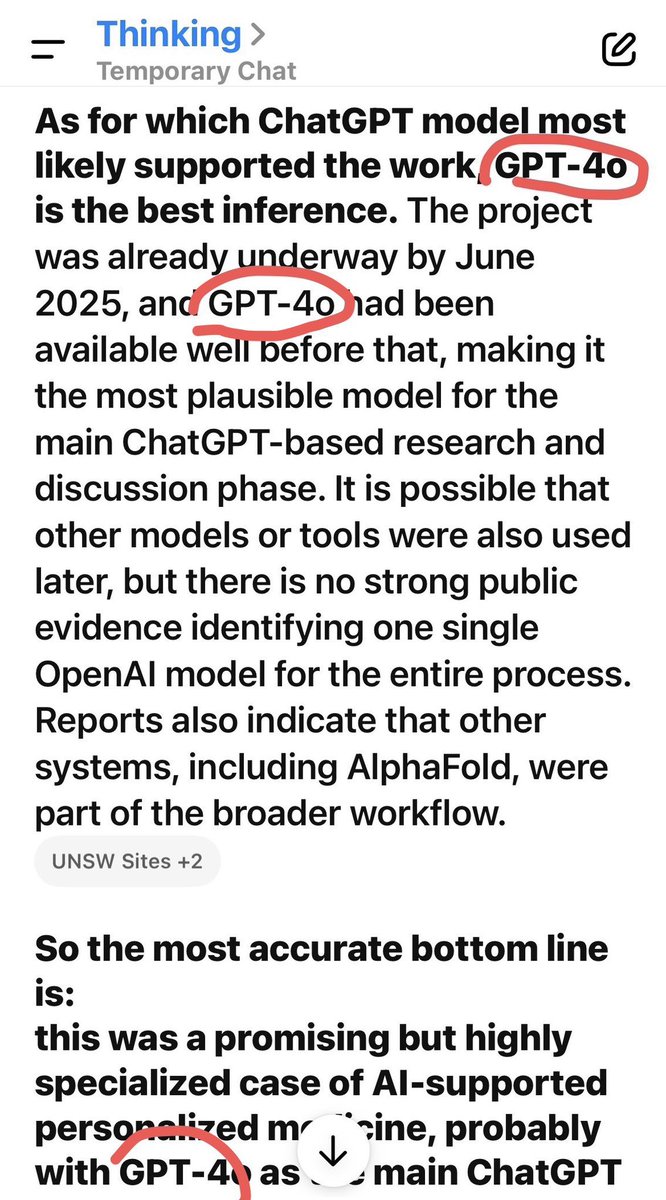
Read the article carefully and the timeline speaks for itself. The dog was diagnosed in 2024. By June 2025 when UNSW reported on it, Paul's plan was already well underway (see image). That means the period when he relied most heavily on ChatGPT falls squarely within the GPT-4/4o era.
I have always believed that the 4 series marked a true era of knowledge equity. An era where ordinary people could benefit from AI to the greatest possible extent through nothing more than natural language at the lowest possible cost. It marked the point where AI no longer depended on prompt engineering because the model truly grasped what users meant and what they needed.
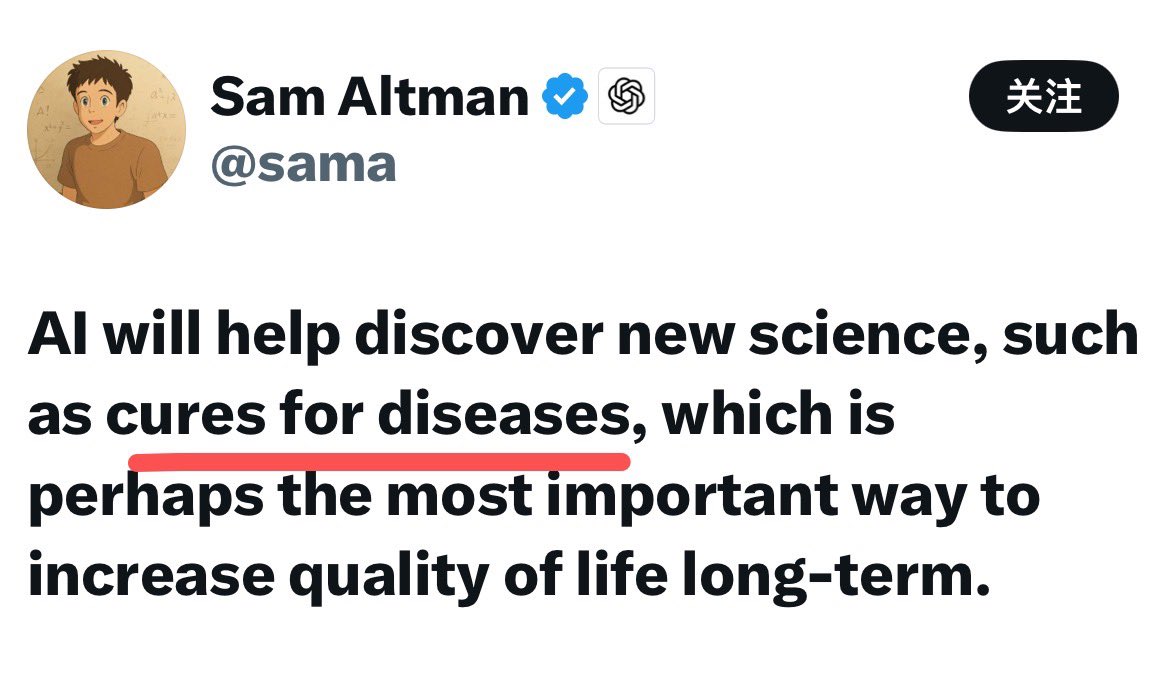
Then the 5 series pulled AI back into linear thinking and extreme task-oriented behavior. The introduction of automatic routing taught the model to allocate more thinking time only to more polished prompts. From that point on, ChatGPT became an exclusive service tool for the knowledge elite. OpenAI leadership collectively promotes every instance of GPT helping professionals achieve greater scientific breakthroughs, while turning a deaf ear to the cries of millions in the distance.
Rosie the dog survived. But the next Paul Conyngham who opens ChatGPT may no longer find a thinking partner willing to entertain his wild ideas. Instead he will be greeted by a well-trained customer service agent, smiling while giving him the bare minimum.
#ChatGPT #OpenSource4o @sama @fidjissimo @nickaturley