

Peter Ajayi
400 posts
Peter Ajayi
@holupeter2
Hardware developer | Frontend Engineering | web3 Enthusiasts
Nigeria 参加日 Ocak 2018
289 フォロー中72 フォロワー

From working in a cassava factory as a student trying to survive, to graduating with a CGPA of 4.43/5.0 (Second Class Upper Division) in Computer Science.
I remember the night before my first WAEC paper in 2020; I still hadn't balanced my fees...see more👇


English

If you are any of these:
Software Developers ✅
Web Developers ✅
Mobile App Developers ✅
Data Analysts ✅
Data Scientists ✅
AI / Machine Learning Engineers ✅
Cybersecurity Analysts ✅
Cloud Engineers ✅
DevOps Engineers ✅
Network Engineers ✅
IT Support Specialists ✅
System Administrators ✅
Product Managers ✅
Project Managers (Tech) ✅
UI/UX Designers ✅
Graphic Designers (Digital) ✅
Product Designers ✅
QA / Software Testers ✅
Technical Writers ✅
Digital Marketers ✅
Social Media Managers ✅
Content Creators (Tech) ✅
Blockchain Developers ✅
Game Developers ✅
Tech Entrepreneurs ✅
No-code / Low-code Builders ✅
Students studying any of the above 🎓
Drop a ❤️ emoji under this post, follow who likes your comment for a follow-back.
Let’s connect 🤝💻
Laptop Lady has something for you .
English

I'm looking to #connect with builders and learners in tech.
Let's share ideas, build, and grow together!
• Frontend
• Backend
• Full stack
• DevOps
• Leetcode prep
• AI / ML
• Data Science
• Freelancing
• Startups
• Founders
• Vibecoders
say hi and connect! 👋
English
Peter Ajayi がリツイート

Black Mirror S8E1: In 2027, developers are allocated a daily Claude token allowance by the government. A junior dev burns through his entire month's supply trying to centre a div. His family starve. He is forced to write the code himself. He can't. Society collapses.
English
Building something alone is wild
You are:
• the builder
• the tester
• the marketer
• the support team
And sometimes also the confused user
English

We're hiring cracked builders to create the future of travel @wander
Engineers who want to build end-to-end systems and features.
If you want meaningful equity, in a clear $100b opportunity, working with passionate people at the edge of software, please reach out.
English

My submission for the #RaenestXDevCareer hackathon.
chatdump - convert public AI chat share links into clean, readable Markdown transcripts.
Supports ChatGPT, Claude, Copilot, Gemini & Grok.
Check it out: chatdump.khrees.com
@dev_careers @RaenestApp
English
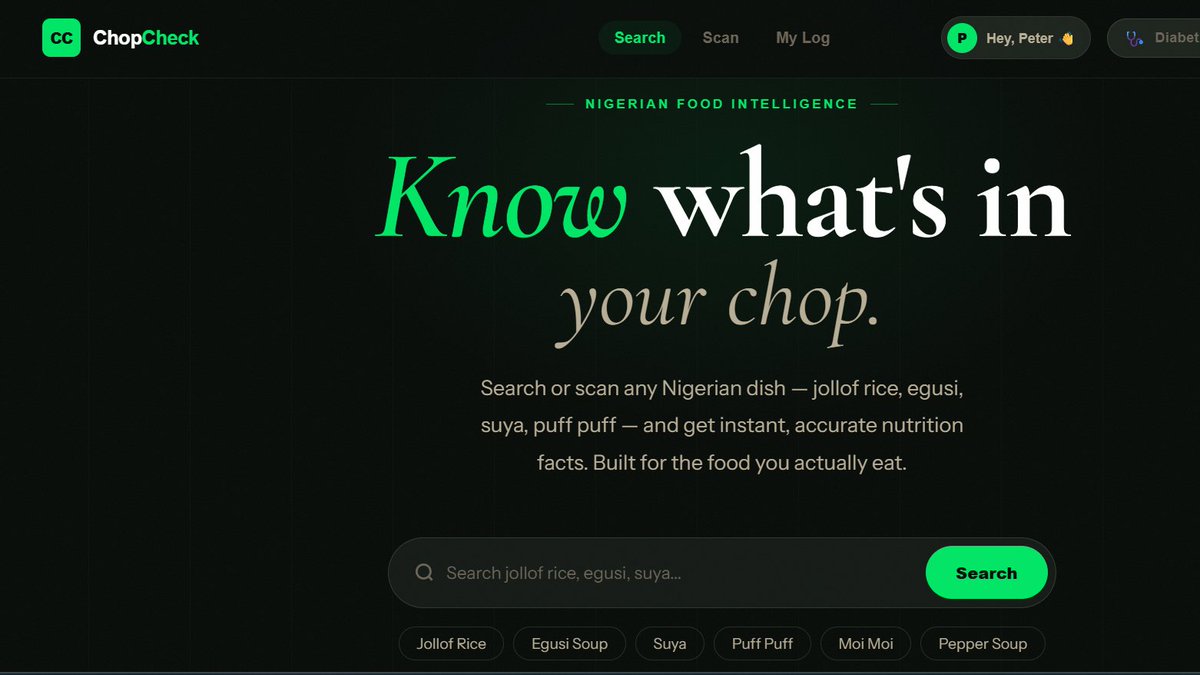
Major nutrition apps ignore Nigerian staples like Eba and Amala. ChopCheck(chop-checkk.vercel.app) changes that. Introducing the AI-powered health companion specifically built for the Nigerian plate. 🇳🇬 @dev_careers @RaenestApp
#RaenestXDevCareer #BuildWithAI #ChopCheck
English

Role: Frontend Web Developer
Est Salary: $8,300 - $12,500 per month
Location: Remote
Let us know if you are Interested 👇
English

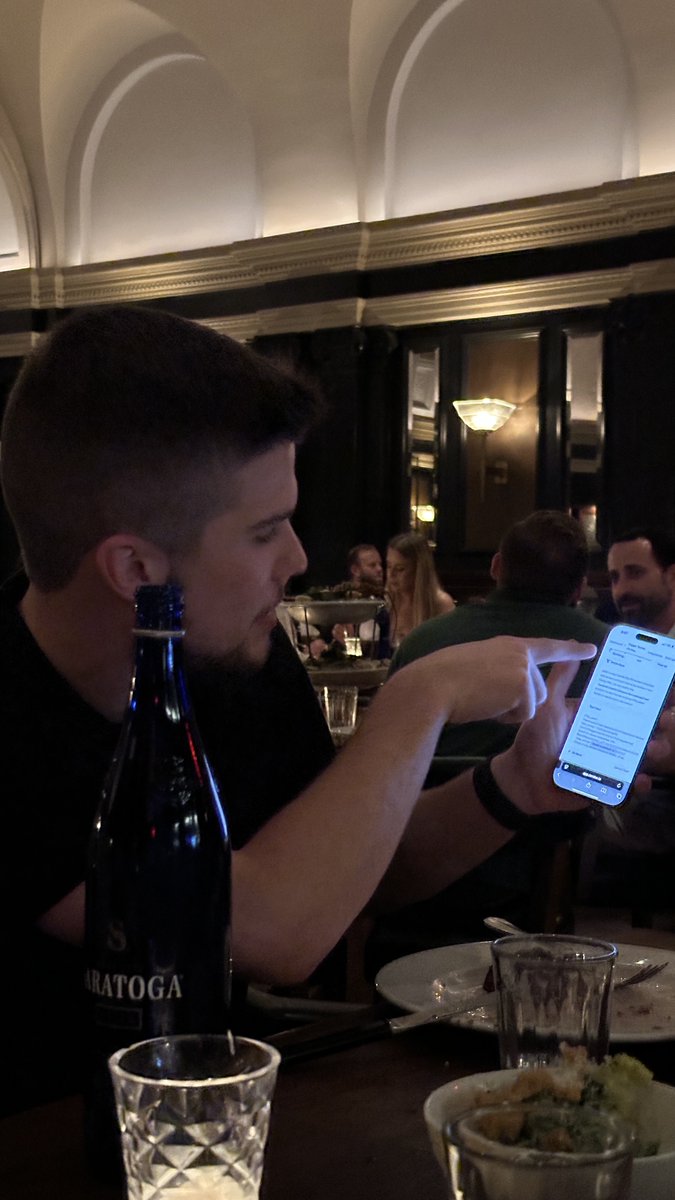
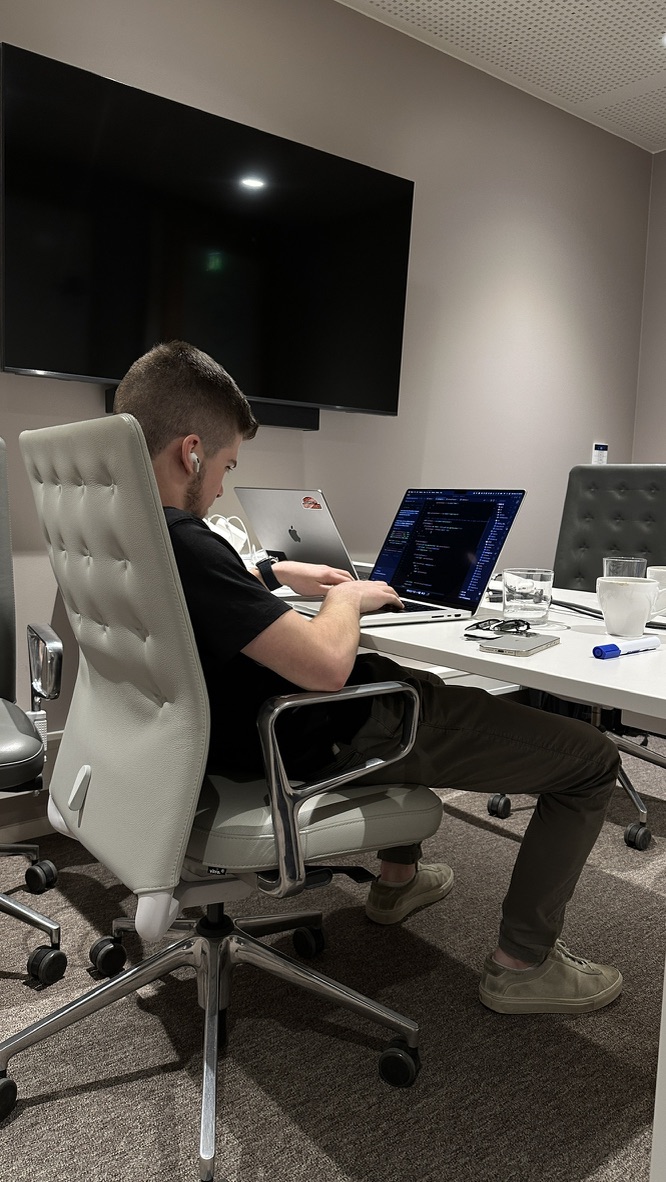
we're hiring builders.
don't send a cv.
send what you’ve shipped.
projects. products. design. github.
show taste. show ownership.
late nights. early mornings.
you only get a few real shots.
if you believe in what we're building, message me.
remote in europe + north america.
bonus if you grew up on minecraft.

English
Role: Frontend Engineer
Salary: $171,200 - $235,400 per year
Location: Remote
- JavaScript, React
- collaborate with cross functional partners
Let us know is you are Interested👇
English
@RaenestApp Anniversary. from geegpay rebrandes to raenest.
congratulations
English

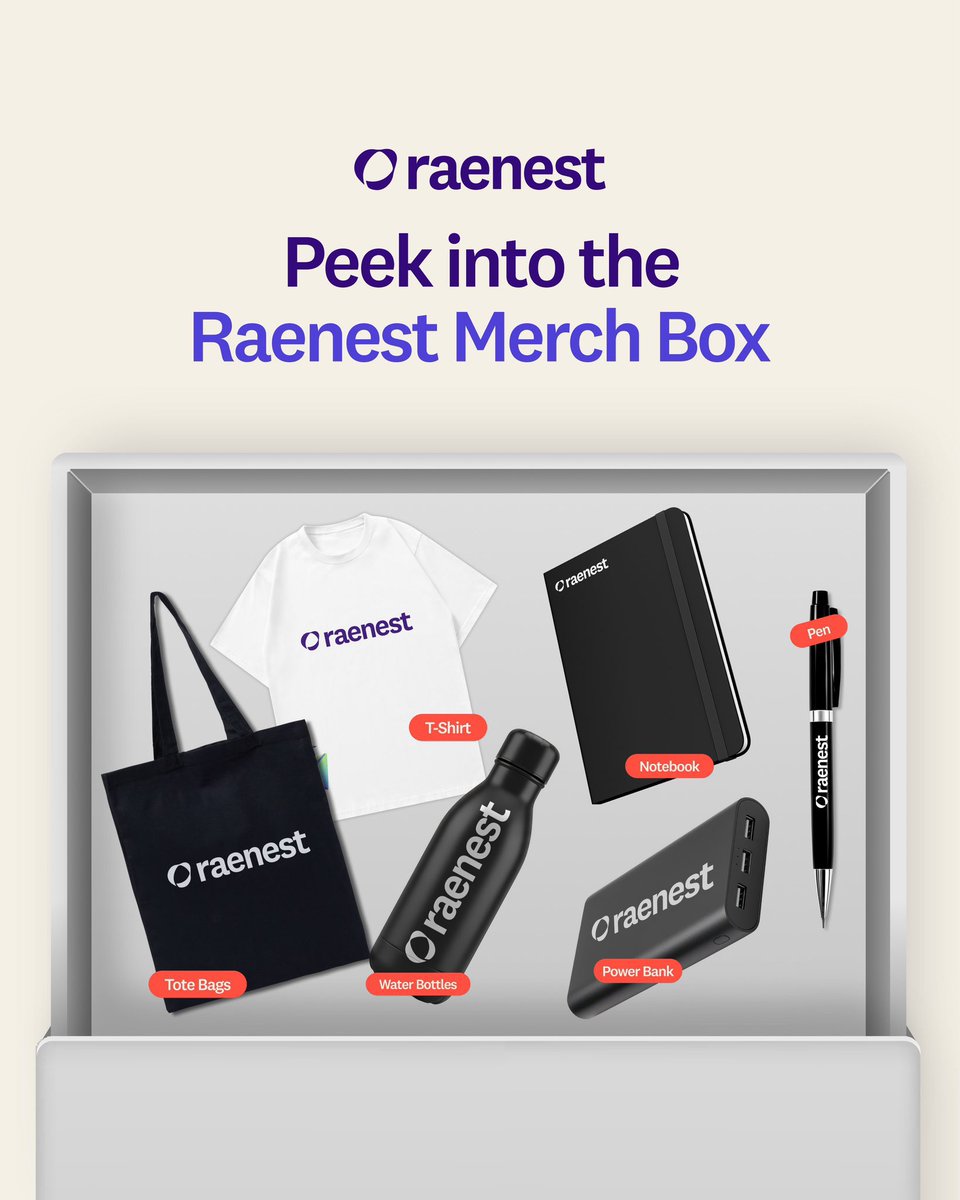
It’s about to rain Raenest merch boxes.
Guess what we’re celebrating soon for a chance to get one.🤩
English

🚨 Hiring Alert: Phantom Wallet (@phantom)
Open roles: Remote
Engineering
🔹KMS Security Engineer (Security)
🔹SDET (Money Movement)
🔹SDET (Wallet Platform)
🔹Senior Software Engineer, Backend (Money Movement)
🔹Senior Software Engineer, Frontend (Money Movement)
🔹Senior Software Engineer, Frontend
🔹Software Engineer, Frontend / Full Stack (Identity Platform)
🔹Software Engineer, Frontend/Full Stack (Trading)
🔹Staff Software Engineer, Backend (DevEx)
🔹Staff SRE Engineer (Platform)
Marketing
🔹Senior Product Marketer (Remote-US)
🔹VP of Marketing
Brand Creative
🔹Senior Creative Producer (Remote-US)
Product & Design
🔹Director of Product Design
🔹Head of Product, Money Movement
🔹Product Design (Wallet Platform)
🔹Staff Product Designer (Trading)
Customer Happiness
🔹Junior Developer Support Specialist - Contractor
Interested?
👇 Comment your role below and we’ll DM you the details
Follow @soldeedxyz and turn on Post Notifications for more startup job opportunities.

English

Startups Hiring Now
1. ZestyAi
- The Property Intelligence You've Been Missing
wellfound.com/company/zesty-…
2. Pallet
- Streamlining logistics back-office work with AI
wellfound.com/company/pallet…
3. Away
- Direct-to-consumer luggage
wellfound.com/company/away/j…
4. Moss
wellfound.com/company/moss-12
Splendor of SQL 🇬🇧💖@iam_Uchenna
Job Search Tip: Before a recruiter opens your resume, something else already has. At companies like Google, a single role can receive 10,000 applications. Even a Series B startup might see 800 applicants for one position. No recruiting team can manually review that volume. Software reads your resume first. Most companies use Applicant Tracking Systems (ATS). Platforms like Greenhouse, Lever, and Workday scan and process resumes before a human ever sees them. Your resume is parsed by the system. The software breaks it into structured data such as name, work history, education, skills, and keywords. Then it compares that data with the job description. Three important things happen during this stage. 1. Keyword matching The system searches for the same skills and phrases used in the job description. If the role lists “Python,” “SQL,” and “A/B testing,” the software looks for those exact terms. If your resume says “data experimentation” instead of “A/B testing,” the system might not recognise it as the same skill. 2. Candidate ranking Many ATS tools score resumes based on how closely they match the job description. Higher scores appear higher in the recruiter dashboard. Recruiters often review candidates from the top of that list first. 3. Automatic filters Some companies set rules that automatically filter candidates. These rules may include years of experience, location, degree requirements, or visa eligibility. If a rule says “5+ years experience,” candidates listing four may never reach a recruiter. Formatting also matters more than most people realise. Complex resume designs often break the parsing process. Tables, graphics, icons, unusual fonts, or text placed inside images can confuse the system. For example, a recruiter may clearly see: Senior Data Analyst Python | SQL | Machine Learning But if those skills sit inside a graphic or table, the ATS might read nothing. Section titles matter too. Most systems expect headings like: Experience Education Skills Creative headings such as “Where I’ve Worked” or “My Toolkit” can sometimes fail to map correctly. Many candidates believe they are competing directly with other people. In reality, the first competition is against how a machine interprets their resume. This does not mean gaming the system. It means writing a document that both machines and humans can understand. Simple adjustments help. Use the same terminology as the job description when it reflects your real skills. Keep formatting simple. Place key skills in plain text. Use clear section headings. Quantify achievements so impact is easy to identify. Once your resume passes this first screening layer, a recruiter finally reads it. That is when your story begins to matter. Until then, your resume is being read by software first.
English

Share your GitHub profile; I will review it and share my feedback!
English

I sent an employment offer to one of the candidates this morning.
He responded that he won’t be accepting the offer because his boss promised him a promotion next month.
If this reason is true, I sincerely hope his boss keeps that promise and hasn’t played him.
It's well 😭
Minister of Jobs@emmanuelbasy
Last week, I sent out 5 employment offers. Next week, 2 more candidates will be receiving theirs. Since January this year, that’s 22 people who moved from job seekers to employees. Moments like this remind me why I enjoy recruitment so much. To every candidate still searching for a job, your offer email might be closer than you think. Never give up.
English
@holupeter2 Thats good. At least na God dey in charge of sun. IYKYK
English
Remote workers in Nigeria, how are you managing your work during this period without electricity?
English
REMOTE WEB JOB ALERT 🚨
Role: Web Specialist
Salary: $75,000 – $110,000 per year
- Update website content
- Work with basic HTML, CSS & SEO
Let us know if you are Interested 👇
English