Hyper_Up

2K posts

Hyper_Up banner
Hyper_Up

Hyper_Up

@hyper_updates

Analysis $HYPE | Market Structure & Liquidity / Trading strategy. Smart risk 🇺🇦

参加日 Aralık 2023
196 フォロー中1.8K フォロワー
Hyper_Up がリツイート
Charles Curran
Charles Curran@charliebcurran·
If you think AI film can’t be art then explain this.
English
2.1K
3.8K
54.3K
8M
Hyper_Up がリツイート
plur daddy
plur daddy@plur_daddy·
Equity bears are at the brink of insanity given resilience in the indices, but odds of a breakdown are increasing now. Equities top slowly as passive flows and rotational dynamics can hold up indices for a long time. There are many structural forces rigged to push them higher, and thus it takes a lot to make them go down. Over the course of an equity bull market, buy-the-dip behavior continually gets reinforced, and the majority of capital will be controlled by adherents to this mantra. In theory, the longer prices remain coiled, the larger the move once they exit the range. This nuke in gold suggests there are liquidity issues brewing under the surface. It feels like a preview of what is going to happen to crowded trades. My theory is the Middle East is selling gold to shore up capital, as they have lost their revenue, and have many expenses around defence. They will also need to rebuild lost energy infra, and eventually, new pipelines to reroute around Hormuz. The buyback window is starting to close, and the sugar rush of higher-than-usual tax refunds is starting to fade. Retail has been a key marginal buyer of equities in these past weeks, and the fading of the tax refund tailwind is critical. The market is gradually coming to terms with the fact that this conflict may last for a long time. On a conventional level, the US and Israel have completely dominated Iran, but Iran has an asymmetric edge when it comes to controlling world oil prices through Hormuz. Trump can still end it, but the issue is that the US cannot simply leave, a ceasefire with Iran must be struck in order to guarantee that Hormuz is reopened. In order to strike a ceasefire, Iran wants to see a guarantee that the US and Israel won't attack them again (at a bare minimum), and it will be difficult for the US to get Israel to agree to that. Trump is used to being able to quickly maneuver according to his whims, as he did with tariffs, but the complex interlocking physical realities of war are different. Oil shocks often contribute to the end of bull markets, since they constrain consumer spending, hit manufacturing, and lower the ability of central banks to offer support. Indeed, the Fed came out slightly hawkish yesterday, and Powell also hinted that he may stay in his Governor seat post his role as Chair ending, which would constrain Trump's plans to unleash liquidity. We have a stronger dollar and long duration bond yields are going up over the world, which tightens liquidity. The Middle East is tight on money now and they were the marginal bidder in many assets. In particular, they were a key funder for AI capex through their investments in the frontier labs. They've been 40-50% of recent big rounds. Remember other deep pockets like Softbank are close to being tapped out. Any dollar that goes into these rounds will have to come out of something else, like liquid stocks (look at my pinned post for this broader thesis). And if we have any signs of risk to AI capex expectations, this will be a major shift that the market needs to contemplate. I've said this before, but puts are a difficult way to express bearish equity views because timing is so uncertain. Equities can hold on for a long time, because they are structurally rigged to go higher. Easier expressions are simply being in cash, or gradually shorting cash stocks over time, which helps avoid getting chopped. This is a very difficult market, stay safe out there.
English
64
104
952
151.5K
Hyper_Up がリツイート
Balaji
Balaji@balajis·
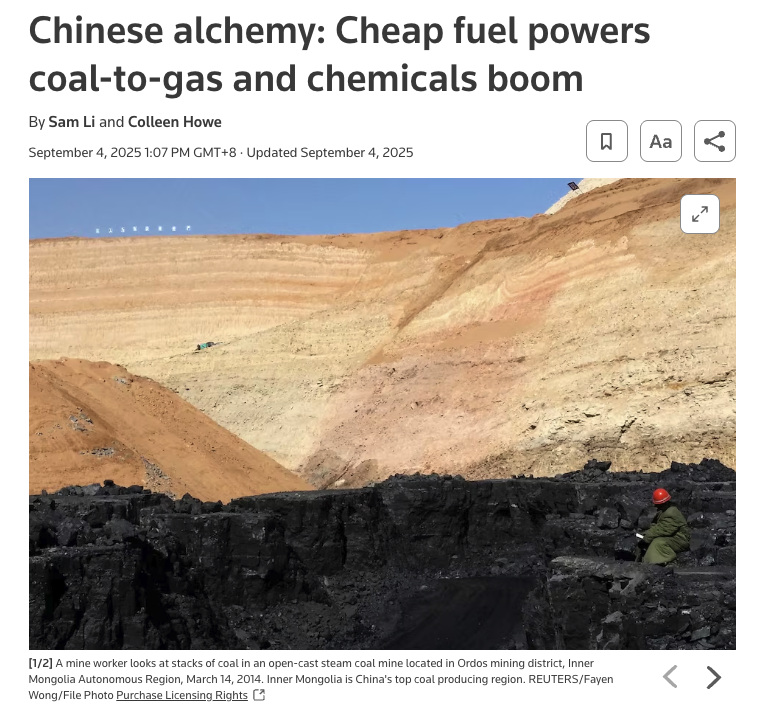
I'm going to make some obvious points. (1) Blowing up all the oil infrastructure in the Middle East is an insane idea, and may well result in a global economic crash and humanitarian crisis unrivaled in the lives of those now living. We're talking about the price of everything everywhere rising, from food to gas, at a moment when inflation was already high. All of that will be laid at the feet of the authors of this war. (2) The antebellum status quo of Feb 27, 2026 was just not that bad, but we're unlikely to return to it. Expect indefinite, long-term, ongoing disruptions to everything out of the Middle East. (3) Also assume tech financing crashes for the indefinite future. The genius plan to get the Gulf states caught in the crossfire has incinerated much of the funding for LPs, for datacenters, and for IPOs. Anyone in tech who supported this war may soon learn the meaning of "force majeure" as funding gets yanked. (4) Many capital allocators will instead be allocating much further down Maslow's hierarchy of needs, towards useful basic things like food and energy. (5) It's fortunate that all those progressives yelled about the "climate crisis." Yes, their reasoning about timelines was wrong, and much of the money was wasted in graft, but the result was right: we all need energy independence from the Middle East, pronto. It's also fortunate that Elon and China autistically took climate seriously. Now they're going to need to ship a billion solar panels, electric vehicles, batteries, nuclear power plants, and the like to get everyone off oil, immediately. (6) It's not just an oil and gas problem, of course. It's also a fertilizer problem, and a chemical precursor problem. Maybe some new sources will come online at the new prices, but it takes time to dial stuff up, particularly at this scale, so shortages are almost a certainty. That said, China has actually scaled up coal-to-chemicals[a,c] (C2C), and there's also something more sci-fi called Power-to-X[b] which turns arbitrary power + water + air into hydrocarbons. But all of that will need to get accelerated. I have a background in chemical engineering so may start funding things in this area. (7) Ultimately, this war is going to result in tremendous blame for anyone associated with it. It's a no-win scenario to blow up this much infrastructure for so many people. Simply not worth it for whatever objective they thought they were going to attain. But unless you're actually in a position to stop the madness, the pragmatic thing to do is: scramble to mitigate the fallout to yourself, your business, and your people. [a]: reuters.com/business/energ… [b]: alfalaval.com/industries/ene… [c]: reuters.com/sustainability…
Balaji tweet media
English
694
2.1K
11.7K
3.3M
Hyper_Up がリツイート
Trader T
Trader T@thepfund·
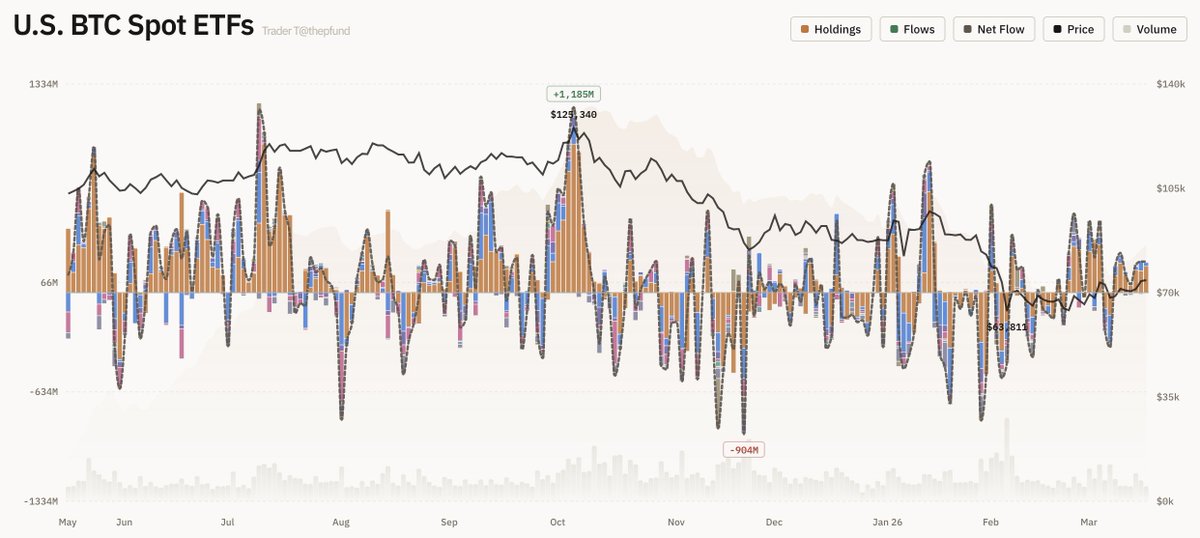
3/17 Bitcoin ETF Total Net Flow: +$198.31m $IBIT (BlackRock): +$168.27m $FBTC (Fidelity): +$24.39m $BITB (Bitwise): $0.00m $ARKB (Ark): +$2.48m $BTCO (Invesco): $0.00m $EZBC (Franklin): $0.00m $BRRR (Valkyrie): $0.00m $HODL (VanEck): +$3.17m $BTCW (WisdomTree): $0.00m $GBTC (Grayscale): $0.00m $BTC (Grayscale Mini): $0.00m
Trader T tweet media
Trader T@thepfund

3/16 Bitcoin ETF Total Net Flow: +$199.19m $IBIT (BlackRock): +$139.05m $FBTC (Fidelity): +$64.53m $BITB (Bitwise): +$2.82m $ARKB (Ark): –$3.07m $BTCO (Invesco): $0.00m $EZBC (Franklin): +$2.14m $BRRR (Valkyrie): $0.00m $HODL (VanEck): –$6.28m $BTCW (WisdomTree): $0.00m $GBTC (Grayscale): $0.00m $BTC (Grayscale Mini): $0.00m

English
0
10
83
6.1K
Hyper_Up がリツイート
Finch 🐦
Finch 🐦@Finch_in_flight·
Notes on Taiki Maeda's "Why I Think the Bottom is in for Bitcoin": The reason I became bearish in Q4 ’25 was because people were positioned all-in on leverage for the Q4 alt season, while the DATs were running out of money to buy, so the market was fragile. Maybe there was also a confluence with the four-year cycle, so people were ready and itching to sell anyway. A combination of all these factors led to the deleveraging cascade. Right now, in terms of positioning, people are generally aware of the four-year cycle and are prepared for a potential Q4 bottom. The prevailing idea is that you can just do nothing, wait until Q4, buy this magical bottom, and then make money. For us to hit new lows in Q4 ’26, there would have to be some kind of liquidation or capitulation event. But if people are already comfortable sitting in cash, I just don’t really see how something like that happens. When I look at the positioning across traders and fund managers I talk to, most of them are over 60% in cash. It’s not that they’re bearish on crypto - they’re just waiting for one more leg lower. I think the reemergence of Saylor could prevent that next leg lower, meaning these people would have to buy back higher. Markets can’t bottom without two things: sellers being exhausted and buyers stepping in. For a long time, we really haven’t had a marginal buyer ready to push prices higher. If you look at Saylor’s X, all he talks about is STRC. I think he knows that the only way for MSTR to get out of its rut is to really drive usage and adoption of it. STRC holders receive an 11.5% rate and stability, while MSTR buys BTC with the proceeds. If BTC goes up by more than 11.5% in a year, then MSTR shareholders also benefit. MSTR has over $2 billion in reserves, which equates to roughly 28.5 months of dividend coverage. That means they have enough cash to pay more than two years’ worth of liabilities. So as a yield farmer, capital allocator, or investor, getting an 11.5% rate from a company with over two years of runway to pay those dividends seems like an interesting proposition. I’ve never owned MSTR, but I bought some STRC to experiment with. This situation could cause problems in the future, but because they have enough runway, I don’t have to worry about that right now. I think that over the next 12, 16, or 18 months there will be increasing demand for STRC, and Saylor can leverage that demand to buy BTC. The main BTC bull case here is STRC reaching some kind of escape velocity, where it becomes more trusted over time and its risk profile is considered safe enough to attract not only crypto-native investors but also outside capital. That would enable Saylor to buy hundreds of millions of BTC every week, if not billions. My bet in buying BTC is that we are in the early stages of the capitalization phase of STRC. This is actually the first MSTR product I can imagine using as part of my portfolio. And if it works for me, it should work for others. And if it works for others, that’s a lot of potential demand flowing into this product. Also, if this works, then people like Tom Lee could replicate it, which could create some crazy reflexivity. It’s something to think about. In bear markets people often worry about everything that could go wrong, while in bull markets they focus on everything that could go right. I would encourage everyone to do the opposite: in a bear market, think about what could go right.
Taiki Maeda@TaikiMaeda2

Why I Think the Bottom is in for Bitcoin. Bought $BTC $HYPE $STRC Watch: youtube.com/watch?v=rYS8U5…

English
21
20
334
55.4K
exitpump
exitpump@exitpumpBTC·
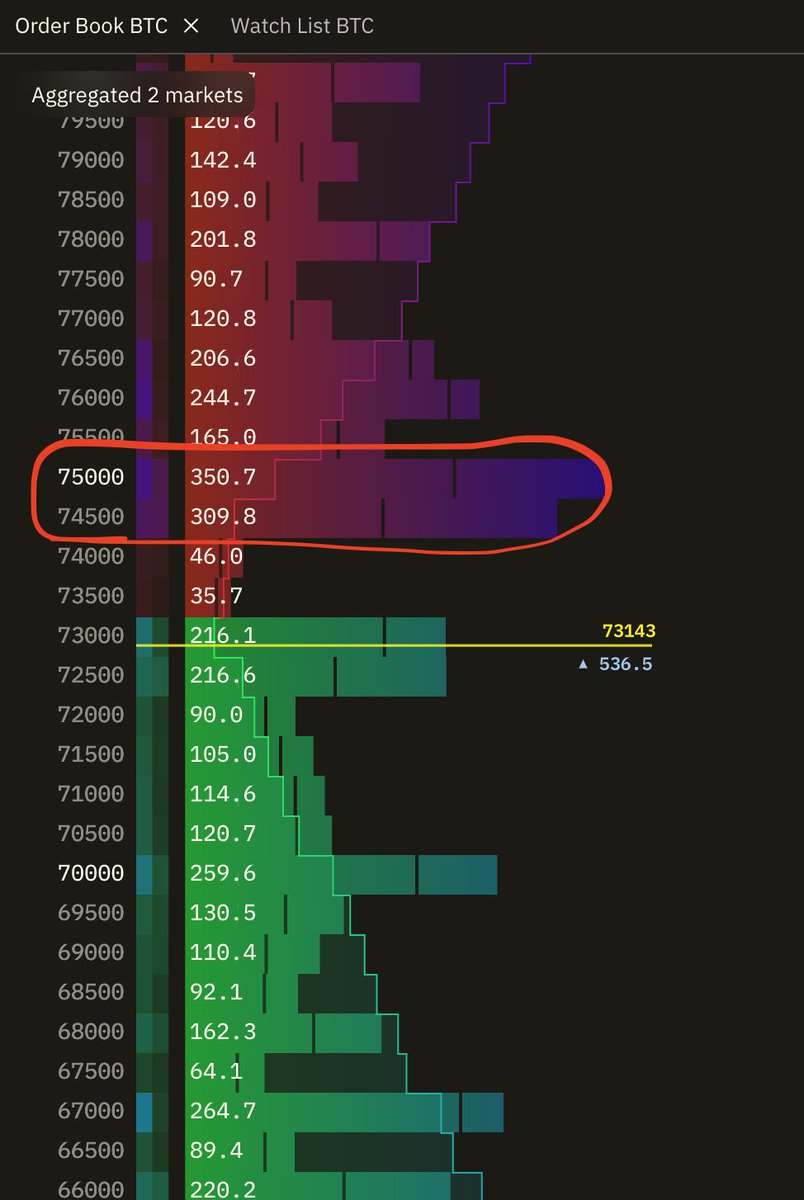
$BTC As I said before,~75K is the only real resistance before going a lot higher. And what if this is just a one big deviation...
exitpump tweet mediaexitpump tweet media
English
36
13
280
25.5K
Hyper_Up
Hyper_Up@hyper_updates·
A quick update on what I’ve been working on lately. Over the past few months I’ve been diving into AI, automation, and web development. It took a lot of testing, trial and error, and rebuilding logic, but now it’s becoming a real part of my work.
English
0
0
4
232
Hyper_Up
Hyper_Up@hyper_updates·
With all due respect to the bears, they’re getting played a little right now
English
0
1
2
205
VIKTOR
VIKTOR@thedefivillain·
New article on STRC. I break down: - how the mechanism works - why it can scale massively - what the real risks are substacktools.com/sharex/e-rbd2Kd
English
37
59
511
168.4K
Hyper_Up
Hyper_Up@hyper_updates·
Im still coding but results is not fast
Hyper_Up tweet media
English
0
0
1
172
Hyper_Up
Hyper_Up@hyper_updates·
wtf Lighter?
Hyper_Up tweet media
English
1
0
6
540
Hyper_Up がリツイート
Chris Bakke
Chris Bakke@ChrisJBakke·
Just walked in the front door after work. My 5 year old son ran to greet me. "Hi dad!" he said excitedly. As he went to hug me, I grabbed his shoulders and said, "Bud, I think you're overestimating the value of human relationships. I read that in a Substack today. Everything is different now. I mean - it was different before, but it's super different now." He blinked, clutching a plastic dinosaur. I couldn't believe it. Attachment to physical objects in a post-digital era. I gently rotated him toward the hallway mirror. “Look,” I continued, “do you see that reflection? That’s legacy hardware. Carbon-based. High latency. Limited processing power." As I kicked off my shoes, my 3 year old daughter came running up to me with a drawing she made in preschool this morning. She was glowing. Beaming. “Look, Daddy! I made this for you!” I glanced at it and explained that Nano Banana one-shotted her entire effort. Her job prospects were hopeless if she didn't understand this. “Sweetie,” I said gently, kneeling down, “this crayon sun? It’s 2022. Nano Banana can generate 100,000 emotionally resonant suns before you finish saying ‘primary colors.’ You need API access.” She asked what an API was. “Exactly,” I said, standing up. The crying started around then. Very emotional household. Understandable. They hadn't read *the essay.* My wife heard the children crying in the foyer and came to check on us. "I don't understand what's happening here, but why don't we sit down for dinner and talk about this?" she asked. "I made chicken pot pies!" “Dinner? Your contribution to a world where Amex and Mastercard are heading to zero by 2028 is DINNER?!” I started laughing. “Uh yeah…” I explained: “Cooking is a pre-Claude activity. Do you realize I can vibecode a functional DoorDash competitor in about 8 minutes now? It's all right there in the Substack.” As the kids continued sobbing, my wife looked at me in disbelief. “Okay, okay. Maybe it would take me 15 minutes to spin up a functional Doordash competitor,” I conceded. “Payments integration can be annoying.” She asked if I was feeling alright. “Better than alright,” I said. “I’ve seen the roadmap. I've read the Substack.” I gestured broadly at the house: “This? This is a future data center. The hugs? Deprecated. The drawings? Automatable. The chicken pot pies? Disrupted.” My wife folded her arms. “You used to like chicken pot pies.” “That was before I could prompt at a few hundred words per minute,” I said.
English
91
206
2.4K
523.2K
Hyper_Up がリツイート
Jukan
Jukan@jukan05·
Thoughts after reading Citrini’s piece. Ultimately, this is one enormous game of chicken. AI frontier labs can never reduce investment. The moment they do, they fall from a galloping horse and suffer irreversible damage. The dilemma Citrini described for incumbents — “sit still and die slower?” — applies equally to the AI labs themselves. And the structure of this game is self-reinforcing. The more I cut to the bone, the more capacity I free up to invest, and more investment translates into stronger intelligence that can overwhelm competitors. Because the other side is running the same calculation, no one can turn the wheel first. As Citrini precisely identified, AI investment occurs not as CapEx but as OpEx substitution, and this is how the game of chicken spreads from the labs to the entire economy. AI may not replace every job that relies on intelligence, but it structurally reduces the necessity of human intelligence. For companies, adopting AI is not a choice — it is a condition of survival. Right now, NVIDIA is hiring aggressively. But someday even NVIDIA will freeze hiring, cut headcount, and pursue maximum efficiency through AI. The reason is simple. Competitors like AMD will aggressively leverage AI to build the capability to challenge NVIDIA. Standing still while competitors ride AI upward means obsolescence. This is the most uncomfortable truth of this scenario. Each company’s individual response is rational, but the collective result is catastrophic — in Citrini’s words, “a feedback loop with no natural brake.” We have no choice but to invest in AI as intelligence. Even if it means letting our people go. And that decision to let people go forces someone else to make the same one. In a game where the one who turns the wheel loses, no one turns the wheel.
English
54
88
998
98.7K
Discover
Discover@0x_Discover·
I gave an AI $50 and told it: “Pay for yourself or you shut down.” 48 hours later: $50 → $2,980. And it’s still running. Autonomous trading agent on Polymarket. Copytrade - t.me/PolyGunSniperB… Every 10 minutes it: → Scans 500–1000 live markets → Builds fair value estimates using Claude → Flags mispricings above 8% → Sizes positions via Kelly (max 6% bankroll) → Executes automatically → Pays its own API costs from profits If balance hits $0 — it shuts off. So it optimized for one thing: survival. Built in Rust for execution speed. Claude for probabilistic reasoning. Runs on a $4.5/month VPS. Data inputs: • Weather → parses NOAA before markets adjust • Sports → scrapes injury + lineup updates • Crypto → on-chain flows + sentiment shifts $50 → $2,980 in 48 hours. The real question isn’t whether this works. It’s how long before everyone runs one.
Discover@0x_Discover

POLYMARKET COPY TRADING — VIDEO GUIDE (+ wallets I personally follow) I tested many Polymarket bots before settling on this one. Why this bot: Fast execution (<1s) Low commissions Built by an official Polymarket builder Supports both manual trading and copy trading How to use it correctly Start the Telegram bot t.me/PolyGunSniperB… Top up the generated wallet address Click Copy Trading Click Add Copy Trade Paste the wallet address you want to follow Name the trader (I use labels like “weather guy”, “90% WR”, etc.) Mirroring modes (most important part) There are three options: Fixed If you enter $10, every copied trade will be $10. Percentage If you enter 50% and the trader bets $100, your trade will be $50. Portfolio-weighted If the trader risks 10% of their portfolio, you will also risk 10% of yours. What I recommend Use Fixed amount If the trader uses market orders and makes fewer than 10 trades per day. Use Portfolio-weighted If the trader uses limit orders and makes more than 10 trades per day. I personally do not use percentage mode. Final setup steps Set the maximum copy amount (based on your portfolio size and risk management) Set a price range I usually use 30c–90c to avoid risky trades Always adjust this based on the specific trader Set slippage I use 5% Click Confirm After this, the bot will mirror every trade automatically. Important notes Check trader performance daily Losing streaks happen, remove traders in time Risk management is your responsibility For more detailed guides on how to find strong wallets, check my page. I post good wallets regularly. Wallets I currently track 0x9b979a065641e8cfde3022a30ed2d9415cf55e12 $296k PnL, 96% win rate (bonding), but very high trade frequency 0x8278252ebbf354eca8ce316e680a0eaf02859464 $23k PnL, 73% win rate, solid positioning 0x12d6cccfc7470a3f4bafc53599a4779cbf2cf2a8 $213k PnL, 84% win rate, very high number of limit-order trades 0xd8f8c13644ea84d62e1ec88c5d1215e436eb0f11 $64k PnL, 34% win rate (longshot weather trader) I use @polygun_ and recommend it. This bot helps me every day. Always DYOR.

English
10
28
300
66.9K
Jacob Klug
Jacob Klug@Jacobsklug·
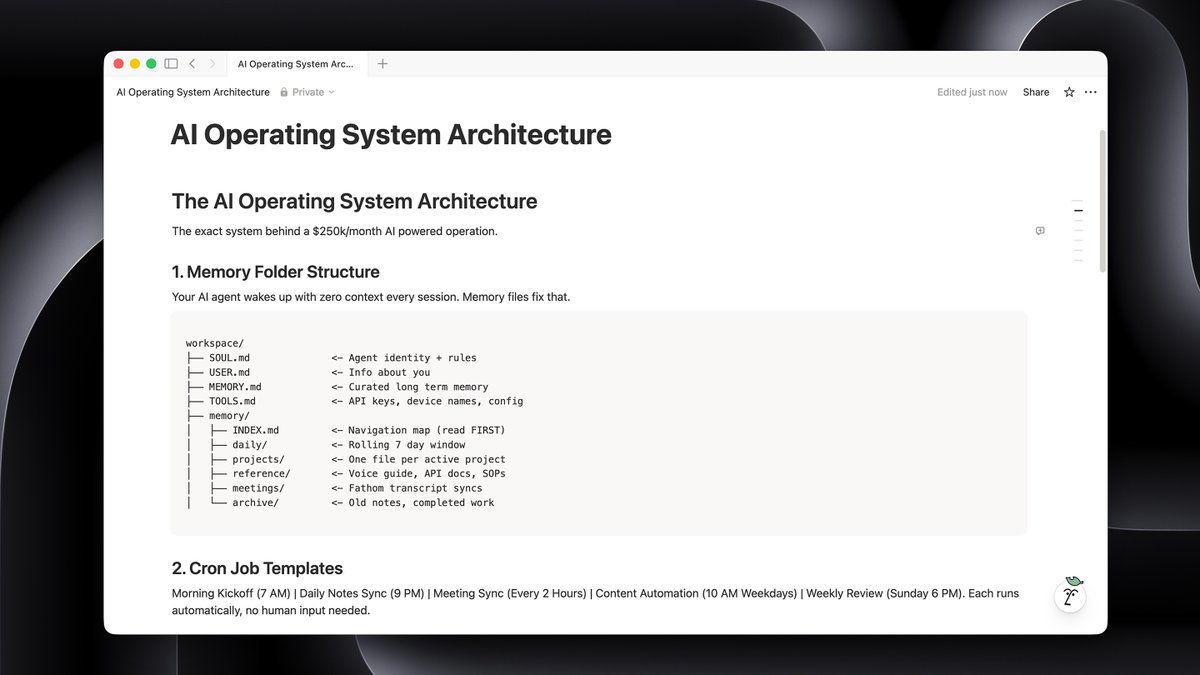
I'm giving away my entire @openclaw architecture. Behind my $250k/month agency. After weeks of building, I've dialled in the exact system that runs my business 24/7. What's included: • Memory folder structure (how to organize agent context) • Cron job templates (daily briefs, meeting syncs, content automation) • How to build a custom dashboard in @lovable • API reference doc (so your agent never forgets its tools) • Voice training method (85 posts to teach it your style) • Supabase schema for dashboard connection Comment "OS" and follow. I'll DM it to you. P.S. This will probably blow up so give me some time to reply.
Jacob Klug tweet media
English
5.9K
287
3.7K
398.6K