How robust is your meta-analysis to publication bias, phacking, unmeasured confounding, and more? Me and Maya Mathur @stanford_qsu created a suite of R packages and Shiny apps to help you answer these questions, check it out at metabias.io
Do you want to do a psychology experiment while following best practices in open science? My collaborators and I have created Experimentology, a new open web textbook (to be published by MIT Press but free online forever).
experimentology.io
Some highlights! 🧵
We are proud to publicly announce the MIT Graduate Student Union! MIT grad student-workers are unionizing to create a healthy and fair working and learning environment for all, by giving us a voice in the decisions that affect us. (1/4) #MITGSU
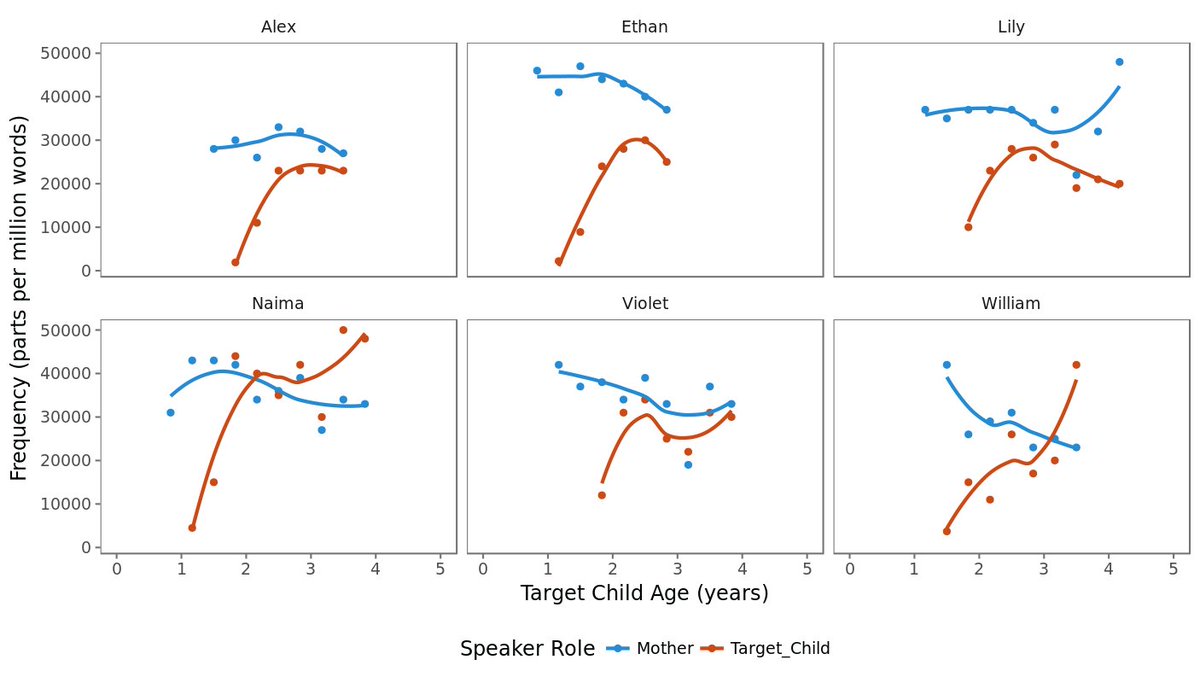
@bergelsonlab@tjmahr@mcxfrank@ev_fedorenko we're extracting the coefs df from the model and doing our own plotting, e.g. #L197" target="_blank" rel="nofollow noopener">github.com/langcog/wordba…
@mbraginsky@tjmahr@mcxfrank@ev_fedorenko cool, thanks @mbraginsky , looks like wordbank data:). are those plots some sort of ggplot + ggfortify from the lme4 output or something? if you had the repo/code link handy (email is fine) that'd be cool:)
I used to use SSI's "HLM" software to run mixed models. Now I use lme4 but it's somewhat slow and the optimizer struggles to estimate at times. Without leaving R (or going bases), is there a better / modern solution?
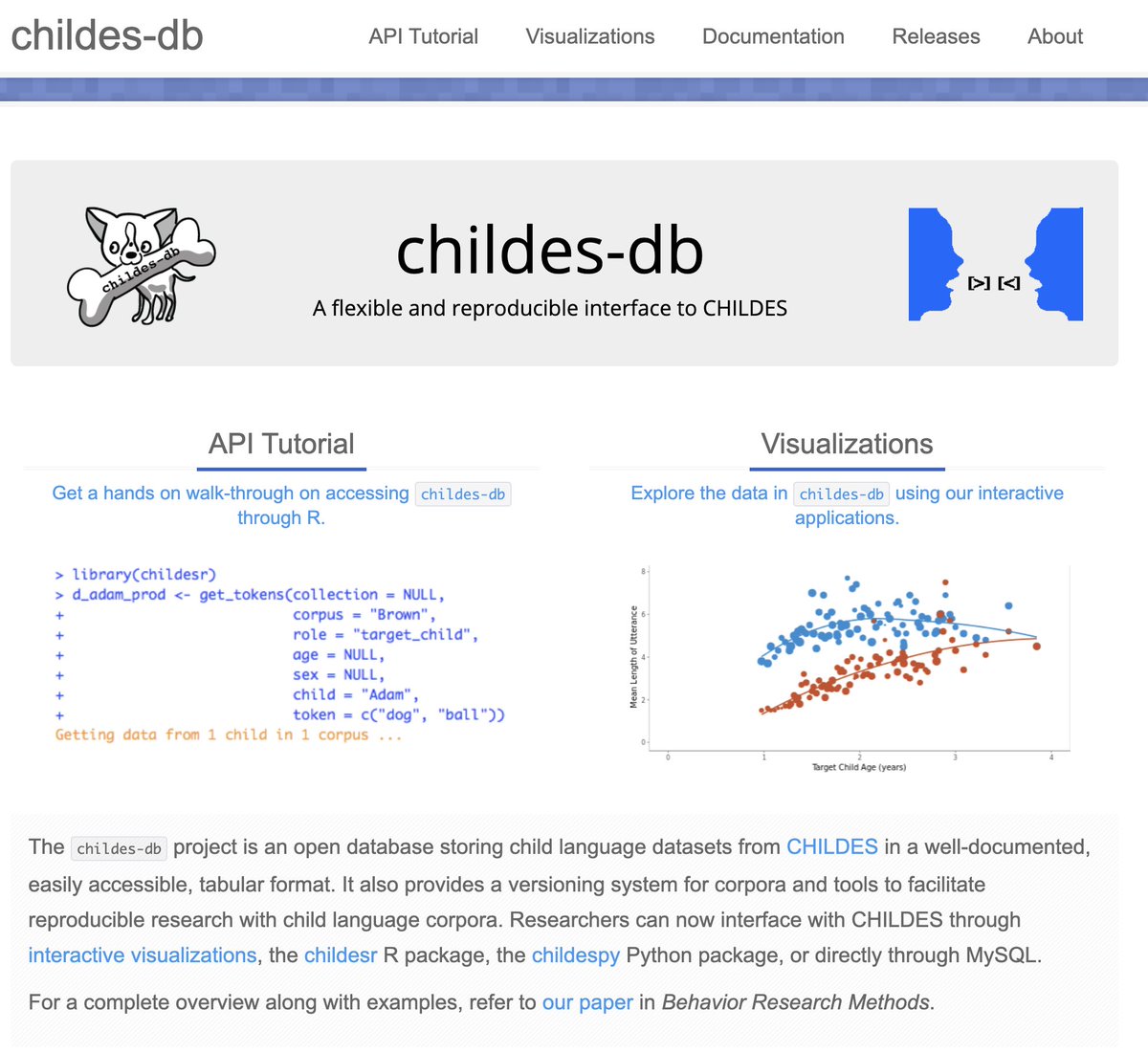
CHILDES is the premier resource for studying transcripts of children's language.
We created childes-db.stanford.edu, a reproducible, versioned interface.
Now childes-db has a 2020 update, with 1) updated R API, 2) new Python API, 3) phonbank, and 4) bugfixes.
The black hole image algorithm boss lady - Katie Bouman - took my psycholinguistics lab class in 2013 (with @kmahowald TAing)
cnn.com/2019/04/10/us/…
She did a project on noisy channel interpretation, and now she is figuring out the origins of the universe