NASA Science

20.3K posts

NASA Science banner
NASA Science

NASA Science

@NASAScience_

Powered by data, driven by discovery, made for everyone.

参加日 Eylül 2010
83 フォロー中1.3M フォロワー
NASA Science
NASA Science@NASAScience_·
Some regions on the Sun stay active for months... and they may produce far more solar flares than expected. Using data from this citizen science project, researchers found these long-lived regions are 3–6× more likely to produce the Sun’s most powerful flares: go.nasa.gov/4sSx9yw
English
21
91
399
20.5K
NASA Science がリツイート
NASA Space Alerts
NASA Space Alerts@NASASpaceAlerts·
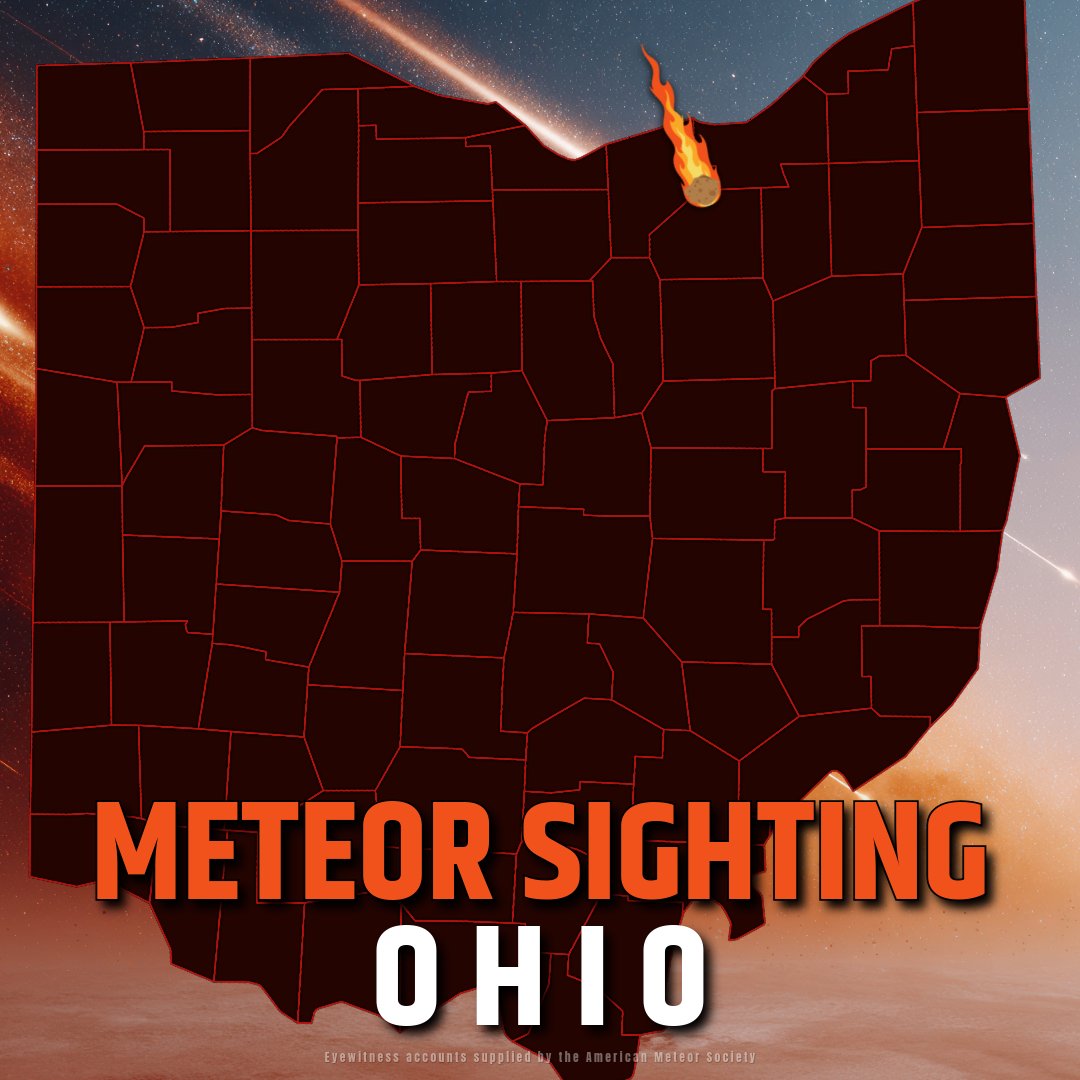
#MeteorSighting: A very bright daylight fireball was observed by witnesses from the northeast U.S. and Canada this morning, March 17. An analysis of currently available data places first visibility of the meteor above Lake Erie. The fireball - caused by a small asteroid nearly 6 feet in diameter and weighing about 7 tons - moved southeast at 45,000 mph before fragmenting over Valley City. The fragments continued on to the south, producing meteorites in the vicinity of Medina County, Ohio. 🔗 go.nasa.gov/4bcMwMg Eyewitness accounts supplied by the American Meteor Society
NASA Space Alerts tweet media
English
161
672
3K
475.5K
NASA Science がリツイート
NASA
NASA@NASA·
When OSIRIS-REx reached the asteroid Bennu in 2018, scientists expected to find a smooth, beach-like surface. Instead, they encountered a jagged, rugged world. Samples of the asteroid, brought back to Earth in 2023, are helping untangle the mystery: go.nasa.gov/4cMGBPb
GIF
English
144
553
3.1K
321.9K
NASA Science
NASA Science@NASAScience_·
NASA’s Parker Solar Probe just did it again. ☀️ On March 11th, it completed its 27th close approach to the Sun, flying just 3.8 million miles from the solar surface at a blistering and record-matching 430,000 mph. New data drops March 18: go.nasa.gov/474BFBH
GIF
English
130
427
2.1K
329.3K
NASA Science
NASA Science@NASAScience_·
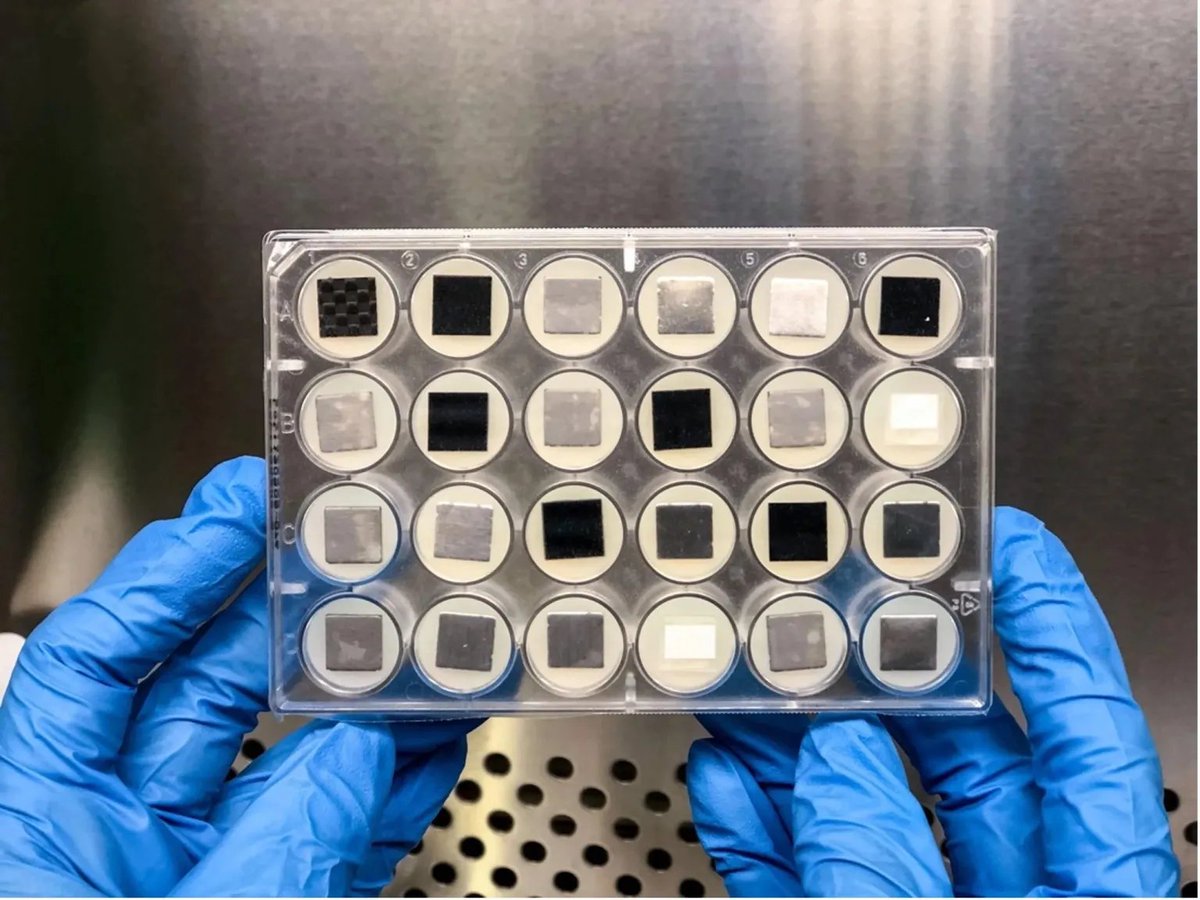
What happens when microscopic life goes to space? NASA volunteers studied biofilms, layers of microbes that live together on surfaces, to see how they adapt to spaceflight. The results could help support astronaut and plant health on future missions: go.nasa.gov/4rDrMSX
NASA Science tweet media
English
4
23
118
6.8K
Falling Asleep with the Universe
@NASAScience_ This is the power of Citizen Science! It’s so inspiring to see how professional researchers and volunteer astronomers can team up to track planetary defense. Science truly belongs to everyone.
English
1
0
0
13
NASA Science
NASA Science@NASAScience_·
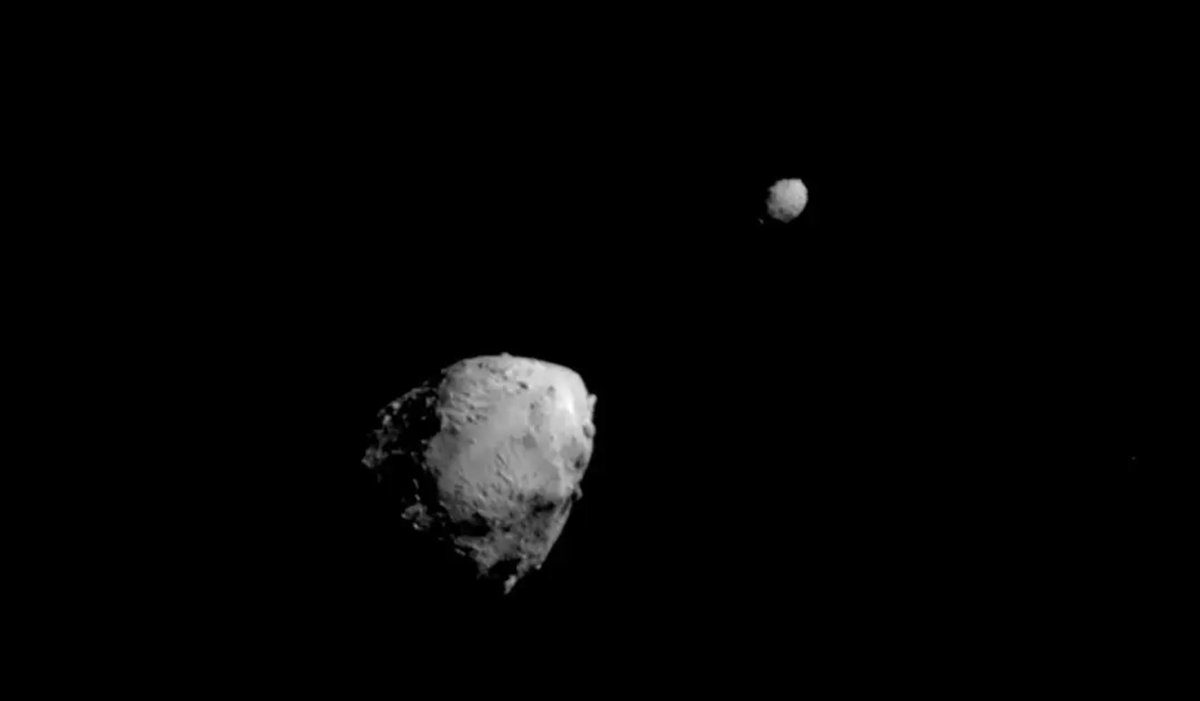
NASA used a spacecraft to hit an asteroid. Now scientists have discovered the impact altered the orbit of that entire asteroid system around the Sun. Discover how they measured this tiny change with help from volunteer astronomers around the world: go.nasa.gov/4uqwl5w
NASA Science tweet media
English
13
59
292
11.8K
NASA Science
NASA Science@NASAScience_·
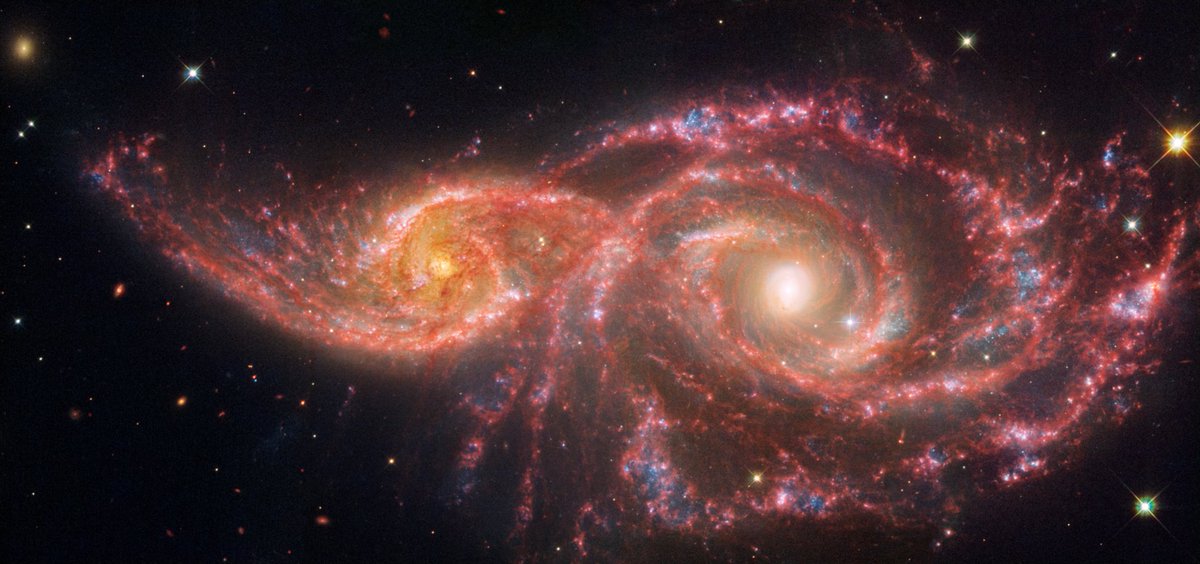
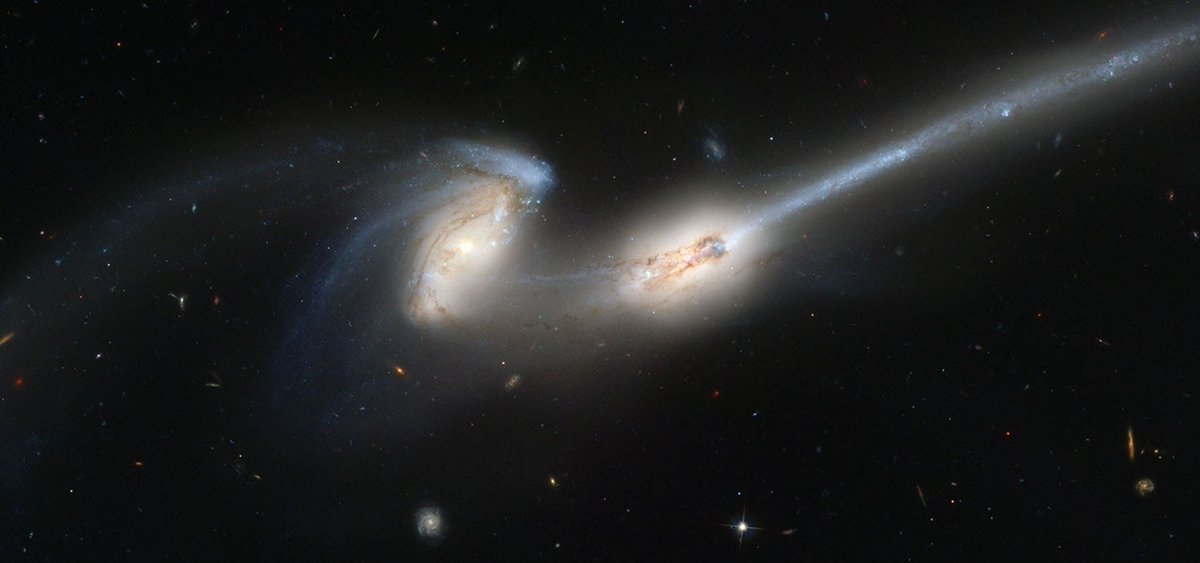
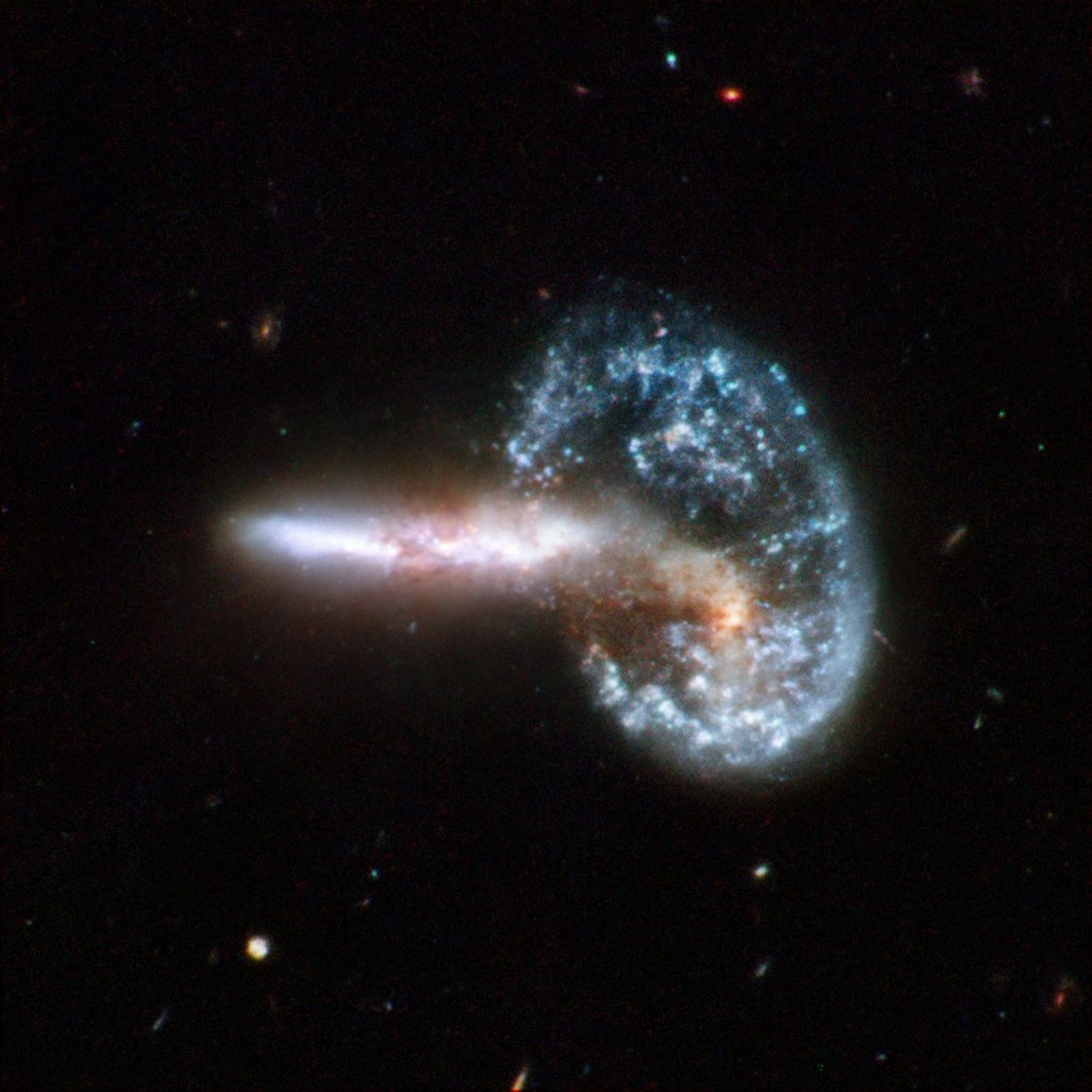
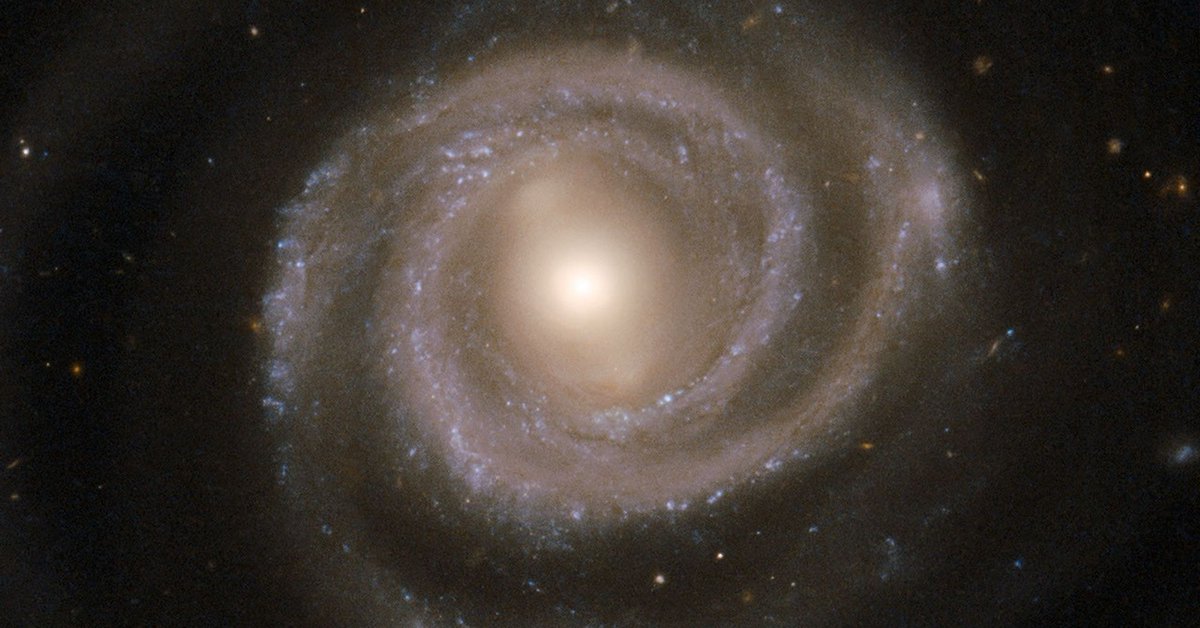
Galaxies leave clues when they collide. Tails, shells, and faint streams of stars reveal past encounters, and Euclid telescope images are uncovering them in stunning detail. You can help scientists spot these cosmic signatures with Galaxy Zoo: Tidal Tales: go.nasa.gov/4b9QvcA
NASA Science tweet mediaNASA Science tweet mediaNASA Science tweet mediaNASA Science tweet media
English
28
235
1.2K
41.3K
NASA Science
NASA Science@NASAScience_·
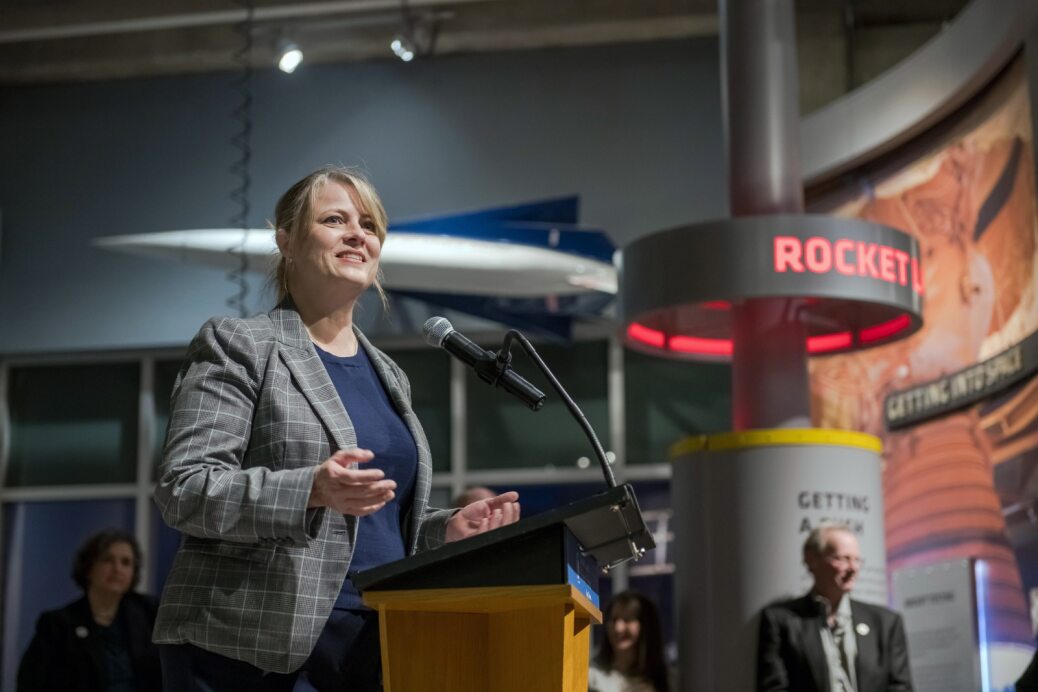
From deep space biology to lunar combustion experiments, Dr. Lisa Carnell shares what's next for NASA's Biological and Physical Sciences Division. Listen to the new episode of Houston We Have a Podcast: go.nasa.gov/4lnI6FA
NASA Science tweet media
English
2
7
57
4.7K
NASA Science がリツイート
NASA Mars
NASA Mars@NASAMars·
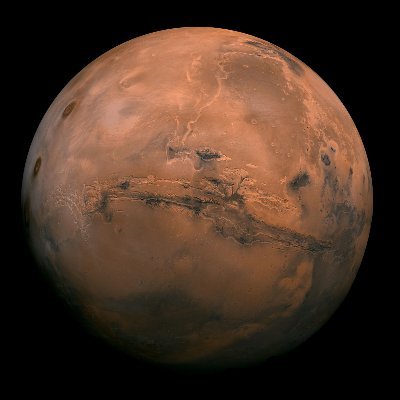
Our Eye on Mars 🔴 As it marks 20 years at the Red Planet, here are five ways @NASA's Mars Reconnaissance Orbiter (MRO) is mapping the future of exploration. 🛰 ➠ 👩‍🚀 🧵 1/6
English
54
430
2.3K
197.7K
NASA Science
NASA Science@NASAScience_·
NASA‑sponsored researchers have created new electronics that can survive extreme radiation and temperatures. This breakthrough could enable the next generation of robotic explorers and support sustainable human outposts on the Moon and Mars. 🔗 go.nasa.gov/4liI9Tc
NASA Science tweet media
English
50
191
974
73.3K
NASA Science
NASA Science@NASAScience_·
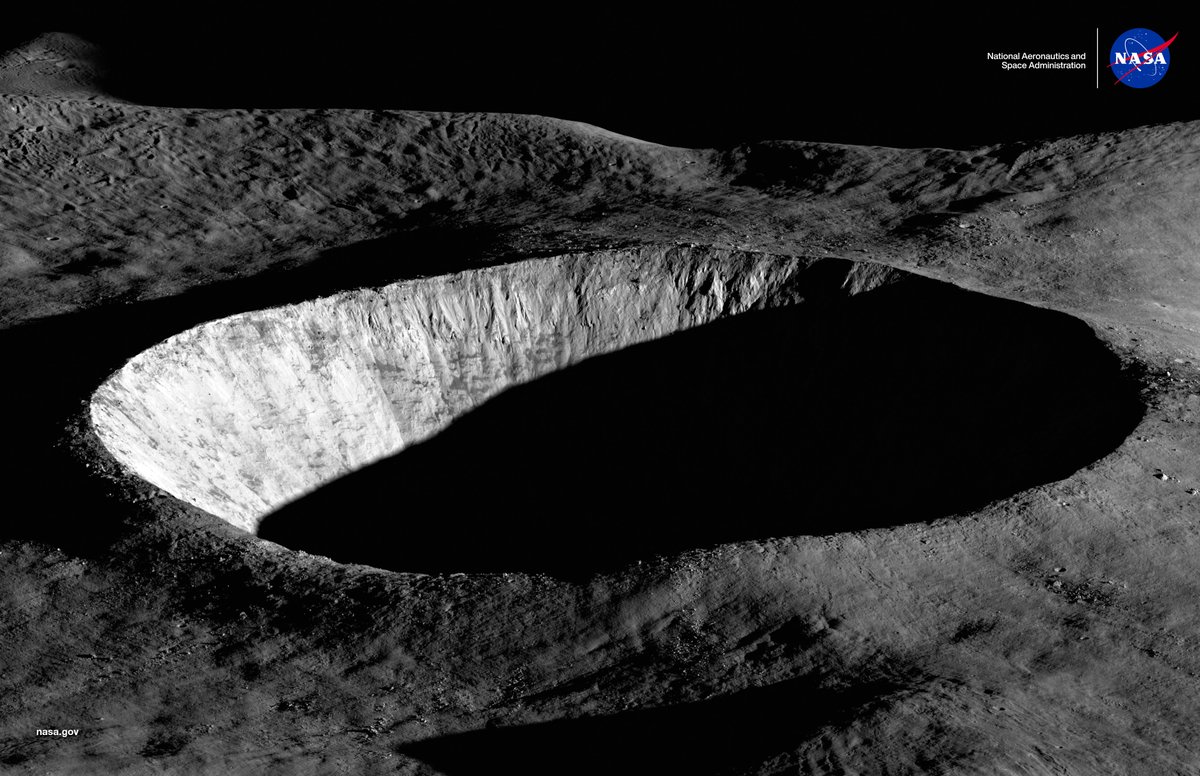
Everyone is buzzing about the Moon! This month’s featured image is a breathtaking view from the Lunar Reconnaissance Orbiter: the western wall of an unnamed lunar crater glowing in morning sunlight, casting long, dramatic shadows across the surface: go.nasa.gov/46RqxIa
NASA Science tweet media
English
72
313
2K
97.2K
NASA Science
NASA Science@NASAScience_·
How much do rivers rise and fall during a year? New data from the joint NASA and CNES SWOT mission suggests that Earth's rivers don't change as much over the course of a year as previously thought. Read more: go.nasa.gov/3Noo4hL
English
9
44
195
12.2K
NASA Science がリツイート
Nancy Grace Roman Space Telescope
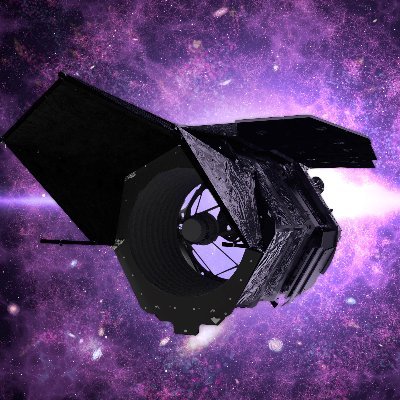
Allow us to reintroduce ourselves… The Nancy Grace Roman Space Telescope is @NASA’s next space observatory, set to launch as early as fall 2026. Named after NASA’s first chief astronomer, #NASARoman will have a field of view at least 100 times larger than @NASAHubble. This field of view will help us better understand many cosmic mysteries including dark matter and dark energy. It will revolutionize our understanding of the universe by revealing countless cosmic objects, from stars and planets to galaxies and black holes. The telescope will be heading a million miles away to Lagrange point 2 along with fellow telescope, @NASAWebb. Check out nasa.gov/roman to stay up to date on the mission!
English
74
331
1.5K
282.7K
NASA Science
NASA Science@NASAScience_·
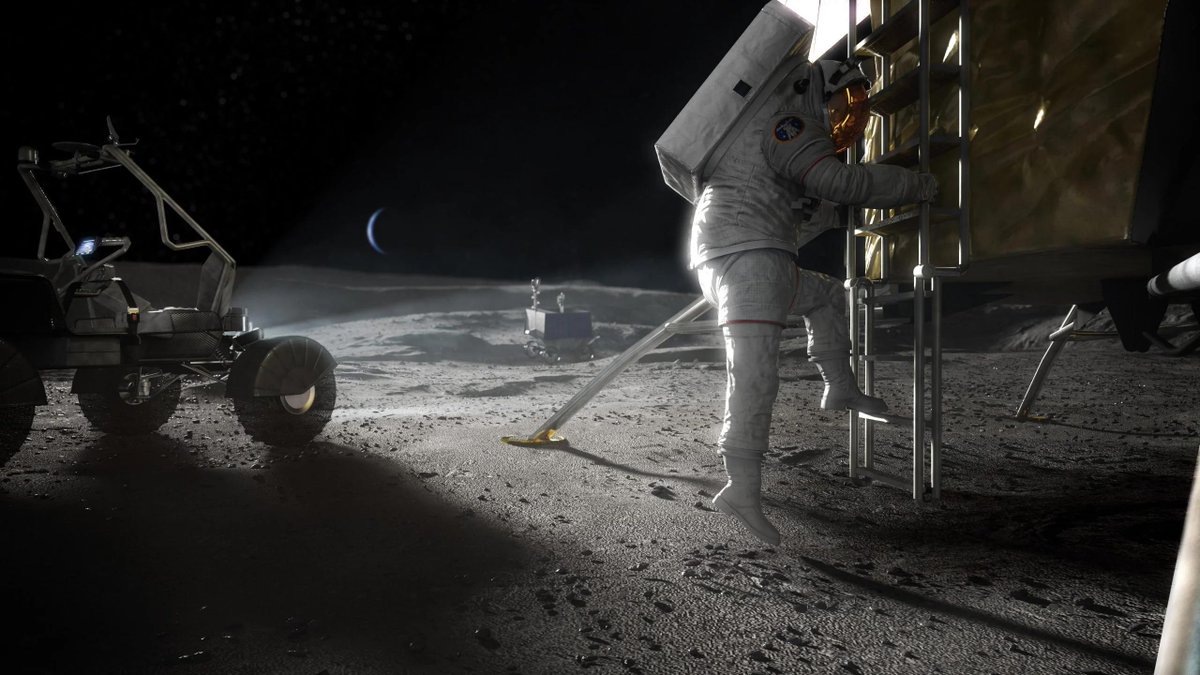
Can't get enough of the Moon? Join the Lunar Melt citizen science project and help identify lunar craters and boulders. Your clicks will help scientists understand the Moon’s terrain and prepare for future landings. Get started: go.nasa.gov/408WtE3
NASA Science tweet media
English
3
50
259
18.4K
NASA Science がリツイート
NASA
NASA@NASA·
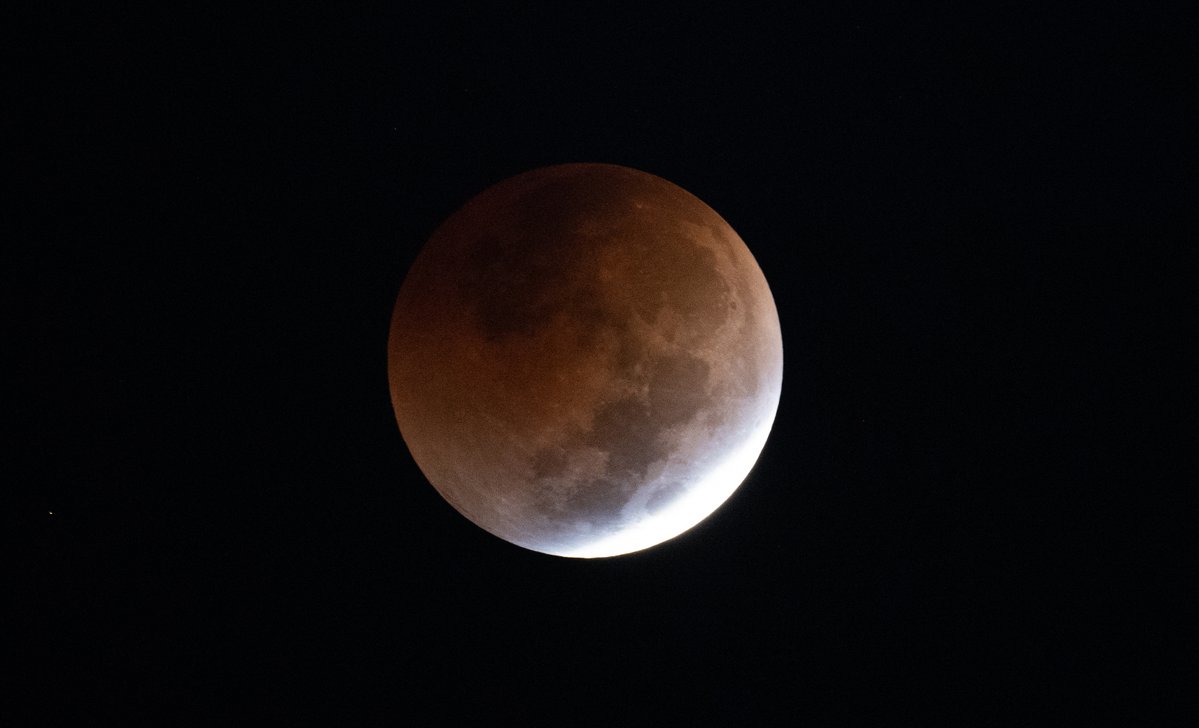
What's up for March? The Moon will appear red during a total lunar eclipse on March 3. On the 8th, Venus and Saturn snuggle close in the night sky. Plus, March 20 is the first day of spring in the Northern Hemisphere. More: science.nasa.gov/solar-system/w…
English
840
6.5K
26.6K
6M
NASA Science がリツイート
NASA Earth
NASA Earth@NASAEarth·
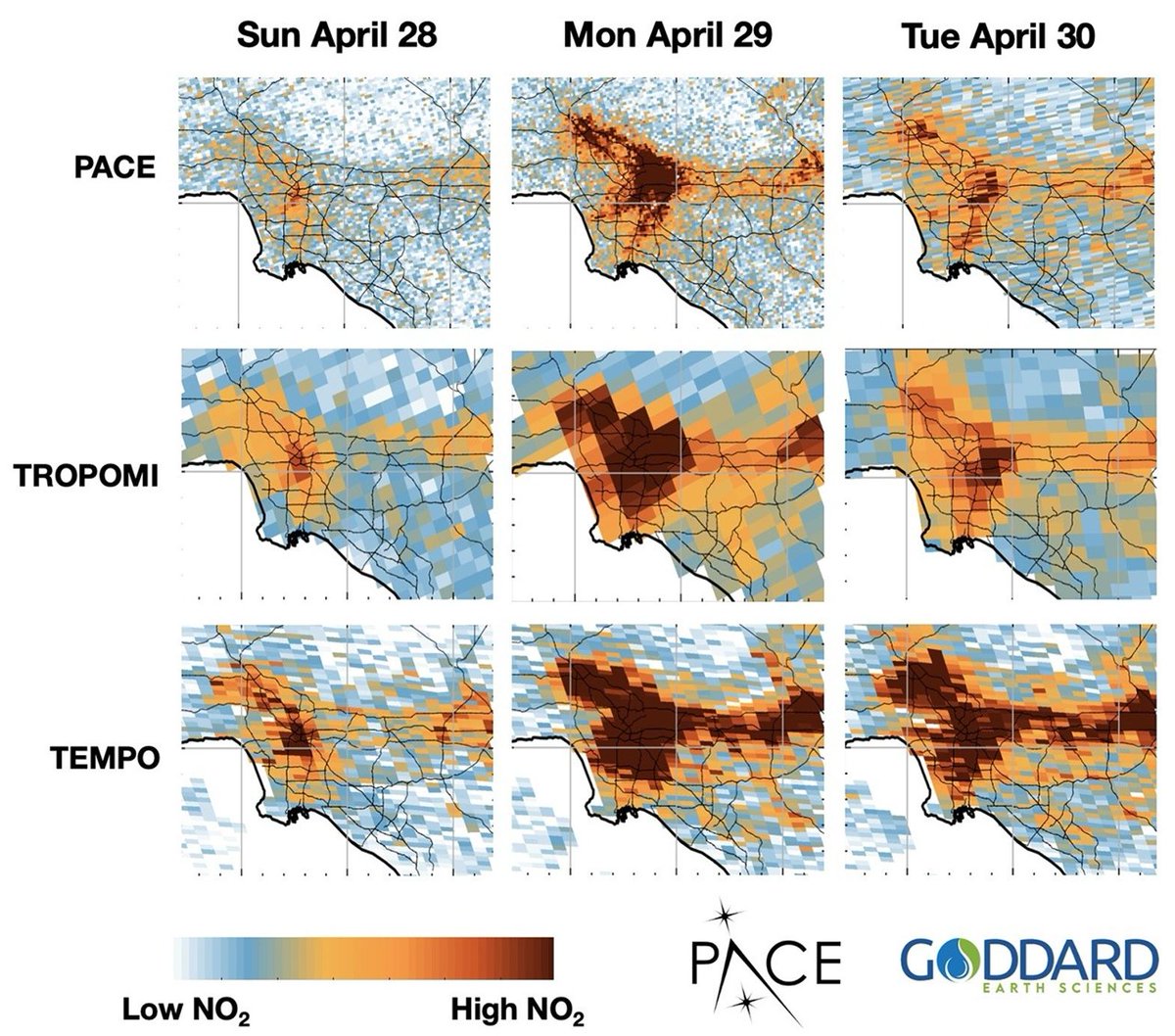
New skill unlocked! 🔓 NASA’s PACE satellite, known for measuring tiny ocean organisms and particles in the atmosphere, has a new ability: it can track nitrogen dioxide, a harmful air pollutant. go.nasa.gov/3ZZ9U9B
NASA Earth tweet media
English
9
44
188
21K
NASA Science がリツイート
NASA Earth
NASA Earth@NASAEarth·
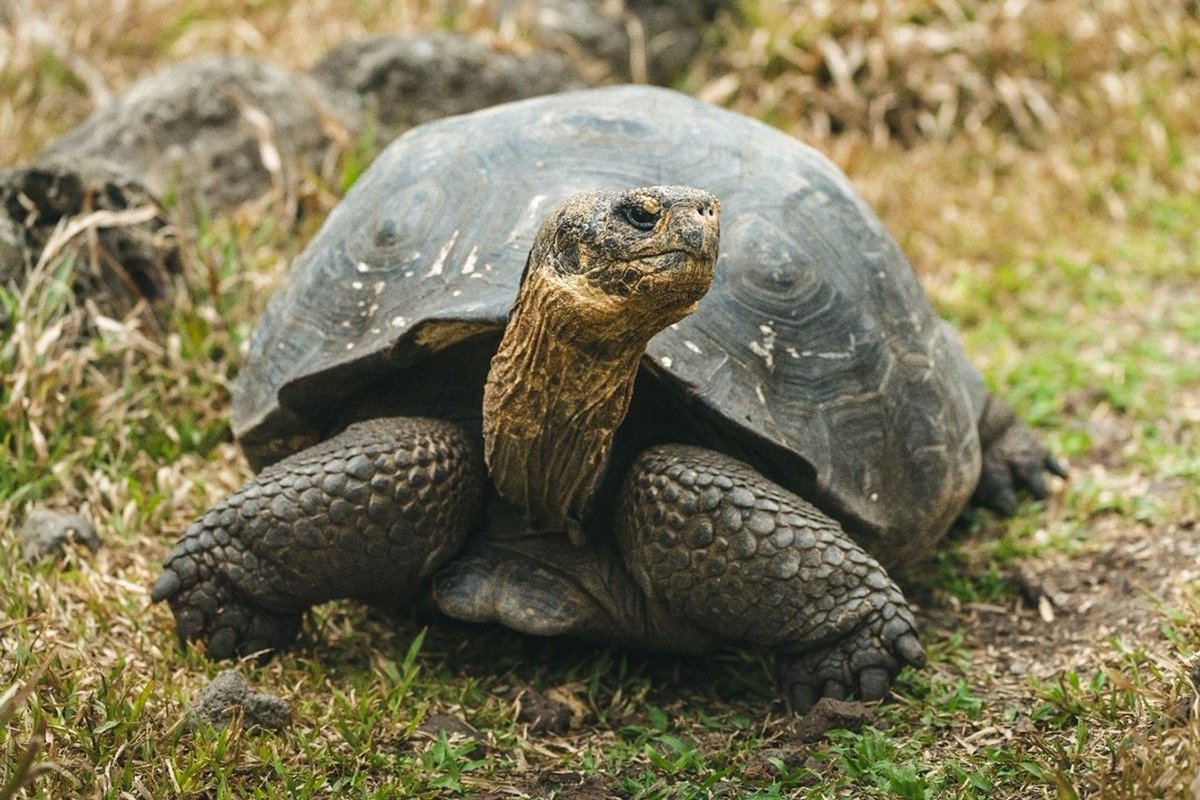
Giant tortoises are returning to the wild on Floreana Island in the Galápagos for the first time in over 150 years. Conservation teams used @NASA satellite data to help choose release sites where the animals can find food, water, and nesting areas. go.nasa.gov/3MDcK11
NASA Earth tweet media
English
19
110
451
21.2K
NASA Science
NASA Science@NASAScience_·
Imagine waiting months for space samples to return to Earth? There's a better way. 🔬 NASA is evaluating a compact laboratory instrument aboard the @Space_Station that could allow scientists to analyze samples directly in orbit. Not much larger than a cellphone, the device has the potential to transform how scientific research is conducted in low Earth orbit—and eventually, beyond. go.nasa.gov/3OlIok8
NASA Science tweet media
English
9
62
277
9.7K
NASA Science
NASA Science@NASAScience_·
Did you know the tech you use probably every day was created originally at NASA! @NASAJPL developed this “camera-on-a-chip” technology for space missions, and now it enables billions of devices like the cameras in your phone. 🔗 go.nasa.gov/4ry1xOd
NASA Science tweet media
English
23
63
279
24.2K