固定されたツイート

$NANO is what #Bitcoin was supposed to be 💖
✅ ZERO fees
✅ Fastest cryptocurrency
✅ No inflation
✅ More decentralized than Bitcoin
✅ Environmentally friendly
✅ Deterministic finality
✅ Scalable
#cryptoCURRENCY #digitalMoney
GIF
English
Patrick Luberus
24.8K posts

@patrickluberus
#Nano is what #Bitcoin was supposed to be Rep: nano_3patrick68y5btibaujyu7zokw7ctu4onikarddphra6qt688xzrszcg4yuo


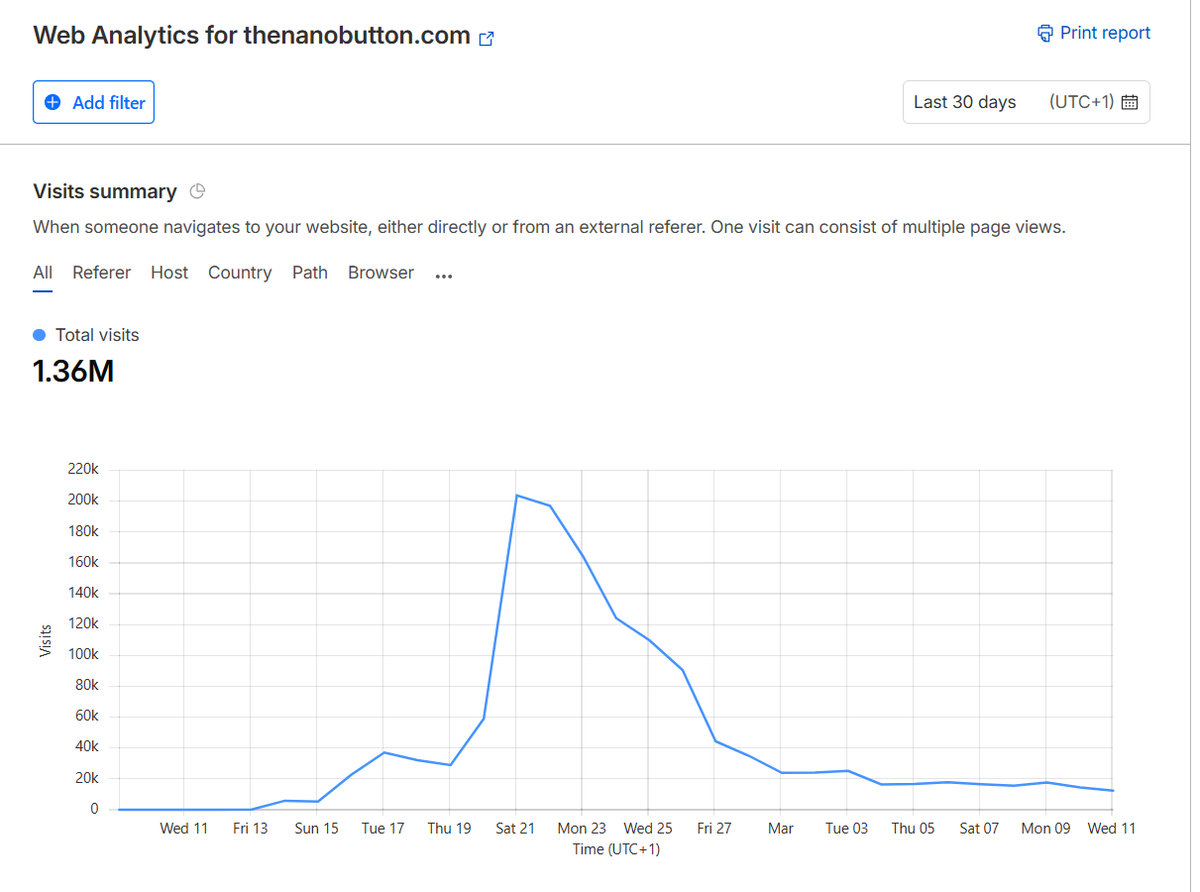
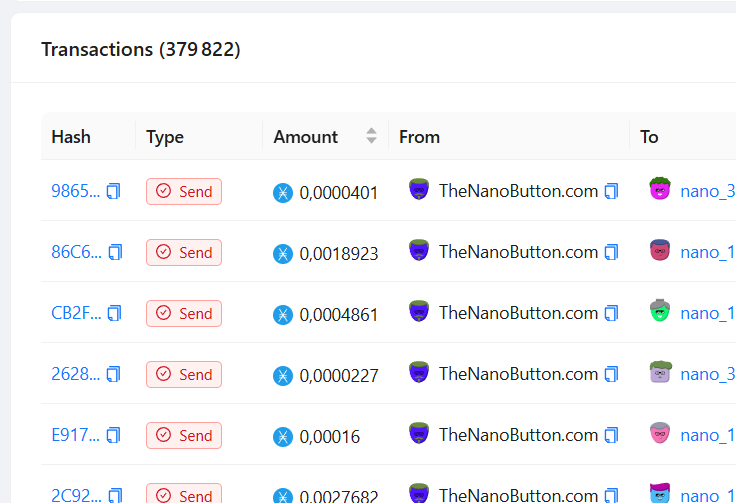
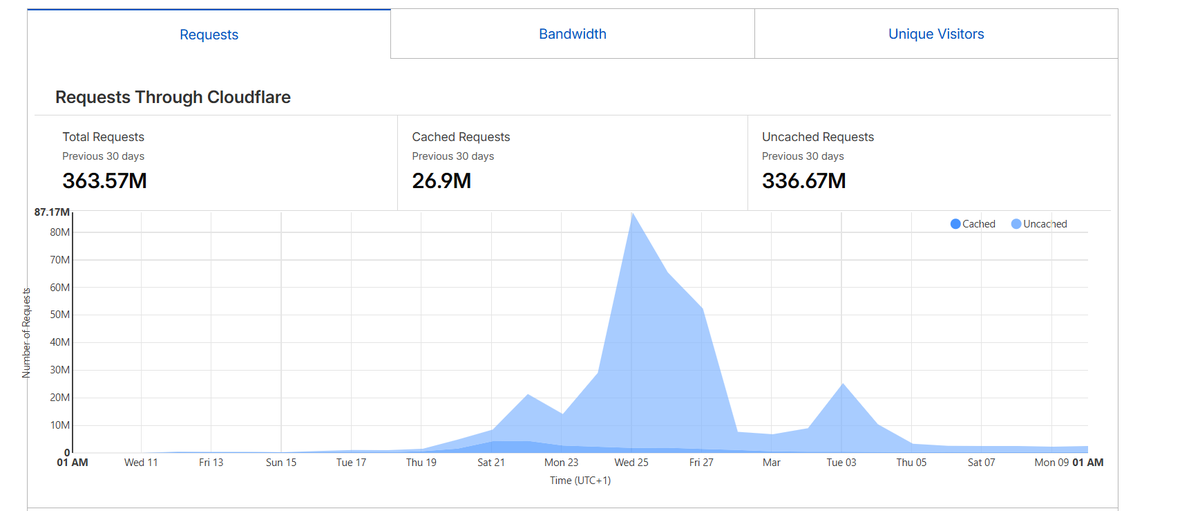
We're now at $1,000 distributed for free. Peak at 6k simultaneously connected users. The vast majority of withdrawals were completed and confimed in less than a second. During withdrawals peak hours, some users might have waited a few seconds because of my GPU overloaded.




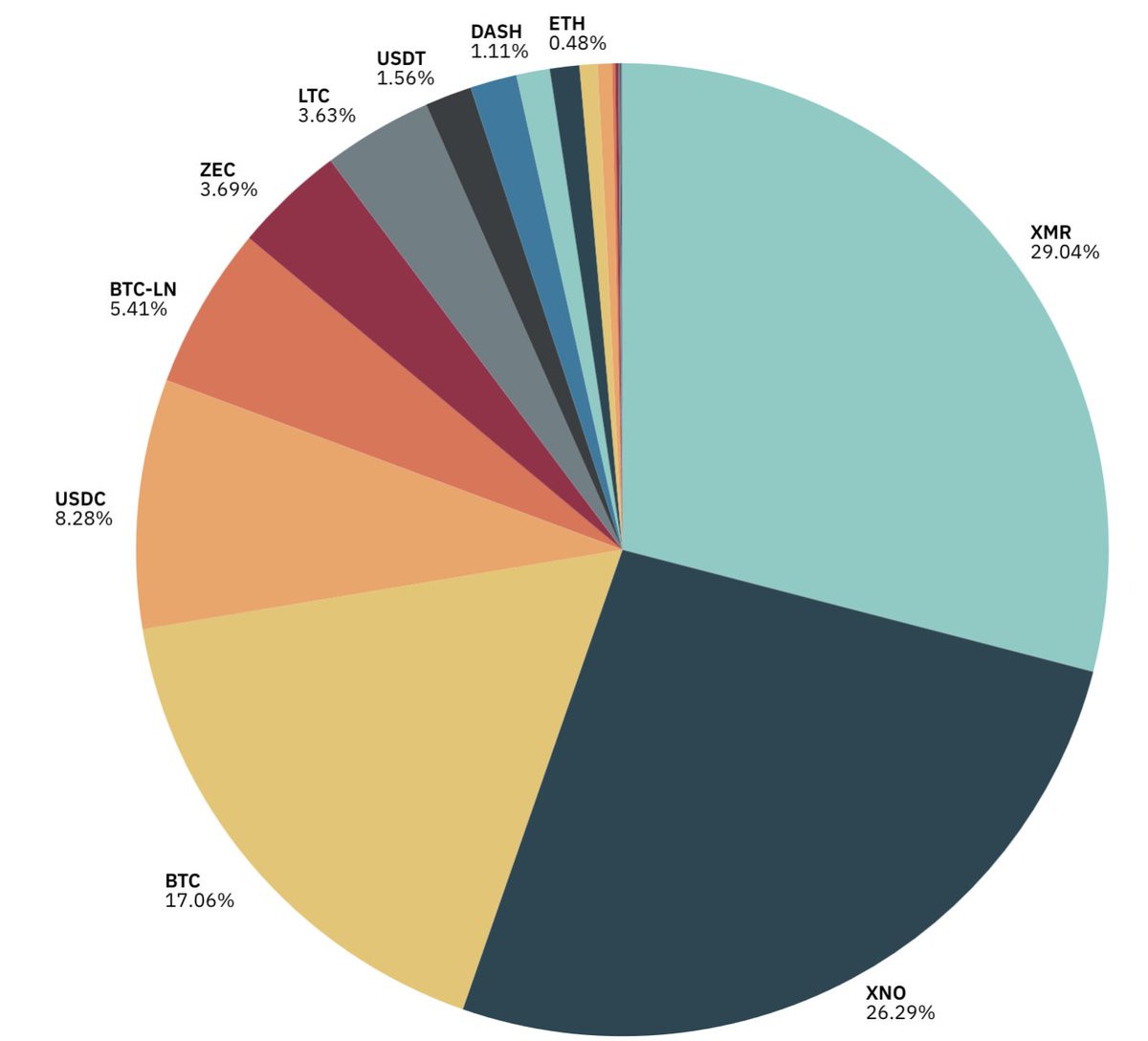
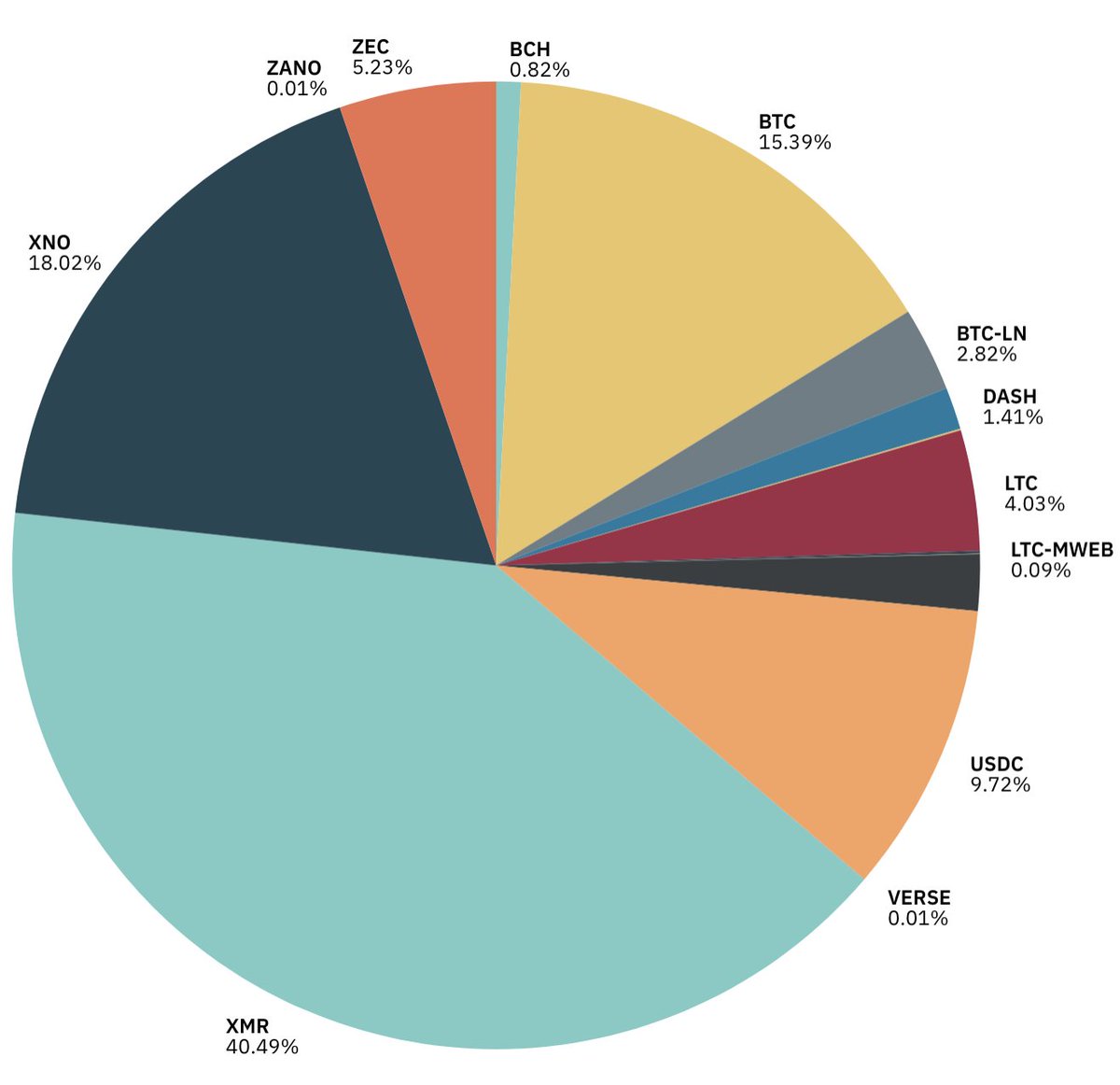
First payment statistics of 2026! Monero remains dominant, strong growth from ZEC, BTC + LN and Nano are closely matched, and Dash grew strongly. Going into it 👇🧵







What’s dangerous about someone like Talarico is that he’s not progressive on policy. Doesn’t support single payer or an arms embargo, yet progressives are championing him. What can’t happen is progressives being fooled by rhetoric and marketing.