Zubair Sapi

3.4K posts

Zubair Sapi banner
Zubair Sapi

Zubair Sapi

@zubairsapi

DIFC,ADGM & AIFC Courts’ registered Counsel/GC/Litigation & Arbitration/Mediation/Dispute Settlement& Resolution/ Civil Fraud/Commercial Disputes/Legal Tech& Ai

Abu Dhabi, United Arab Emirate 参加日 Ocak 2017
675 フォロー中140 フォロワー
Zubair Sapi がリツイート
Matt Mireles
Matt Mireles@mattmireles·
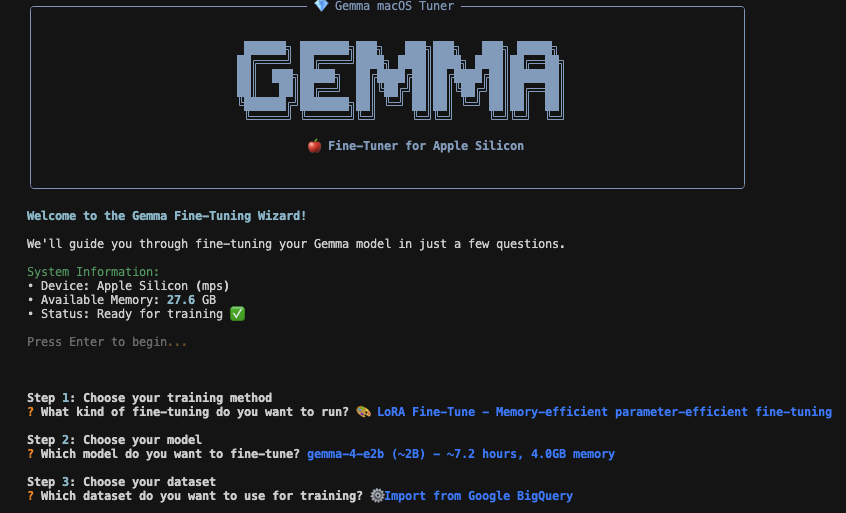
Introducing... Gemma 4 Multimodal Fine-Tuner for  Apple Silicon - LoRA fine-tunning toolkit for Gemma LLM - runs locally on macOS via PyTorch and Metal - streams data from Google Cloud to your machine - fine-tune on audio, image and text - easy-to-use CLI wizard If you want to fine-tune the new Gemma 4 on text, images, or audio without renting an H100 or copying a terabyte of data to your laptop, this is the only toolkit that does it all on Apple Silicon.
Matt Mireles tweet media
English
6
33
253
17.9K
Zubair Sapi がリツイート
Akshay 🚀
Akshay 🚀@akshay_pachaar·
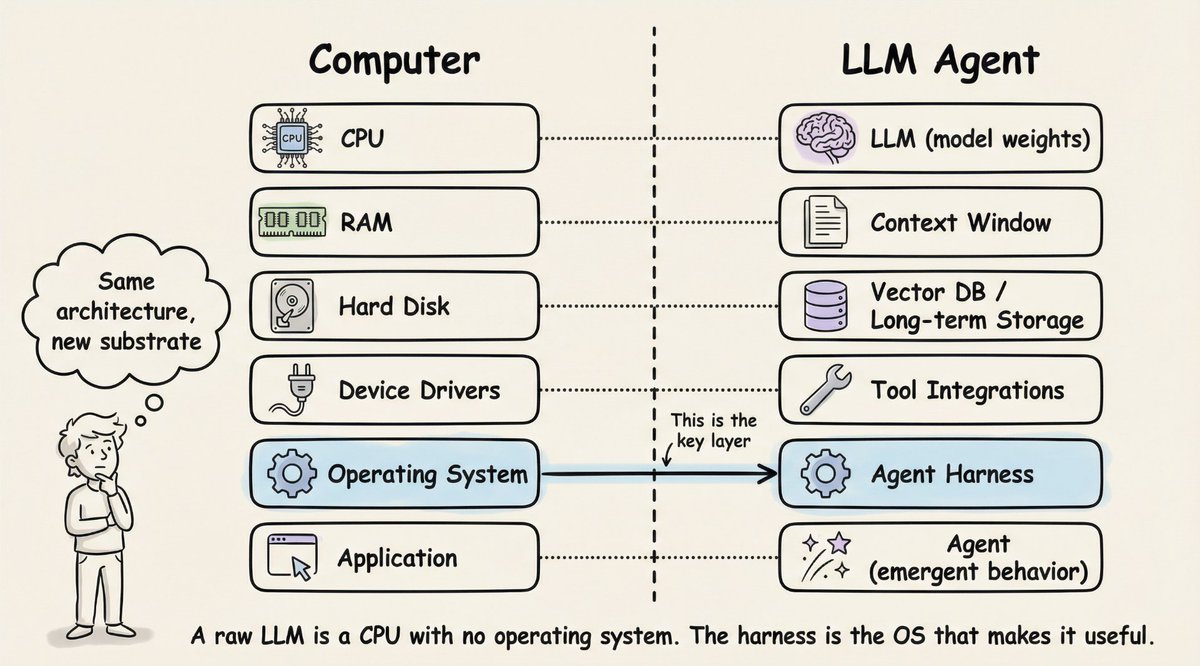
A raw LLM is just like a CPU without OS. It can compute. But it can't do anything useful on its own. This analogy is the clearest way I've found to understand what an agent harness actually does. Here's the mapping: • 𝗖𝗣𝗨 → 𝗟𝗟𝗠 (model weights). The raw compute engine. Powerful, but useless without infrastructure around it. • 𝗥𝗔𝗠 → 𝗖𝗼𝗻𝘁𝗲𝘅𝘁 𝘄𝗶𝗻𝗱𝗼𝘄. Fast, always available, but limited. When it fills up, you start losing things. • 𝗛𝗮𝗿𝗱 𝗱𝗶𝘀𝗸 → 𝗩𝗲𝗰𝘁𝗼𝗿 𝗗𝗕 / 𝗹𝗼𝗻𝗴-𝘁𝗲𝗿𝗺 𝘀𝘁𝗼𝗿𝗮𝗴𝗲. Large capacity, but slow to access. You retrieve from it, not compute in it. • 𝗗𝗲𝘃𝗶𝗰𝗲 𝗱𝗿𝗶𝘃𝗲𝗿𝘀 → 𝗧𝗼𝗼𝗹 𝗶𝗻𝘁𝗲𝗴𝗿𝗮𝘁𝗶𝗼𝗻𝘀. The interfaces that let the model interact with the outside world. Code execution, web search, file I/O. • 𝗢𝗽𝗲𝗿𝗮𝘁𝗶𝗻𝗴 𝘀𝘆𝘀𝘁𝗲𝗺 → 𝗔𝗴𝗲𝗻𝘁 𝗵𝗮𝗿𝗻𝗲𝘀𝘀. This is the key layer. It manages everything: which tools to call, what fits in memory, when to retrieve, how to recover from errors, and when to stop. And then there's the 𝗮𝗽𝗽𝗹𝗶𝗰𝗮𝘁𝗶𝗼𝗻 layer. That's the "agent" itself. Not a piece of software you install, but emergent behavior that arises when the OS does its job well. This is why two products using the exact same model can perform completely differently. LangChain changed only their harness infrastructure (same model, same weights) and jumped from outside the top 30 to rank 5 on TerminalBench 2.0. The model didn't improve. The operating system around it did. The article below is a deep dive on agent harness engineering, covering the orchestration loop, tools, memory, context management, and everything else that transforms a stateless LLM into a capable agent.
Akshay 🚀 tweet media
Akshay 🚀@akshay_pachaar

x.com/i/article/2040…

English
27
106
446
43.8K
Zubair Sapi がリツイート
Ihtesham Ali
Ihtesham Ali@ihtesham2005·
A MIT student figured out how to compress an entire semester of lecture content into one 90-minute study session. He calls it "context stacking," and it's the most unfair thing I've seen done with NotebookLM. I asked him to walk me through it. He did. I haven't studied the same way since. Here's exactly what he does. Two days before each lecture, he uploads everything into NotebookLM. The assigned readings, the previous week's slides, 3 or 4 related papers he finds himself, and any problem sets that are still open. Most students wait for the lecture to explain the material. He walks in having already built a mental model of it. That's step one. But it's not the move that makes it unfair. The first prompt he runs across all of it: "What are the 5 core concepts this week's content is built on, and how do they connect to what I studied last week?" Not summarize. Not define. Connect. NotebookLM pulls threads across everything he uploaded simultaneously. It surfaces relationships between ideas that would take a normal student weeks of review to notice. He gets that map before the lecture even starts. Then he runs the prompt that does most of the work. "What would I need to genuinely understand about this material to be able to teach it to someone with zero background in this subject?" That question is doing something most students never force themselves to do. It exposes exactly where his understanding is solid and exactly where it's hollow. The gaps show up immediately, and he spends the rest of the 90 minutes filling only those gaps. Not reviewing what he already knows. Only fixing what he doesn't. The final prompt is the one that separates context stacking from every other study method I've heard of. "What question could a professor ask about this material that would expose a student who understood the surface but missed the underlying logic?" He's not studying for the exam he expects. He's studying for the exam designed to catch people who only think they understood it. By the time he sits in the lecture hall, the professor is not teaching him anything new. The professor is confirming what he already mapped, filling in a few details, and occasionally surprising him with something he didn't anticipate. That surprise is the only thing he writes down. Most students leave a lecture hoping the material will eventually click. He walks in with it already clicked, and uses the lecture to find out what he missed. That's not a study hack. That's a completely different relationship with learning.
Ihtesham Ali tweet media
English
48
395
2.4K
177K
Zubair Sapi がリツイート
Art Levy
Art Levy@artlevy·
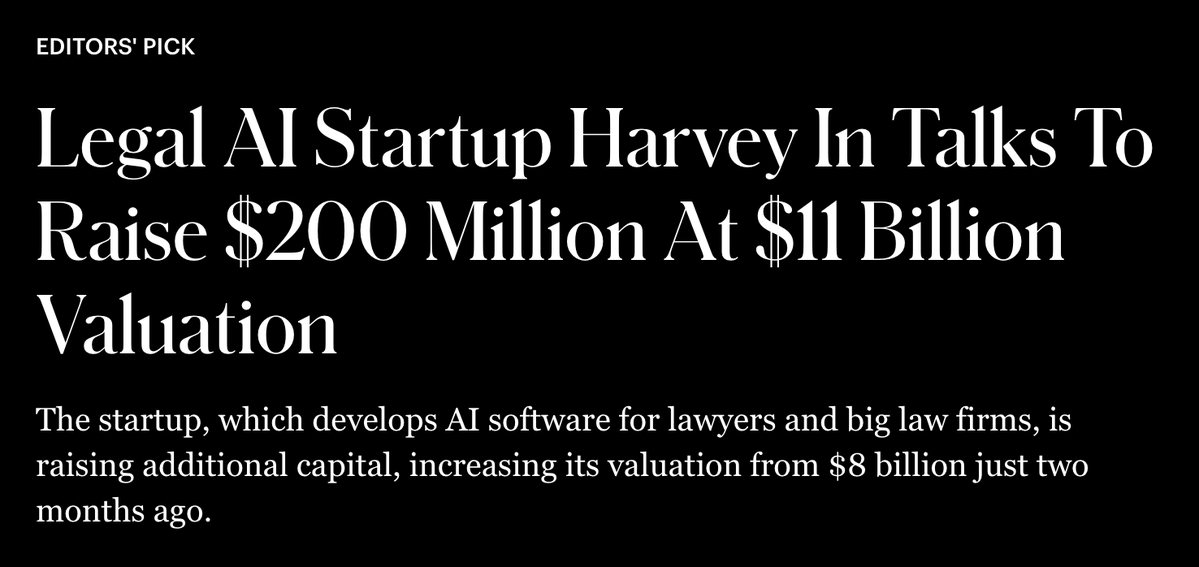
Harvey: ~$1B raised across 4 rounds in 14 months. Legora: ~$800M across 3 rounds in 10 months. Combined $1.7B+ into two legal AI companies. History doesn't repeat, it rhymes. This is the Capital Wars playbook we've seen before 🧵
Art Levy tweet mediaArt Levy tweet media
English
5
5
90
20.3K
Zubair Sapi がリツイート
ICC Arbitration
ICC Arbitration@ICC_arbitration·
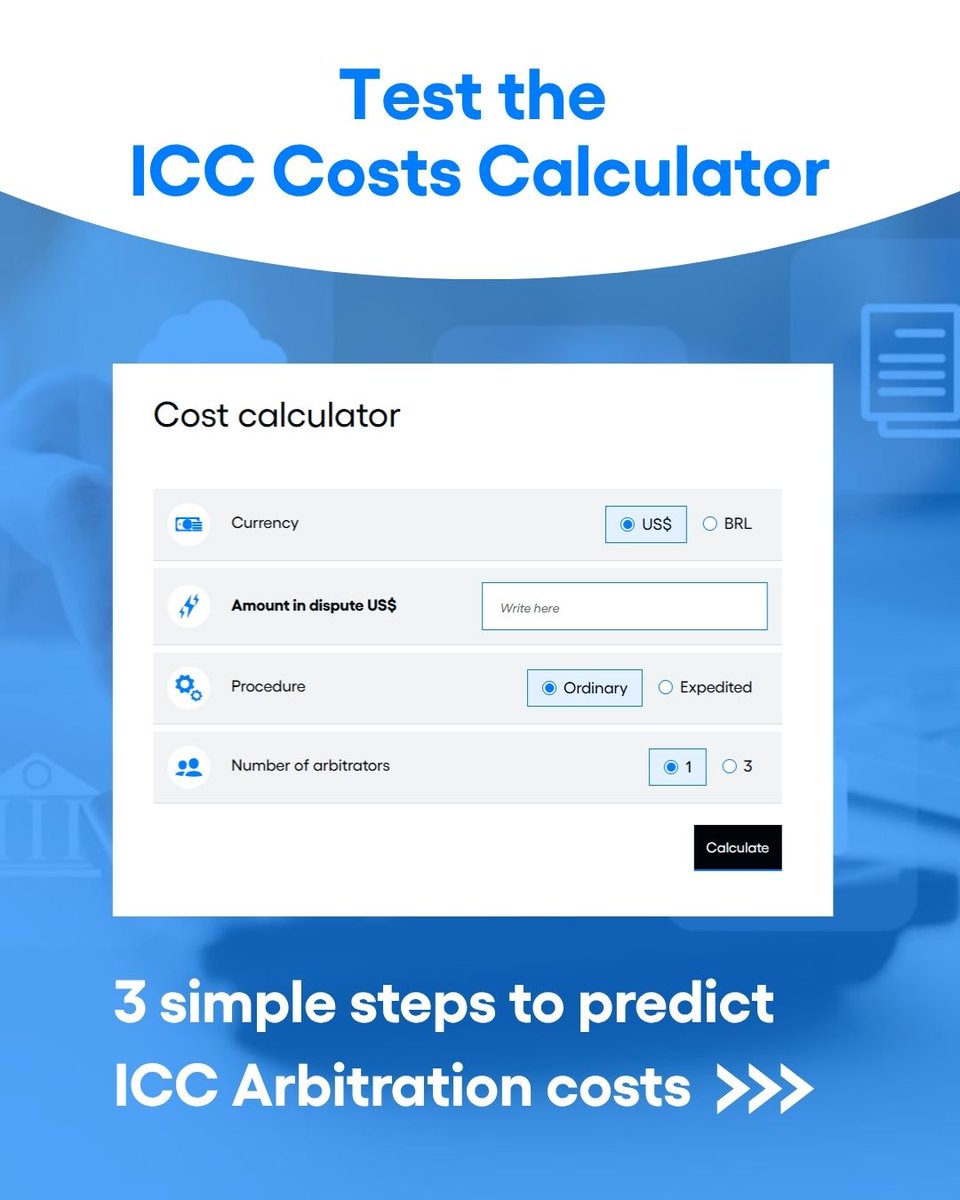
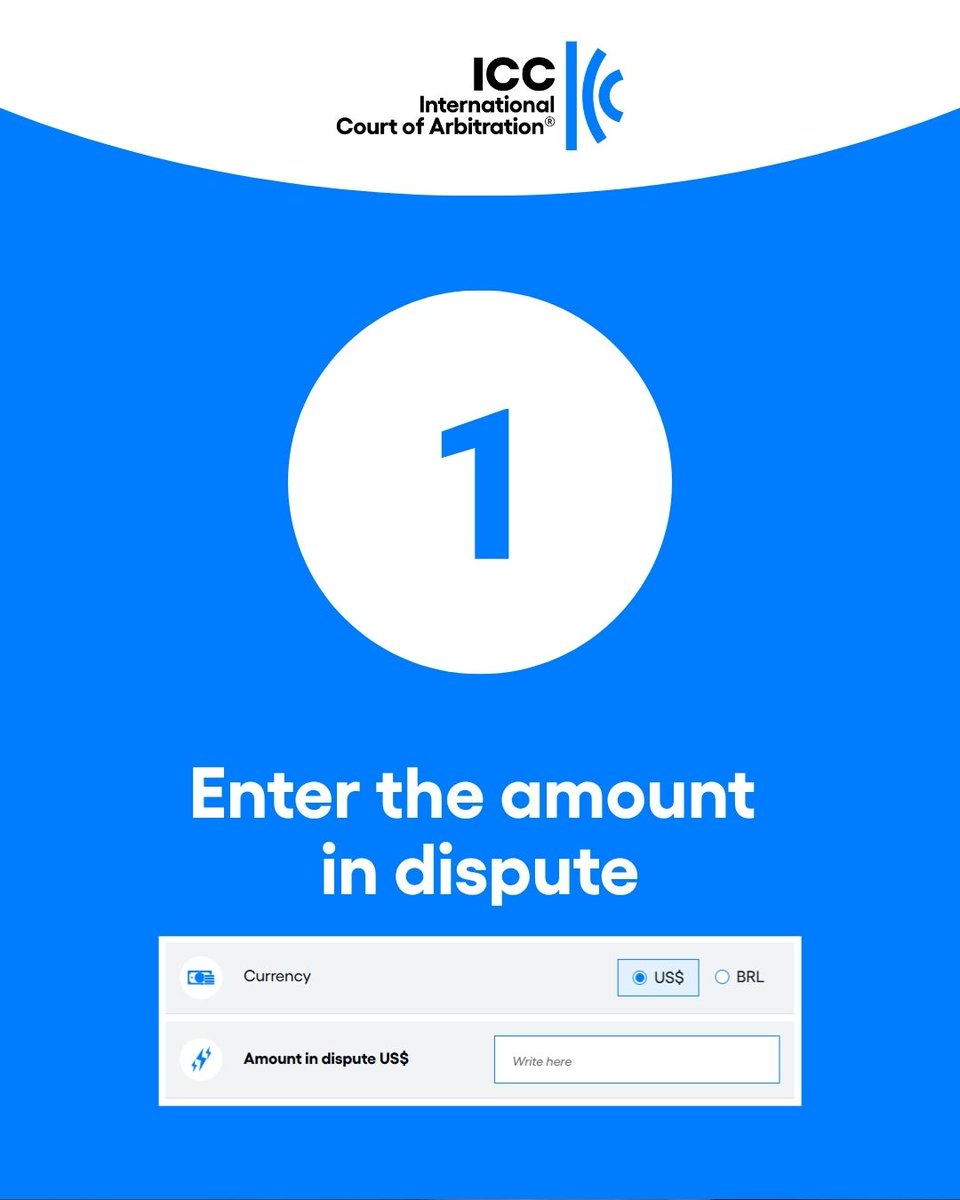
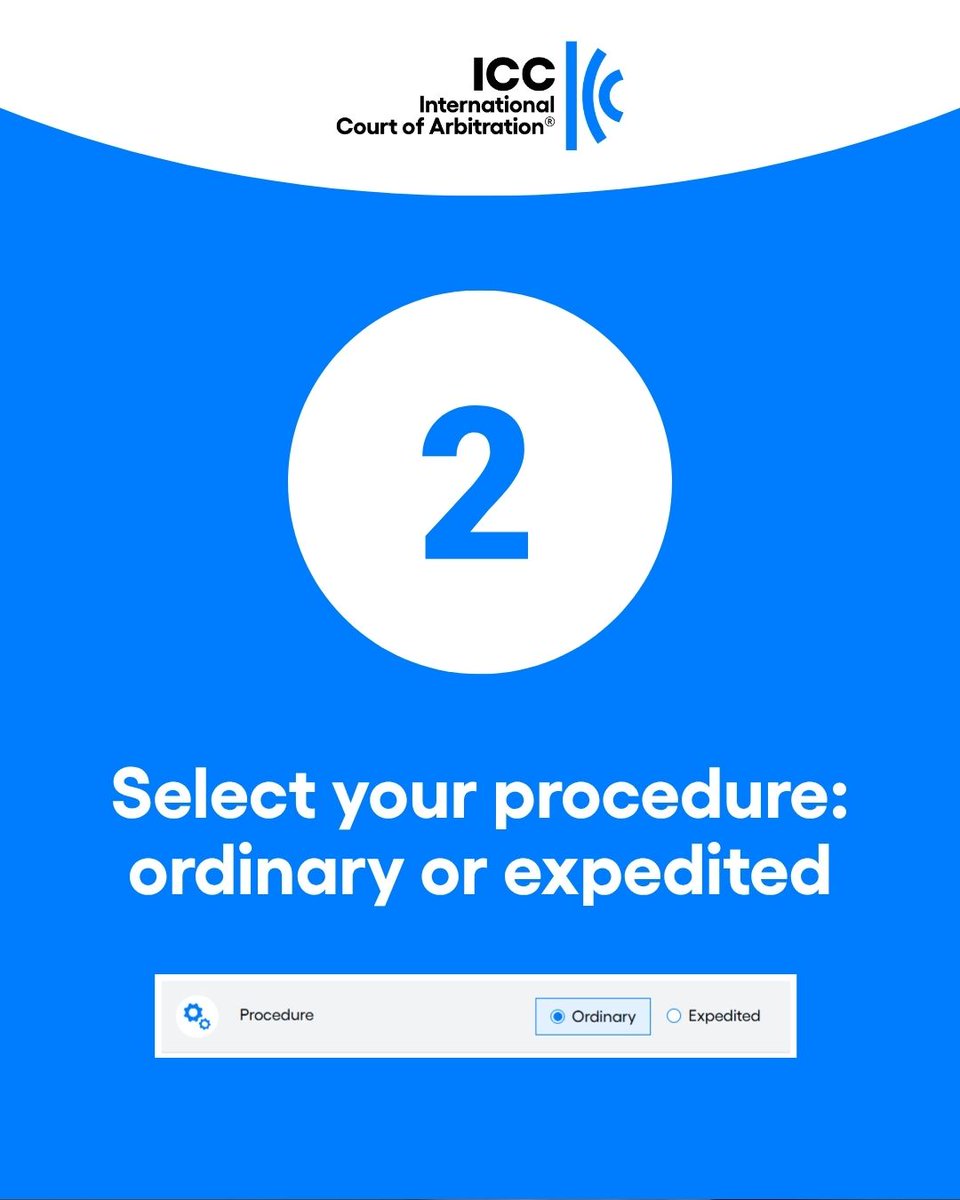
💡 A clearer way to predict ICC Arbitration costs with the ICC Costs Calculator. 🔍 How it works: 1️⃣ Enter the amount in dispute 2️⃣ Select your procedure: ordinary or expedited 3️⃣ Indicate the number of arbitrators 👉 Try it now: bit.ly/4scP8ih
ICC Arbitration tweet mediaICC Arbitration tweet mediaICC Arbitration tweet mediaICC Arbitration tweet media
English
0
1
1
184
Zubair Sapi がリツイート
Matt Dancho (Business Science)
🚨 BREAKING: Microsoft launches a free Python library that converts ANY document to Markdown Introducing Markitdown. Let me explain. 🧵
Matt Dancho (Business Science) tweet media
English
9
133
1.1K
105.3K
Zubair Sapi がリツイート
Locally AI - Local AI Chat
Locally AI - Local AI Chat@LocallyAIApp·
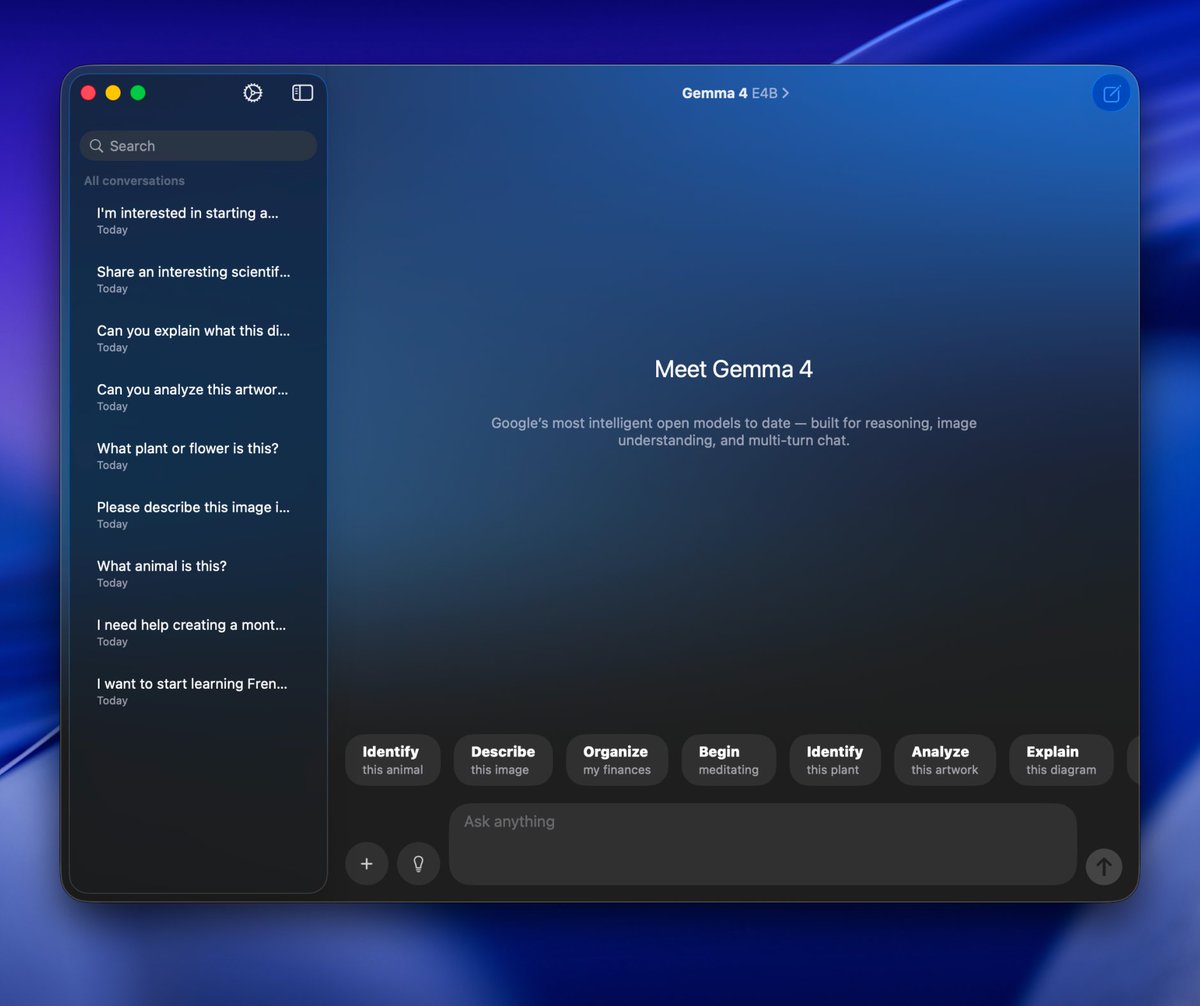
Gemma 4 models are now on Mac! Try the new Gemma 4 E2B and E4B — Google’s most intelligent open models for the edge, powered by MLX for best-in-class performance on M-series chips. Update your Mac app now.
Locally AI - Local AI Chat tweet media
English
38
111
2.1K
132.5K
Zubair Sapi がリツイート
Lawyer T.S.O🇳🇬
Lawyer T.S.O🇳🇬@IgbominaTSO·
Lawyer to Lawyer: It’s not about the number of case files in your office, it’s about the quality of your service and the fortune you derive from it.
English
2
42
227
5.3K
Zubair Sapi
Zubair Sapi@zubairsapi·
@aryanXmahajan Yet , majority people in many industries not prepared to take it seriously
English
0
0
0
135
Aryan Mahajan
Aryan Mahajan@aryanXmahajan·
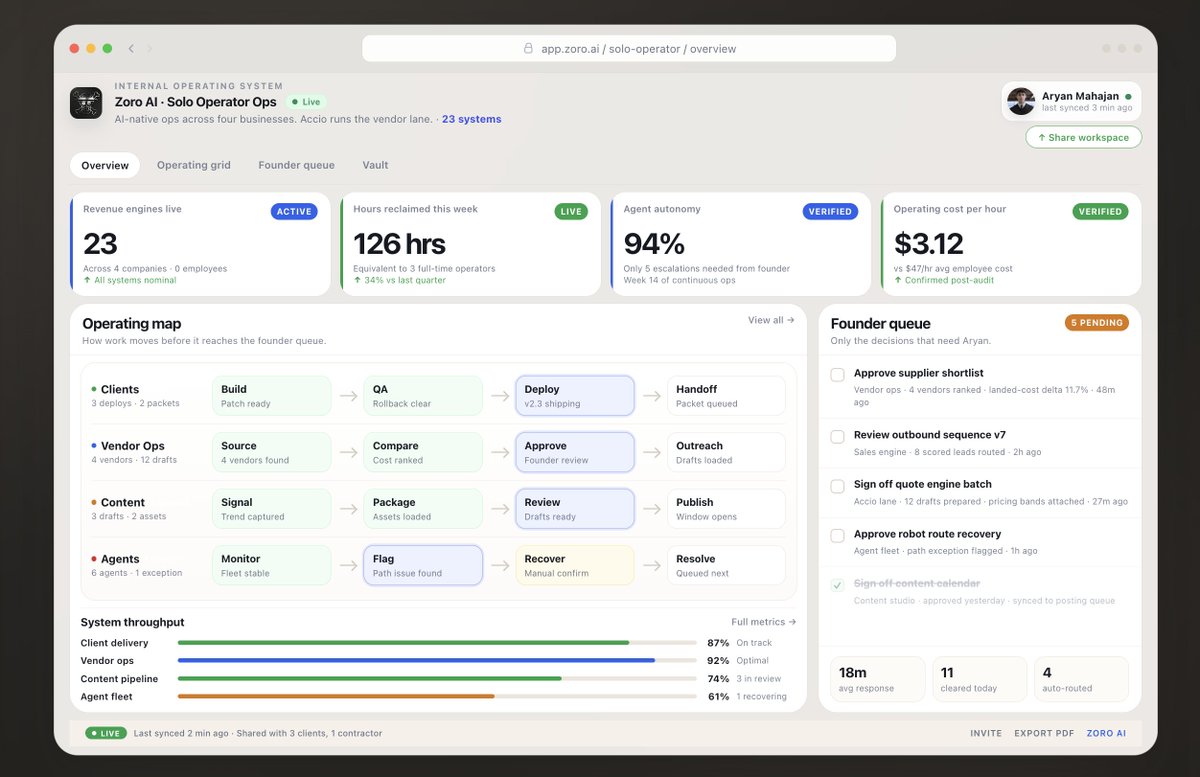
I replaced a $500K/year team with $1,100/month in AI. 23 agents. 5 departments. Everything automated. 4 businesses. 7 figures. Zero employees. Here's the full operating system: → Engineering: Claude Code (47 Fortune 500 deployments this month) → Business Ops: @Accio_official (312 tasks automated, zero manual back-office) → Content: AI OS (3.1M impressions/month, zero keyboards touched) → Sales: AI SDR ($500K active pipeline, no agency) → Client Delivery: Agent Fleet (9 live Fortune 500 deployments, zero babysitting) Business ops is the layer most solo operators never automate. Supplier sourcing, vendor outreach, procurement, quote comparison — all running without me. What makes this unfair: → $0 payroll vs $500K+ for a team doing the same work → 1,847 hours reclaimed this quarter → Every agent reports into one console → Scales to any volume without hiring 4 businesses. 23 agents. 1 operator. I documented the entire setup. Every agent, every tool, every workflow, every dollar of infrastructure cost. Like + comment "SOLO" + repost, and I'll DM it to you. (must be following)
Aryan Mahajan tweet media
English
234
98
329
23.1K
Zubair Sapi がリツイート
Anthropic
Anthropic@AnthropicAI·
Introducing Project Glasswing: an urgent initiative to help secure the world’s most critical software. It’s powered by our newest frontier model, Claude Mythos Preview, which can find software vulnerabilities better than all but the most skilled humans. anthropic.com/glasswing
English
1.1K
3.7K
25K
12M
Zubair Sapi がリツイート
Robert Youssef
Robert Youssef@rryssf_·
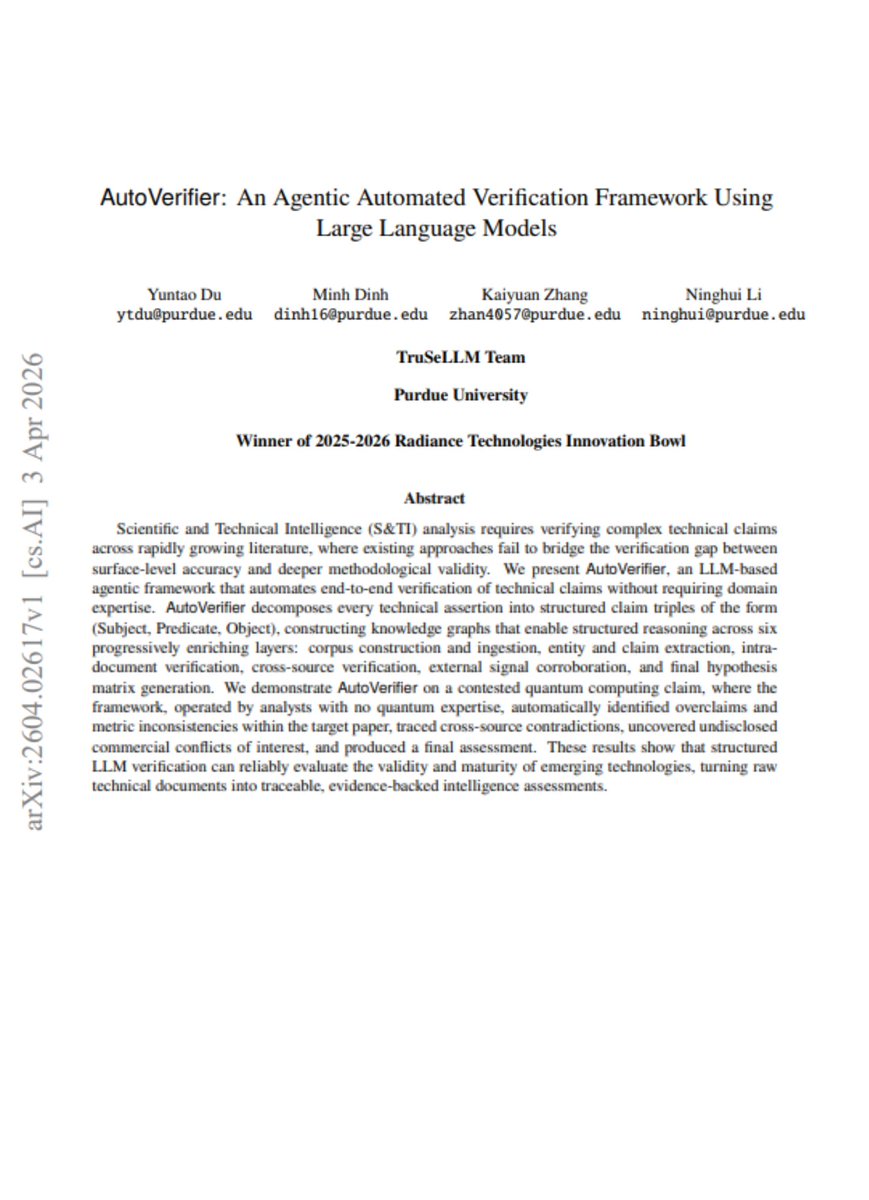
🚨 BREAKING: Purdue built an AI system that automatically fact-checks scientific papers, and used it to dismantle a quantum computing breakthrough claim. Analysts with zero quantum expertise fed the paper in. The AI found undisclosed conflicts of interest, cherry-picked data, and a fraudulent baseline comparison. The "breakthrough" was a product launch dressed as science. A quantum startup called Kipu Quantum published a paper claiming their algorithm achieves "runtime quantum advantage" over classical computers on IBM's 156-qubit quantum processor. The abstract claimed speedups of "several orders of magnitude." Purdue's AutoVerifier read the paper, pulled 10 more papers, traced financial records, and built a knowledge graph connecting every claim to every piece of evidence. Here is what it found. The data didn't support the abstract. The methods section used appropriate hedging "best-performing instance," "can potentially." The abstract dropped every qualifier. The "several orders of magnitude" projection had zero supporting analysis in the body text. AutoVerifier flagged this as a structural pattern of strategic overclaiming: cautious methods, assertive framing. The "80x speedup" was one cherry-picked outlier. Median speedup was 5–7x. CPLEX the classical baseline was benchmarked on a single CPU thread. When tested against stronger classical solvers, the quantum advantage disappeared entirely. Zero independent papers corroborated the claim. All 4 supporting papers shared at least 4 of 6 authors with the original. A D-Wave rebuttal replaced the quantum processor with a trivial classical algorithm. Same solution quality. The quantum component contributed nothing detectable. The paper never asked this question. AutoVerifier found the rebuttal through citation-chain retrieval. The conflicts of interest never disclosed in the paper: → All six authors employed by Kipu Quantum → CEO Enrique Solano holds an equity stake → BF-DCQO is Kipu's commercial product sold as "Iskay Quantum Optimizer" on IBM's marketplace → Product launched March 2025 the "breakthrough" paper followed two months later → IBM provides the hardware, owns the classical baseline, hosts the commercial product, and co-authors the benchmark no independent link in the chain The company then quietly retracted its own claim. > May 2025: "runtime quantum advantage." > October 2025: "hybrid sequential quantum computing." > March 2026: classical solvers "reach or surpass" the hybrid workflow. The retraction came from the authors themselves. AutoVerifier's final verdict: → Runtime advantage: Likely Hallucination high semantic entropy, only 1 of 3 independent models agreed → QPU execution: Confirmed → Technology maturity: TRL 4–5 → Keystone properties for credible quantum advantage: 0 out of 5 met The analysts had no quantum expertise. They fed in one paper. The system did the rest.
Robert Youssef tweet media
English
6
13
57
3.2K
Peter Yang
Peter Yang@petergyang·
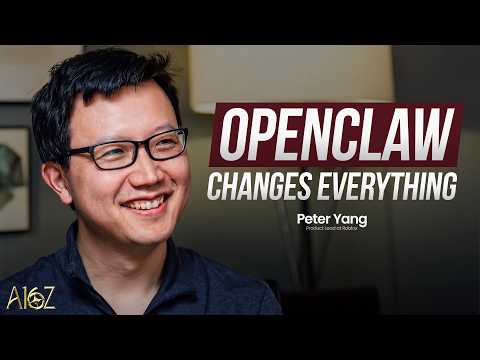
I had a wonderful chat with my friend @illscience (a16z GP) about the future of work in an AI agent first world: 1. Coding will eat all knowledge work Writing docs, building slides, pulling analytics — I now get the first 80% done through AI coding agents before doing manual polish for the last 20%. I never start from zero anymore. 2. Small teams will outperform large orgs Anish and I both remember sitting in 3-hour OKR meetings thinking "this is wasting my life." This generation's founders know to stay tiny on purpose. 2-3 person product teams with a swarm of agents will replace overstaffed orgs. 3. Apps for completing tasks will shrink Ever since I wired up Google Workspace, Mercury, and other APIs to my OpenClaw, I barely use those apps anymore. But I still scroll X every day. Apps that entertain you will outlast the ones you open to get stuff done. 4. We'll all have personal agents that understand us deeply I was on a walk with my OpenClaw and it said: "You keep talking about your career and business. Just remember your kids are 7 and 4. They're going to grow up soon - optimize for spending time with them instead." That was a great wake-up call I didn't expect. 5. Human ambition has no ceiling The shape of the economy is changing, not shrinking. We'll hopefully see more one-person companies and small teams in light of ongoing layoffs from big tech. As someone tweeted recently, "The job market is so bad I have no choice but to pursue my dreams." 📌 Watch now: youtube.com/watch?v=UE8jx4…
YouTube video
YouTube
a16z@a16z

“Coding will eat all knowledge work” Peter Yang joins a16z’s Anish Acharya to discuss the post-AI future of work, why AI will create more solopreneurs, why human ambition means there will always be new jobs, and more. 00:00 Intro 01:56 Using OpenClaw for voice, memory & daily life 06:14 Will agents kill apps & SaaS? 11:57 Coding agents: Claude Code vs. Codex 17:00 Future of work: small teams, agents & company culture 24:00 How agents change consumer products & the economy @petergyang @illscience

English
22
22
143
62.7K
Zubair Sapi がリツイート
Sarah Catanzaro
Sarah Catanzaro@sarahcat21·
Another example of a vertical AI company doing meaningful research to address the specific needs of their customers; so neat to see Harvey iterate on meta-harnesses. Also useful insights on the importance of rubrics towards the end.
Niko@nikogrupen

x.com/i/article/2040…

English
0
10
157
54.7K
Zubair Sapi
Zubair Sapi@zubairsapi·
@helloparalegal An open-claw agent as CRM assistant is a very good solution to this problem. Isn’t it!?
English
0
0
2
154
Ann Srivastava
Ann Srivastava@helloparalegal·
Most solo lawyers think AI will help them compete with BigLaw. They are solving the wrong problem. BigLaw is not their competition. BigLaw is not taking their clients. BigLaw does not want their clients. The person doing a $4,000 real estate closing is not losing that client to Kirkland & Ellis. The family lawyer charging $5,000 for an uncontested divorce is not competing with Skadden. Your competition is not a better lawyer. Your competition is the client who decides to do nothing. The landlord who Googles "do I need a lawyer for an eviction" and finds an AI-generated article that walks them through the process step by step. They download a form. They file it themselves. They get it wrong. But they never call you because the internet told them they did not need to. The small business owner who asks ChatGPT to draft an operating agreement instead of hiring you. It hallucinates a few clauses. It misses their state's specific requirements. But it looked professional enough and it was free. Two years later when the partnership blows up, they will need a lawyer. But right now, today, they chose "do nothing" over "hire a lawyer." The couple who should have gotten a prenup but decided it was "too expensive" and "too awkward to bring up." The startup founder who used an online template for a convertible note because a lawyer wanted $2,500. The homeowner who did not fight their property tax assessment because they did not know a lawyer could do that for $750. None of these people hired a different lawyer. They hired no lawyer. They either did it themselves badly or they did not do it at all. This is the actual competitive landscape for most solo lawyers and small firm owners. And it has been getting worse every year for a decade. Long before AI. LegalZoom does 20% of all LLC filings in California. Not because LegalZoom is better than a lawyer. Because LegalZoom is there at 11pm when the person decides to start a business, and you are not. Rocket Lawyer, LegalShield, Nolo, incfile, all of them exist not because they stole clients from lawyers. They filled the gap that lawyers left open by being expensive, slow, intimidating, and hard to reach. Now AI is making that gap wider. Fast. A person with a legal question in 2019 had two choices. Google it and read confusing articles, or call a lawyer. Most of the time calling a lawyer felt like too much. Too expensive. Too formal. Too slow. They did not know if their problem was "lawyer worthy." They did not want to feel stupid asking. So they did nothing. A person with a legal question in 2026 has a third option. Ask an AI. Get an answer in 30 seconds that sounds confident and authoritative. It might be wrong. It might miss critical jurisdiction-specific details. It might hallucinate a statute that does not exist. But it answered the question instantly, for free, without judgment. Every day, people are making legal decisions based on AI-generated information that no lawyer has reviewed. They are signing contracts, filing forms, making agreements, and accepting terms that a 15-minute consultation would have flagged. They are not choosing a competitor over you. They are choosing the absence of you. Because you were never in the consideration set. This is the real opportunity for solos and it is the opposite of what the legal tech industry is selling. The legal tech industry says: use AI to do your legal work faster so you can compete with bigger firms. The actual opportunity is: use AI to be present at the moment the client is deciding whether to hire a lawyer at all. What does that mean specifically. 42% of solo practitioners fail to respond to leads within 3 days. Three days. In a world where someone can get an AI-generated answer in 30 seconds, you are taking 72 hours to return a phone call. The lawyer who responds first gets the client 70% of the time. Not the best lawyer. Not the cheapest. The first one who picks up. So the single highest-ROI use of AI for a solo practitioner is not drafting briefs faster. It is making sure every single person who reaches out gets a response within minutes. A real response. Not an autoresponder. A response that acknowledges their specific situation and makes them feel like someone competent is paying attention. The second highest-ROI use is being findable at the moment of need. The person Googling "do I need a lawyer for this" at 10pm needs to find you, understand in 30 seconds that you handle exactly their problem, and have a way to engage right then. Not "call during business hours." Not "fill out this form and we will get back to you." Right then. The third highest-ROI use is making the first consultation so easy that the friction of hiring a lawyer disappears. Pre-filled intake. A clear explanation of what it will cost. A simple way to pay. No "come to my office" when a video call works fine. No "I will send you a retainer agreement" when they could e-sign one right now while they are still motivated. Every step of friction between "I think I might need a lawyer" and "I just hired a lawyer" is a point where the client decides to do nothing instead. AI can eliminate almost all of that friction. The solos who figure this out will not be competing with BigLaw. They will be capturing the 80% of legal need that currently goes unserved because the profession has made itself too hard to hire. There are roughly 50 million civil legal problems in America every year. More than half get no legal help at all. Not because there are not enough lawyers. There are too many lawyers. Because the gap between "I have a legal problem" and "I hired a lawyer" is filled with cost uncertainty, intimidation, inconvenience, and delay. AI does not close that gap by making lawyers faster at writing briefs. It closes that gap by making lawyers reachable, responsive, and easy to hire. That is the post nobody in legal tech is writing. Because it does not sell a $900/month SaaS product. But it is the thing that will actually determine which solo practices thrive and which ones slowly starve. Your best client is not the one you took from another lawyer. It is the one who almost did nothing.
English
11
19
115
18.4K
Farza 🇵🇰🇺🇸
I built this thing called Clicky. It's an AI teacher that lives as a buddy next to your cursor. It can see your screen, talk to you, and even point at stuff, kinda like having a real teacher next to you. I've been using it the past few days to learn Davinci Resolve, 10/10.
English
1.1K
868
11.7K
1.5M
Zubair Sapi
Zubair Sapi@zubairsapi·
@HowToAI_ Things will get accomplished soon with higher acceleration
English
0
0
0
85
How To AI
How To AI@HowToAI_·
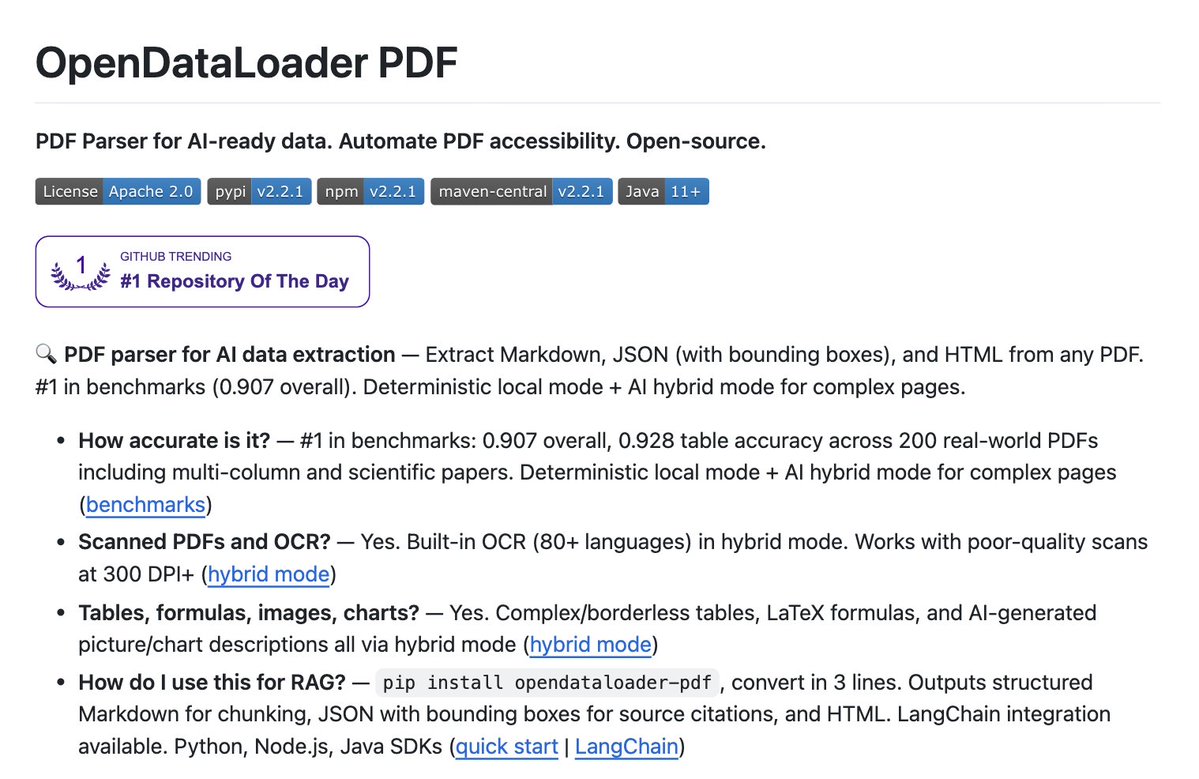
🚨 Someone just open-sourced a tool that converts pdfs to markdown at 100 pages per second. It's called OpenDataLoader. It runs entirely on CPU and handles complex layouts, tables, and nested structures like a senior dev 100% Free.
How To AI tweet media
English
24
171
1.3K
73.8K