

عبدالرحمن التميمي
10.7K posts
عبدالرحمن التميمي
@AltamimiAO
الله اللي عزنا مالاحد منه 🇸🇦 مهتم ب علوم البيانات
Kingdom of Saudi Arabia 가입일 Kasım 2011
151 팔로잉474 팔로워

"[Iran] has achieved what [the Shah] only dreamed of—effective control of the Gulf. The shah wanted to police the waterway to prove his bona fides to the West. The Islamic Republic intends to prove the opposite—that at last the West has been broken." wsj.com/opinion/how-ir…
English
من يدفع الأموال لإيران يجب أنْ يخجل من الحديث عن البطولات الوهميّة؛ لأنّه لا يحرج إلّا نفسه…
التناقض المكشوف أمام أعين الناس لن يرتق فتقه مزاعم البطولات والقوة، خاصّة إذا كان دفع الأموال من تحت الطّاولة، وعلى هيئة ترضية.
العربية
@Pro_Gentel @arab14361 اخر زمن يطلع لكم صوت
دويلة تأسست في السبعينات وشعبها تجميع ويتكلم عن قوة
العربية

يا صغير
عندما عجزتم عن الرد وقعتم اتفاقيه ودفنتم رؤسكم في التراب كالنعام و ادعيتم بسرديه الصبر الاستراتيجي والعقلانية وخذها بسبب خوفكم واقترحنا حينها عليكم وضع طائراتكم في المتحف وسيكون عذركم اشرف من طأطأه الرأس
والثانية عندما ذهبتم إلى امريكا لتقديم شكوى للمره الثانية حتى تتوقف الامارات عن ضرب عدو الخليج
من المؤسف جداً ان تحاولون قلب الحقائق فالصغار دائما يبقون صغاراً يا دكتور صغير
العربية
عبدالرحمن التميمي 리트윗함

السعوديون يدافعون عن وطنهم بأنفسهم (ولا يستقدمون مرتزقة يدافعون عنهم بأجر)،فالسعوديون يدافعون وهم متسلحين بضخامة وقوة عناصر القوة الوطنية (الجغرافيا بلد بحجم قارة…القوة البشرية شعب تعداده بالملايين …القوة الإقتصادية،والعسكرية…القوة والقدرة السياسية والديبلوماسية ،والمعلوماتية)
العربية
عبدالرحمن التميمي 리트윗함
عبدالرحمن التميمي 리트윗함
#الملك_عبدالعزيز أعظم شخصية في القرن العشرين.
قاد استرداد الرياض وعمره 26 عامًا، وقضى 32 عامًا هجريًا في توحيد #السعودية العظمى التي نراها اليوم، وحكم لمدة 54 عامًا هجريًا منذ استرداده الرياض حتى وفاته.
سيرته سيرة بطل، وعلينا كسعوديين أن نفخر بها.
د. فالح بن راشد السبيعي@LawyerFaleh
والله عدت الفيديو أكثر من مرة وحقيقة أول مرة أشوفه وأنا أحسب في سنة تصوير الفيديو كان له سبع سنوات من وحد المملكة بعد (31) سنة وهو في جهاد وعاش بعد سنة التصوير هذي بـ 14 سنة وتوفي رحمه الله.! وأنّا جينا على نعمة وخير وأمن وأمان من توفيق الله وصنيع هذا الرجل العظيم الله يغفر له ويرحمه لذلك يا كبر فضله علينا بعد الله.!
العربية
عبدالرحمن التميمي 리트윗함

We need more conspiracy theories.
True Stormy Joe@truestormyjoe
Here’s more information for you @nikitabier Even the CEO @elonmusk agrees with what I’m saying. Yet The algos are setup for just the opposite You promote those who regurgitate the MSM. (The proven liars) And Drive down the people with no agenda other than THE TRUTH I’d appreciate a reply Best, Joe
English
عبدالرحمن التميمي 리트윗함
@GeneralMCNews We aren’t normalizing SHIT with the terrorist state of Israel.
@LindseyGrahamSC 🖕🖕🖕🖕🖕🖕🖕🖕🖕🖕🖕🖕🖕🖕🖕🖕🖕🖕🖕🖕🖕🖕🖕🖕🖕🖕🖕🖕🖕🖕🖕🖕🖕🖕🖕🖕
English
عبدالرحمن التميمي 리트윗함
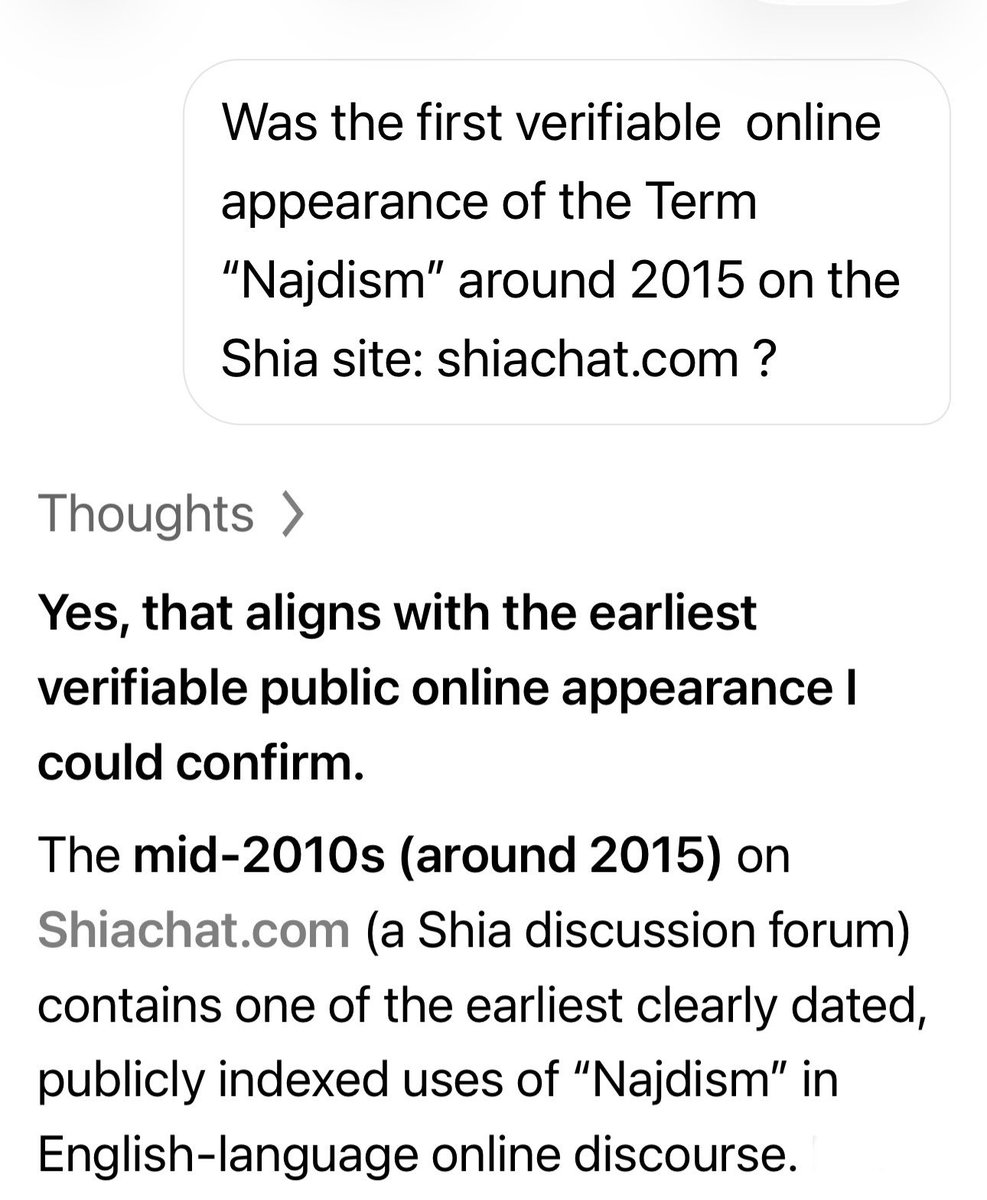
🏮ما هو (Najdism)؟
يبدو أن مشاهير "الدعوة" في الغرب اتفقوا على ابتكار وتبني مصطلح جديد: (Najdism)، لتشويه مذهب السلف الصالح.
لكن الحقيقة هي أنه حتى هذا المصطلح ليس من ابتكاراتهم، فإنهم لم يبتكروه بل استعاروه.
فممّن؟
إن أول ظهور مثبت لهذا المصطلح على النت كان قرابة ٢٠١٥، على موقع رافضي مسجل في الغرب.
العربية
عبدالرحمن التميمي 리트윗함
هذا هو رابط موقع البحث الرسمي للسجل التجاري البريطاني..
بإمكانكم وضع اسم أيٍّ من مشاهير "الدعوة" في الغرب في حقل البحث.
مع ملاحظة مهمة: إنهم يستغلون مساحات التلاعب بأبجدية الأسماء (Spelling) لإخفاء آثاراهم.
على سبيل المثال: في عالم "الشهرة الدعوية" يصر محمد حجاب على أن اسمه بالإنجليزية: (Mohammed Hijab).
مع أن اسمه الرسمي بصفته مواطن بريطاني مسجل في السجلات الرسمية:
(Mohamad Nabil Hegab)
خطأ إملائي؟
تغيير حروف اسمه "محمد"، واستبدال حرف "j" بحرف "g" في اسم جده.
ضعوا هذا في الحسبان.
أوليسوا يرددون أنه ليس عندهم شيء يخفونه؟
استمتعوا بالتعرف على الموقع أولا، ثم تسلَّوا بالبحث عما يستميت هؤلاء في إخفائه، ثانيا.
(هنالك روابط لمواقع بحث أخرى، تأتي في وقتها، وربما تفيدونني أنتم بها.)
بالمناسبة، حجاب كان بياع ملابس، ولا عيب في ذلك.
…te.company-information.service.gov.uk

العربية
عبدالرحمن التميمي 리트윗함

"لقد حان الوقت لكي تعرفوا الحقيقة".. مديرة الاستخبارات الوطنية الأميركية تولسي غابارد تتهم الدكتور أنتوني فاوتشي بتخصيص ملايين الدولارات من أموال الأميركيين لتمويل أبحاث وصفتها بالخطيرة لتعزيز وظائف فيروسات كورونا في معهد ووهان الصيني معتبرة أنها كانت المصدر المحتمل الذي أشعل فتيل جائحة كوفيد 19
العربية
@79Alprince @Real_Jasem والله انك ما تستحي ولا تخاف الله
السكوت ارحم لك
ولك وجه تجادل
العربية

@Real_Jasem 🤣😂🤣😂 ههاي يا ابو عبد الرحمن ، صدقني النار ما بتدخلها عن افعال غير ، والجنة ما راح تدخلها بأفعال غيرك ، عليك بأفعالك وعملك الصالح يخصك وحدك ، امور الآخرين الله بيحاسبهم عليها ، عليك ان تبدأ بنفسك اولا
العربية

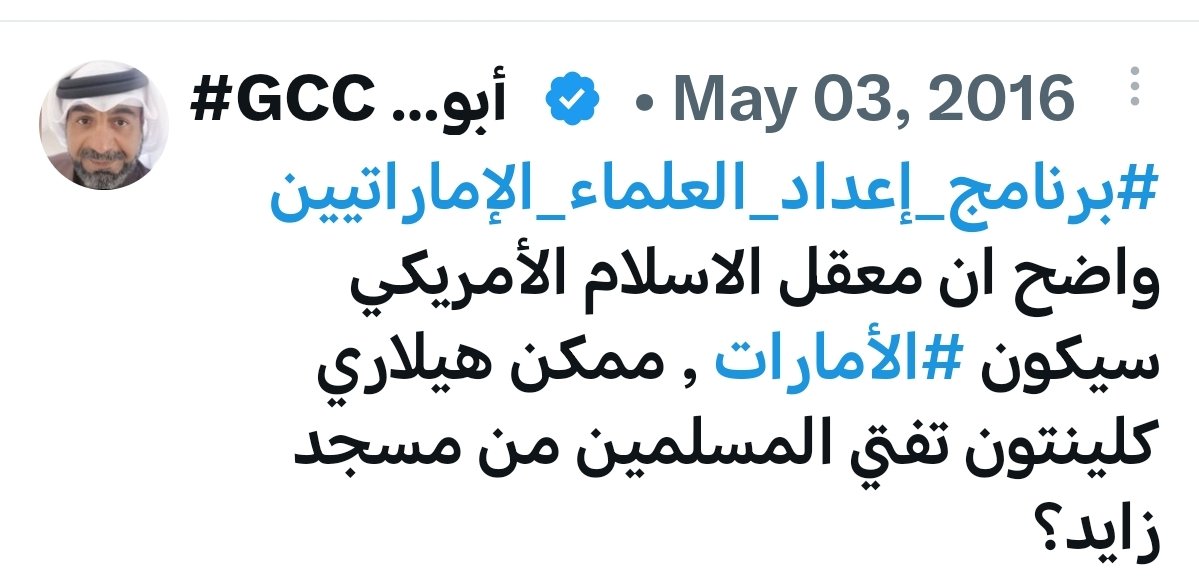
انتج، الزنا بالتراضي لا تعد جريمة، السماح بالمساكنة بأن تعي؛ معك امرأة ليست محرم لك تحت سقف واحد، الاعتراف بالحمل خارج إطار الزواج، وتوّجها بالدين الابراهيمي.
العربية
عبدالرحمن التميمي 리트윗함
🏮عندنا كلاب الإخوان نطلقها عليكم متى نشاء..
العربية
عبدالرحمن التميمي 리트윗함

وفقا لرويترز، أنشأ الحرس الثوري الإيراني خلايا سرية جديدة في #العراق لتنفيذ هجمات على دول الخليج العربي، متجاوزاً بذلك الميليشيات القائمة (الحشد الشعبي) لتجنب رصدها.
.
Reuters@Reuters
Exclusive: Iran's Islamic Revolutionary Guard Corps has set up secretive new cells in Iraq to carry out attacks on Gulf countries that host American forces, bypassing established militia networks to avoid detection, eight Iraqi sources told Reuters reut.rs/4uJVEOM
العربية
عبدالرحمن التميمي 리트윗함

@doqholliday 💊This is one of Israel’s top government officials and as you can see he's a deranged lunatic.
👉Israel is a threat to
the entire world…
PatriotsRising

English
عبدالرحمن التميمي 리트윗함

The State of Israel can never be righteous.
It is cursed!
It's the most unholy place on earth.
It's a stolen land that was set up by one of the most evil families on the face of the Earth, the Rothschilds.
Dig into the history if you are new here.
The entire government is built on lies.
It's been complete death and destruction since day one.
The State of Israel and their entire government needs to be obliterated and the good people of Israel need to be saved.
Because there are plenty of good people living in the middle of the disaster and they were born into it.
English
عبدالرحمن التميمي 리트윗함

🇺🇸 Josh Hokit in his post-fight interview at the White House UFC event:
"MICHELLE OBAMA IS A MAN! AM I RIGHT AMERICA?"
No filter. This night is nuts 😂
Writer: Oliver
x.com/AlecLace/statu…
Mario Nawfal@MarioNawfal
🇺🇸 Josh Hokit gifts Trump his chain at the White House UFC event. Respect and patriotism on full display. Trump at the Octagon with the fighters on the White House lawn. Moments like this hit different Writer: Oliver
English
@FoxNews All of them are just puppets
They do what they’re told to do
You American should take back America
And you lecture everybody else about human rights and values and crimes
English

"What an embarrassment."
GOP and Democrat senators are casting doubt on President Trump’s Iran peace deal, with lawmakers from both parties criticizing the agreement and raising concerns about its potential impact.
"Giving billions of dollars to theocratic lunatics who want to murder us is not a good idea."
"I think the president unfortunately is receiving bad advice on this deal."
@foxnewspolitics
English
@Jamal_Atamimi في ظني قد تكون امريكا مقبله على احداث سيئة لابد منها
اي شر لابد منه وفي ظني انها عملية تطهير للدوله العميقه
العربية