Barry O'Reilly

19.8K posts

Barry O'Reilly banner
Barry O'Reilly

Barry O'Reilly

@barryoreilly

Entrepreneur | Advisor | Author #ArtificialOrganizations #Unlearn #LeanEnterprise | Cofounder AI Venture Studio @NobodyCrowd | Faculty @singularityu

Singapore 가입일 Haziran 2010
999 팔로잉7.2K 팔로워
고정된 트윗
Barry O'Reilly
Barry O'Reilly@barryoreilly·
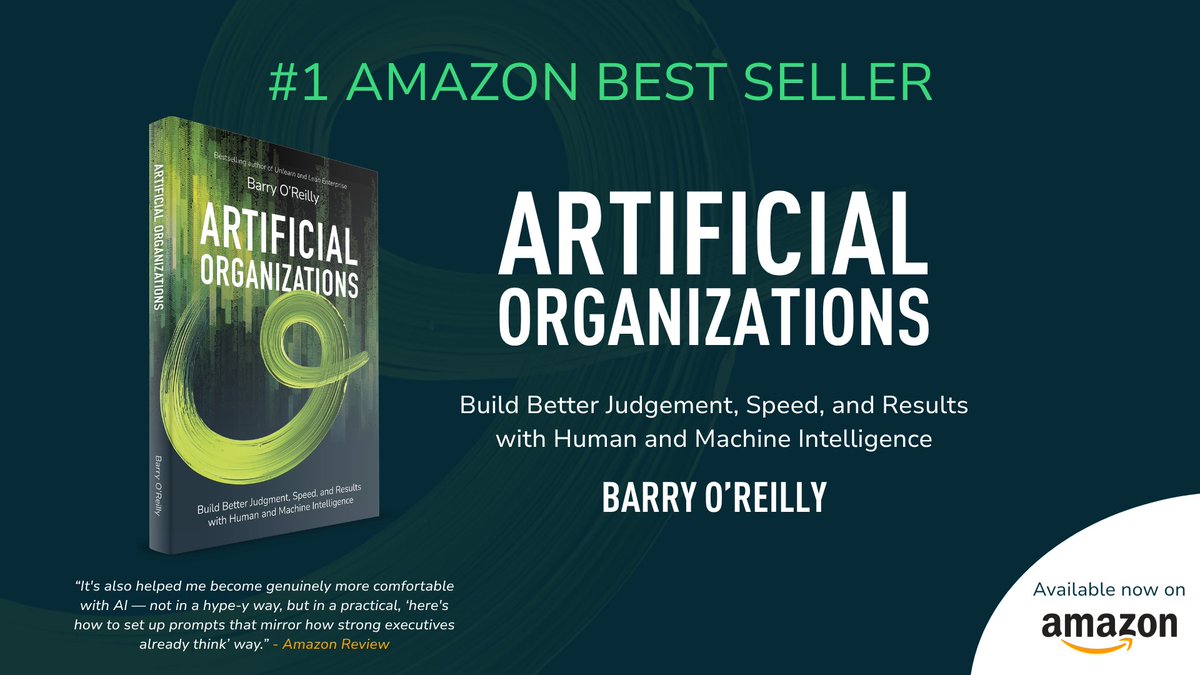
I’m excited to share that my new book, Artificial Organizations, is coming out in mid-March! I’ve been working on this over the past number of months, driven by a simple question I keep hearing from executives: How do we pair human intuition with machine insight to actually get better outcomes, not just more activity? This book is for leaders navigating that shift in how we work in high-paced environments. Not AI as a tool. Not AI as automation. But AI as a thinking partner that helps you make better decisions, faster without losing judgment, context, or humanity. Sign up at artificialorganizations.com to be notified of the official book release!
English
0
0
3
538
Eric Ries
Eric Ries@ericries·
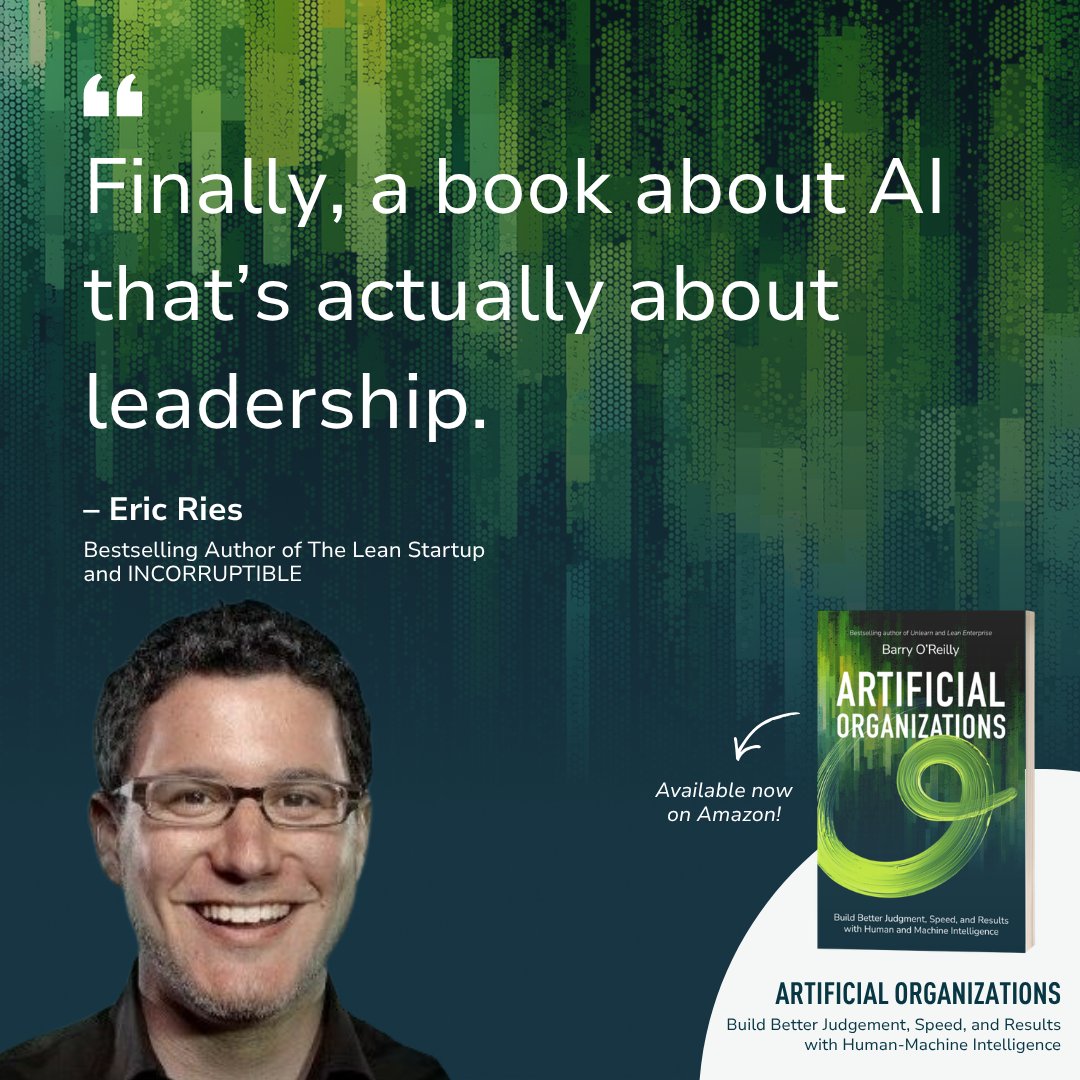
@barryoreilly is on to something powerful with his new book, Artificial Organizations. (available now on Amazon)
Eric Ries tweet media
English
1
2
5
368
Barry O'Reilly
Barry O'Reilly@barryoreilly·
If you haven't read Build by @tfadell go get yourself a copy Best mentoring session you'll have all year
Tony Fadell@tfadell

50 years of @Apple From the early days of the #iPod to bringing the #iPhone into the world, some of the most formative years of my career were spent there. The products and teams stay with you. But more importantly so does how Apple thinks. A few lessons that have held true for decades: 1) Start with the user, not the tech. The question isn’t “what can we build?” but “what problem actually matters?” 2) Focus is everything. Apple is defined as much by what it says no to as what it builds. 3) End-to-end matters. Hardware, software, services. It all has to work together. 4) Details are the product. What feels small is what users remember. 5) Debate hard. Commit fully. 6) Build for the long term. We’re in another moment of massive technological change. The fundamentals haven’t changed. The companies that win build things people actually use and can’t imagine living without. Congrats to everyone who has been part of Apple’s first 50 years! 🙌

English
0
0
1
45
Barry O'Reilly
Barry O'Reilly@barryoreilly·
Hey Jack—this is a great piece. Really appreciate how you grounded it in history. The framing of hierarchy as an information routing system resonates I'm aligned with you on the core idea; AI isn’t just a productivity layer it’s a chance to fundamentally rethink how coordination happens inside organizations Where I’d push it further (or maybe just come at it from a different angle) is this In Artificial Organizations, I’ve found the constraint isn’t just structure—it’s behavior. Most leaders are still operating with mental models built for hierarchy: - waiting for alignment - escalating decisions - managing through layers Even with better “routing,” those habits create decision latency The work we’ve been doing with leadership teams is less about redesigning the org upfront and more about helping individuals build personal AI systems that change how they think, decide, and act day-to-day When that shifts, the structure starts to evolve naturally: - fewer handoffs - faster decisions at the edge - less reliance on coordination layers So instead of replacing hierarchy top-down, we’re seeing it dissolve from the inside out Feels like Block is pushing hard on the system side (world models, intelligence layer), while we’ve been focused on the human side—how leaders actually operate differently inside those systems I think you'll enjoy the book—feels like there’s a really interesting intersection here Just sent @2000F a couple of copies. Can do the same for you if you like
English
0
0
0
210
Nobody Studios
Nobody Studios@NobodyCrowd·
“AI is only as powerful as the operating model around it.” That’s the shift most leaders are missing. Artificial Organizations isn’t about more AI tools, it’s about better decisions. Grab your copy now! 👉 geni.us/artificialorgs #NobodyStudios
Nobody Studios tweet media
English
0
0
0
19
Barry O'Reilly
Barry O'Reilly@barryoreilly·
Appreciate it, Eric Artificial Organizations hit #1 across four Amazon categories this week! It’s for leaders who want to use AI to think better, decide faster, and operate differently The focus is simple: build systems that pair human judgment with machine intelligence to drive real results SF book launch next Thursday, 6pm at Frontier Tower—would be great to see folks there luma.com/artificial-org…
English
0
0
0
9
Barry O'Reilly
Barry O'Reilly@barryoreilly·
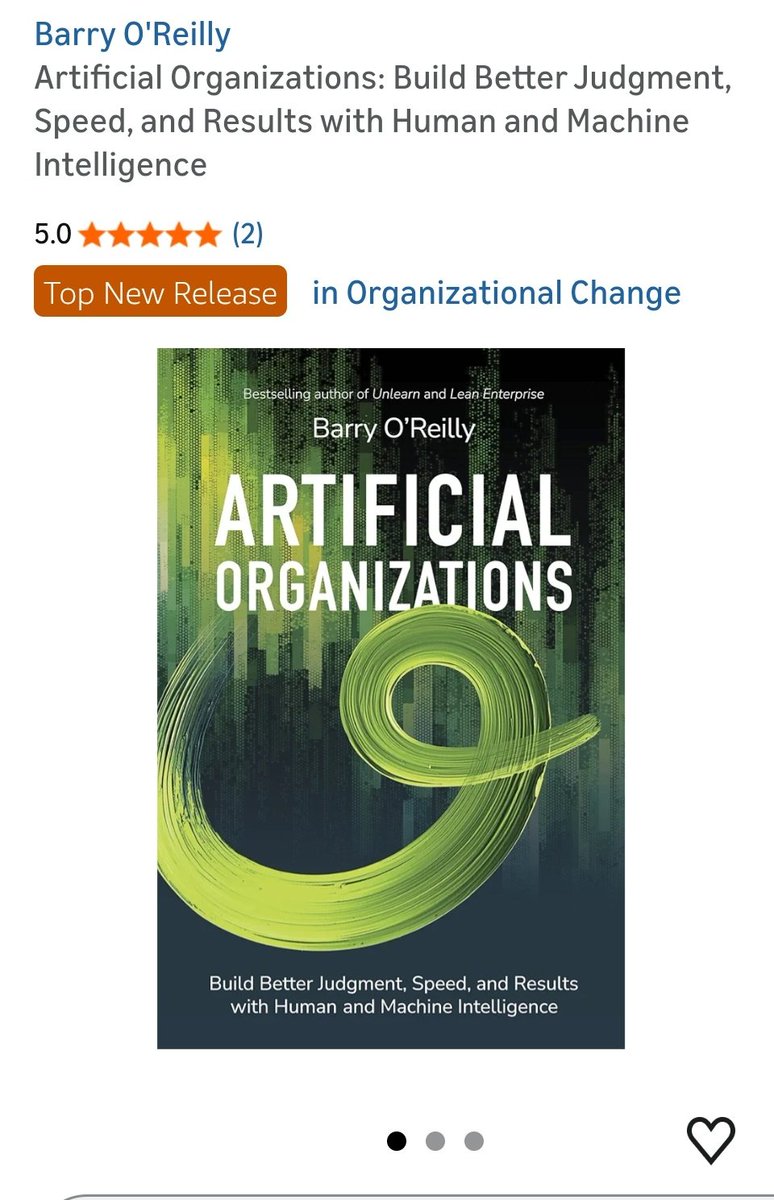
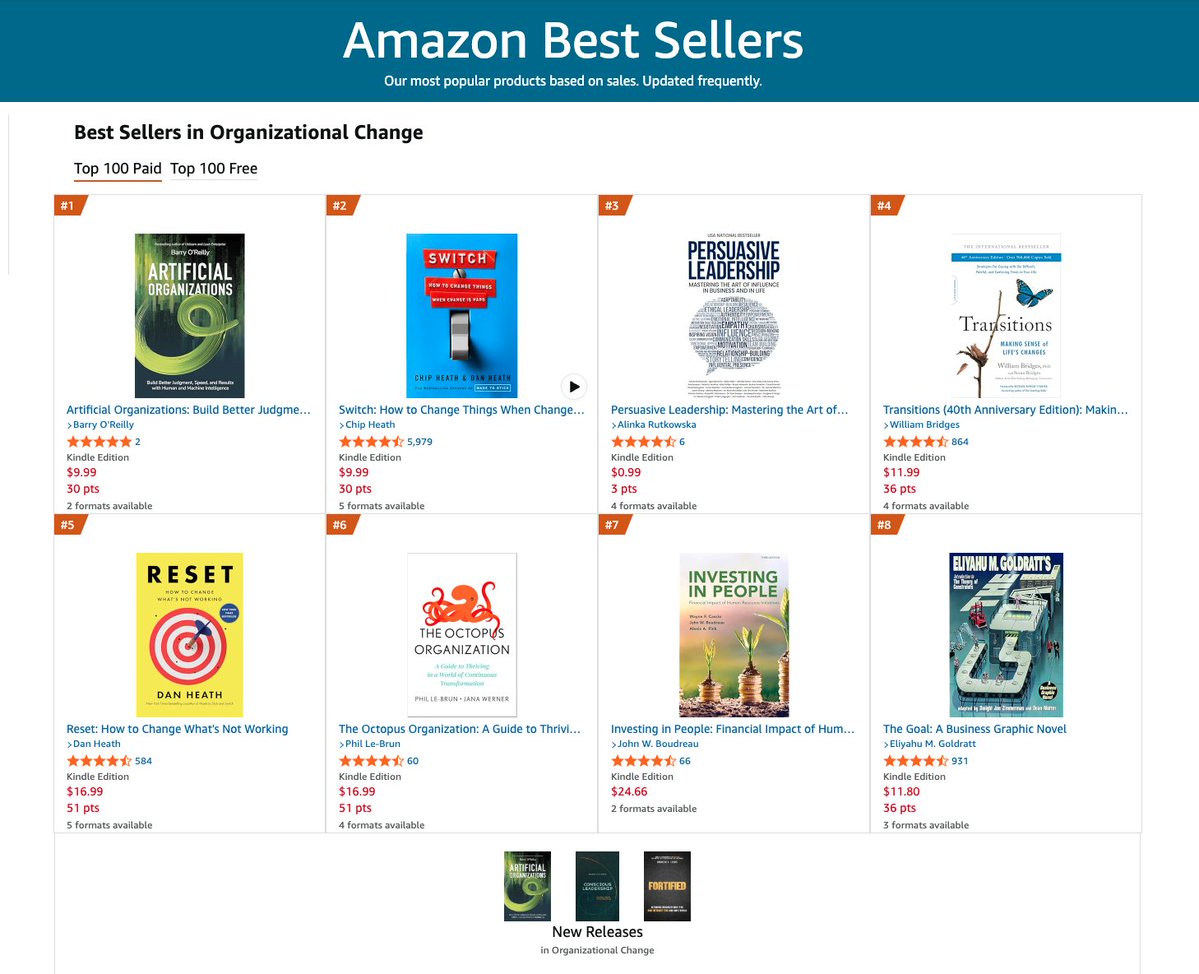
Week one. Number one. No Joke! One week ago, Artificial Organizations went live. In the first seven days, it hit number one in new releases from Decision Making, Organizational Change, Entrepreneurship, and Business Management on Amazon—ending the week as a bestseller in all four categories. That happened because of you. Thank you, genuinely. geni.us/artificialorgs
Barry O'Reilly tweet media
English
0
0
1
34
Barry O'Reilly
Barry O'Reilly@barryoreilly·
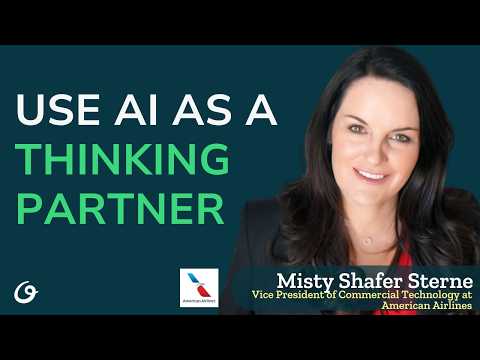
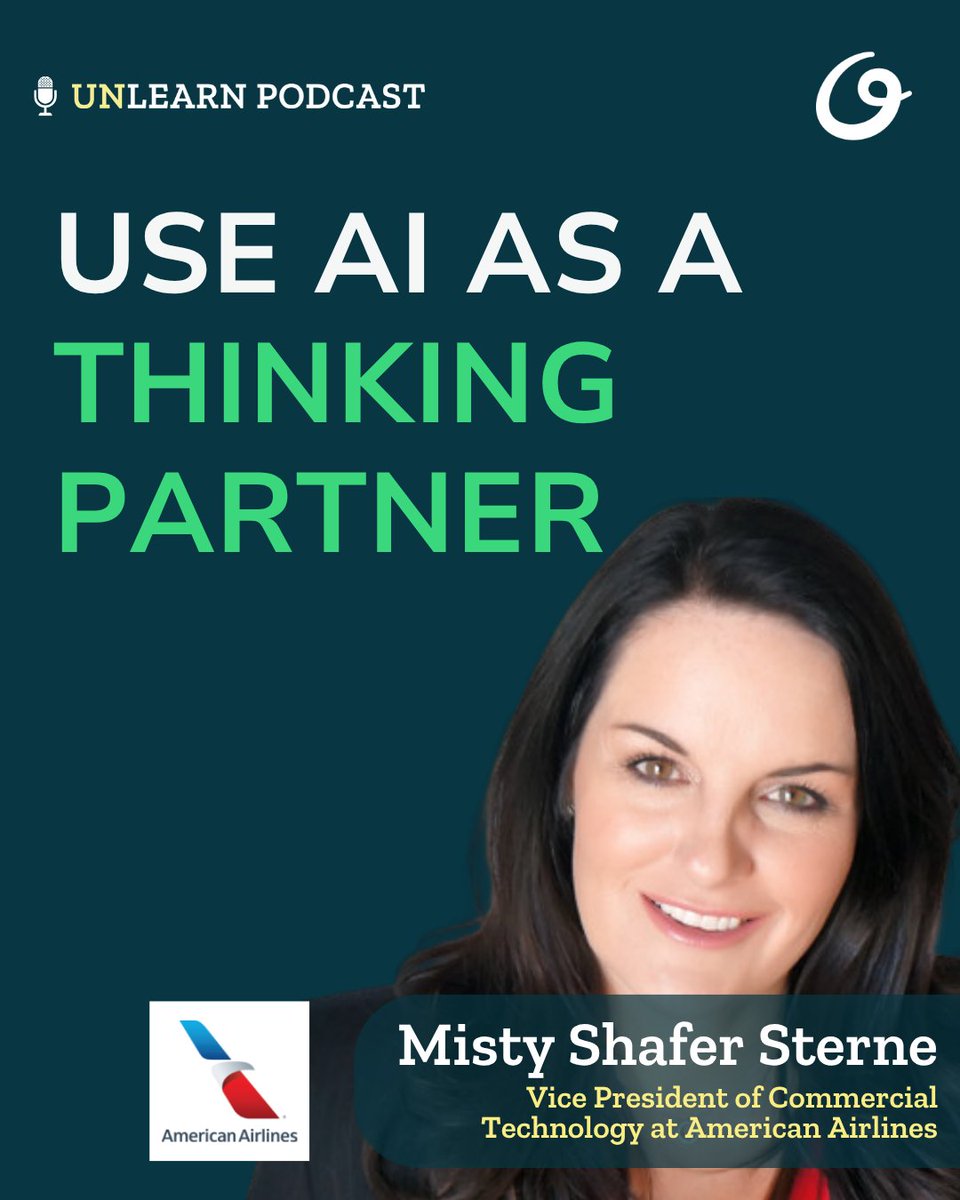
Most leaders are using AI for productivity. Inbox zero. Faster outputs. More efficiency. But that’s not the real unlock. In my latest episode, Misty Shafer Sterne shared what changed everything for her: 👉 She stopped using AI to do more—and started using it to think better. A 24/7 thinking partner. A place to pressure test messy ideas. No judgment. No hierarchy. That’s where better decisions—and real performance—come from. 🎧 Full episode on Unlearn podcast: - 🎧 Listen: barryoreilly.com/explore/podcas… - ▶️ Watch: youtu.be/Eoa-rj8JbVQ?si… #ai #leadership #decisionmaking #unlearn
YouTube video
YouTube
English
0
0
1
40
Barry O'Reilly
Barry O'Reilly@barryoreilly·
Most leaders don’t struggle with AI tools. They struggle with how to actually use them to think and make decisions. I sat down with Misty Shafer Sterne, VP of Commercial Technology at American Airlines @AmericanAir. Misty is one of the leaders we worked with directly, and her story became a case study in Artificial Organizations. This isn’t a theoretical conversation. It’s what actually changed as she applied these ideas inside a complex, high-stakes organization. We get into why chasing productivity wasn’t the unlock, what shifted when AI became a thinking partner, and how her decision-making process evolved over time. If you’re trying to make AI work inside your team—not just experiment with it—this will resonate. Check the full episode 👇 🎧 Listen: barryoreilly.com/explore/podcas… ▶️ Watch: youtu.be/Eoa-rj8JbVQ?si…
YouTube video
YouTube
Barry O'Reilly tweet media
English
0
0
0
39
Barry O'Reilly
Barry O'Reilly@barryoreilly·
In the past week, a lot has been happening—from the book launch, global tour announcement, executive live sessions, and real case studies coming out of the book. It’s been an exciting start with Artificial Organizations is already a #1 Amazon bestseller across four categories! 🚀 And to bring this week’s newsletter together, we’re sharing a conversation with Misty Shafer Sterne, VP of Commercial Technology at American Airlines, whose work became a case study in the book. What actually changes when AI moves from a tool to a thinking partner. Read the newsletter now (link in the comment) 👇
Barry O'Reilly tweet media
English
1
0
0
52
Barry O'Reilly
Barry O'Reilly@barryoreilly·
This one stopped me for a moment. The first startup I joined after university was in Edinburgh. I spent two years there, living in Marchmont, with a clear view of the castle from my window. It was part of the everyday backdrop. So seeing Artificial Organizations held up in front of that same castle—25 years later—feels like a full-circle moment. What makes it even better is the latest work behind it. Partnering with Waracle over a series of executives briefings earlier this year was special, exploring how organizations can rethink how they operate, decide, and learn faster. Not just talking about new ways of working but actually building them. The real opportunity now isn’t just reading about artificial organizations—it’s designing your own: - Where could better judgment come from human + machine collaboration? - What decisions should be accelerated, augmented, or automated? - What would it take to turn those ideas into something repeatable—and eventually scalable? Curious to see how these ideas take shape inside your teams, and what you create next (maybe even your own book on your experiences). Thanks for being great partners David Tuck, and everyone at Waracle. And yes—still pretty special to see this against the backdrop of Edinburgh Castle.
Waracle@WaracleUK

Artificial Organizations just landed at Waracle Edinburgh! 🏰 Congratulations to our friend and bestselling author @barryoreilly on the launch of his latest book. Get your copy on Amazon – 🔗 amzn.eu/d/03glmBhI

English
0
0
1
116
Barry O'Reilly
Barry O'Reilly@barryoreilly·
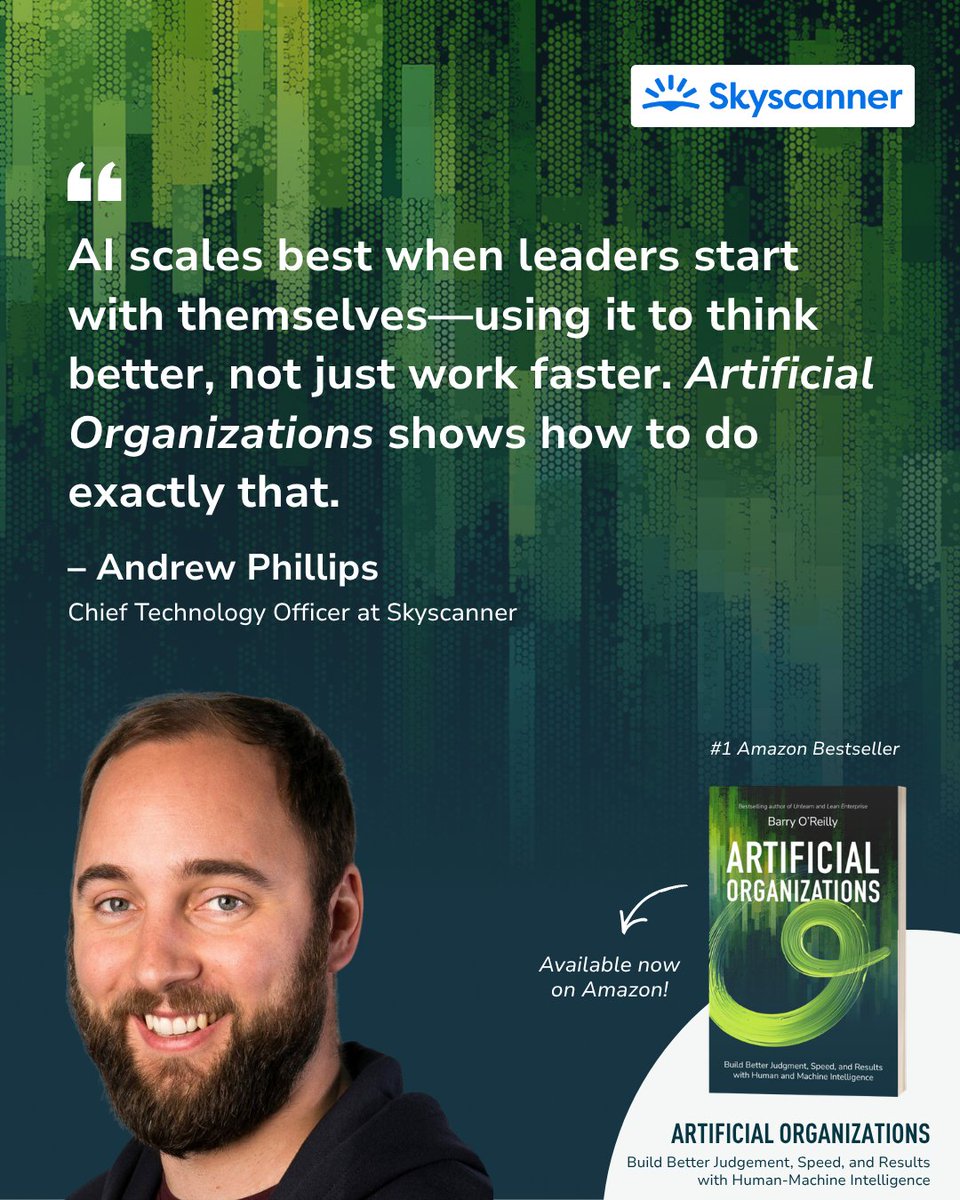
When Andrew Phillips, CTO of @Skyscanner, first started experimenting with AI, he didn't launch a strategy. He didn't form a task force. He didn't roll out a organization wide mandate. He asked one simple question: "Is this actually making my day better?" That's it. Skyscanner serves 160+ million monthly users. Andrew sits at the center of that complexity — board discussions, architectural reviews, leadership syncs, external conversations — all running simultaneously. The problem was never lack of information. It was holding all of it in his head. Switching contexts fast, and still showing up fully present in every room. So he started experimenting in the flow of real work. Some things worked. Many didn't. Yet here's what he did next that made all the difference: He said so out loud. He told his leadership and technology teams exactly what he was trying, where tools fell short, when outputs felt generic, and when the overhead simply wasn't worth it. No performance. No pretense of mastery. That honesty changed everything. It gave his teams permission to experiment without fear. AI stopped being a performance expectation and became a shared learning space. That's the lesson we wrote about in Artificial Organizations. You don't scale impact by starting with scale. You scale impact by starting with yourself. The leaders pulling ahead aren't the ones with the biggest AI budgets or the boldest transformation plans. They're the ones willing to try, fail, and say so — so everyone around them feels safe enough to do the same. 📖 Artificial Organizations is on Amazon and Kindle now: @ 👇 Who in your organization is modeling this kind of open, honest experimentation? Tag them.
Barry O'Reilly tweet media
English
0
0
0
73
Barry O'Reilly
Barry O'Reilly@barryoreilly·
It hasn’t even been a week since launch, and Artificial Organizations is already the #1 Amazon bestseller in Organizational Change! 🚀☝️ We didn’t write this book for rankings, but it’s a meaningful signal. More leaders are realizing that the challenge isn’t access to AI. It’s knowing how to use it to think clearly and make better decisions. And that’s what this book is about. If you’ve already read it, thank you, and we really appreciate the support. And if it’s been useful in your work, it would mean a lot if you could leave a quick review on Amazon. It helps more leaders find it. 🔗 geni.us/artificialorgs
Barry O'Reilly tweet media
English
0
0
0
33
Barry O'Reilly
Barry O'Reilly@barryoreilly·
Getting some many interesting questions about Artificial Organizations... Here's a couple "pairing human judgment with AI for decision-making. I usually try not to outsource that. Curious to see how this plays out in practice" The trap isn’t “pairing” with AI. It’s outsourcing thinking to it. The leaders getting value aren’t handing over decisions. They’re using AI to pressure test their thinking, surface blind spots, and explore options faster—then making the call themselves. In practice, it looks less like: “AI, tell me what to do.” And more like: “Here’s how I’m thinking—where am I wrong? What am I missing? What would break this?” Done well, it actually raises the bar for judgment, not lowers it. Totally fair to be skeptical though—the difference only really clicks once you try it on a real decision that matters.
English
0
0
0
51
Barry O'Reilly
Barry O'Reilly@barryoreilly·
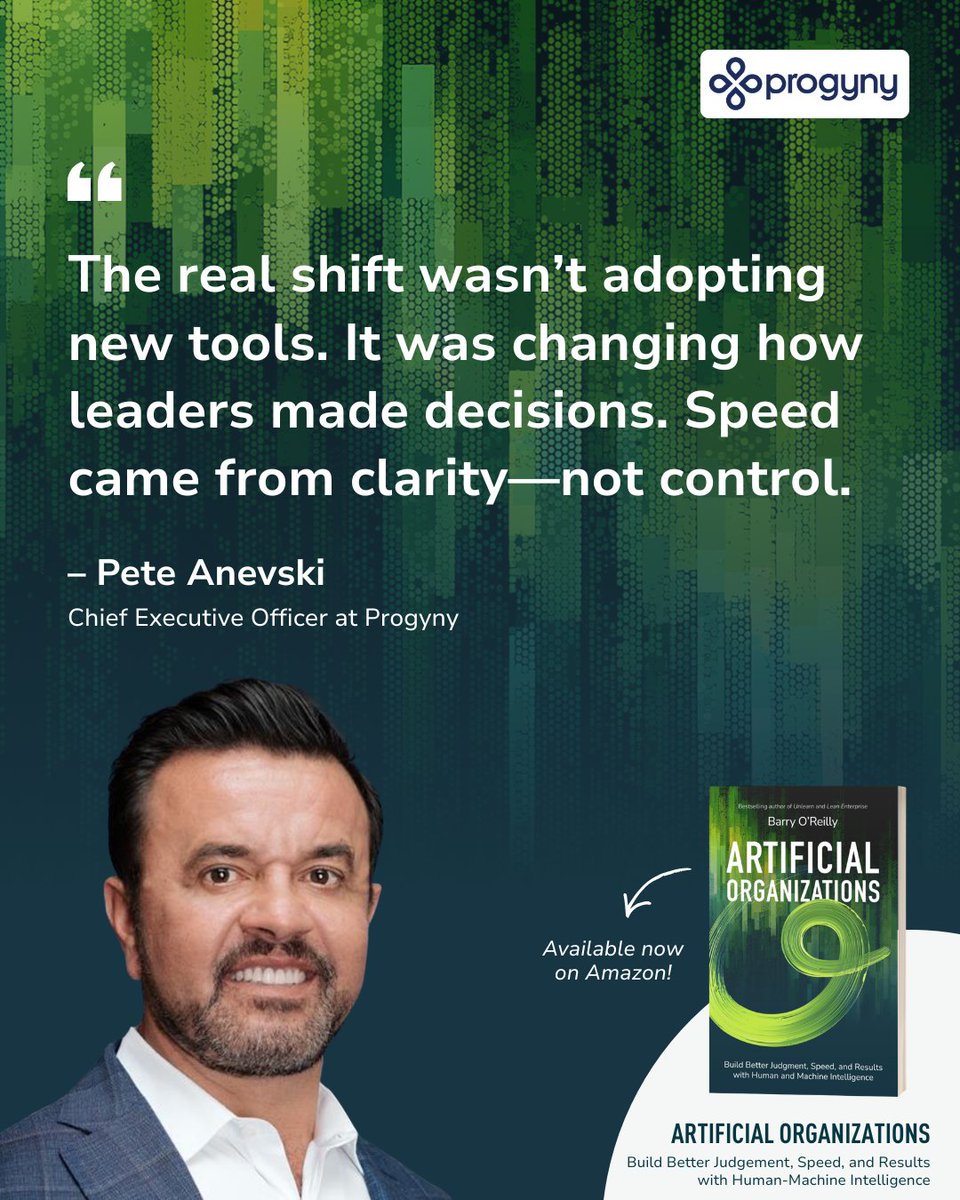
From day one of @Progyny's AI rollout, CEO Pete Anevski made one point clear to the entire company: "We're not using AI to reduce headcount. We're using it to elevate your human skills — not eliminate them." That single statement changed everything. Fear turned into curiosity. Resistance turned into experimentation. Experimentation turned into results. But then came the harder question — the one most leaders never ask: "What will you do with the capacity this creates?" Most people assume capacity means more work. More deliverables. More meetings. More pressure. That's the wrong answer. The real opportunity is giving leaders back the one thing no tool can manufacture: Space to think. For years, he tracked every 1:1 with every direct report manually — risks, actions, commitments — in a single Word doc, updated at the end of each day. When we introduced an AI meeting assistant, the shift was immediate. → Decisions got crisper → Follow-ups became automatic → Context stopped leaking between conversations → My team moved faster — not because I pushed harder, but because ambiguity disappeared The real shift wasn't operational. It was how I showed up. Calmer. More present. More decisive. That's what Artificial Organizations helped him articulate. The goal of AI in leadership isn't productivity. It's judgment infrastructure — systems that create the space for leaders to think clearly, decide confidently, and act with conviction. You don't get better decisions by putting people under more pressure. You get better decisions by giving people room to breathe, reflect, and choose well. Speed came from clarity — not control. If you lead a team and you're still measuring AI success by hours saved, you're measuring the wrong thing. Measure decision quality. Measure presence. Measure how your team shows up. 📖 Artificial Organizations is on Amazon and Kindle now. geni.us/artificialorgs
Barry O'Reilly tweet media
English
0
0
0
61
Barry O'Reilly
Barry O'Reilly@barryoreilly·
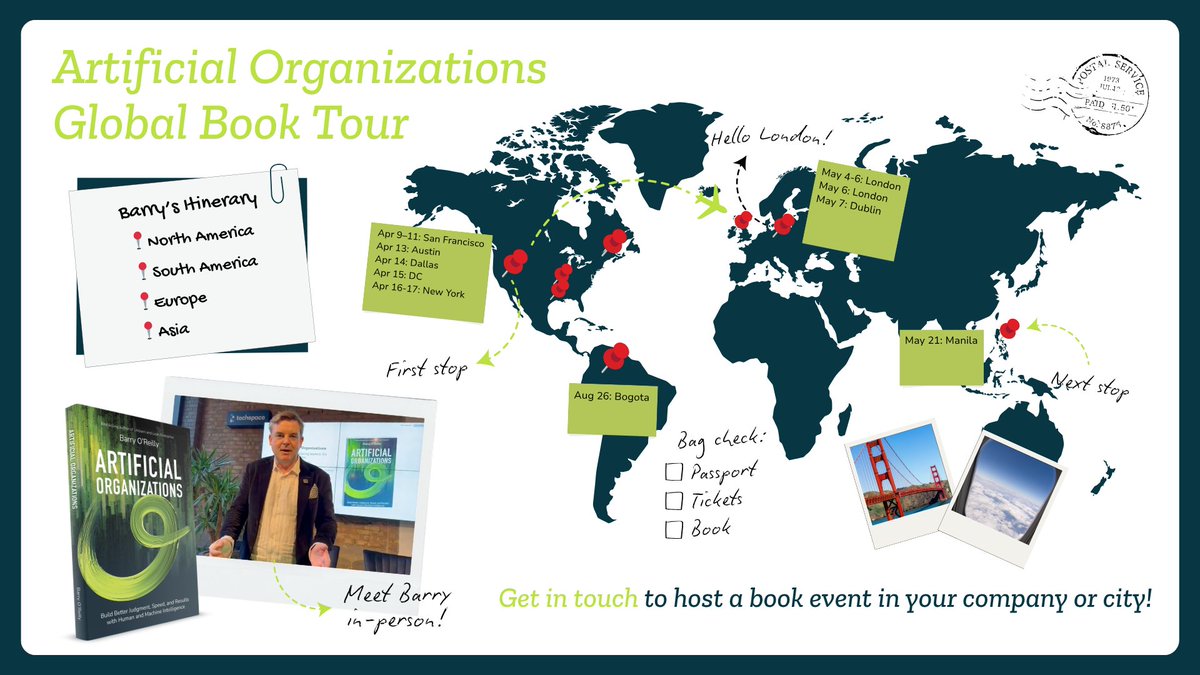
Excited to announce that Artificial Organizations is going global! 🌍🚀 Over the next few week and months, I’ll be traveling across North America, Europe, Asia, and South America as part of the book tour. This isn’t a tour focused on AI tools, vendor hype or how you’re going to be replaced. Leaders are being asked to make faster, higher-stakes decisions with AI but nobody has given you a system for how to actually do that. This book is that system. Artificial Organizations shows leaders how to pair human judgment with machine intelligence — so decisions get faster, execution gets tighter, and results compound. The book tour will be a series of conversations with leaders on how to improve judgment under pressure with greater clarity and confidence. Here are the first stops: 🌍 North America - Apr 9: San Francisco — Official Book Launch (Open to All) Book your spot: luma.com/artificial-org… - Apr 10-11: San Jose - Apr 13: Austin - Apr 14: Dallas - Apr 15: Washington DC — Public Book Launch (Open to All) - Apr 16–17: New York 🌍 Europe - May 4–5: London - May 6: London — Public Book Launch (Open to All) - May 7: Dublin — Public Book Launch (Open to All) 🌍 Asia: May 21 - Manila 🌍 South America: Aug 26 - Bogota I’ll be hosting a mix of public sessions and smaller leadership discussions across these cities. 👉 If you'd like to attend one of the open events or explore hosting a session in your company or city, you can get in touch here → #get-in-touch" target="_blank" rel="nofollow noopener">artificialorganizations.com/?utm_source=ne…
Barry O'Reilly tweet media
English
0
0
1
104
Barry O'Reilly
Barry O'Reilly@barryoreilly·
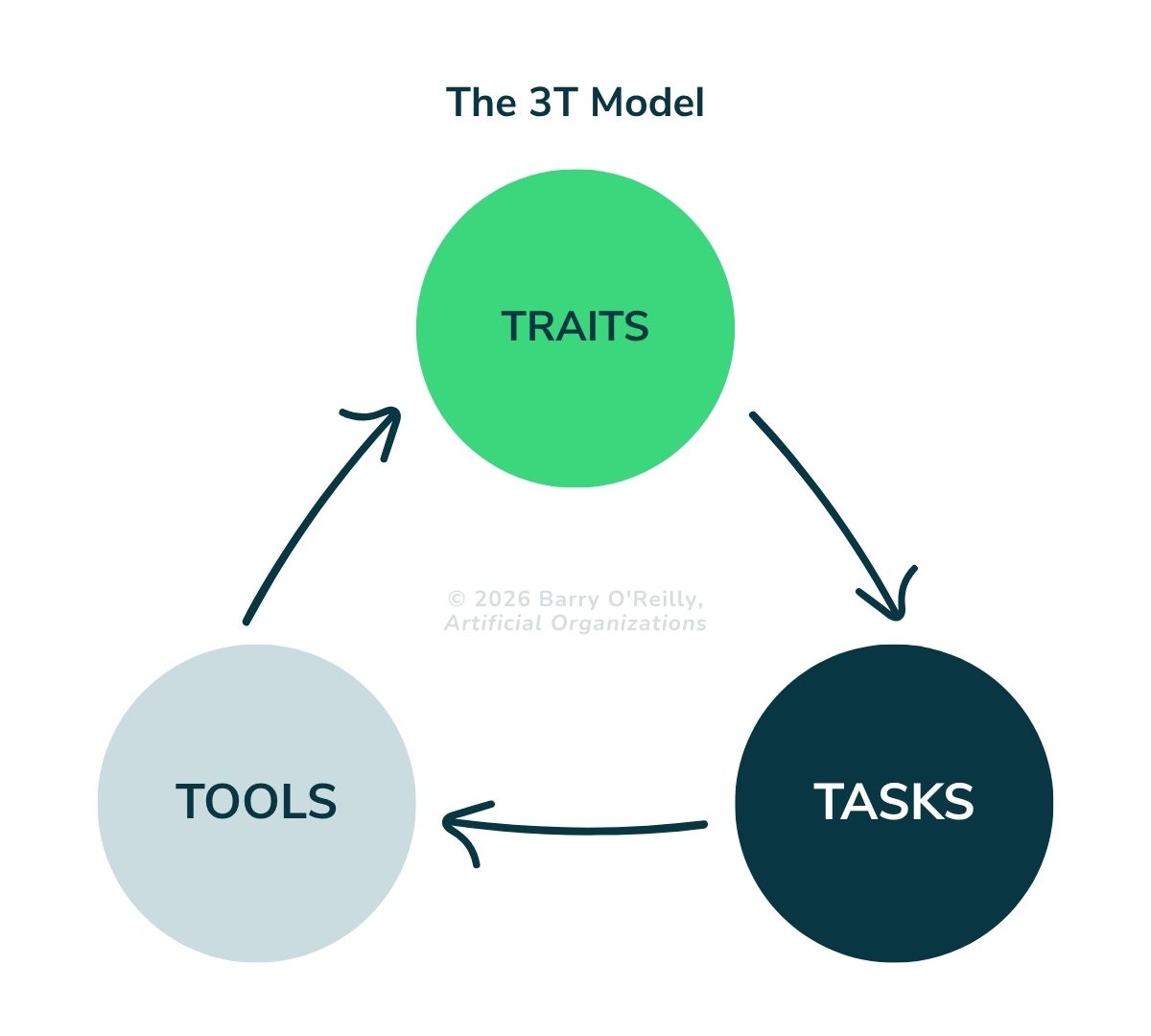
Most leaders start with AI tools. That's the mistake. The 3T Model flips the order: Traits → Tasks → Tools Traits — Start with who you are. How do you naturally create, capture, and recall information? That's your superpower. AI amplifies it — but only if you know what it is first. Tasks — Which decisions and workflows actually drain your judgment? Those are the leverage points. Redirect AI there — not everywhere. Tools — Last. Pick tools that fit your traits and tasks — not the ones with the best marketing. When leaders invert this order, they amplify noise. When they respect it, AI becomes a multiplier. This isn't productivity sequencing. It's judgment infrastructure design. Get the book at geni.us/artificialorgs
Barry O'Reilly tweet media
English
0
0
1
120