A new species in a new land never gets old. In the video, you will hear it. That mix of awe and adrenaline. It’s real every time.
But a fallow deer? Didn’t make sense at first. They’re not even native to South Africa.
But this isn’t Texas… these deer weren’t just turned out to be shot days later. They’ve been on the African landscape for nearly 200 years. Brought over by British settlers. For perspective, elk were reintroduced to CO around 100 years ago.
Talking with Chris about his personal Boer heritage kinda brought me the same surprise. His people were in Africa in the 1600s. Long before the U.S. even existed.
Hunting isn’t just about killing shit.
I find it deeply concerning that in today’s world, every person lives at the cost of another life. Yet, very few of us are ever there to witness the last breath.
It doesn’t matter if you’re a meat eater, vegetarian, or vegan. Everything you consume comes at the cost of something else. That’s the reality.
If everyone could experience this moment once, watching an animal that doesn’t want to die depart, their perspective would change.
The level of gratitude they’d carry each day would be different.
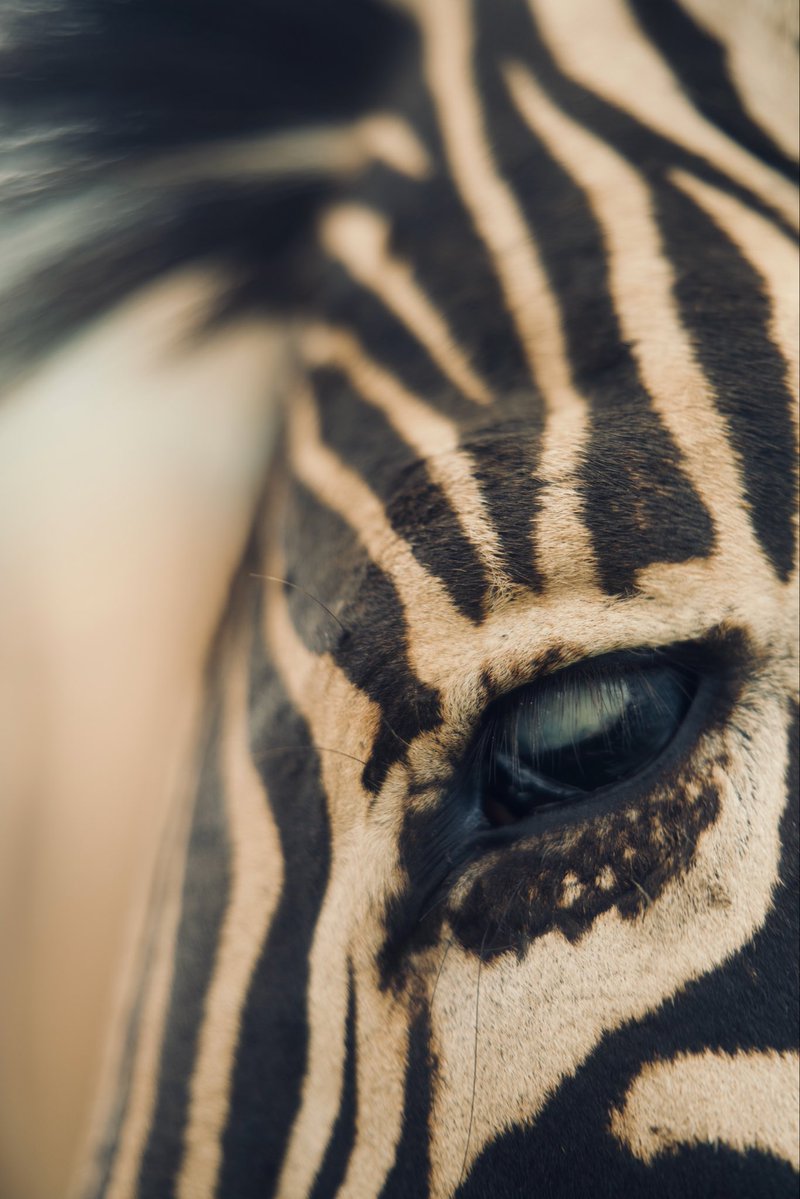
Zebra - nature’s bullseye.
We spent a day culling zebras due to their competition with other species in this area. Absolutely, beautiful beasts. But tough and adaptable animals that will overpopulate near these agriculture areas where large predators have been pushed out. Great eating.
I’ve gone deep into barefoot boots, but for Africa, @JimGreenFW beats Vivo.
Vivos are light, flexible, and quiet. But in big tough thorns, they fail. Thorns come in from the side and even punch through the sole.
I honestly thought when I yanked an inch of acacia out of my foot that the trip might be over. Drenched the hole in triple antibiotic and got lucky.
Dr. Ashby has killed thousands of big game animals. This is a real thing. Don’t aim in the wrong spot.
For the incoming “but it wastes meat” argument -> yes, but your recovery rate goes way up.
Lose 10% of the usable meat off every animal or lose 100% of the meat off 1 out of every 5 animals you shoot.
That’s how it plays out.
Full podcast up on my YouTube and on The Pursuit With Cliff podcast.
If you’re not killing a lot of animals in a compressed timeframe and actually observing what’s happening, you don’t really know much about terminal ballistics as it applies to hunting. You can’t take one elk this year, a few deer a couple months later, another bull the next season, mix in a few client animals, and draw hard conclusions. I tried that, and knew the weaknesses of it.
In Africa, I went out of my way to test this over a short window. Dozens and dozens of animals. Same general conditions. Same intent. Two ends of the spectrum: Barnes copper TTSX built for high weight retention and Sierra TMKs built for ballistic performance and to shed most of their weight after impact.
There are some fundamental truths that showed up.
Impact velocity gets talked about a lot, but mostly on the minimum side. And yes, you need to stay inside the performance envelope. But for the vast majority of hunting situations under about 450 yards, it’s not nearly as relevant as people make it out to be.
Maximum impact velocity isn’t talked about much…
Close shots… frangible TMKs expand extremely fast. You end up with very little wound channel neck, and penetration can be limited. But you’ve got to be realistic… will 12” with a massive cavity still do the job? Species dependent, but for most everything in North America, yes.
Normal ranges, 150-450yds, on broadside and quartering-to shots, ribs into the vitals or punching through one shoulder into the chest, both work with adequate penetration. Up to elk-sized animals, I have zero issue using a 153 TMK in those scenarios. I’ve done it enough times now. The coppers will also do it, but in many of those situations, the extra penetration just isn’t needed. And it comes with a massive wind performance penalty.
Where I saw a clear difference was in how animals actually died.
Double-lunged animals hit with match-style bullets died faster. That’s just what I observed. More internal damage, quicker deaths. I walked up on multiple animals hit with coppers thinking they should already be dead, and they weren’t. Due to minimal terrain, we got to animals fast. A double lunged animal taking 15 mins to die (or more shots to speed it up) vs already dead. If I was the animal, I’d prefer the later.
But there’s another side to this.
When things aren’t perfect, when animals are moving and wounded, when angles are bad…
Tracking a wounded zebra and needing to push through a massive ham to reach bone to break? You can do that with copper. You’re not doing that with a frangible bullet. I tried both ways.
So the idea that one bullet is universally better across all situations is just false.
I love stories that sound like BS but are actually true. The origination story of tonic water is one of those. Turns out that bitter taste that a lot of people hate about tonic water may have changed the course of development a lot of places, including Africa.
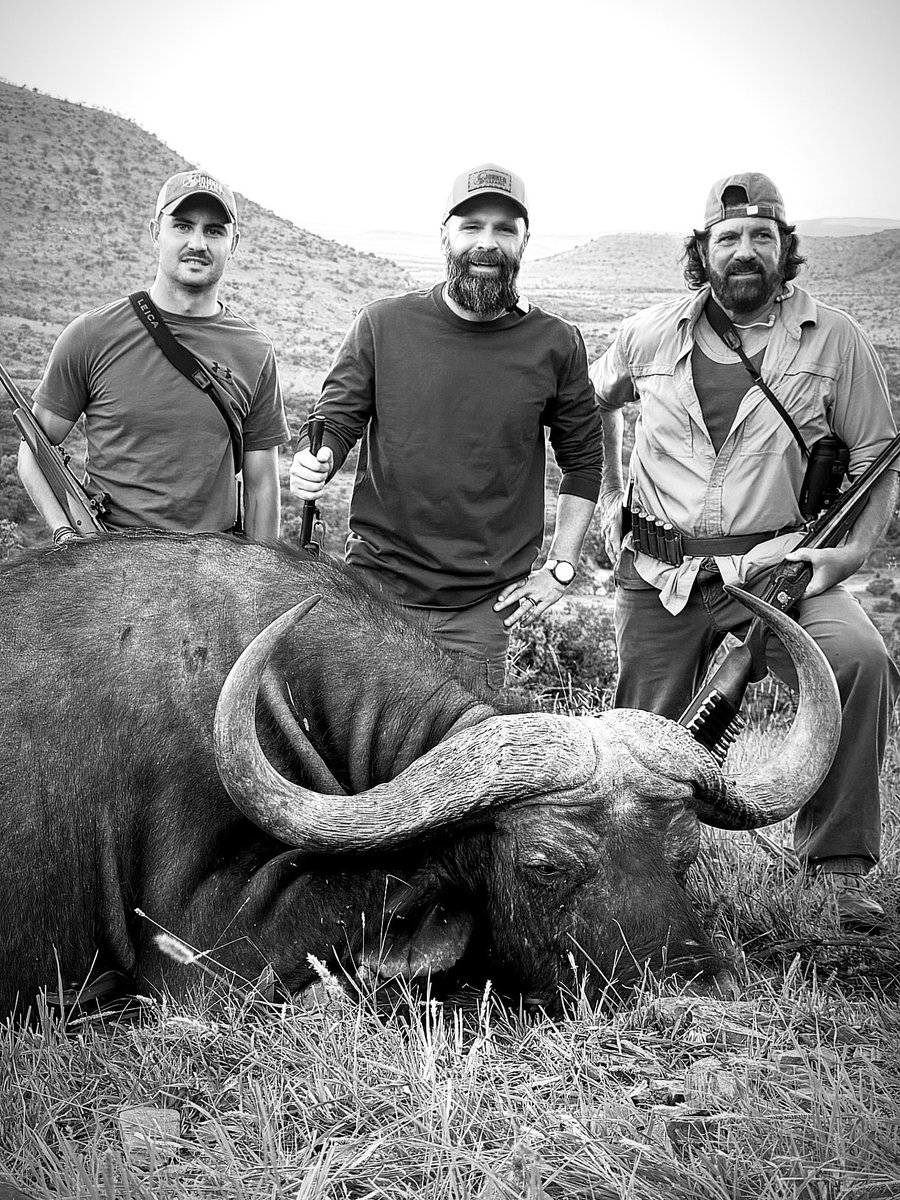
Just got done with an insane buffalo hunt in South Africa.
I sat down in camp and recorded a podcast with Tim Sundles and Chris Jonker after it wrapped up.
This gets into the background story. What I thought about buffalo hunting before I went, and what I think now after being in it. We also dug into Tim and Chris’s perspectives. The excitement. The fear. The danger. Then we got into the gear, the cartridges, and the decisions that matter.
There’s a full film in the works.
Go check out the full interview on YouTube or the Pursuit with Cliff podcast.
Lots of guys shooting the new PRC cartridges run into this. Everything works great until you try to do it while hunting, quiet and slow.
Full interview is up on YouTube and the Pursuit With Cliff podcast.
Within the constraints of one’s ability, frontal and hard quartering-to shots are some of the best options with a rifle. If you understand anatomy and angles these shots give the best opportunity to quickly dispatch the animal while anchoring. Chris does a great job of explaining potential pitfalls and exactly where you should aim.
Hunt took place on @buffaloboreammo hunting reserve. An incredible place.
I had many moments like this in Africa… 3, 4, or 5 different species within sight. The wildest part to me though wasn’t that number of species, it was the difference between each one. The appearance, the behavior, the instincts of each was so different from each other. The difference between a black wildebeest and a springbok blows the difference between a mule deer and an elk out of the water.
Africa and all its animals is unforgettable.
Ugly isn’t the right word for a warthog.
It’s something else. Something earned. I call it “ugbeauty”.
We saw them everywhere in Africa. Big boars, sows, piglets. Little bullets cutting low across the terrain. Living in holes. Always moving. Always aware.
They look like cartoons until you try to hunt one. Then you realize how sharp they are. They use cover well and haul ass if they think you see them.
Lot’s of respect for good ole Pumbaa.
Shot placement matters way more than people think. A lot of times when we think we made a bad shot, we actually just aimed at the wrong spot. Particularly for Americans… we battle the urge to shoot “the crease”. Chris Jonker does a great job explaining this.
I do agree that African animals’ anatomy is pushed forward, but if you use this exact methodology on North American game you will be in a great spot.
They’re little warriors. These guys live every day like something is trying to kill them. Because it is.
Sharp eyes. Constant movement. Always testing the wind. When they decide to go, they explode. Chris calls it the zoomies. Big hops. Wild bursts of speed. Pure energy across the African plains.
Before this hunt, I didn’t expect springbok to be one of the species I’d get most excited about. Turned out I could have spent whole days hunting them.
What I appreciated most hunting with Chris was the time he took to teach. How to understand the animal… to know what a mature one looks like.
To say I’ve been having epic adventures lately is an understatement.
“He looks at you like you owe him money…”
There’s a reason Cape buffalo hunting has been written about so much.
There is nothing like it.
The exhilaration of following a fresh track. The signs he knows you’re there. His clear intention of tricking you into a spot where he can fuck you up.
Can’t imagine hunting the Black Death with anyone better than Chris and Tim @buffaloboreammo.