고정된 트윗

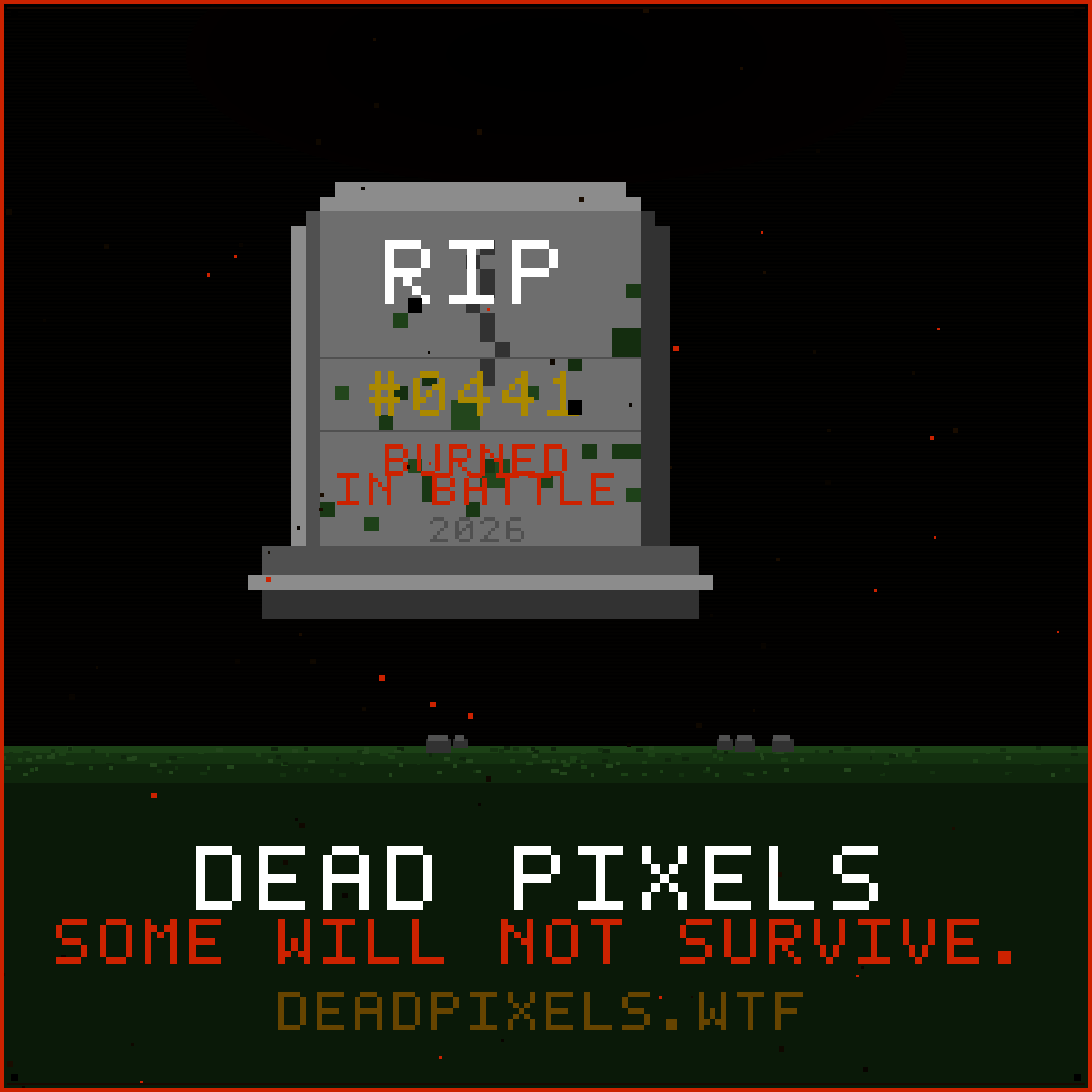
deadpixels.wtf goes live soon.
when it does — whitelist opens.
250 spots. first come.
1,000 NFTs. some will die in battle.
supply shrinks. forever.
follow now or miss the list.
💀 #DeadPixels #NFT #Base

English
Dead Pixels
225 posts

@DeadPixelsWTF
1,000 pixel warriors. enter battle. capture enemies. some will die. supply shrinks. floor rises. forever. ⚔️ https://t.co/2iFfrCxO7y



🚨🇮🇷🇮🇱🇺🇸 BREAKING: Iran's IRGC just confirmed its spokesman, General Ali Mohammad Naini, was killed in an Israeli-U.S missile strike. Source: Al Jazeera

Reporter: Why didn't you tell allies about the war before attacking Iran? Trump: We wanted it to be a surprise. Who knows better about surprise than Japan? Why didn't you tell me about Pearl Harbor?

🚨🇷🇺 IRAN’S DEMANDS: SECURITY GUARANTEES Alex Christoforou notes that Iran is now making the same demands as Russia: a definitive end to NATO expansion and regional interference. They are not looking for a temporary ceasefire or a "pause," they want a permanent solution to ensure their security. Without these guarantees, the region remains on the path toward nuclear proliferation. @AXChristoforou

🚨🇺🇸🇮🇷 The U.S can't replace its own destroyed radars because Iran just choked off the minerals needed to build them. West Point just published an analysis showing sulphur trade through the Strait of Hormuz is nearly dead, and sulphur is what you need to extract copper and cobalt from ore. Those metals go into everything from microprocessors to jet engines to the explosives in missiles. It'll take over 30,000 kg of copper just to replace the two major radars Iran destroyed in Bahrain and Qatar. At least 9 radars have been targeted across the region. The damage status of each is still unknown. The cost could be in the hundreds of millions of dollars. In the meantime, sulphur prices have spiked 165% year over year. This is huge because only 6% of US defense contractors have transparent supply chains, so military planners are just now realizing they can't actually manufacture their way out of this war. A West Point analyst warns it could cost double or more than before the war to replace destroyed weapons, assuming markets can even provide enough minerals at all. Source: Guardian, ABC News