고정된 트윗
Rider
12.1K posts

Rider
@EVsForMe
Never look down on someone unless you are admiring their shoes
New York (USA) 가입일 Kasım 2012
1.1K 팔로잉381 팔로워
Rider 리트윗함

@histories_arch I loved mine. I couldn’t afford the floppy disk drive so I would load programs from the cassette drive and it would sometimes take about 45 minutes for a game to load! My favorite game was called “Below The Root”
English

This is what peak technology looked like in 1982...
The Commodore 64, released in 1982, became the best-selling single computer model in history, with estimates exceeding 12–17 million units. It ran on the MOS Technology 6510 processor at roughly 1 MHz and shipped with 64 KB of RAM, significant for a home machine at the time. Its custom chips defined its appeal: the VIC-II handled graphics (up to 16 colors, hardware sprites), while the SID sound chip, designed by Bob Yannes, delivered three-channel synthesizer audio that remains influential in music production and game sound design.
Storage was typically via cassette tapes or 5.25-inch floppy disks using the 1541 drive, and programs were loaded through BASIC or from external media. The system connected to a standard television, lowering the barrier to entry compared to more expensive business computers.
The C64’s software ecosystem included thousands of games, educational titles, and productivity programs, making it a cornerstone of early home computing culture and programming literacy.
At its peak, Commodore’s vertical integration, designing its own chips and manufacturing components, allowed aggressive pricing that undercut competitors like Apple and IBM PC compatibles.
© History Pictures
#archaeohistories

English

@fasc1nate @grok how was it discovered who was responsible for the bomb?
English

Every year since taking power, Adolf Hitler gave a speech at the Munich Beer Hall. In November 1939, just after invading Poland, he did so again. Among those watching was a German carpenter named Georg Elser. Hidden in a nearby pillar above Hitler was a bomb Elser had carefully planted.
Elser had spent over a month preparing, knowing exactly where Hitler would stand from previous speeches. Each evening, he secretly worked on hollowing out the pillar to place the bomb, hiding the debris in a suitcase, and leaving unnoticed with the workers each morning. The bomb's timer was set to go off as Hitler’s speech ended.
However, on the day of the speech, Hitler finished earlier than usual and left the hall. Thirteen minutes later, the bomb exploded, destroying the pillar and bringing down part of the ceiling—right where Hitler had stood. If not for his early departure, history might have taken a very different turn.
The most haunting photos ever taken: bit.ly/46yA996

English

@Rainmaker1973 The new normal for me is removing food particles from between the teeth (interdental picks or floss) salt water rinse, nano hydroxyapitite toothpaste without rinsing and then a probiotic lozenge (Biogaia Prodentis).
English

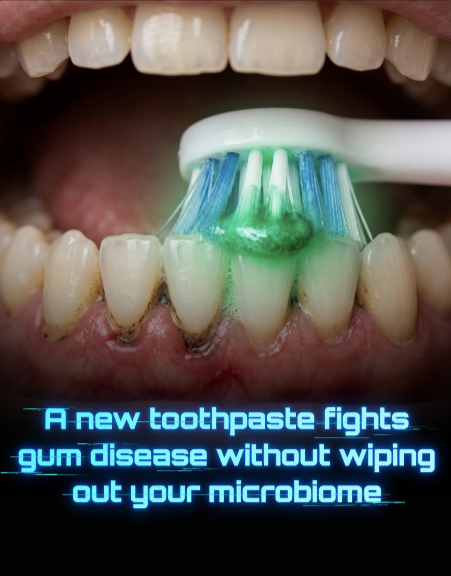
A new toothpaste only targets the bad bacteria that cause gum disease, while leaving your mouth’s beneficial bacteria untouched.
For decades, most gum disease treatments have taken a “scorched-earth” approach: powerful antiseptics that kill everything in their path. They wipe out harmful pathogens, but they also destroy the hundreds of good bacteria that naturally protect your oral health. Once those beneficial microbes are gone, bad bacteria often come back stronger and take over.
Now, researchers in Germany have developed a breakthrough compound that changes the game. It specifically blocks the growth of key gum disease culprits — like Porphyromonas gingivalis — without harming the protective microbiome.
This targeted strategy marks a major shift in oral care: instead of fighting the entire microbial ecosystem, it works with your body’s natural defenses. By neutralizing only the harmful bacteria, beneficial microbes can recover and restore balance on their own. The result? Reduced inflammation, less gum recession, and lower risk of tooth loss — all while helping your mouth achieve a stable, healthy state naturally.

English
Rider 리트윗함

Explore roles in Semi, powertrain & Powerwall
tesla.com/careers/search…
Français
Rider 리트윗함
Rider 리트윗함

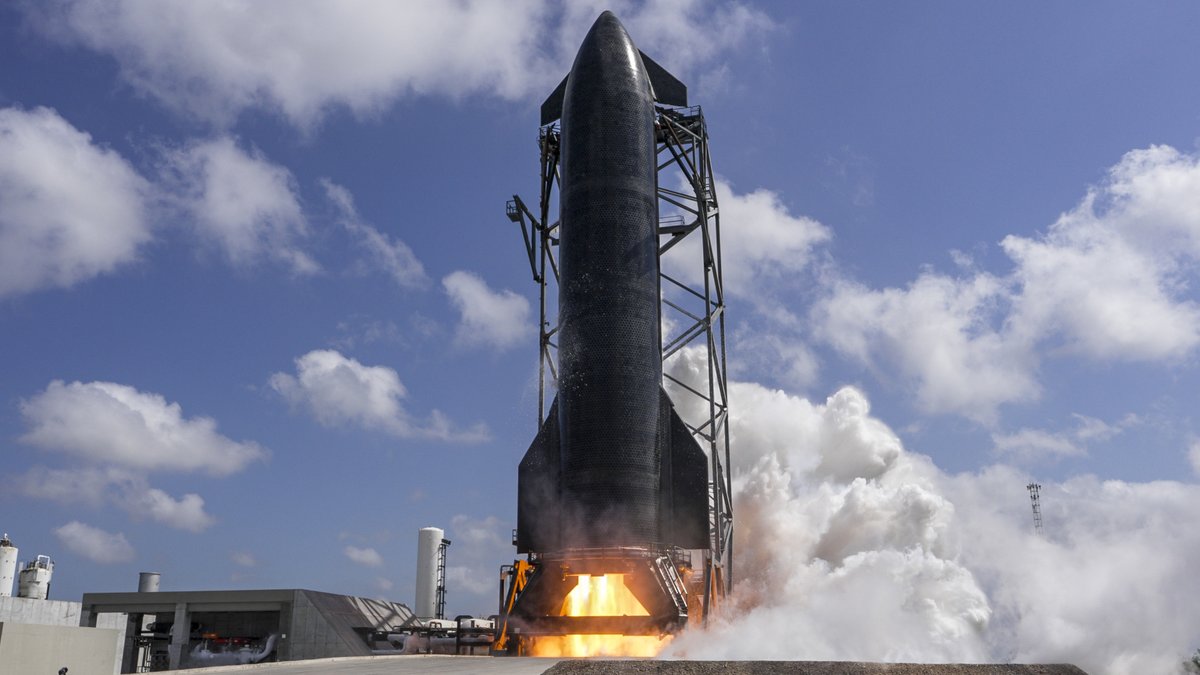
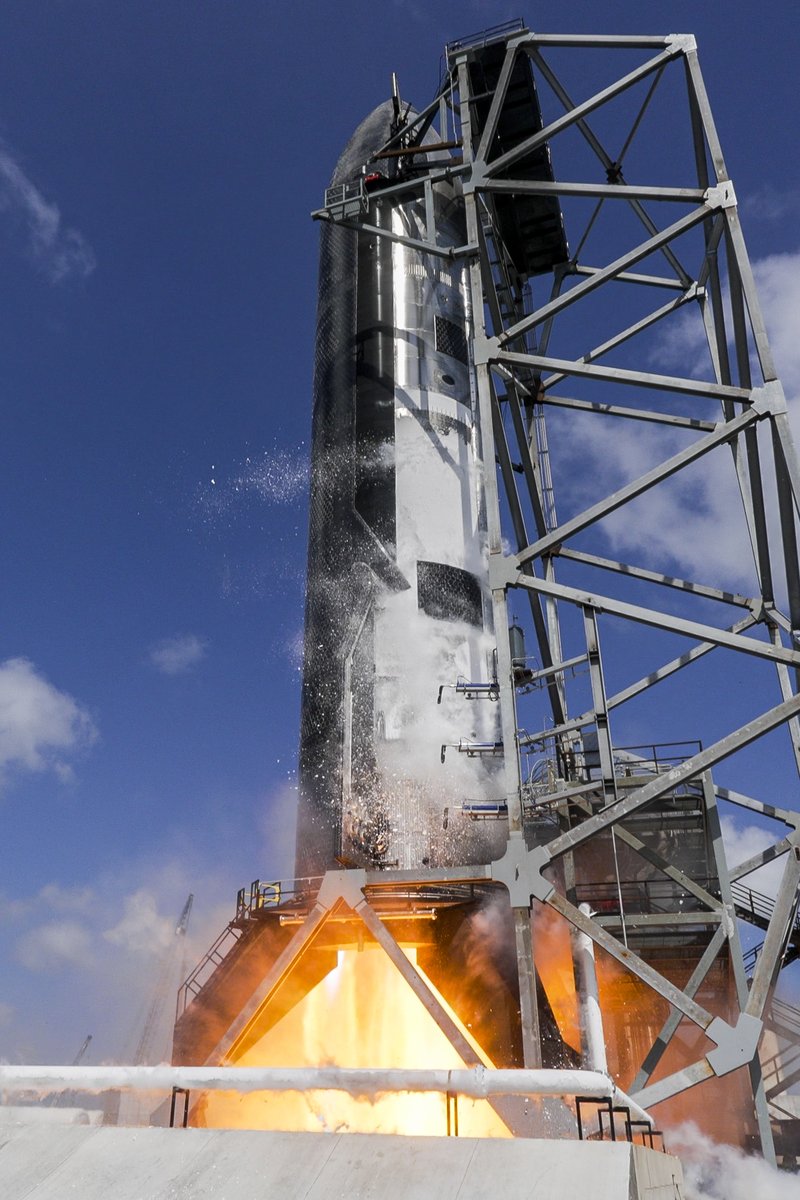
Falcon Heavy will launch the Rosalind Franklin rover to Mars in late 2028

NASA Mars@NASAMars
NASA has given approval to begin implementing its project to support @ESA's Rosalind Franklin mission. Scheduled to launch in 2028, this Mars rover will be the first to search for signs of past or present life under the Red Planet’s surface. go.nasa.gov/4vAIeX1

English
Rider 리트윗함

@BLKMDL3 The left lane cruising behavior is basically the model overfitting to 'minimize lane changes' without understanding why humans avoid it. Classic reward shaping problem. Point release will fix it but interesting to watch RL edge cases play out in the wild at 80mph.
English

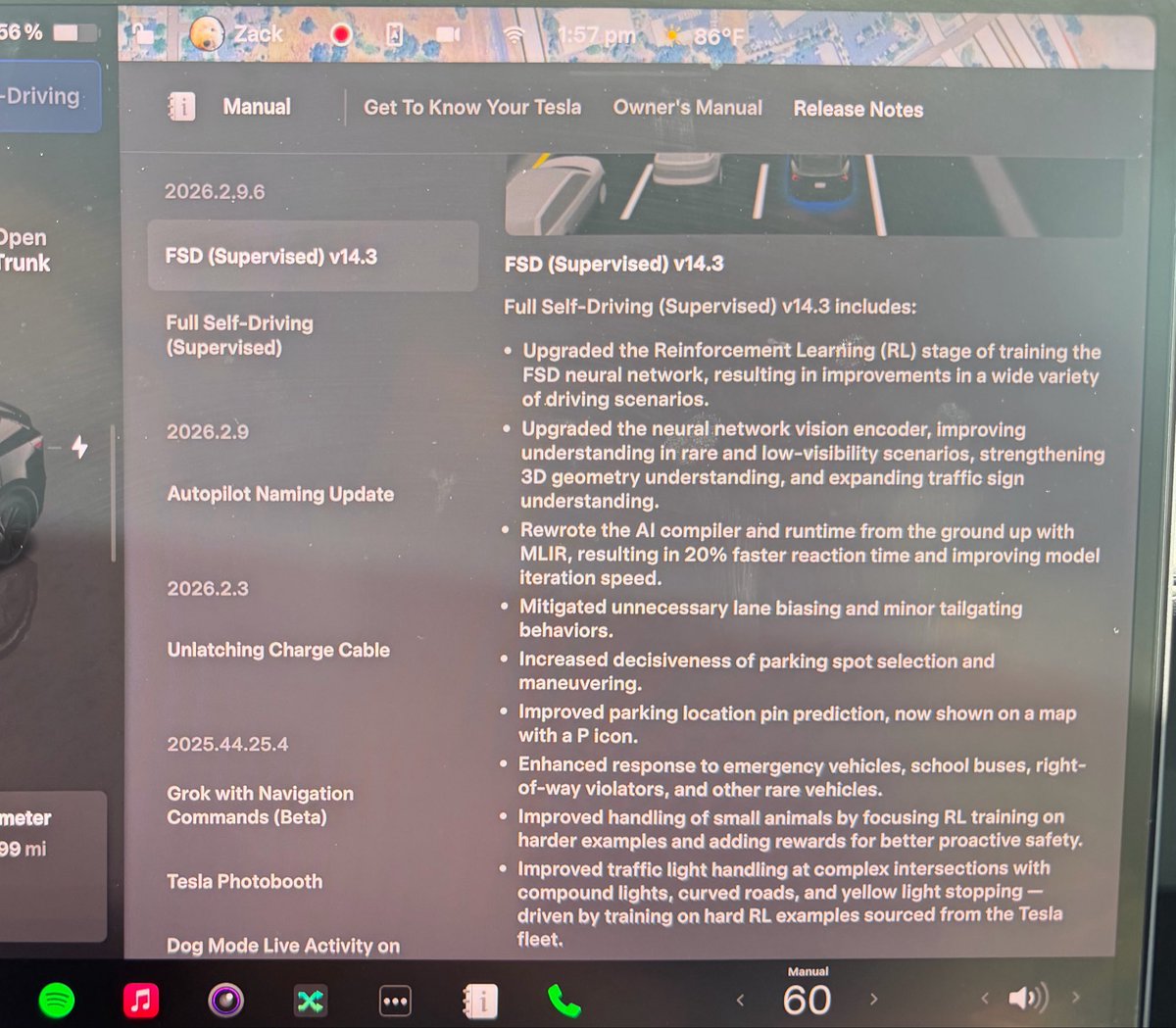
600 miles in with FSD v14.3 already and here are my thoughts:
The improved reaction time is immediately noticeable and definitely quicker than a human could react. Yesterday a semi truck swerved fast into my lane and the car reacted insanely quickly to get me around them. Tesla says it’s 20% quicker but feels more than that- and it was already extremely good.
I’ll start by saying FSD was already so great with v14.2 that it’s sometimes hard to find new things, but there some huge apparent changes immediately noticeable with v14.3. To those who think it’s not a big improvement over v14.2.x+, you’ll be very impressed and especially with some more polish. The reinforcement learning upgrades and thinking are noticeable.
Parking is where you immediately notice some changes. In the release notes it says that parking is quicker and more decisive and it’s true. It has picked spots closer and quicker to the selected pin. My Y isn’t showing the new P pin graphic for parking pin for some reason, but it’s definitely parking closer than before with more thought to it. Looking forward to eventually getting more options to hopefully park either closer or further away from people.
For the very first v14.3+ build, I have to say it’s pretty polished. The only gripe I have is the way it won’t get out of the left lane soon enough on highways. It likes to cruise in the left lane which isn’t ideal, it’s gotten better but the addition of reduction in unnecessary lane changes needs to be dialed back a bit.
Lane changes are a huge plus with this build and they are quick, decisive and executed very well, smooth as butter too. Turn signals come on at way better times now in parking lots and at the perfect time on the road.
I was lucky enough to get the update with 600 miles left of my 1800 mile Oregon road trip, so I pulled over to install it so I could get as much experience as possible with it to share with you all. So far 600+ miles in, I’m impressed. A few rough edges with the left lane behavior and the last few inches of parking are a bit slow 1/5 times until it puts it into park but with a point release update everything should be dialed in. The 350 mile drive home today from the Bay Area had zero intervention including all parking and charging.
One thing I would love to see implemented is a reset button for the FSD stats page. Would be cool to have a specific trip meter for FSD stats on Trip A/B or make your own trip. I’ve been hinting at a pretty cool road trip next month with my 2025 Model 3 so it would be cool to have a reset for that.
Speed control seems good on highways, it’s matching traffic speed great. Braking is very impressive for sudden slowdowns, had a big one in San Jose last night it did a great job with from 80-10mph.
HUGE improvements with stop sign behavior. The acceleration and deceleration are way smoother than before, much more pleasant. Mad Max takes off strong but again, a better curve than before. Mad Max is also polished a bit and feels great. FSD v14.3 did a great job in LA traffic once I got back and will go out this evening to film videos for everyone on my normal test loops. Let me know if there’s anything specific I should try or check out.
Can’t wait to see how v14.3+ progresses especially with the upgraded reasoning coming to all scenarios soon. Some awesome additions here.
THANK YOU everyone @Tesla_AI for all the hard work getting this update out. More videos to come.

English
Rider 리트윗함

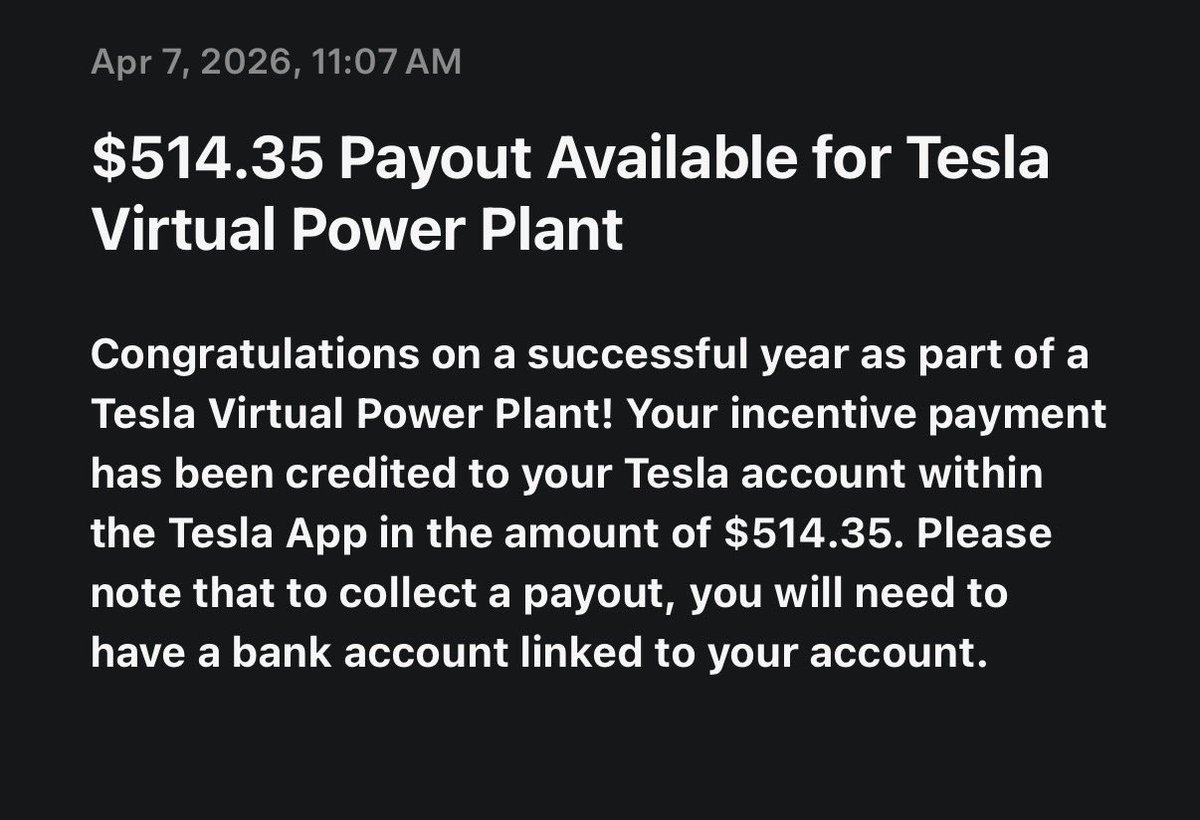
@a_pad91 @wholemars @shaolinplex Thanks. I’m still waiting for last year’s payment and wanted to know where to look.
English

@wholemars @shaolinplex I was so stoked to see $500+! Was expecting a smaller amount because I exported less in 2025 than in 2024!

English
Rider 리트윗함

@histories_arch @archeohistories Our family never had one but we visited people who had it. I remember geeking out on it even as a kid.
English

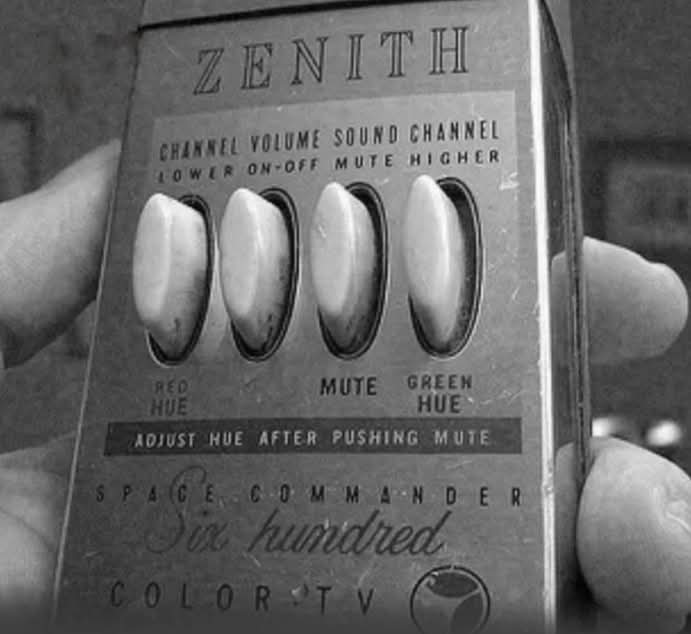
The Zenith Space Commander (1950s/60s)... One of the first TV remotes that didn’t need batteries. It used ultrasonic sound produced by hitting aluminum rods with a small hammer inside the device.
Instead of electronics, it used a purely mechanical system: pressing a button triggered a small hammer that struck an aluminum rod inside the device, producing a distinct ultrasonic tone. The television would detect that specific frequency and carry out a command like changing the channel or muting the sound.
Because each button produced a different tone, the system could reliably control multiple functions with surprising precision for its time. It also avoided one of the biggest limitations of early remotes, short battery life.
However, the design wasn’t perfect. Certain everyday sounds, like jangling keys or even some high-pitched noises, could occasionally trigger the TV unintentionally.
Zenith called it the “clicker,” a nickname that stuck for decades and is still used today to describe TV remotes, even though modern ones are fully electronic.
© Reddit
#archaeohistories

English


@Polymarket Unfortunately us humans are the weakest link. We don’t mean to be but we are………
English
Rider 리트윗함