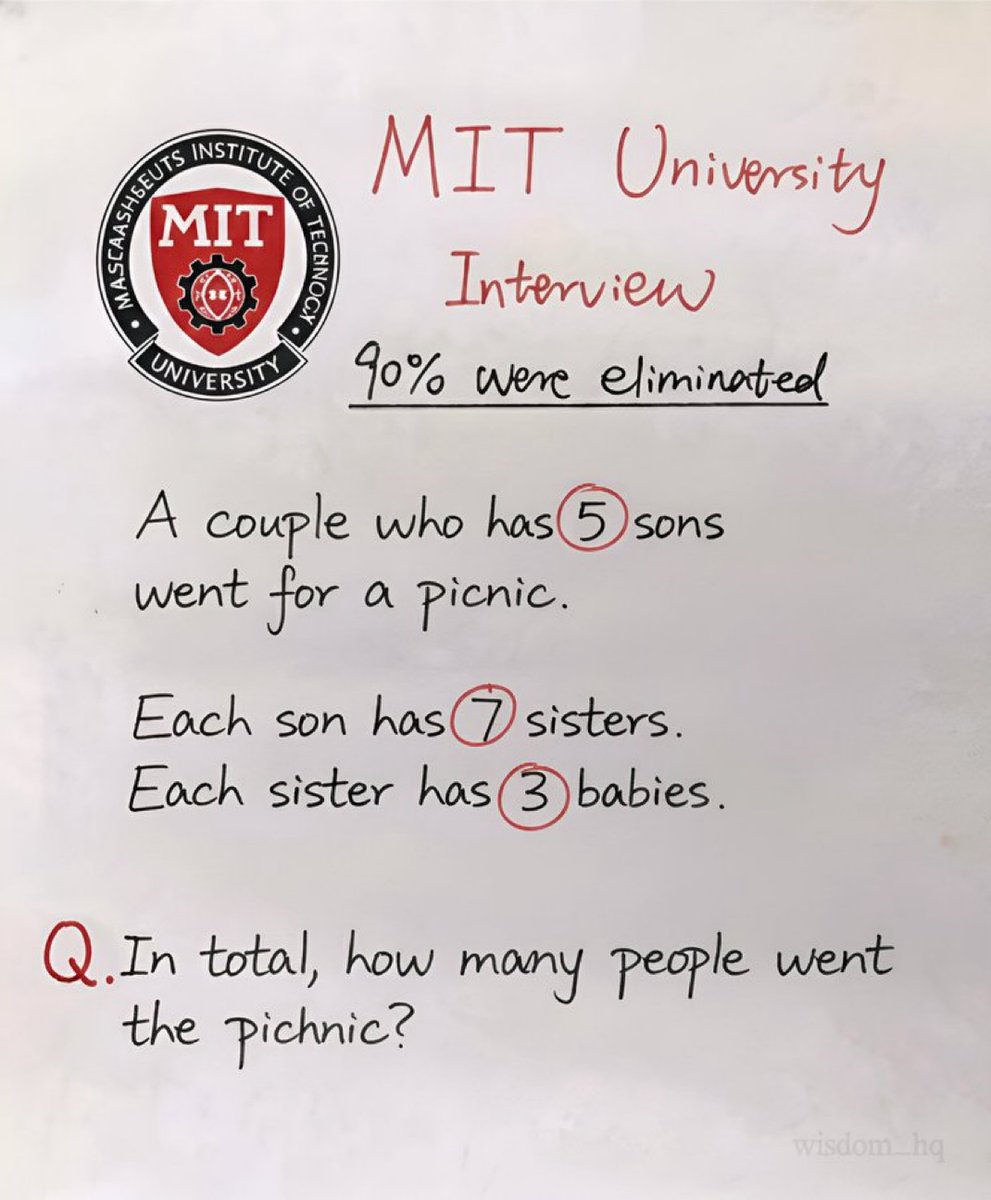
@Uchemontanatv @MbarkCherguia Who said the sons went to the picnic? It's 2.
English
George Varv
40K posts
@GdVarv
Process mining enthusiast who is interested in how patterns appear in life. Fascinated but despondent about the current political landscape.



In 1970, a 23-year-old physics student at Imperial College London was deep into his doctoral research on cosmic dust when he faced an impossible choice. Brian May, a budding astrophysicist, had been studying the zodiacal dust cloud—tiny particles scattered throughout the solar system that reflect sunlight. His research was progressing, and he was on track to complete his PhD. But he also had another passion: music. May was the guitarist for Queen, a band that was beginning to gain serious attention. They had just signed a record deal, and tours were on the horizon. The opportunity was immediate and couldn't be ignored. Standing at a crossroads, May made a life-changing decision: he chose the guitar over the telescope. Queen's rise to fame was swift. By the mid-1970s, the band was a global sensation. Songs like "Bohemian Rhapsody" and "We Will Rock You" became anthems, and May's distinctive guitar tone—created with his homemade instrument, the Red Special—became iconic. Albums sold millions, and stadiums filled with fans. But May's academic work was left unfinished. His thesis remained incomplete, and his research was put on hold. However, Brian May never lost his love for science. Even as Queen dominated the rock world, May kept up with developments in astrophysics. He continued reading journals, attending lectures when he could, and staying connected to the academic community. His thesis advisor, Professor Michael Rowan-Robinson, had told him, "You can always come back and finish." In 2006, more than three decades later, May decided it was time to return. He contacted Rowan-Robinson, and they discussed the possibility of completing the research. The field had advanced, and May’s data was outdated, but his original observations remained valuable. With Rowan-Robinson's guidance, May worked to update his research. May continued his music career while revisiting his old data, incorporating modern research, and refining his analysis. In 2007, Imperial College awarded him a PhD in astrophysics, not as an honorary degree, but through genuine research and peer review. At age 60, May became Dr. Brian May. His PhD was a testament to his dedication to both music and science. He didn't need the degree for career advancement—he had already achieved rock stardom. But his pursuit of knowledge, both for its own sake and to finish what he had started, made his accomplishment remarkable. May’s story proved that it’s never too late to finish what you start, even if it takes 36 years. Passion, whether in music or science, doesn't have an expiration date.


This video was deleted from twitter by Elon Musk. Let’s make sure it goes viral here.



@groovyedu It'll be hard right now as a minority, but 2026 six and 2028. Uh-oh!!!
@Peter_Fitz Every one I know is voting ON including me.
"How Did You Not Plan For This?"

Billionaire Marc Andreessen says he has "zero" introspection, and that the idea itself is a modern invention.
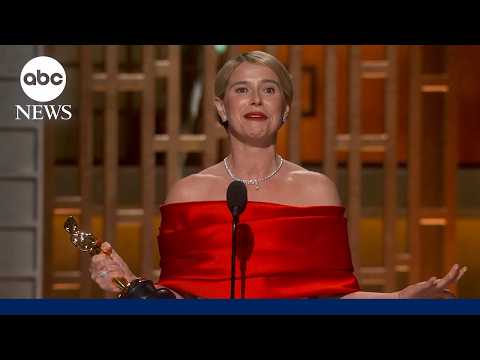

If the GODFATHER were made today it would NOT be eligible for an Oscar unless he transitioned to the Godmother and made someone an offer they couldn’t HEAR. You could still leave the gun but you couldn’t take the cannoli unless the baker supports gay marriage. RIP Hollywood.