Ignacio Cofone

1.8K posts

Ignacio Cofone banner
Ignacio Cofone

Ignacio Cofone

@IgnacioCofone

Prof of Law & Regulation of AI @OxfordLawFac, @EthicsInAI. Likes tech & sustainable industrial policy. https://t.co/ggT62Jt3LM

Oxford, UK 가입일 Ocak 2018
835 팔로잉2.7K 팔로워
고정된 트윗
Ignacio Cofone
Ignacio Cofone@IgnacioCofone·
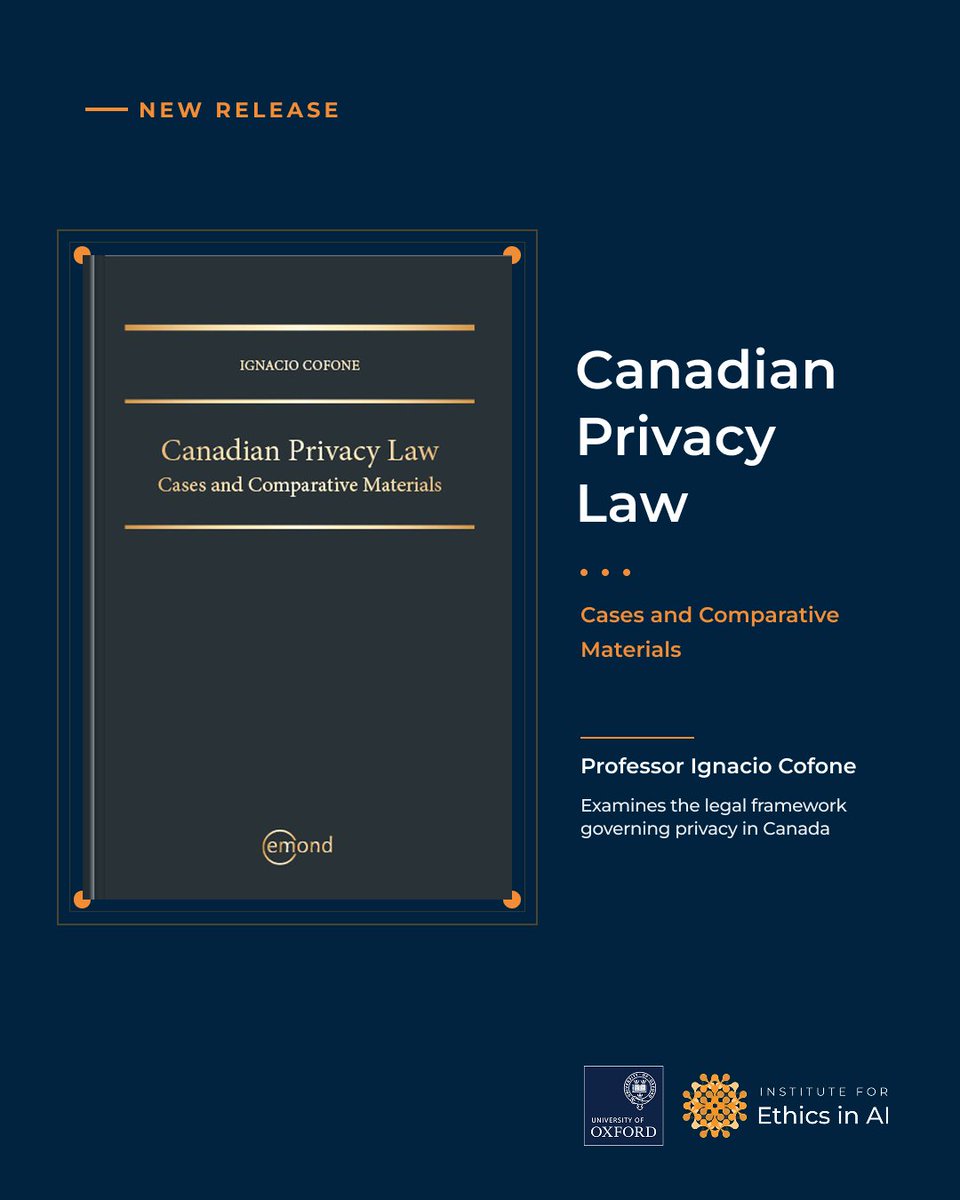
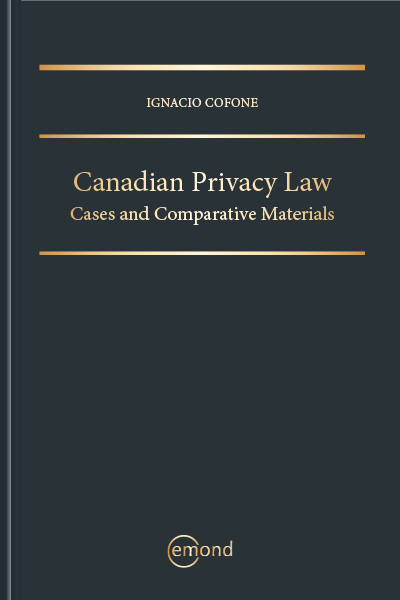
Thrilled that Canadian Privacy Law: Cases and Comparative Materials is now published by @EmondPublishing. It comes out of six years of teaching Privacy Law at @LawMcGill and it's the first casebook to cover Canadian Privacy Law as a whole
Ignacio Cofone tweet media
English
2
2
10
379
Ignacio Cofone
Ignacio Cofone@IgnacioCofone·
And because disclosure doesn't have to be all-or-nothing (it can be staged, partial, or mediated through auditors), the domain of genuinely justifiable opacity turns out to be much narrower than secrecy claims suggest.
English
0
0
0
65
Ignacio Cofone
Ignacio Cofone@IgnacioCofone·
They serve a second function: they reveal whether the decision-maker aligns the algorithm with the public interest or uses opacity to shield self-serving design choices. Where those patterns suggest misalignment, the paper proposes rebuttable presumptions favoring disclosure.
English
1
0
0
52
Ignacio Cofone 리트윗함
The Institute for Ethics in AI
📢 NEW BOOK Canadian Privacy Law: Cases and Comparative Materials, edited by Ignacio Cofone (@IgnacioCofone), Professor of Law and Regulation of AI at the Faculty of Law, University of Oxford (@OxfordLawFac) and the Institute for Ethics in AI, offers a comprehensive look at how privacy is regulated in Canada ⚖️ The book brings together key debates shaping privacy today - from online speech harms, and the right to be forgotten, to high-tech policing, the public/private divide, and mass surveillance under international law. What challenge does this book address? Privacy law in Canada is often split across different areas of study, such as tort law, legislation, and constitutional principles. This separation can make the field feel fragmented and difficult to understand as a whole. This book solves that by connecting these areas and showing how they interact in real legal practice. Who is it for? It is useful for a wide audience: – educators looking for a structured and ready-to-teach resource – students who want a clear and accessible way to understand privacy law – legal professionals dealing with privacy issues across sectors like tech, employment, and public law What makes it stand out? Unlike existing materials, this is the first Canadian casebook to combine privacy torts, statutory law, and constitutional protections in one place. Developed over years of teaching at McGill University, it reflects how privacy law is actually taught and applied, with carefully selected cases, notes, and comparative insights. 📚 Find out more about book: emond.ca/Store/Books/Ca…
The Institute for Ethics in AI tweet media
English
0
3
9
678
Ignacio Cofone
Ignacio Cofone@IgnacioCofone·
Thrilled that Canadian Privacy Law: Cases and Comparative Materials is now published by @EmondPublishing. It comes out of six years of teaching Privacy Law at @LawMcGill and it's the first casebook to cover Canadian Privacy Law as a whole
Ignacio Cofone tweet media
English
2
2
10
379
Ignacio Cofone
Ignacio Cofone@IgnacioCofone·
It integrates torts, statutes, crim law, and con law. The focus is on how Privacy Law actually works across contexts: how consent operates, how regimes like PIPEDA relate to public and private law, and how similar problems arise across domains tinyurl.com/uz96tpz5
English
0
0
0
77
Ignacio Cofone 리트윗함
The Information Society Project
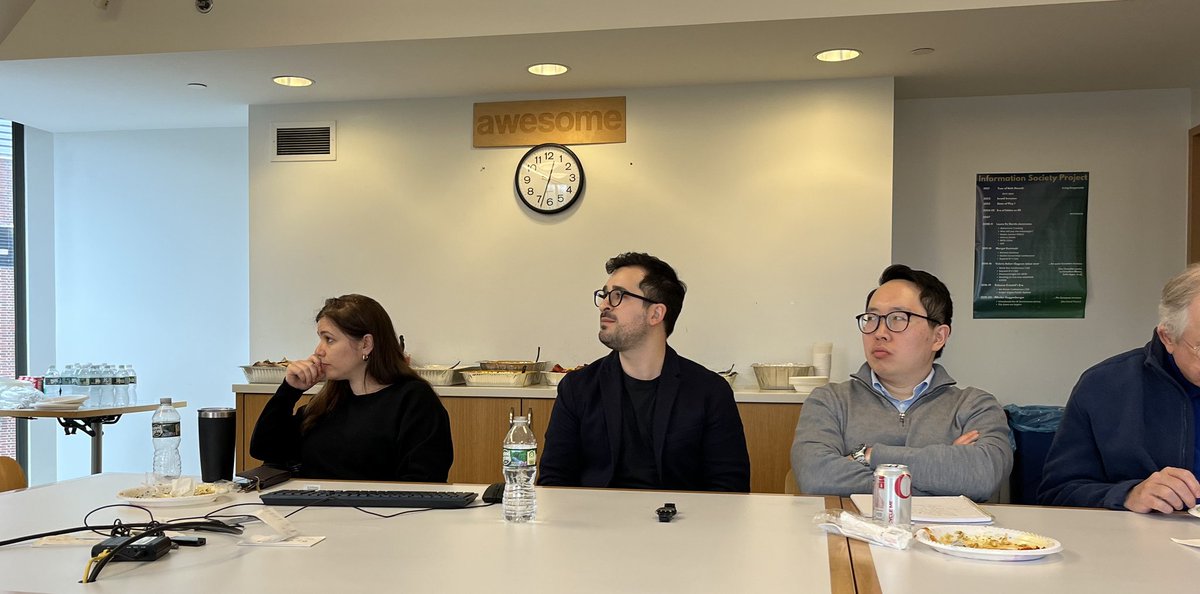
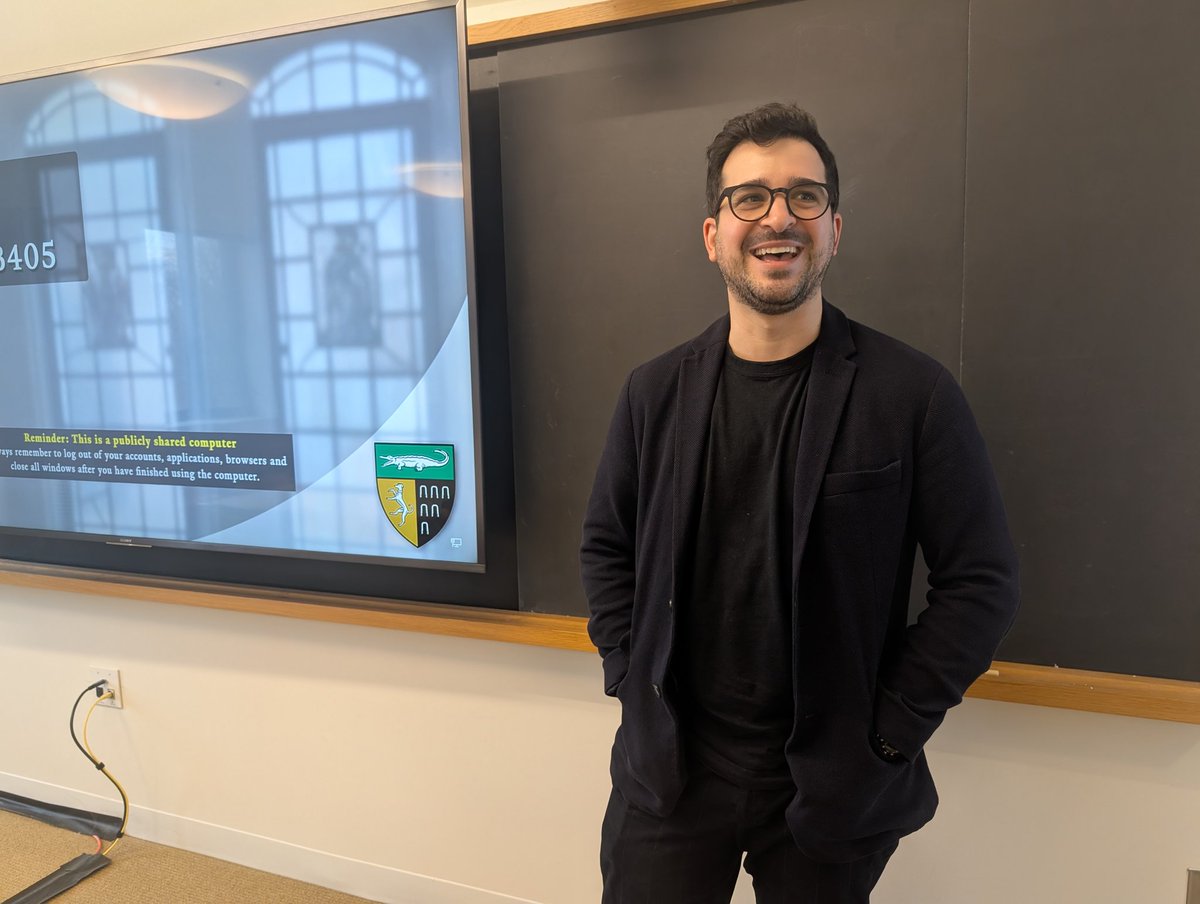
At this week’s Ideas Lunch, we were delighted to host Prof. @IgnacioCofone and Prof. Katherine Strandburg for a fascinating talk on “Algorithmic Opacity as a Principal-Agent Problem.” Thank you both for such a thoughtful discussion.
The Information Society Project tweet mediaThe Information Society Project tweet media
English
0
1
6
462
Ignacio Cofone 리트윗함
The Information Society Project
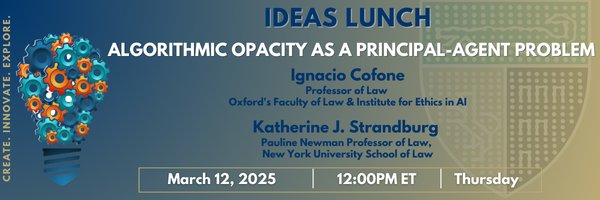
Tomorrow at Ideas Lunch we will be hosting Ignacio Cofone (University of Oxford) & Katherine Strandburg (New York University) on “Algorithmic Opacity as a Principal-Agent Problem.” 🗓️ Thurs., March 12 🕛 12:00 PM ET 📍Baker Hall 405 Zoom option for fellows only
The Information Society Project tweet media
English
0
1
5
471
Ignacio Cofone 리트윗함
The Institute for Ethics in AI
The Institute for Ethics in AI@EthicsInAI·
📢📄We are delighted to announce a new paper by Professor of Law and Regulation of AI, @IgnacioCofone, now forthcoming in the University of Toronto Law Journal. In Consent, Design, and Deceit: A Bottom-up Proposal for Regulating Dark Patterns, Professor Cofone and his coauthor examine how privacy law’s overreliance on individual consent has incentivised the proliferation of deceptive design practices known as “dark patterns”, which manipulate individuals into making unintended decisions by eliciting largely meaningless expressions of consent. The article proposes a systemic regulatory response based on a grassroots reporting and rewards framework. 🔗Read and download the paper: papers.ssrn.com/sol3/papers.cf…
The Institute for Ethics in AI tweet media
English
1
3
18
991
Ignacio Cofone 리트윗함
The Institute for Ethics in AI
The Institute for Ethics in AI@EthicsInAI·
Last week, Professor of Law and Regulation of AI at the Institute for Ethics in AI, @IgnacioCofone, delivered the annual lecture of the Centre for Business Law and Practice at the University of Leeds. In his talk, “How AI Requires Rebuilding Data Protection Law,” Professor Cofone explored how modern AI systems challenge the traditional foundations of data protection. The lecture highlighted why existing consent-based frameworks may no longer be sufficient, and why data protection law must increasingly focus on constraining harmful inferences and addressing real social impacts of data practices. To learn more about Professor Cofone's work, please visit: oxford-aiethics.ox.ac.uk/ignacio-cofone Discover how we are approaching AI policy, law and regulation at the Institute for Ethics in AI: oxford-aiethics.ox.ac.uk/ai-policy-law-…
The Institute for Ethics in AI tweet media
English
0
2
14
1.2K
Ignacio Cofone 리트윗함
Raphaël Millière
Raphaël Millière@raphaelmilliere·
Transformer-based neural networks achieve impressive performance on coding, math & reasoning tasks that require keeping track of variables and their values. But how can they do that without explicit memory? 📄 Our new ICML paper investigates this in a synthetic setting! 🧵 1/13
English
9
100
625
72.5K