Jonathan Cedernaes
11.2K posts

Jonathan Cedernaes
@JCedernaes
Sleep & circadian researcher, PhD, Medical doctor. @NorthwesternU & Associate Professor (docent) @UU_University in medical cell biology. Dance aficionado


We are delighted to celebrate the election of our esteemed colleague, Dr. Joe Bass, @JoeBass91471540 to the @theNAMedicine. This honor recognizes his outstanding contributions to the field of Endocrinology, Metabolism, and Molecular Medicine, and his pioneering research elucidating the critical links between the body’s circadian rhythms and metabolic regulation. Dr. Bass’s groundbreaking work has revealed how disruptions in the circadian system contribute to metabolic diseases such as diabetes and obesity. This election represents a well-deserved and long-overdue recognition of Dr. Bass’s exceptional scientific achievements and his profound impact on the field. Congratulations, Joe, on this remarkable and richly merited honor. @NU_BMG_SQE @NUFeinbergMed @theNASciences





🚨Just in: A Senate bill to make Daylight Savings Time permanent in the U.S. has failed today

Illuminating the Risks of Nighttime Light for Cardiovascular Health jamanetwork.com/journals/jaman…


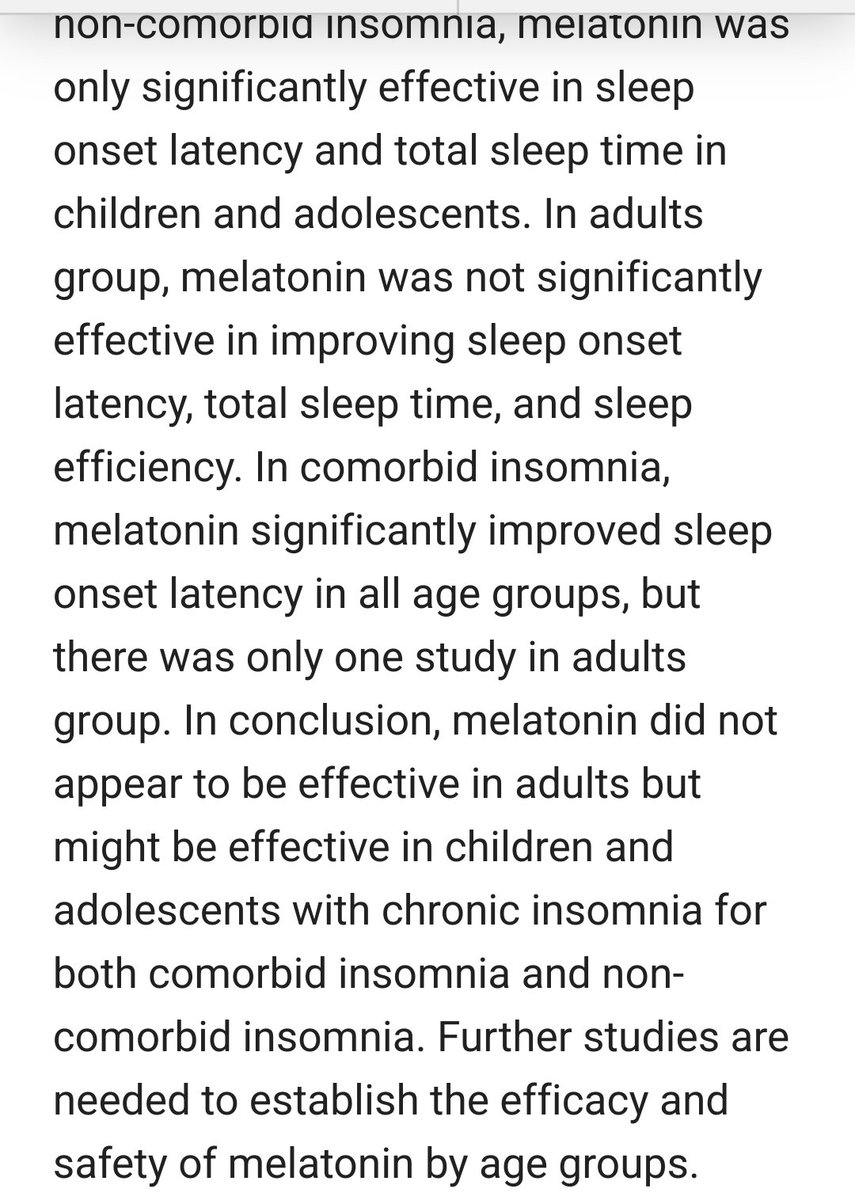
One of the most common things I'm asked about is sleep supplements. Here's my list (and why I take them): • Melatonin - 3 mg or less 1-3 hours before bed. Best reserved for travel/jet lag or when you *really* need sleep. • Magnesium glycinate - calms the nervous system especially when stressed (which depletes magnesium). I take 120 mg before bed but some research uses 200-400 mg. • L-theanine - non-sedating amino acid that helps to calm the brain. A dose of 200-400 mg can improve sleep latency and sleep quality, especially if you're dealing with anxiety/insomnia. • Glycine - when taken about 30-60 minutes before bed, it may improve subjective sleep quality due to its nervous system effects. • Myo-inositol - not strongly evidenced as a sleep aid but I've found it helps me calm the "mental chatter" before bed.


meaningful health outcomes are things like walking speed, endurance, recovery from cuts and scrapes when you have biomarkers that outperform functional test, let us know

Alzheimer's? Tractable. Diabetes? You can pretty much get rid of it. Heart disease? You can mostly make it a thing of the past. Breast cancer? Same deal.


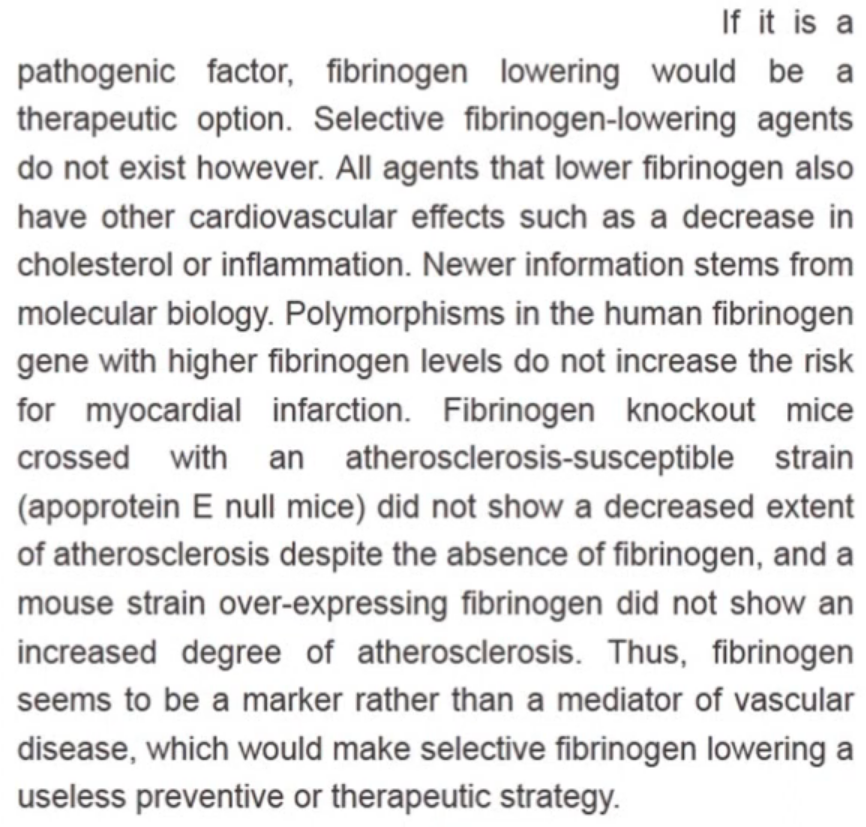
We've published papers implicating excess clotting and insufficient clot reduction (fibrinolysis) as far superior markers and causes of blocked arteries than LDL. The lit suggests optimizing fibrinolysis would be superior to statins. A supplement that could have benefit is nattokinase and K2. I prefer to get it from a non-tablet source, e.g., @TokuHealth This is the only product I endorse. Use it to get 20% off: partners.tokuhealth.com/DAVID20