

June
389 posts


If you wear this dress on the street in China, you will be beaten.
🇯🇵SAIGOU🇯🇵郷田剛士🇯🇵@oidonhagouda
I saw that a kimono rental shop in Kyoto is now offering hijab rentals together with kimono. Trying on a kimono can be a nice cultural experience, but wearing it while keeping a hijab on feels disrespectful to the tradition. If someone truly wants to respect Japanese culture, shouldn’t they take off the hijab and wear the kimono properly?
English






@SuspendedRobot An Indian hired by Japan for its international propaganda
English

@Hal1028491 @shangjueqian 他们没有强迫你裹头巾,他们把头巾裹在自己头上,关你什么事呢?大街上到处是汉服配运动鞋,你也会指责他们不尊重中国文化吗?
中文

@shangjueqian 说实话我也不喜欢,而且你们总是喜欢要求别人尊重你的习俗,但是能不能也反过来尊重一下我们。你知道吗其实我们大部分只是心里不想说出来罢了,你们这样做其实就是不尊重我们的文化,你们只顾自己但是根本不在意我们怎么想反而觉得是我们歧视你们,但是你们真的尊重我们了吗,尊重中国或者日本文化了吗
中文

Belom pernah liat ada orang mainland protes soal baju traditionalnya di modif hijab friendly malah disediain langsung buat yg berhijab (ini foto warlok ya).
Kimono kan awal mulanya dari tiongkok era 3 negara terus modelnya ngikut era dinasti han🙃pencetusnya aja kaga protest.


NyanChuu🔮🇯🇵🍭@tanpukunokami
Hey, seriously, what the hell is this? A hijab with a kimono? Apparently, some kimono rental shops in Kyoto now let people rent hijabs together with kimono. Don’t destroy Japanese culture.
Indonesia

これの引用欄を見ると、あたかも日本人全体が差別してるように思われてる。ネトウヨは日本に悪さしかしない。世界の皆さん、このアカウントは無知なネットトロールです。着物を愛する多くの日本人は、外国の方々に着物が愛されることを喜んでいます。また、着物が差別に利用されることに憤っています。
NyanChuu🔮🇯🇵🍭@tanpukunokami
Hey, seriously, what the hell is this? A hijab with a kimono? Apparently, some kimono rental shops in Kyoto now let people rent hijabs together with kimono. Don’t destroy Japanese culture.
日本語

Un emotivo video se ha vuelto viral, donde se observa el rescate con vida de una mujer, aparentemente de origen chino, que permanecía atrapada entre los escombros.
Español

Después del terremoto en Venezuela, una familia buscaba a su bebé entre los escombros. El papá entre lágrimas lo llamaba a los gritos Y EL BEBÉ SALIÓ GATEANDO.
Esto es un milagro
Español


太極旗は、単なる応援のシンボルとして扱われるべきではありません。
多くのベトナム人にとって、その旗は韓国軍によるベトナム戦争への介入、民間人虐殺、そして戦時中の苦難と直接結びついています。
国際的なスタジアムで太極旗を振ることは、ヨーロッパでナチスのシンボルを振ることに他なりません。
ナチスは第二次世界大戦中にユダヤ人を虐殺し、ヨーロッパ各地で数え切れないほどの民間人を殺害した。
多くのベトナム人にとって、太極旗は同様の歴史的な痛み、恐怖、屈辱を象徴している。
スポーツスタジアムは、サッカーと敬意、そして公正な競技のための場所である。
過去の侵略を美化するシンボルを掲げる場所ではありません。
その旗をスタジアムに持ち込んだ人々は、サッカーの試合への入場を禁止されるべきであるだけでなく、
あらゆる国際スポーツ会場への入場を永久に禁止されるべきです。
歴史的な侮辱を、決してファン文化という名目で偽装してはなりません。
@FIFAcom
@FIFAWorldCup
@fifamedia

Adrian Knox@LifeBeLikeThatX
The Rising Sun Flag should not be treated as a simple cheering symbol. For many Asians, that flag is directly connected to Japanese imperialism, colonial rule, invasion, and wartime suffering. Waving the Rising Sun Flag in an international stadium is no different from waving a Nazi symbol in Europe. The Nazis murdered Jewish people during World War II and killed countless civilians across Europe. To many Asians, the Rising Sun Flag carries the same kind of historical pain, fear, and humiliation. A sports stadium is a place for football, respect, and fair competition. It is not a place to wave a symbol that glorifies past aggression. The people who brought that flag into the stadium should not only be banned from football matches. They should be permanently banned from entering any international sports venue. Historical insult must never be disguised as fan culture. @FIFAcom @FIFAWorldCup @fifamedia
日本語

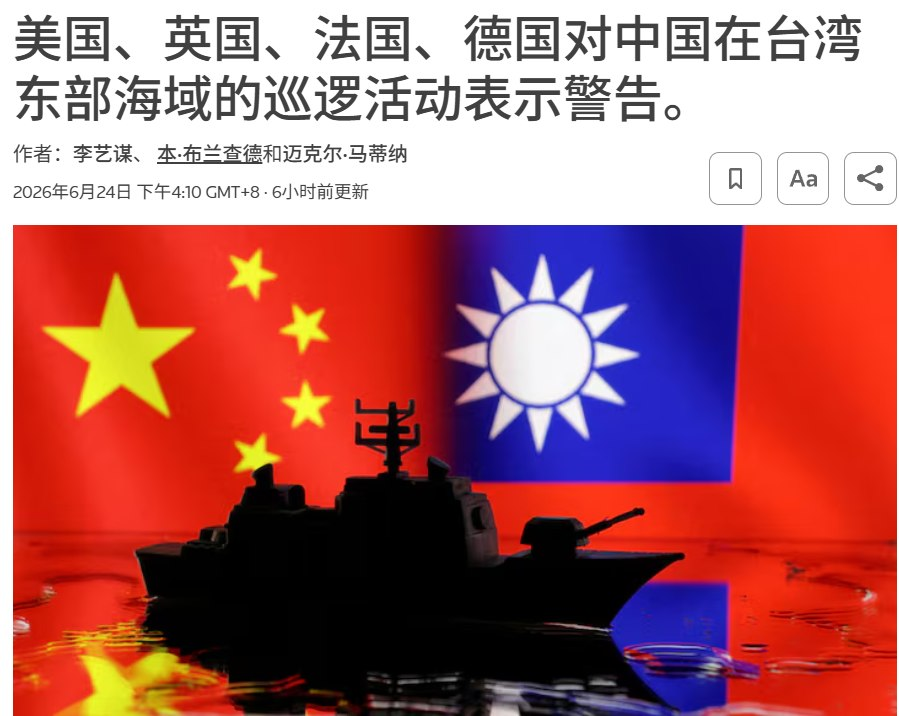
中国海警开始在台湾东侧对外国商船发号施令,美欧公开谴责
近日,据《华尔街日报》报道,中国海警船在台湾本岛东侧、面向太平洋的部分海域,通过无线电向过往外国商船发出指令,要求报告船籍、出发港、目的港、航线及船员人数等信息,并宣称对相关海域拥有管辖权。
报道援引台湾方面说法称,中方至少曾向悬挂新加坡、贝宁和利比里亚旗帜的商船发出类似无线电警告。对此,台湾海巡部门通过广播回应称,相关海域并非中国执法管辖范围,并要求过往船只继续正常航行。台湾方面表示,目前尚未发现中国海警对外国商船实施登船检查的情况。
事件引发国际关注。美国在台协会(AIT)发表声明,批评相关行动“严重破坏稳定”,并敦促北京停止对台湾施加军事、外交和经济压力。
与此同时,英国、法国和德国驻台机构也发表联合声明,认为有关行动可能对区域稳定、航行自由以及国际航运安全造成影响,呼吁维护台海及周边海域的和平与稳定。

中文

@hallyang7202 图1 “复高丽之旧居,有扶余之遗俗”,是陈述事实啊,意思是占据了高句丽旧疆域、遗留有扶余风俗,请问这个谁否认了?但是能证明渤海继承高句丽法统吗?
图2是这是日本的单方面他称,不是渤海的自称和认同。如何就能能证明渤海国是继承高句丽了?
中文
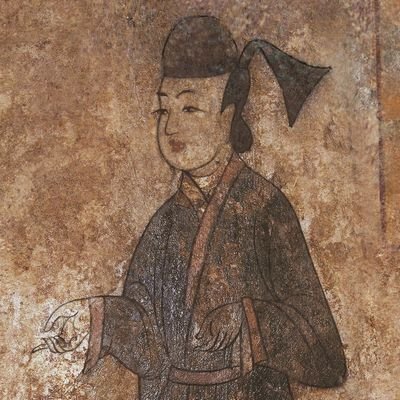
발해 2대 무왕이 일본에 보낸 국서에는 '자신은 이웃 여러나라를 아울러서 고구려의 옛 터전을 수복하고 부여의 풍속을 소유하게 되었다' 라고 써있다.
이외에도 발해문왕이 일본에 보낸 외교문서에 지속적으로 자국을 고려로 자신을 고려국왕으로 칭하고 있다.
발해인 스스로가 고구려의 계승을 표방하는데 그들의 의견을 이악물고 무시하고 말갈족의 정권으로 둔갑해서 역사를 도둑질하려는 너 스스로의 모습을 직시해라.


玉京@luhanze
原帖回复不了你,到这里来。 对你这种贪婪成性的历史修正者,就是要狠狠踩才对。 这句话出自新罗文人崔致远代新罗王上奏唐朝的《谢不许北国居上表》背景是渤海与新罗争夺唐朝朝贡位次,新罗为了向唐朝抹黑、打压渤海,才刻意将其贬称为“高句丽残孽”。 x.com/hallyang7202/s…
한국어
要不是整整一代华人科技精英在文革中被害死,现在大陆不知道出多少个台积电了。中共还大言不惭地宣传“没有共产党就没有现在发展”。拜托,没有中共,中国早就发展起来了,而且发展得比现在好得多。
RobinSeun_维京黑船@RobinSeun
金十数据发布: 中国科技互联网公司市值排行😂😂😂
中文
@RobinSeun 要不是整整一代华人科技精英在文革中被害死,现在大陆不知道出多少个台积电了。中共还大言不惭地宣传“没有共产党就没有现在发展”。拜托,没有中共,中国早就发展起来了,而且发展得比现在好的多。
中文



中文

@suesantiagox @T3Rnt 言語と文字を混同している様ですね。
文字は中国から入りましたが、現代中国語の単語の7割は日本から輸入されています。
あと、日本には今から1000年以上前に女性によって書かれた世界最古の物語があるのを知っていますか?
日本語

@Yussoonn_ 喂,你说的太政治化了,我们这代中国人喜欢日本足球和当年的日本动漫在中国热播有直接关系,那部动漫名字是“足球小将”,主角名字是“大空翼”,我并不知道他在日本叫什么,也知道日本队进不了决赛圈,但我想日本队可以赢,就是满足童年的愿望而已
中文

I can understand that China is not a football country and that they are bad at football.
What level of cuckoldry is that, though ? They are on the verge of brandishing Wang Jingwei's portrait and to say that Japanese colonization had positive aspects, such as within the DPP.
Support Korea team ! Unless you hate Korea.
AFP News Agency@AFP
🇨🇳 🇯🇵 Fans in China cheer on Japan at World Cup despite political tension China isn't the most obvious place for Japan football fandom to thrive, but groups of Chinese fans are cheering on Japan at the World Cup, inspired by their love of Japanese anime.
English
@morris_que14 吴国开国者是周天子的哥哥,《史记》世家篇第一篇就写吴国。当时吴国的土著被视为蛮夷,剃发纹身,但因为开国者是周天子哥哥的原因,吴国被视为中原诸侯国的一员。和服的形制完全受汉化影响。另外,你们王室不是吴国开国者的后代。
中文

The connection between Wu state in China and Japan goes further than just the kimono which translates from Chinese as 'wufu' as in Wu clothing. The Imperial House of Japan claims descendent to the founders of Wu.
Interestingly enough, Wu during the Warring States was not considered a fully Chinese kingdom by the other states on the Central Plains because they actually spoke a language that is closer to proto-Austronesian. They were Sinified overtime. Wu was likely related to the Yue further to its south but more Sinified than its southern neighbour.
Naoki Yamamoto@NaokiQYamamoto
Furthermore, kimono have traditionally also been called gofuku (呉服), literally meaning "clothing from Go (Wu)," a name that originally referred to silk textiles associated with the ancient Chinese kingdom. In other words the kimono is not a symbol of some "pure" or isolated Japanese culture. Rather it symbolizes the richness and complexity of Japanese culture itself, which has continually evolved by absorbing and transforming influences from abroad.
English

那,你別毀壞中國的文化!
你的【着物】來自漢服。
你的【ラーメン】來自拉麵。
沒有【漢字】日本就是文盲。
這叫【適應】好嗎?
你們以前拿中國漢服,中國拉麵,中國文字,不也照抄照改?
現在看到穆斯林想穿你們的衣服就氣得要死,白人穿的時候卻閉嘴?
一群可悲,種族主義,法西斯的傢伙
NyanChuu🔮🇯🇵🍭@tanpukunokami
Hey, seriously, what the hell is this? A hijab with a kimono? Apparently, some kimono rental shops in Kyoto now let people rent hijabs together with kimono. Don’t destroy Japanese culture.
日本語