
고정된 트윗
Kanu Behl
1.5K posts
Kanu Behl 리트윗함

Exclusive 🚨:Vetrimaraan, tamil director about Dhurandhar 2
Translation: Today, everything turns into propaganda it has the power to influence memory. We all know who was most affected by demonetization and many lost their lives standing in queues But that impact changed through hate propaganda in dhurandhar 2.
GOOD TO SEEE EVERYONE COOKING DHAR AND HIS BJP PROPAGANDA 🔥😭
English



Kanu Behl 리트윗함

When powerful storytelling meets powerful performances ✨
Congratulations @BajpayeeManoj and #ArrchitaPrakash on this incredible win at the #IndianTellyStreamingAwards2026

English
Kanu Behl 리트윗함

Decoding the director's cut. Kanu Behl, the visionary behind Titli, Agra, and Despatch, shares his masterclass on how to truly win viewers.
📅 27–28 Feb | Live on ABPLive.com &
marathi.abplive.com
#IdeasOfIndia #ABPNetwork #FutureStartsHere #ABPIdeasOfIndia #KanuBehl @KanuBehl

English
Kanu Behl 리트윗함

Decoding the director's cut. Kanu Behl, the visionary behind Titli, Agra, and Despatch, shares his masterclass on how to truly win viewers.
📅 27–28 Feb | Live on ABPLive.com
#IdeasOfIndia #ABPNetwork #FutureStartsHere #ABPIdeasOfIndia #KanuBehl

English
An absolute honour to meet you Mr. President @EmmanuelMacron! Heartening to see your unwavering support for cinema and culture at large. Here’s to more collaboration between India and France!

English
Kanu Behl 리트윗함
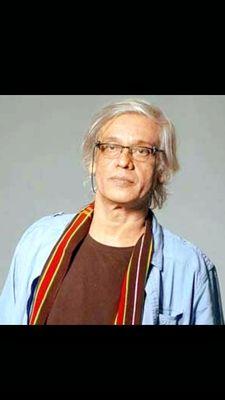
Why does the alternative rise? It rises because the old order—trembling at the edge of its own exhaustion—has closed its gates and posted its sentries. It has decided, in the secret councils of its fear, that the future shall be admitted only on its terms, and that no new face, no new voice, no new wound shall be allowed to enter and disturb the sleep of the powerful.
In this the cinematic storytelling that was once a temple where the human soul might confess itself without shame, only one kind of story is now granted the splendor of mass revelation. The complicated story, the dangerous story—the one that dares to trace the long, bloody, and sometimes tender encounter between East and West, between the colonizer’s dream and the colonized’s nightmare, between what we were told we were and what we actually became—that story is refused admittance. It is too honest. It asks too much. It might make the audience remember that they are human, and therefore accountable.
What is permitted instead is the jingoistic roar, the anthem of the tribe, sometimes raised to the level of high art by craftsmen who know exactly what they are doing and still choose to do it. It flatters. It reassures. It turns the wound into a medal. And the people applaud, because the alternative is to look at the wound itself.
But the outcasts—the ones who were never meant to sit at the table—have been listening. They have felt the door slam in their faces. They have heard the polite explanations that amount to a death sentence: You are not commercial. You are too difficult. You are not one of us.
And so they have done what the rejected have always done since the first slave picked up a broken tool and made it play their song . Technology does not ask for a pedigree. It does not care about accents or bloodlines or the right schools. The system that spat them out has now handed them the sword. And they will use it to cut through the lies, to tell the stories that were never meant to be told on any screen the old masters control.
Because the truth or alternative truths once they find a way out, do not ask permission. They will simply arrive.
English

@SaneemaFrenzy @CinemaRareIN @anupamachopra @shubhragupta @Variety @IndieWire @ebertvoices @mashable If there are no OTTs these films have no home. Hope @KanuBehl is taking note who keeps cribbing about OTTs.
English
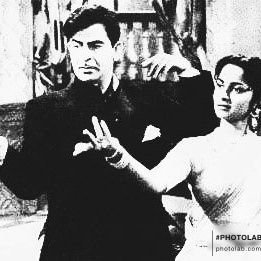
"one of the finest films of the year!" @anupamachopra
"one of the best films of the year."
@shubhragupta
“exhilarating...” @Variety
“transportive reverie...” @IndieWire
“delightfully sweet...” @ebertvoices
“groundbreaking...” @mashable
#SABARBONDA ❤️
CinemaRare@CinemaRareIN
omg finally! Sundance Grand Jury Prize winner, Marathi film #SabarBonda (2025) directed by @ROHAN_kanawade, premieres tonight at 12 on @NetflixIndia.
English
Kanu Behl 리트윗함

The most dangerous films are not those that tell people to hate, but those that allow them to feel violent without believing they are. Hindi cinema is preparing audiences emotionally for it—by turning structural anxiety into civilizational rage. My piece
m.thewire.in/article/cultur…
English
Kanu Behl 리트윗함

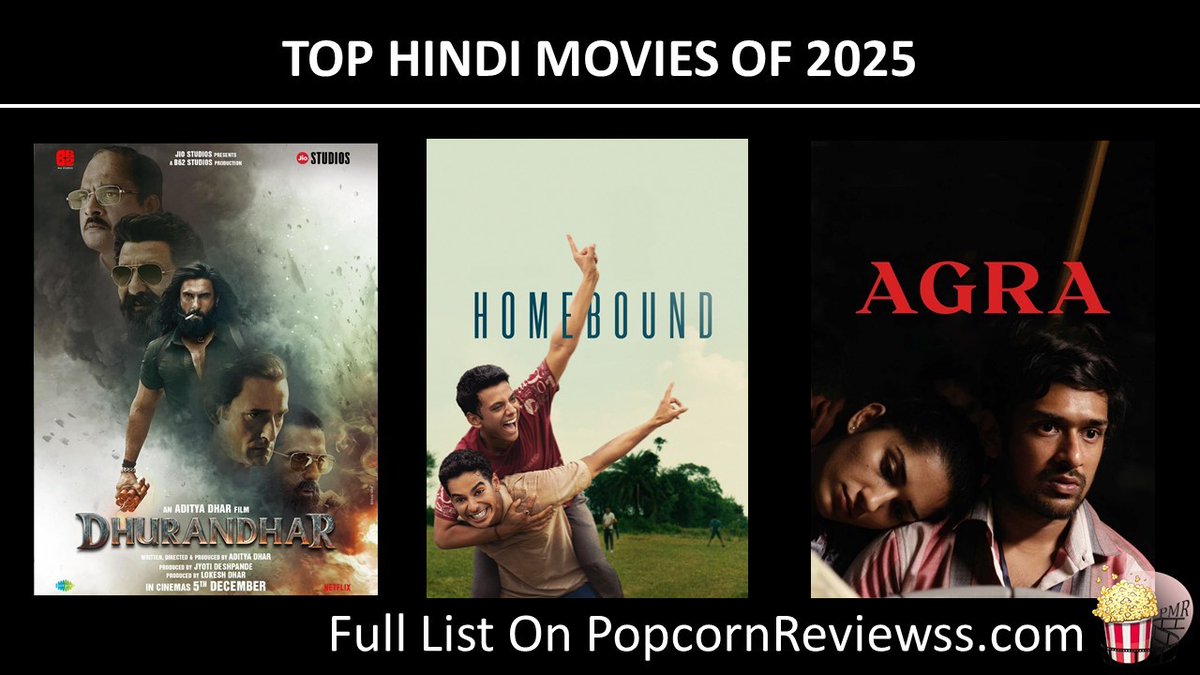
Top Hindi Movies Of 2025
- A Blog by Farhad Dalal
PS : DO NOT JUST GO BY THE THUMBNAIL
Check Out The Full List Here Right Now :
popcornreviewss.com/top-hindi-movi…
@KanuBehl @AdityaDharFilms @RanveerOfficial
English
Kanu Behl 리트윗함

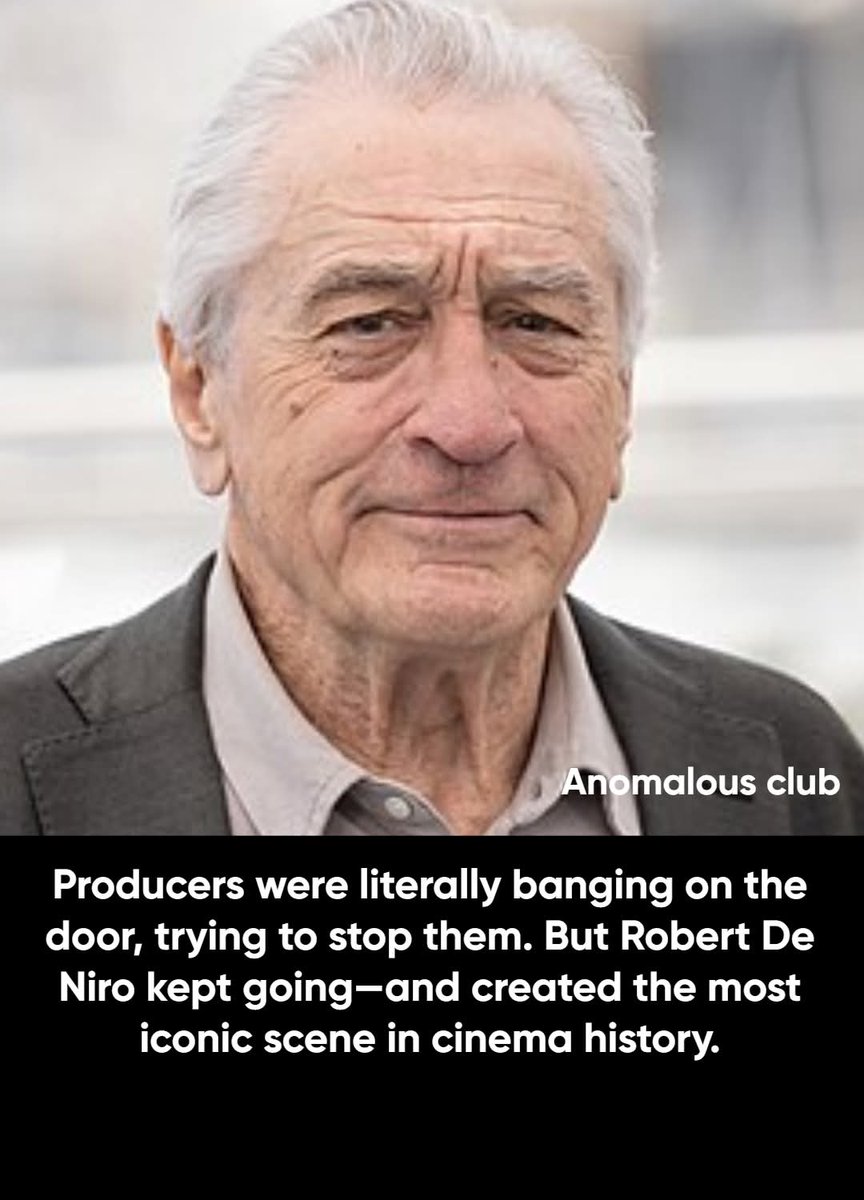
In the summer of 1975, Robert De Niro was living two lives.
By day, he was in Italy filming "1900" for Bernardo Bertolucci. But every weekend, he would board a plane to New York City, pick up a yellow cab, and disappear into the streets of Manhattan.
He had just won an Oscar for The Godfather Part II. He was one of the most sought-after actors in Hollywood.
And he was driving strangers around New York for twelve hours at a time.
One night, a passenger recognized him. The young man, also an actor, stared in disbelief and said: "Wait a minute. You just won an Oscar. My God... is it THAT hard to get work?"
De Niro didn't break character. He just kept driving.
This was his preparation for Taxi Driver—Martin Scorsese's raw, unflinching portrait of Travis Bickle, a mentally unstable Vietnam veteran haunting the neon-soaked streets of a decaying New York City.
De Niro didn't want to play Travis Bickle. He wanted to become him.
He obtained a legitimate taxi driver's license. He worked fifteen-hour night shifts for a month. He lost 35 pounds. He visited an Army base in Italy and recorded conversations with Midwestern soldiers to perfect Travis's flat, detached accent. He listened obsessively to the diaries of Arthur Bremer, the man who tried to assassinate George Wallace.
And he studied mental illness—not from textbooks, but by observing, listening, absorbing.
When filming finally began on the sweltering streets of New York during a sanitation strike, the city itself felt like it was rotting. Scorsese shot in condemned buildings. The crew had to hire local gangs just to protect them from other gangs. It was chaos.
And then came the scene that almost never happened.
In the script, there was a simple direction: Travis practices with his gun in the mirror. That's it. No dialogue was written.
De Niro stood in front of that mirror in a cramped apartment on Columbus Avenue. Scorsese crouched at his feet—there were no video monitors in those days. And De Niro started talking.
"You talkin' to me?"
He said it again. And again. Each time different. Each time more unhinged.
Outside the door, producers were furious. The shoot was behind schedule. They started banging, demanding Scorsese cut the scene and move on.
Scorsese opened the door just long enough to say: "This is good. This is good. Two more minutes. One more take."
Then he closed the door and let De Niro keep going.
What emerged was one of the most quoted lines in film history—completely improvised, born in a moment of pressure that could have ended everything.
When Taxi Driver premiered in 1976, audiences were stunned. Critics called De Niro's performance haunting. The film won the Palme d'Or at Cannes. De Niro received an Oscar nomination for Best Actor.
But behind the accolades was a transformation so complete that even his co-stars noticed. Jodie Foster, just twelve years old at the time, later recalled that De Niro stayed so deep in character during their rehearsal lunches that he was "really uninteresting" to talk to.
He wasn't being rude. He simply wasn't Robert De Niro anymore.
He was Travis Bickle.
Years later, the New York City Taxi and Limousine Commission released De Niro's actual hack license as a tribute—proof that one of Hollywood's greatest performances began not on a soundstage, but behind the wheel of a real yellow cab, driving through the same broken streets his character would haunt forever.
Some actors memorize lines.
Robert De Niro drove twelve-hour shifts to find his.
#TaxiDriver #MethodActing
~Anomalous club
Taken from another social media platform!!
English
Behl does not sensationalise his deep-seated sexual repression, but there is nothing clean in it. Is India ready for that conversation yet? hindustantimes.com/entertainment/…
English
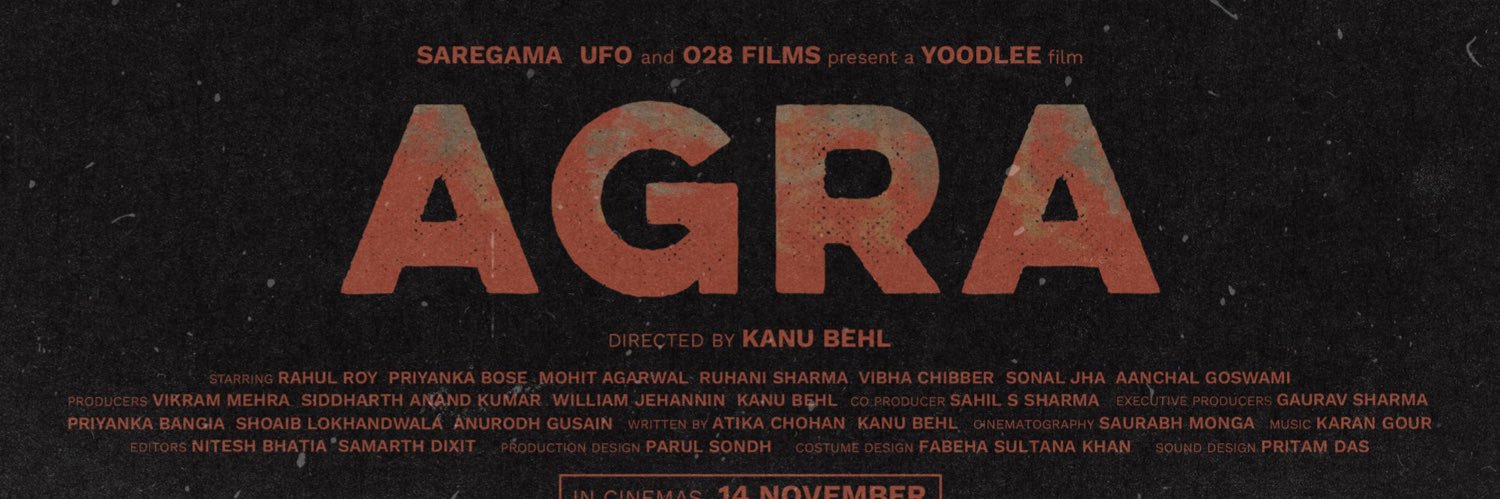
Agra sparked discussions on desire, space, and societal rot in a way few films dare. Kanu Behl examines male sexual misery amidst fractured relationships and urban frustration. It probes patriarchy, repressed desires, and lack of personal space.
thehindu.com/entertainment/…
English
Kanu Behl’s Agra “distils the dysfunctional family chronicle, the psychosexual drama and the housing dream movie into a provocative tale of urban horror”. scroll.in/reel/1089576/t…
English
Kanu Behl 리트윗함
#Titli (2015) by @KanuBehl, now streaming on @NetflixIndia.
@ShashankSArora #ShivaniRaghuvanshi @RanvirShorey @AmitSial #LalitBehl @DibakarBanerjee @yrf

English
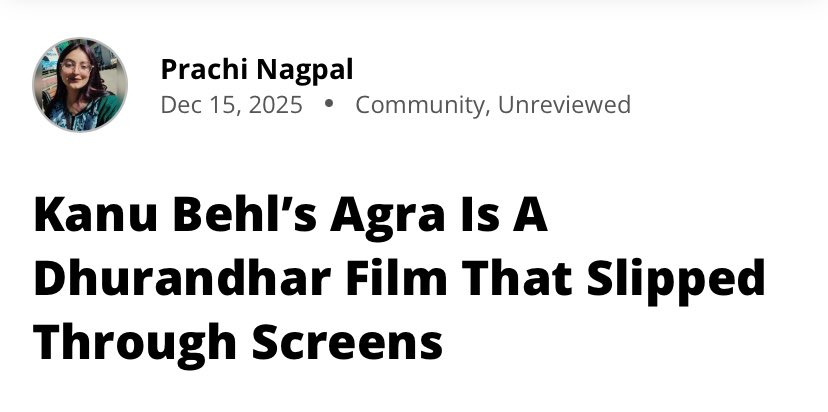
Kanu Behl 리트윗함
Kanu Behl 리트윗함

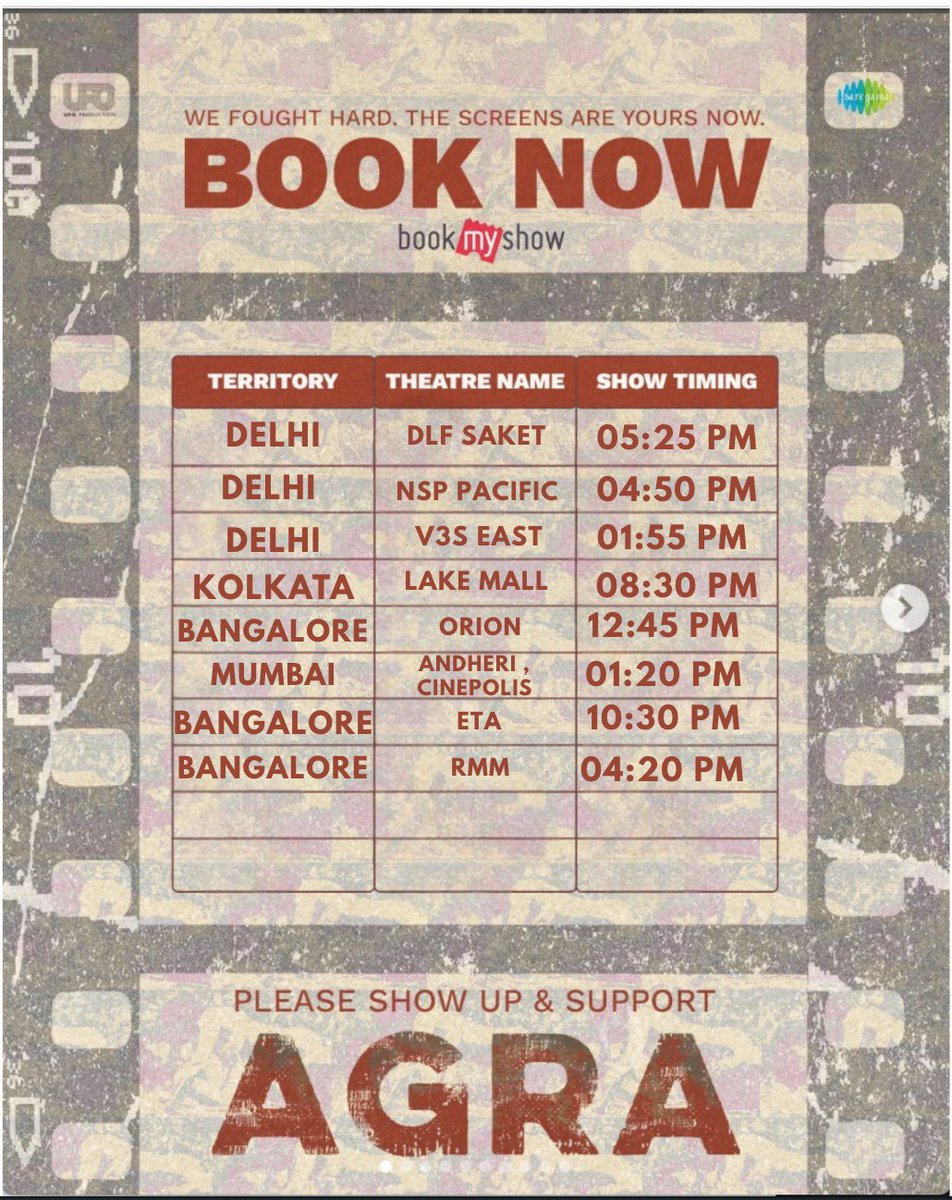
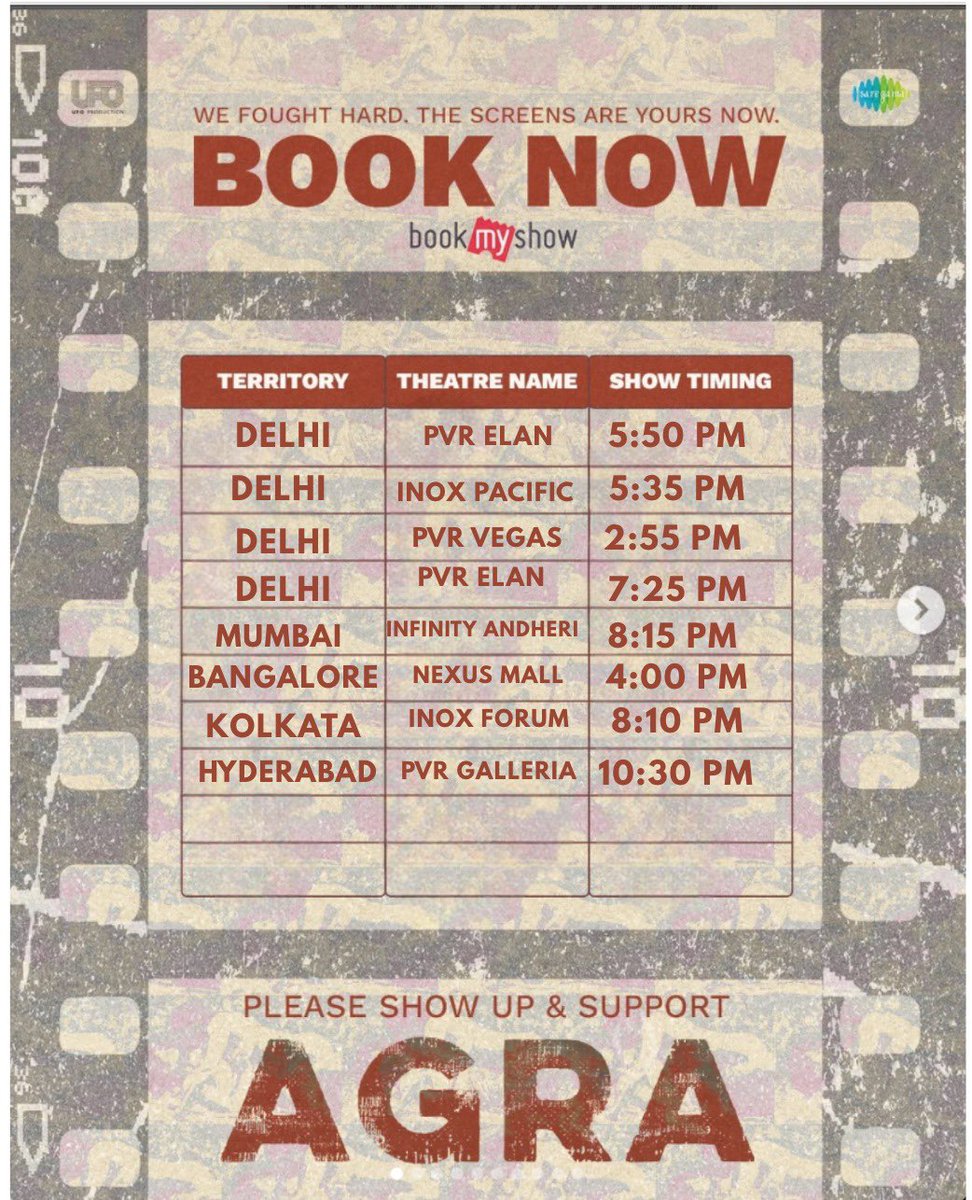
#TMMExclusive: In a candid conversation with @TheMovieMail, the acclaimed filmmaker @KanuBehl reflects on #Agra’s long road to Indian cinemas, the exhibition challenges for independent films & more 🎬🎥
Read the full interview by @suprajapat
themoviemail.com/interviews/exc…
English