Steve

25.7K posts

Steve

Steve

@Moderatemuch

가입일 Mart 2012
2.1K 팔로잉815 팔로워
Darth Powell
Darth Powell@VladTheInflator·
Just a reminder, your house that was worth $462,107.54 at 2.70% mortgage rates Is worth $295,760.60 at 6.5% mortgage rates
Darth Powell tweet media
English
73
55
643
36.1K
SPODE✝️
SPODE✝️@SirSpoder77·
@kangminlee You don’t need to look to the East or papism. Number 1, Eastern theology hates protestantism. Number 2, our Reformed fathers had heavy criticisms of the papists for a reason. Look into Lutheranism, Presbyterianism, and Anglicanism.
English
2
0
0
98
Kangmin Lee | 이강민
I am now seriously inquiring Catholicism, Orthodoxy, or High-Church Protestantism after this whole fiasco. Modern evangelicalism is compromised & detached from apostolic faith, swapped for subjective feel-good fluff instead of Scripture-rooted truth & historic Church tradition.
English
837
162
3.6K
85.7K
Steve
Steve@Moderatemuch·
Calling the seriousness of avoiding sin, self righteous, is pretty silly isn’t it. You condemn St Paul, Our Lord, the Whole Christian religion really… If I were to say as Paul did, “Do not be deceived: neither the sexually immoral, nor idolaters, nor adulterers… will inherit the kingdom of God.” Who was Paul talking to? Pagans? No followers of Jesus.
English
0
0
0
2
Caitlin Francis
Caitlin Francis@MrsCMFrancis·
As an Evangelical, I absolutely think that I have many brothers and sister in the Catholic Church. I am asking this sincerely: do Catholics feel the same? (P.s. any bashing on either side in the comments is getting an instant block)
English
531
8
437
42.2K
Steve
Steve@Moderatemuch·
I’m sorry you didn’t understand what I am saying… Augustine of Hippo “We are Christ… because we are members of His body, which is the Church.” Summa Theologiae III, q.8, a.3: “The Church is called the mystical body of Christ.” Commentary on Ephesians: “All the faithful are one body in Christ.” Robert Bellarmine De Ecclesia Militante: “The Church is the assembly of men bound together by the profession of the same Christian faith and the communion of the same sacraments…” Catholics always knew and know now what the Ekklesia is. You not understanding what the Church is, doesn’t mean we don’t.
English
1
0
0
5
Jake Conchobhair
Jake Conchobhair@DaingenKeltoi·
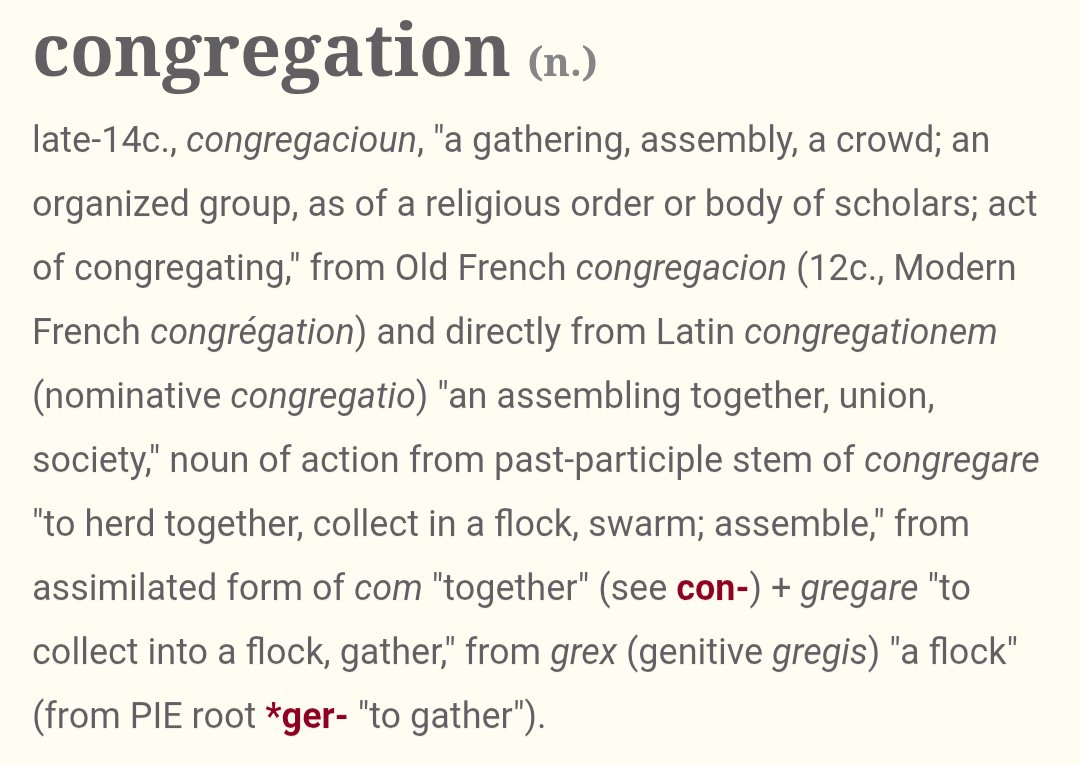
@Moderatemuch @naryamie9 @MrsCMFrancis @maklelan The Aramaic & Hebrew words used by NT writers also mean “those who are called”. The closest English translation is “congregation”, but using that word in its translations would completely undermine Rome's false claims about Shimon Kefa, & thus it's claimed "primacy".
Jake Conchobhair tweet media
English
1
0
0
12
Steve
Steve@Moderatemuch·
Cyril of Jerusalem (most direct early response) “Since He Himself has declared and said of the Bread, ‘This is My Body,’ who shall dare to doubt any longer?” Augustine “Christ is both in heaven and on the altar… not in a local manner.” Christ’s body is not present by spatial extension. The objection (“there would be many bodies”) assumes the wrong category. The Eucharist is not subject to ordinary quantity and location. So the “many bodies” objection collapses. John Chrysostom “We offer always the same Lamb… not one today and another tomorrow, but always the same one.” “Christ is present whole and entire.” Maybe actually bust open the church fathers every once in a while and you won’t embarrass yourself.
English
1
0
0
13
Rome2Reformed
Rome2Reformed@rickbrennanjr·
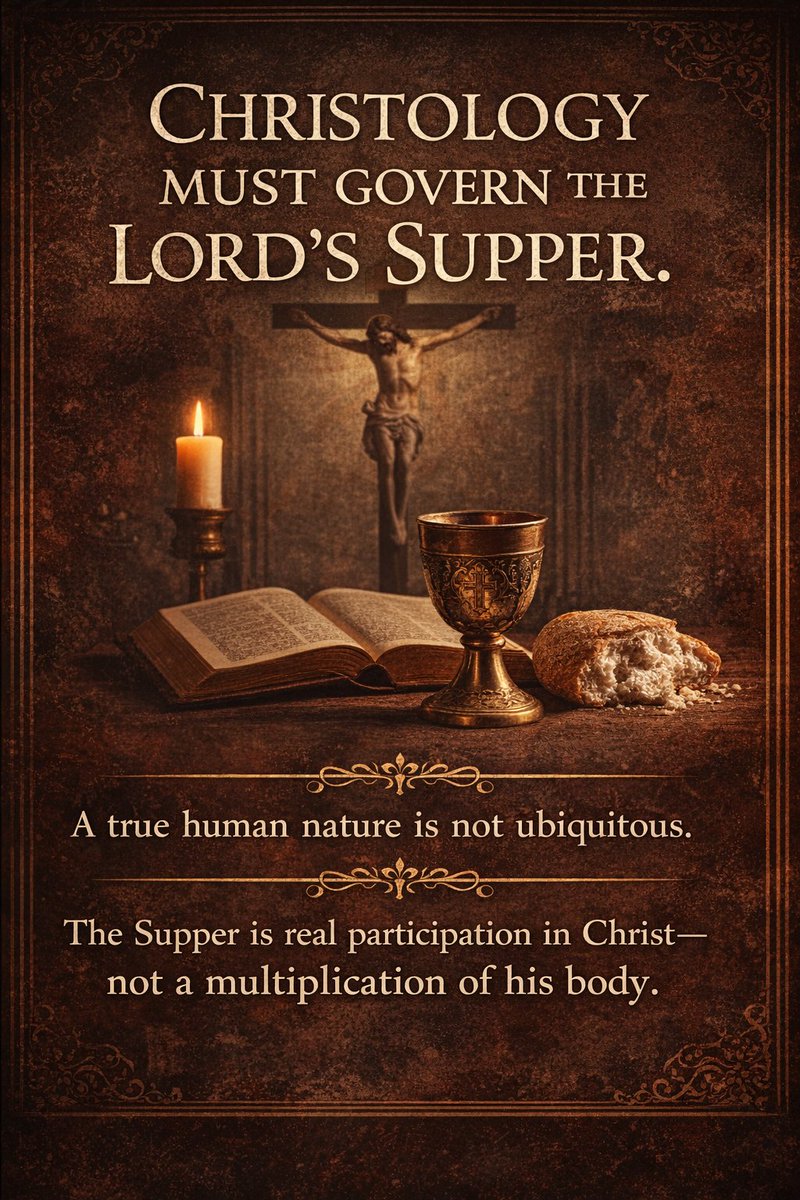
The passage by Justin Martyr reflects an early, high view of the Eucharist. But the question is not whether the Fathers spoke strongly, but how those early statements are to be understood in light of Christology. In 1561 Peter Martyr Vermigli Vermigli’s stated his concern that any account of the Lord’s Supper must be governed by the doctrine of Christ as defined at Council of Chalcedon. Christ is one person in two natures—fully God and fully man. His human nature is real, finite, and located. It does not become ubiquitous or extended into multiple places. To suggest that Christ’s physical body is present in many places at once risks confusing the natures and collapsing the distinction Chalcedon carefully preserves. This is where the key distinction must be made: 1. Christ is truly present in the Supper; but 2. he is present according to his divine nature and by the Spirit, not by a multiplication or extension of his human body. The language of the Fathers, including what you cite here, is often sacramental and analogical, not metaphysical in the later medieval sense. They affirm a real participation in Christ, but not in a way that requires his human body to be physically present in the elements. Vermigli would press the point this way: If the humanity of Christ is everywhere, then it is no longer truly human flesh and you are blending the divine and human natures of Christ which has long been viewed as theological heresy. Thus, the issue is not whether the Eucharist is “mere bread.” It is not. It is a true means of grace. But the mode of Christ’s presence must be understood in a way that preserves both: (1) The integrity of Christ’s human nature; and (2) the once-for-all nature of his sacrifice. The Supper does not re-present or extend the sacrifice of Christ. It proclaims and applies that finished work to believers. So the question is not whether the early church spoke strongly about the Eucharist. It did. The question is whether later interpretations developed in the medieval era imposed a metaphysical framework that the text that our understanding of Christology does not support.
Rome2Reformed tweet media
Joe McBride@McBrideLawNYC

The Catholic Mass and the corresponding belief in the Real Presence of Jesus Christ in the Eucharist is ancient. Below is an excerpt from Justin Martyr's Second Century account of the Mass:

English
8
1
22
879
KDog
KDog@Mustang1by81·
@Moderatemuch @VeiledinPrayer @MrsCMFrancis Someone bought a thesaurus. Impressive. ISAIAH 64:6 KJ21 But we are all as an unclean thing, and all our righteousnesses are as filthy rags; and we all do fade as a leaf, and our iniquities, like the wind, have taken us away.
English
1
0
0
10
Catholic_Anna
Catholic_Anna@Catholic_Anna·
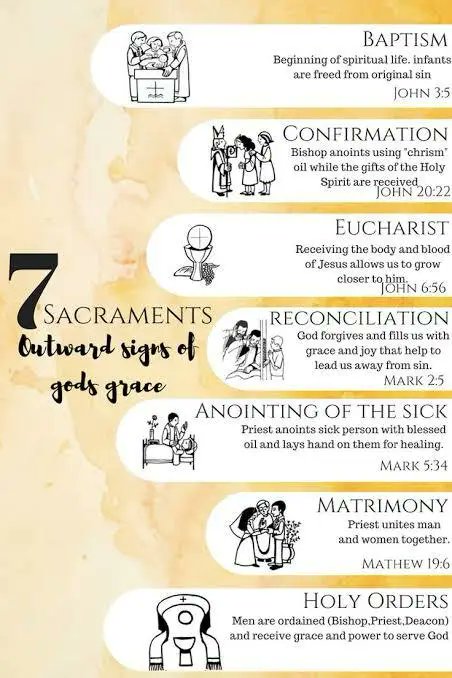
@NCalvinist1689 @MrsCMFrancis @Moderatemuch Jesus would not have instituted the Sacraments if He didn't want us to receive them. He called people to action using earthly substances in His ministry. Look at His miracles: he bade the servants fill the water jars. He told the leper bathe 7 times. Etc.
Catholic_Anna tweet media
English
1
0
1
12
Steve
Steve@Moderatemuch·
@rickbrennanjr @uav_guy_79 @MrCasey62 Who spoke with these terms first? “application of redemption” “monergistic vs synergistic” “definite atonement” “effectual application by the Spirit” Nobody before the 1500s
English
0
0
0
3
Rome2Reformed
Rome2Reformed@rickbrennanjr·
I would suggest it is equally irresponsible to speak about matters of salvation while remaining unfamiliar with the basic theological categories that govern the discussion. The issue here is not philosophical precision alone, but theological clarity. Scripture speaks plainly about the sufficiency of Christ’s atoning work. To introduce confusion at that point, whether by category mistakes or imprecise distinctions, is to obscure the very doctrine under consideration. The bottom line is that precision is required in both domains. But in matters of salvation, theological accuracy must lead.
English
1
0
0
14
Rome2Reformed
Rome2Reformed@rickbrennanjr·
It the attached post @MrCasey62 appears to misunderstand what Paul means when he writes in Colossians 1:24 that he is “completing what is lacking in Christ’s afflictions.” Paul is not suggesting that the atoning suffering of Christ is deficient. Such a reading would place Paul in direct contradiction with his own theology. Throughout his letters, Paul consistently affirms that Christ’s death is fully sufficient to accomplish redemption. The cross does not require supplementation. Christ has offered a once-for-all sacrifice that fully satisfies the justice of God and secures the justification of his people. The key to understanding Paul’s statement lies in recognizing the distinction between Christ’s atoning work and the ongoing experience of suffering within the life of the Church. The term Paul uses in Colossians refers to “afflictions,” not to sacrificial or expiatory suffering. He is not speaking of the cross as an unfinished act of redemption, but of the continuing reality of suffering that accompanies the advance of the gospel. Paul understands his own hardships within the framework of union with Christ and living a cruciform life. Believers are united to Christ as members of his body. As a result, the sufferings endured in the course of gospel ministry are rightly described as participation in the sufferings of Christ. This is not because they add to the merit of Christ's work, but because they are the means through which that finished work is carried into the world. What is “lacking,” then, is not the redemptive value of Christ’s suffering, but its appointed extension through the lives of his people. This distinction is essential. The atoning sufferings of Christ are unique, unrepeatable, and complete. They belong to him alone. By contrast, the sufferings of Paul and of the Church are non-atoning and participatory. They serve the mission of making Christ known, not the function of reconciling sinners to God. To collapse these categories is to misunderstand Paul entirely. He does not elevate human suffering to redemptive status. Rather, he locates it within the sovereign purpose of God, whereby the message of a completed redemption is carried forward through a suffering people. The cross stands finished. What remains is the faithful proclamation of that finished work, even when such proclamation requires suffering for the sake of Christ and his Church.
MrCasey@MrCasey62

Today’s installment of “Evangelicals don’t know the Bible”: Evangelical: “There is nothing lacking in the suffering of Christ.” St. Paul: “I rejoice in my sufferings for your sake, & I am completing in my flesh WHAT IS LACKING IN THE SUFFERINGS OF CHRIST…” ~ Col 1:24


English
11
7
36
1.5K
Jake Conchobhair
Jake Conchobhair@DaingenKeltoi·
@Moderatemuch @naryamie9 @MrsCMFrancis One wonders what @Maklelan thinks of this theory, especially since neither Yeshua (nor anyone else in the New Testament) ever used any word that, when properly translated from Aramaic, Hebrew, or Greek, means "church".
English
1
0
0
14
Jake Conchobhair
Jake Conchobhair@DaingenKeltoi·
@Moderatemuch @MrsCMFrancis The condescension, hubris, & ignorance about the New Testament, about 1st & 2nd century Messiah followership, & about how the Church of Rome came to be, that are demonstrated by the above statement are truly stupefying. You could've saved everyone time by simply typing, "No".
English
1
0
0
7
NiceCalvinist
NiceCalvinist@NCalvinist1689·
@GospelAndGlory @Moderatemuch @gailfinke @MrsCMFrancis Soc Media exchanges are unhelpful. I don’t want to be pugilistic or to ’win’. I just want you to know the grace of forgiveness, freedom, &assurance I’ve found in Jesus Christ. Matt11:28 Come to me, all who labor and are heavy laden, and I will give you rest.
English
2
0
0
33
Steve
Steve@Moderatemuch·
@rickbrennanjr @uav_guy_79 @MrCasey62 Fully isn’t a category. Final causation Material causation Efficient causation Formal causation It seems irresponsible to speak on mates of sufficiency when you’re unfamiliar with basic philosophical categories.
English
1
0
0
13
Rome2Reformed
Rome2Reformed@rickbrennanjr·
This statement depends entirely on what you mean by “application.” If by application you mean the Spirit’s work in uniting sinners to Christ by bringing about faith, repentance, and new life, then yes. The benefits of Christ’s finished work must be applied to the believer. No Protestant would dispute that. But that application is God’s work, not ours. The danger is in suggesting that something in us (whether suffering, merit, or cooperation) completes what Christ accomplished. The theology presented by the Apostle Paul will not allow that. The application of redemption flows from the same completed work of Christ, accomplished once for all and effectually applied by the Spirit. So I would refine the statement this way: Christ’s suffering and death are not merely materially sufficient; they are fully sufficient and decisive. Their application is necessary, but that application is the work of God in Christ by the Spirit, not something supplemented by our suffering or merit. Once that distinction is maintained, both the sufficiency of the cross and the necessity of its application remain intact: without confusion.
English
1
0
0
22
Steve
Steve@Moderatemuch·
@uav_guy_79 @rickbrennanjr @MrCasey62 Christ’s suffering and death are materially sufficient for salvation, but not finally sufficient apart from their application.
English
1
0
0
23
D. Theophilus
D. Theophilus@uav_guy_79·
John piper points put that "fill up what is lacking" is an unusual Greek phrase, but elsewhere refers to a personal presentation of a gift. So Paul's sufferings yield the personal presentation of Christ's fully sufficient sacrifice/gift through his Gospel ministry to the world. And it IS blasphemous to get this wrong. Christ's atoning work is sufficient and finished. desiringgod.org/messages/filli…
English
1
0
4
87
CooperBaggs 💰🍞
CooperBaggs 💰🍞@edgaralandough·
Rich people be like: • Retirement accounts: $550,300 • Home equity: $510,000 • Brokerage account: $175,000 • High-yield savings: $15,000 • Checking account: $427 “Yeah… money’s a little tight right now.”
English
143
99
3.5K
782.2K
Steve
Steve@Moderatemuch·
@Truth_matters20 Do you see that by works a man is justified, and not by faith only?  James 2:24 CALVINISTS! 😂😂😂
English
0
0
0
21
Danny
Danny@Truth_matters20·
Me: *Simply quotes Scripture they don't like Them:
Danny tweet media
English
76
27
335
10K
NiceCalvinist
NiceCalvinist@NCalvinist1689·
@Moderatemuch @GospelAndGlory @gailfinke @MrsCMFrancis The only truth&promises I care about are revealed in the Word of God! RC puts magistrate &tradition on par w/scripture resulting in the idolatrous& heretical belief& practices I posted in that string of pictures. The canon of scripture is closed.
English
3
0
0
27
NiceCalvinist
NiceCalvinist@NCalvinist1689·
@GospelAndGlory @Moderatemuch @gailfinke @MrsCMFrancis Those men and their writings are not inspired, not part of the closed canon of scripture. The Bible tells if a substitutionary atonement and a need for an alien righteousness, the very righteousness of God in Christ. At issue is how sinners are justified.
English
1
0
0
25