Aɴᴛ@AntSpeaks
I watched the bodycam footage of the arrest of Henry Nowak.
I took some time to gather my thoughts, as a knee-jerk reaction posted immediately afterwards would have been filled with profanities and words that might have ended up getting my account suspended.
Now that I've had time to process what I watched, here are my thoughts.
Vickrum Digwa:
Britain needs to bring back the death penalty. Seeing Digwa openly lie to the police and play the victim, knowing full well that he had just stabbed Henry several times, is pure evil, and it's unforgivable.
Life in prison simply isn't enough. A life where he will still be visited by family and friends, where he will still probably have access to a PlayStation and a mobile phone, is not enough of a punishment.
If Digwa had lived his life knowing that using a knife to murder someone would potentially result in his own life coming to a literal end, then maybe, just maybe, he would have thought twice before pulling that knife on Henry.
The Police:
Seeing how the police treated Henry hit me harder than I expected. It felt personal because it reminded me of an experience from my own life. Not with the police, but with a different emergency service.
I won't go into the details, but the feeling of disappointment and despair that comes from believing you're dealing with people who are there to help, people who are supposed to listen, and people who should at least give you the benefit of the doubt that you're telling the truth, only to discover that they are completely and utterly incompetent, is truly soul-destroying.
In Henry's case, what makes it immensely worse is that, in the end, he lost his life. Right up until the very end, he wasn't believed. In fact, he was essentially being called a liar.
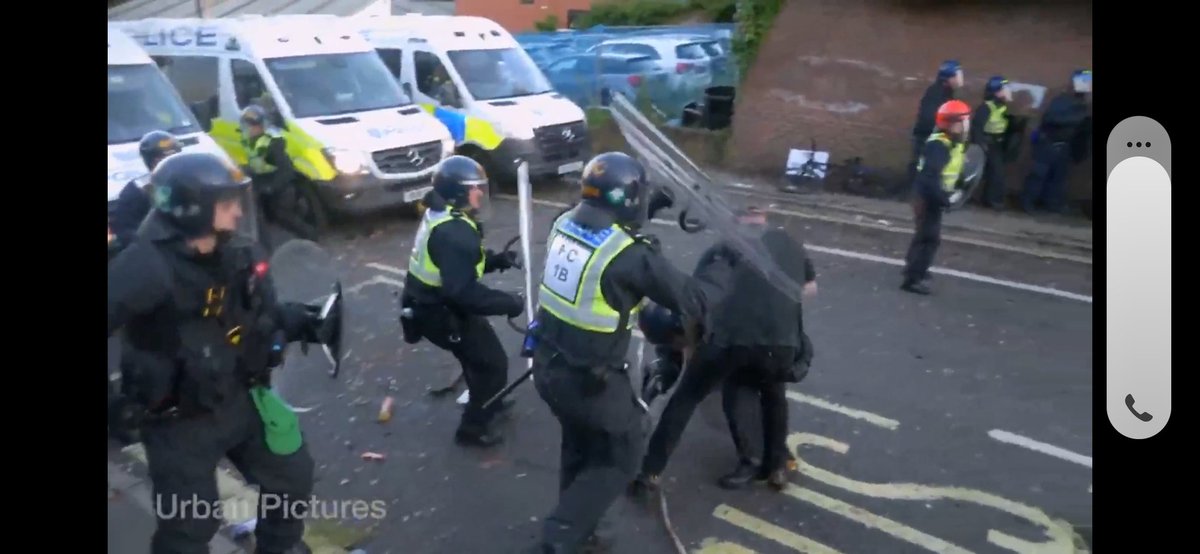
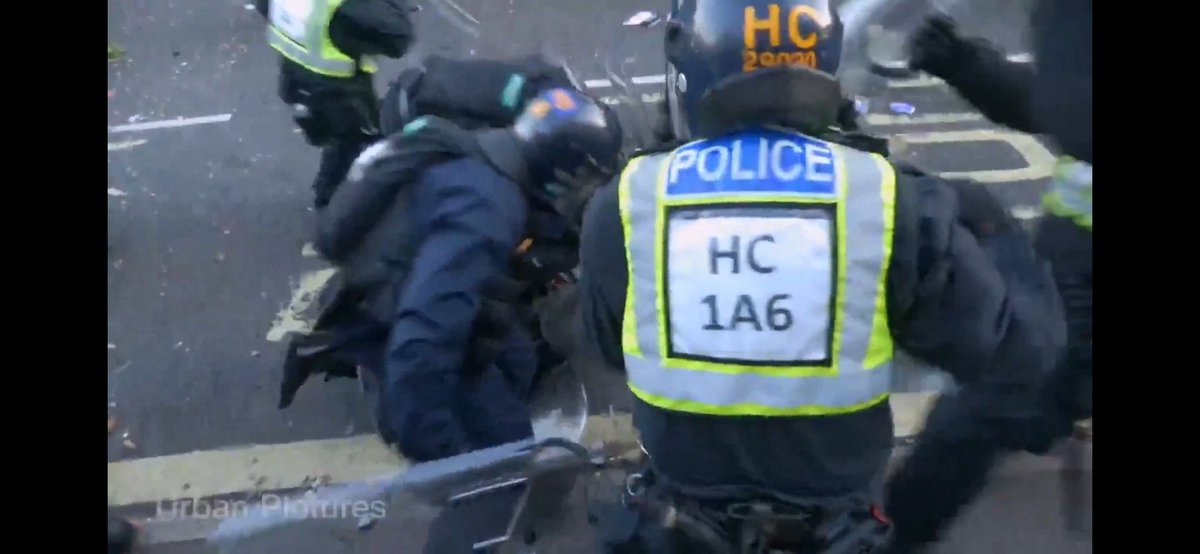
He was dragged by his arms and legs while repeatedly telling the officers that he had been stabbed and that he couldn't breathe.
And here's another thing that really got to me when watching this footage, and something I don't see being mentioned enough. You can clearly hear that Henry was struggling to breathe. You can hear it. So what kind of intellectually inept imbecile of a police officer do you have to be not to recognise that?
What's more, what does this say about how the police force operates when it comes to recruitment? When it comes to training? It's laughable.
It's this sick, twisted obsession with political correctness that has led to anyone and everyone being told they're right for the job when they're simply not. And I'm not even talking about forced diversity here. I'm talking about everything.
You could be a morbidly obese male, barely five feet tall, and as long as you pass the "training" (which is absolute bullshit, by the way), you're deemed good enough to police the streets of the UK.
And I'm only touching on the physical aspect here. If that's considered acceptable, then it's safe to assume they're also handing out jobs to complete and utter cretins who still struggle to tie their own shoelaces.
There is absolutely no reason why these police officers shouldn't be held accountable for what happened to Henry. "Sorry" isn't good enough. The promise of "better training" isn't good enough. We're beyond that point.
Those officers, like Digwa, in my honest opinion, should be in prison.
Britain:
What happened to Henry should be a turning point of sorts. However, and it truly pains me to say this, I don't think it will be.
And it's the British public themselves who are partly to blame. I'm sorry, but it's true. No, I'm not saying everyone. However, this is a country where there is a severe lack of collective outrage. And I mean outrage in the form of a genuine concern for standing up for what's right.
Not the moronic woke "pro-Pali" marches or BLM riots, which were never the result of true moral concern, but rather trends being spoon fed by the media.
Things need to change in Britain, but as of right now, I'm struggling to believe they ever will.