Dr Krzysztof Magier 🇵🇱

16.3K posts

Dr Krzysztof Magier 🇵🇱 banner
Dr Krzysztof Magier 🇵🇱

Dr Krzysztof Magier 🇵🇱

@DrMagier

Dr Krzysztof Magier MD PhD FRCPCH, były konsul honorowy Rzeczypospolitej Polskiej w Cowes / ex-honorary consul of the Republic of Poland in Cowes, private views

Cowes, England Katılım Mayıs 2022
181 Takip Edilen954 Takipçiler
Sabitlenmiş Tweet
Dr Krzysztof Magier 🇵🇱
To mój klub żeglarski, który lubię i z którego jestem dumny. 😉
Dr Krzysztof Magier 🇵🇱 tweet media
Polski
3
2
43
9.1K
Dr Krzysztof Magier 🇵🇱
Just a small correction: I am not intensive care unit lead. I am just general paediatrician, lead for paediatric critical care with a bit more than average knowledge about trauma management. I shall be very much interested in opinion of my expert colleagues who will be called to witness by HM Coroner, who ordered a full inquest into possible contribution of Police to Henry’s death.
English
1
7
18
513
David Atherton
David Atherton@daveatherton·
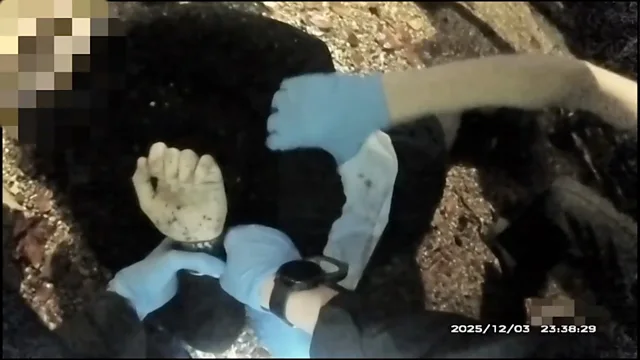
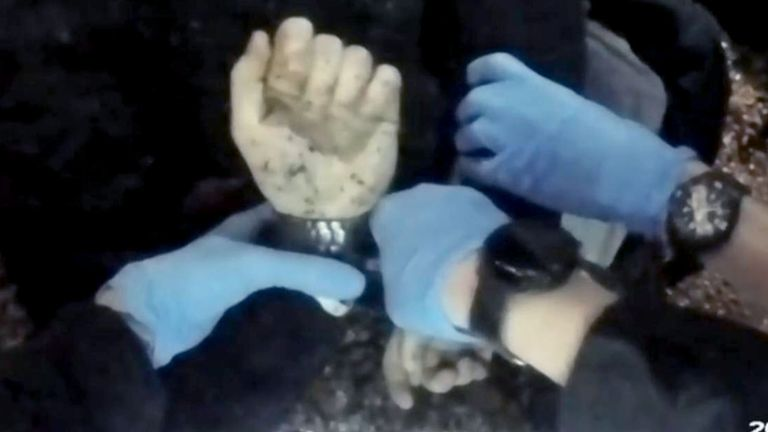
🚨Today's Must Read🚨 HENRY NOVAK COULD HAVE BEEN SAVED. According to Adam Gwiazda @delestoile, he quotes NHS doctor Dr Krzysztof @DrMagier 🇵🇱, who is a Paediatric Critical Care Lead, the answer is possible. He "analyzed footage from a police body camera showing Henry Nowak's death. Dr. Magier heads the pediatric intensive care unit, with experience in combat medicine training and a specialized course in treating severe injuries (including gunshot and stab wounds). "He disagrees with the pathologist's and judge's opinion that Henry Nowak had no chance of survival and that handcuffing him essentially changed nothing. On the contrary—there is a high likelihood that the police intervention contributed to his death. "He analyzed the autopsy report, which points to damage to the subclavian vein as the main source of bleeding, and explains where the problem lies. In a healthy person, venous bleeding occurs under low pressure and often self-limits thanks to the naturally forming clot, while simply approximating the wound edges and compressing the surrounding tissues closes the vein enough to slow or even stop the bleeding. "The body camera footage shows that when police arrived on the scene (likely 5-10 minutes after the injury), Henry was conscious enough to speak quite loudly. He was therefore not yet in a terminal state. After his arms were twisted behind his back and handcuffed, the vein was most likely stretched, the clot torn, and bleeding dramatically intensified. Within just about three minutes, he lost consciousness and died. "People with suspected internal injuries should never be moved or yanked abruptly—such actions can destroy the natural clot and lead to massive internal haemorrhage. Instead of immediately calling a medical rescue team and handing the patient over to paramedics, the police handcuffed him. If paramedics had arrived first on the scene, Henry’s chances of survival would have been much higher. "50%"—writes Dr. Magier. "Paramedics could have quickly started an IV, administered fluids to increase circulating blood volume, and tranexamic acid to stabilize the clot, and if needed, performed needle decompression (inserting a large, long needle into the lung), because the issue wasn’t so much lack of lung function, but compression of the blood-filled lung on the heart and mediastinum, which blocks circulation. "Worse still, the incident took place just a few minutes' drive by car (2–3 minutes by ambulance with sirens) from Southampton University Hospital—a regional Major Trauma Centre equipped with a full team of specialists, procedures, and equipment. ""I am convinced that if Henry had arrived there alive, the doctors would not have let him die""—writes Dr. Magier. "In summary: the aggressive police intervention, instead of saving a life, led to death through improper handling of a severely injured person, even though world-class care was just minutes away. ""I fear the Judge and pathologist were too lenient toward the police""—writes Dr. Magier." Did your officers kill him @HantsPolice?
David Atherton tweet media
English
16
126
343
4.6K
Dr Krzysztof Magier 🇵🇱 retweetledi
Tanmanjeet Singh Dhesi MP
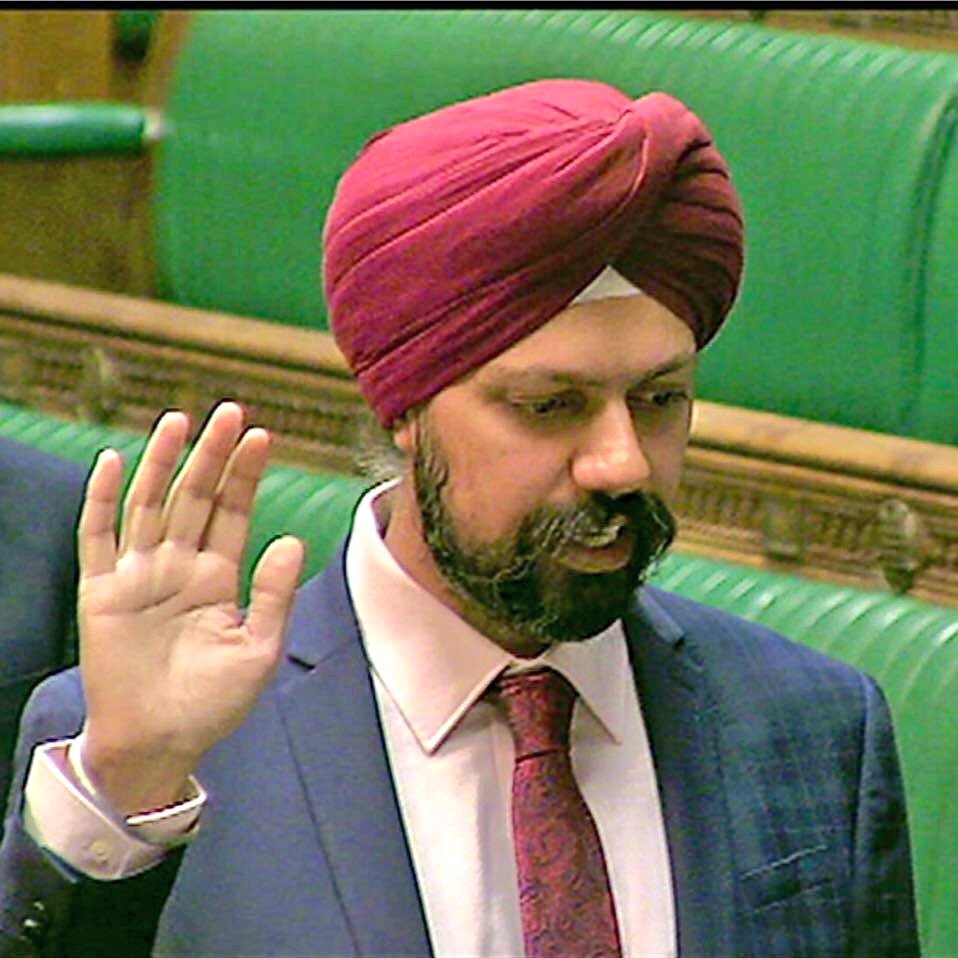
#Sikhs have peacefully practiced their faith carrying a #kirpan (small ceremonial dagger) in #Britain for over a century. Weapon used in #HenryNowak’s tragic murder was not a kirpan, but a lethal 8 inch armour-piercing blade. Sikhs deserve better than this knee-jerk reaction.
English
741
66
477
70.4K
Dr Krzysztof Magier 🇵🇱 retweetledi
Jacek Gniadek SVD 🇵🇱 🇨🇱
Nic gorszego dla walki z prawdziwym rasizmem nie można wymyślić niż uczynienie z oskarżenia o rasizm tarczy ochronnej dla przestępców. Gdy ludzie widzą, że policja najpierw sprawdza, „czy ofiara nie jest rasistą”, zamiast natychmiast ratować życie – tracą resztę wiary w instytucje. To najczystsze paliwo dla radykalizacji po obu stronach. Ten schemat powtarza się od lat. Zawsze ten sam mechanizm: bagatelizowanie etnicznego tła sprawców, agresywny nakaz „nie łączcie tego z rasą”, a później zdumienie i oburzenie, gdy prawda wychodzi na jaw. Ideologia „różnorodność jest naszą siłą, żadnych pytań” nie wzmocniła społeczeństwa. Osłabiła je, niszcząc spójność społeczną i zaufanie do państwa. Prawdziwa walka z rasizmem wymaga bezwzględnie równego traktowania faktów, a nie tworzenia hierarchii ofiar. Kolor skóry ani pochodzenie nie mogą dawać ani immunitetu, ani automatycznej wiarygodności. Niestety, w wielu zachodnich instytucjach od lat działa dokładnie odwrotny mechanizm. Sprawa Henry’ego Nowaka pokazała to w najtragiczniejszy sposób. To nie jest postęp – to cywilizacyjny regres...
Visegrád 24@visegrad24

In his final moments, Henry Nowak told police officers nine times “I can’t breathe” and four times that he had been stabbed. In response police officer dragged him across the gravel, handcuffed and read him his rights. It was the last thing Henry heard before he died.

Polski
1
8
23
500
Dr Krzysztof Magier 🇵🇱
Poczekajmy na werdykt koronera. Właśnie His Majesty Coroner zarządził pełne dochodzenie w sprawie możliwego przyczynienia się Policji do śmierci chłopaka. Sąd koronera to jest bardzo solidna instytucja, powoła ekspertów, rozbiorą sprawę na czynniki pierwsze i werdykt na pewno będzie godny zaufania. Koronerzy są niezwykle niezależni, podobnie, a nawet bardziej niż sędziowie.
Polski
2
0
4
82
Adam Gwiazda
Adam Gwiazda@delestoile·
🇬🇧 Niezależny urząd ds. standardów policyjnych (IOPC) uznał, że policjanci, którzy zakuli w kajdanki umierającego Henry’ego Nowaka, nie dopuścili się żadnego uchybienia. Są oni traktowani jako świadkowie, a nie są przedmiotem śledztwa pod kątem potencjalnego naruszenia przepisów.
Adam Gwiazda tweet media
Adam Gwiazda@delestoile

🟥 Czy Henry Nowak mógł przeżyć? Dr Krzysztof Magier @DrMagier , lekarz pediatra i były konsul honorowy RP w Cowes, przeanalizował nagrania z policyjnej kamery nasobnej pokazujące śmierć Henry'ego Nowaka. Dr Magier jest lekarzem prowadzącym oddział intensywnej terapii dziecięcej, z doświadczeniem w szkoleniach z medycyny pola walki oraz po specjalistycznym kursie leczenia ciężkich urazów (w tym ran postrzałowych i kłutych). Nie zgadza się z opinią patologa i sędziego, że Henry Nowak nie miał żadnych szans na przeżycie i ze skucie go w kajdanki nic w zasadzie nie zmieniło. Wręcz przeciwnie – istnieje duże prawdopodobieństwo, że to interwencja policji przyczyniła się do jego śmierci. Przeanalizował on raport z sekcji, który wskazuje na uszkodzenie żyły podobojczykowej jako główne źródło krwawienia i tłumaczy, gdzie leży problem. U zdrowej osoby krwawienie żylne odbywa się pod niskim ciśnieniem i często samoogranicza się dzięki powstającemu naturalnie skrzepowi, a samo zbliżenie krawędzi rany i ucisk otaczających tkanek domyka żyłę na tyle, że spowalnia albo nawet zatrzymuje krwawienie. Z nagrania z policyjnej kamery nasobnej wynika, że gdy policja przybyła na miejsce (prawdopodobnie 5-10 minut po zranieniu), Henry był na tyle przytomny, że mówił dość głośno. Nie był zatem jeszcze w stanie terminalnym. Po wykręceniu rąk do tyłu i skuciu za plecami najprawdopodobniej doszło do rozciągnięcia żyły, rozerwania skrzepu i gwałtownego nasilenia krwawienia. W ciągu zaledwie ok. trzech minut stracił przytomność i zmarł. Osoby z podejrzeniem urazów wewnętrznych nigdy nie powinny być gwałtownie przemieszczane ani szarpane – takie działanie może zniszczyć naturalny skrzep i doprowadzić do masywnego krwotoku wewnętrznego. Zamiast natychmiastowego wezwania zespołu ratownictwa medycznego i przekazania pacjenta w ręce ratowników, policja go skuła. Gdyby na miejscu jako pierwsi pojawili się paramedycy, szanse Henry’ego na przeżycie byłyby znacznie większe. "50%" - pisze dr Magier. Ratownicy mogliby szybko założyć kroplówkę, podać płyny zwiększające objętość krwi krążącej oraz kwas traneksamowy stabilizujący skrzep, a w razie potrzeby wykonać dekompresję igłową (wkłucie grubej i długiej igły w płuco), bo problemem nie był tyle brak funkcji płuca, ale ucisk zalanego krwią płuca na serce i śródpiersie, który blokuje krążenie. Co gorsza, incydent miał miejsce zaledwie kilka minut jazdy samochodem (2–3 minuty karetką na sygnale) od Southampton University Hospital – regionalnego Major Trauma Centre dysponującego pełnym zapleczem specjalistów, procedur i sprzętu. "Jestem przekonany, że gdyby Henry dotarł tam żywy, lekarze nie pozwoliliby mu umrzeć" - pisze dr Magier. Podsumowując: agresywna interwencja policji, zamiast ratować życie, doprowadziła do śmierci przez nieodpowiednie postępowanie z ciężko ranionym człowiekiem, mimo że najwyższej klasy opieka była w zasięgu kilku minut. "Obawiam się, że Sędzia i patolog byli zbyt łaskawi dla policji" - pisze dr Magier.

Polski
22
75
239
4K
Dr Krzysztof Magier 🇵🇱
I have been clear on my credentials and qualifications from the very beginning. My analysis was not "emotionally driven". It was triggered by a fragment of "Sentencing Remarks" where judge was describing the findings of autopsy and quoted pathologists opinion that the victim could not survive in any circumstances. I thought about it, then I looked at the bodycam and I found out that this opinion is unfounded, illogical and false in view of my knowledge of the subject. Then, I decided to contribute to discussion presenting my theory what could have happened. I have no doubts that the way Police approached and treated Henry was wrong from medical point of view - a weak, unable to stand person with visible blood on face should be treated with caution (even a drunk may have a dangerous injury). I am very happy that HM Coroner today ordered a full inquest into "whether officers’ actions ‘caused or contributed’ to student dying”. I will be very much interested in opinion of expert witnesses called by coroner.
English
1
0
1
45
AugustusThinker
AugustusThinker@AugustusThinker·
@David_warren198 @veritas08643487 @LisaInBaltimore @BasilTheGreat You mean like the credentials of the Polish "expert" cited here & elsewhere who used video images to make his emotionally driven "analysis" that is now admitting to not having actually read the autopsy report & also admitting he is not a trauma specialist. x.com/DrMagier/statu…
Dr Krzysztof Magier 🇵🇱@DrMagier

I think it would be much more fruitful to invite a specialist on trauma who deals with such injuries on everyday basis. The impact would be much better. I do not consider myself a super-expert on the topic, I just reacted to statement that I found false (that there were no chances for Henry to survive).

English
1
0
0
50
Basil the Great
Basil the Great@BasilTheGreat·
🚨BREAKING: SPECIALIST DOCTOR SAYS HENRY NOWAK COULD HAVE LIVED IF NOT FOR POLICE In summary: - Henry was alive when they arrived and likely clotted - Aggressive police intervention likely tore clot - Major Trauma department was minutes away from scene - Judge and Pathologist were FAR TOO LENIENT on Police - Henry Nowak had 50% CHANCE to survive - Absolutely convinced that if he arrived in hospital alive he would have survived This is disgusting, the family deserve justice Full breakdown below: Dr Krzysztof Magier [@DrMagier] based in the Isle of Wight is a qualified Paediatric Care Lead and part of the 'Critical Care Network' with experience in combat medicine training and a specialized course in treating severe injuries (including gunshot and stab wounds) has analysed the footage and claimed the AGGRESSIVE Police intervention may have contributed towards Henry's death. Dr Magier DISAGREES with the pathologist's and judge's opinion that Henry Nowak had ZERO chance of SURVIVAL. As well as the claim that handcuffing him essentially changed NOTHING. In fact he claims the REVERSE IS TRUE, there is a high likelihood that the police intervention CONTRIBUTED TO HENRY'S DEATH. He analysed the autopsy report, which points to DAMAGE to the subclavian vein as the main source of BLEEDING. In a healthy person, venous bleeding occurs under low pressure and often self-limits thanks to the NATURALLY FORMING CLOT, while simply approximating the wound edges and compressing the surrounding tissues closes the vein enough to slow or even stop the bleeding. The body camera footage shows that when police arrived on the scene (likely 5-10 minutes after the injury), Henry was CONCIOUS ENOUGH to speak LOUDLY. He was therefore NOT YET in a terminal state. After his arms were twisted behind his back and handcuffed, the vein was most likely STRETCHED, the clot TORN, and BLEEDING DRAMATICALLY INTENSIFIED. Within just about three minutes, he lost consciousness and DIED. People with suspected internal injuries should NEVER be moved or yanked abruptly, such actions can destroy the natural clot and lead to massive internal hemorrhage. Instead of immediately calling a medical rescue team and handing the patient over to paramedics, the police ARRESTED HIM. If paramedics had arrived first on the scene, Henry’s chances of survival would have been MUCH HIGHER. AS HIGH AS "50%"—writes Dr. Magier. Paramedics could have quickly started an IV, administered fluids to increase circulating blood volume, and tranexamic acid to stabilize the clot, and if needed, performed needle decompression (inserting a large, long needle into the lung), because the issue wasn’t so much lack of lung function, but compression of the blood-filled lung on the heart and mediastinum, which blocks circulation. Worse still, the incident took place just a few minutes' drive by car (2–3 minutes by ambulance with sirens) from Southampton University Hospital—a regional MAJOR TRAUMA CENTRE equipped with a full team of specialists, procedures, and equipment. "I AM CONVINCED THAT IF HENRY HAD ARRIVED THERE ALIVE THE DOCTORS WOULD HAVE NOT LET HIM DIE"—writes Dr. Magier. The aggressive police intervention, instead of saving a life, led to death through improper handling of a severely injured person, even though world-class care was just minutes away. "I fear the Judge and pathologist were too lenient toward the police"
Basil the Great tweet media
English
792
7.7K
26K
624.4K
Dr Krzysztof Magier 🇵🇱
Exactly. I have more than average knowledge on management of trauma, but I do not regard myself a super-expert. Fortunately, just today HM Coroner ordered a full inquest into "whether officers’ actions ‘caused or contributed’ to the death”. Coroner will call appropriate expert witnesses. BTW - I do not think pathologist is the best person to comment. We need a doctor who deals with stabbing on everyday basis.
English
0
2
7
68
Fi 🇪🇺
Fi 🇪🇺@rahhead01·
@DrMagier @savoy_girl @delestoile You are a qualified paediatrician, you’re not an expert in pathology here. It should be looked at by a pathologist who has access to all the information.
English
2
0
0
99
Adam Gwiazda
Adam Gwiazda@delestoile·
🟥 Czy Henry Nowak mógł przeżyć? Dr Krzysztof Magier @DrMagier , lekarz pediatra i były konsul honorowy RP w Cowes, przeanalizował nagrania z policyjnej kamery nasobnej pokazujące śmierć Henry'ego Nowaka. Dr Magier jest lekarzem prowadzącym oddział intensywnej terapii dziecięcej, z doświadczeniem w szkoleniach z medycyny pola walki oraz po specjalistycznym kursie leczenia ciężkich urazów (w tym ran postrzałowych i kłutych). Nie zgadza się z opinią patologa i sędziego, że Henry Nowak nie miał żadnych szans na przeżycie i ze skucie go w kajdanki nic w zasadzie nie zmieniło. Wręcz przeciwnie – istnieje duże prawdopodobieństwo, że to interwencja policji przyczyniła się do jego śmierci. Przeanalizował on raport z sekcji, który wskazuje na uszkodzenie żyły podobojczykowej jako główne źródło krwawienia i tłumaczy, gdzie leży problem. U zdrowej osoby krwawienie żylne odbywa się pod niskim ciśnieniem i często samoogranicza się dzięki powstającemu naturalnie skrzepowi, a samo zbliżenie krawędzi rany i ucisk otaczających tkanek domyka żyłę na tyle, że spowalnia albo nawet zatrzymuje krwawienie. Z nagrania z policyjnej kamery nasobnej wynika, że gdy policja przybyła na miejsce (prawdopodobnie 5-10 minut po zranieniu), Henry był na tyle przytomny, że mówił dość głośno. Nie był zatem jeszcze w stanie terminalnym. Po wykręceniu rąk do tyłu i skuciu za plecami najprawdopodobniej doszło do rozciągnięcia żyły, rozerwania skrzepu i gwałtownego nasilenia krwawienia. W ciągu zaledwie ok. trzech minut stracił przytomność i zmarł. Osoby z podejrzeniem urazów wewnętrznych nigdy nie powinny być gwałtownie przemieszczane ani szarpane – takie działanie może zniszczyć naturalny skrzep i doprowadzić do masywnego krwotoku wewnętrznego. Zamiast natychmiastowego wezwania zespołu ratownictwa medycznego i przekazania pacjenta w ręce ratowników, policja go skuła. Gdyby na miejscu jako pierwsi pojawili się paramedycy, szanse Henry’ego na przeżycie byłyby znacznie większe. "50%" - pisze dr Magier. Ratownicy mogliby szybko założyć kroplówkę, podać płyny zwiększające objętość krwi krążącej oraz kwas traneksamowy stabilizujący skrzep, a w razie potrzeby wykonać dekompresję igłową (wkłucie grubej i długiej igły w płuco), bo problemem nie był tyle brak funkcji płuca, ale ucisk zalanego krwią płuca na serce i śródpiersie, który blokuje krążenie. Co gorsza, incydent miał miejsce zaledwie kilka minut jazdy samochodem (2–3 minuty karetką na sygnale) od Southampton University Hospital – regionalnego Major Trauma Centre dysponującego pełnym zapleczem specjalistów, procedur i sprzętu. "Jestem przekonany, że gdyby Henry dotarł tam żywy, lekarze nie pozwoliliby mu umrzeć" - pisze dr Magier. Podsumowując: agresywna interwencja policji, zamiast ratować życie, doprowadziła do śmierci przez nieodpowiednie postępowanie z ciężko ranionym człowiekiem, mimo że najwyższej klasy opieka była w zasięgu kilku minut. "Obawiam się, że Sędzia i patolog byli zbyt łaskawi dla policji" - pisze dr Magier.
Adam Gwiazda tweet media
Polski
794
8.4K
21.8K
1.1M
Dr Krzysztof Magier 🇵🇱 retweetledi
Basil the Great
Basil the Great@BasilTheGreat·
🚨CORONER SAYS HENRY NOWAK DEATH MUST HAVE INQUEST AS HE DIED IN CUSTODY OF THE STATE Henry technically died in Police custody, therefore Article 2, right to life, has been triggered We need justice We demand the truth “I am not satisfied that the investigations that have taken place to date in relation to the death of Henry Nowak have fully discharged the investigative article two obligation." - The Coroner
Basil the Great tweet media
English
70
1K
3.9K
32.9K
Dr Krzysztof Magier 🇵🇱
I am not criticising the doctor who treated him, when air ambulance arrived the situation was dire. I criticise actions of the police before the air ambulance arrived. If the doctor from air ambulance reached Henry before his hands were twisted and cuffed behind his back then the chances of successful treatment would have been much higher.
English
2
0
14
101
South London John
South London John@southlondonjohn·
@huckfinne @lascapigliata8 @delestoile @DrMagier Thedoctor in air ambulance would disagree with you as they spent nearly a hour working on him scene Police arrived at 11.37 ,an ambulance called 11.39 with paramedic arriving shortly afterwards.Isn't unprofessional to criticise another dr when you haven't got all the information?
English
5
0
4
677
Dr Krzysztof Magier 🇵🇱
@BasilTheGreat I have not analysed autopsy report, as I do not have access to it. I read Sentencing Remarks by the judge who described and commented on several findings in the autopsy report.
English
1
0
24
433
Dr Krzysztof Magier 🇵🇱
After watching the police bodycam video, I disagree with the pathologist and the Judge's opinion that Henry had no chance of survival. Furthermore, there's a high probability that the police intervention contributed to his death. I have some idea because I'm a lead for pediatric critical care, completed an Armed Services Training Day, and completed a comprehensive 3-day course in London on trauma treatment (including gunshot and knife wounds). The autopsy report lists a punctured vein behind the collarbone as the source of the bleeding. In a healthy person, venous blood flows under low pressure, and vein injuries often clot. Simply by bringing the wound edges closer together and with the pressure applied by the surrounding tissue, bone and clot the vein can be sealed enough to slow or even stop the bleeding. Therefore, when the police arrived some time after he was stabbed (5-10-15 minutes?), Henry was conscious and, what's more, able to speak. Quite loudly, as can be heard in the video. When they arrived, he wasn't a dying man. After twisting his arms behind for handcuffs, it likely stretched the vein behind his collarbone, rupturing the clot and causing a major bleeding. Within three minutes, Henry lost consciousness and died. An injured person with potential internal wounds should never be jerked or abruptly changed position for this very reason. I'm afraid the Judge and the pathologist were too kind to the police. If the police had immediately called an ambulance and paramedics, the chances of survival would have been much greater. Above all, without the arms twisted behind his back, the bleeding would have been slower, the paramedics would have started an IV to increase the blood volume, administered tranexamic acid to stabilize the clot, and inserted a thick needle to decompress the lung – the problem isn't the lack of lung function, but the pressure of the blood-soaked lung on the heart and mediastinum, which blocks circulation. To put it briefly: if Henry had been found by paramedics at the same time, and not by police officers, his chances of survival would have been over 50%.
English
27
130
381
12.9K
Kay Burley
Kay Burley@KayBurley·
I’ve been reading the judgment in the Henry Nowak case. The judge says the police officers at the scene were misled by lies told to them. Believing Henry was the offender, they arrested and handcuffed him. Moments later they realised he had a serious chest wound and began desperately trying to save his life. As a result the judge concluded that the officers did their best in extremely difficult circumstances. Perhaps. However, Henry was bleeding; he told the officer he’d been stabbed and he was struggling to breathe. Shouldn’t that have prompted a more thorough search for injuries before the handcuffs came out and were snapped onto his wrists? The judge says the wound wasn’t obvious. It was dark and Henry was wearing a dark top. He also pointed out in his judgment that the officers had been given a convincing but false account of what had happened. All of which may be true, but what he is not doing is ruling on whether the police response was correct. That’s for the separate investigations now under way. However, if someone gasps that they’ve been stabbed is it unreasonable to expect that possibility to be investigated first? In those circumstances, should concern for a potentially life-threatening injury take precedence over treating someone as a suspect? Genuine question. It is not the natural order of things for your child to die before you and under such devastating circumstances. My thoughts are with his parents as Henry’s murderer is sentenced to life in prison.
Kay Burley tweet media
English
589
163
2.1K
383K
Dr Krzysztof Magier 🇵🇱
@delestoile Jeszcze jedna poprawka: Nie przeanalizowałem raportu z sekcji, bo nie miałem do niego dostępu. Opierałem się na publicznie dostępnych „Sentencing Remarks” gdzie Sędzia omawia fragmenty raportu z sekcji. To tak dla porządku formalnego.
Polski
7
8
347
5.4K
Dr Krzysztof Magier 🇵🇱
Fortunately HM Coroner ordered a full inquest into whether officers’ actions ‘caused or contributed’ to student dying. Very soon we should have more answers. I just found the statement that "nothing could save Henry" untrue. And this narrative started to function in public sphere.
English
2
4
17
285
the auld doll
the auld doll@mcsurfyni·
@DrMagier @KayBurley It’s was less than 3 minutes before they called for help as it not? Surely the damage was sadly already done at that time
English
2
0
0
237
Dr Krzysztof Magier 🇵🇱
"The knife passed through, several layers of clothing, as demonstrated by the multiple slits in his dark top where the material had been overlaid on itself in the struggle and the single slit in his shirt. It passed upwards through soft tissue, between the two uppermost ribs, catching a lung and cutting an important vein, behind the collar bone. This was to a depth of 8cm from the skin surface. The consequent bleeding flowed into his chest cavity. The pathologist, Amanda Jeffrey, found 1200 ml, or over 2 pints, of blood there. She said that no emergency medical treatment would have permitted access to the bleeding vein. In simple terms, he would not have survived, however quickly he received first aid, CPR or expert medical treatment." This is from Judge's remarks that are publicly available.
English
1
0
0
78
Dr Krzysztof Magier 🇵🇱
I think it would be much more fruitful to invite a specialist on trauma who deals with such injuries on everyday basis. The impact would be much better. I do not consider myself a super-expert on the topic, I just reacted to statement that I found false (that there were no chances for Henry to survive).
English
5
1
79
1.9K
Jonathan Wong
Jonathan Wong@WONGthink·
@DrMagier Would you be open to an interview to discuss your medical perspective on the matter?
English
1
0
27
1.9K
Dr Krzysztof Magier 🇵🇱
judiciary.uk/wp-content/upl… I can see that my opinion on severity of Henry Nowak chest wound and his chances of survival caused a lot of emotions with people assuming that I had some knowledge of autopsy report or any other "insider knowledge". I was referring to publicly available "Sentencing Remarks" by HIS HONOUR JUDGE WILLIAM MOUSLEY K.C. (pdf at link above) and my comments were triggered by the quote in this document: "The knife passed through, several layers of clothing, as demonstrated by the multiple slits in his dark top where the material had been overlaid on itself in the struggle and the single slit in his shirt. It passed upwards through soft tissue, between the two uppermost ribs, catching a lung and cutting an important vein, behind the collar bone. This was to a depth of 8cm from the skin surface. The consequent bleeding flowed into his chest cavity. The pathologist, Amanda Jeffrey, found 1200 ml, or over 2 pints, of blood there. She said that no emergency medical treatment would have permitted access to the bleeding vein. In simple terms, he would not have survived, however quickly he received first aid, CPR or expert medical treatment." @delestoile @KayBurley @britishpoles @Telegraph
English
34
50
319
15.4K