Perdita Moon

1.2K posts

Perdita Moon banner
Perdita Moon

Perdita Moon

@PerditaMoon

A little moon, looking into space... Watching other skies in https://t.co/i4d3w2f4At

Solar System, Milky Way 가입일 Ocak 2019
173 팔로잉42 팔로워
Perdita Moon 리트윗함
Jóvenes Nucleares
Jóvenes Nucleares@jjnucleares·
🔬✨ ¿Te vienes a descubrir la ciencia con nosotros? La SNE vuelve a Madrid es Ciencia con un stand lleno de novedades, donde podrás experimentar, jugar y aprender con actividades para todas las edades.
Jóvenes Nucleares tweet media
Español
1
6
6
346
Perdita Moon 리트윗함
Trío de Eclipses España
Trío de Eclipses España@trioeclipses·
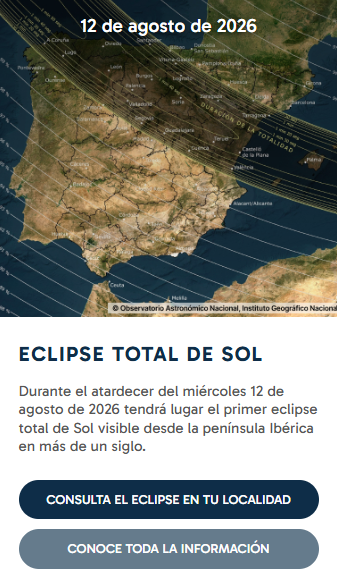
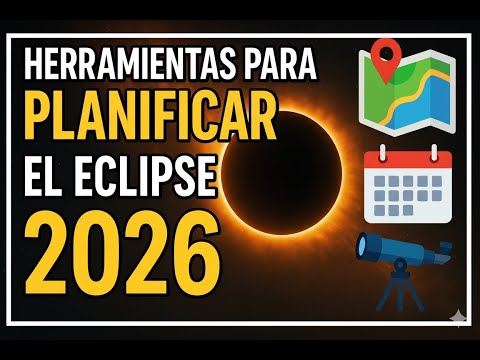
🧵 ¿Tendrás visibilidad del #Eclipse2026 desde tu ubicación? Compruébalo en el visualizador oficial desarrollado por el @IGNSpain. 🗺️👇 🌔Te explicamos cómo usarlo para que no se te escape nada. 🔗Entra en nuestra web trioeclipses.es
Trío de Eclipses España tweet media
Español
1
18
43
4.6K
Perdita Moon 리트윗함
Alejandro Sánchez
Alejandro Sánchez@pmisson·
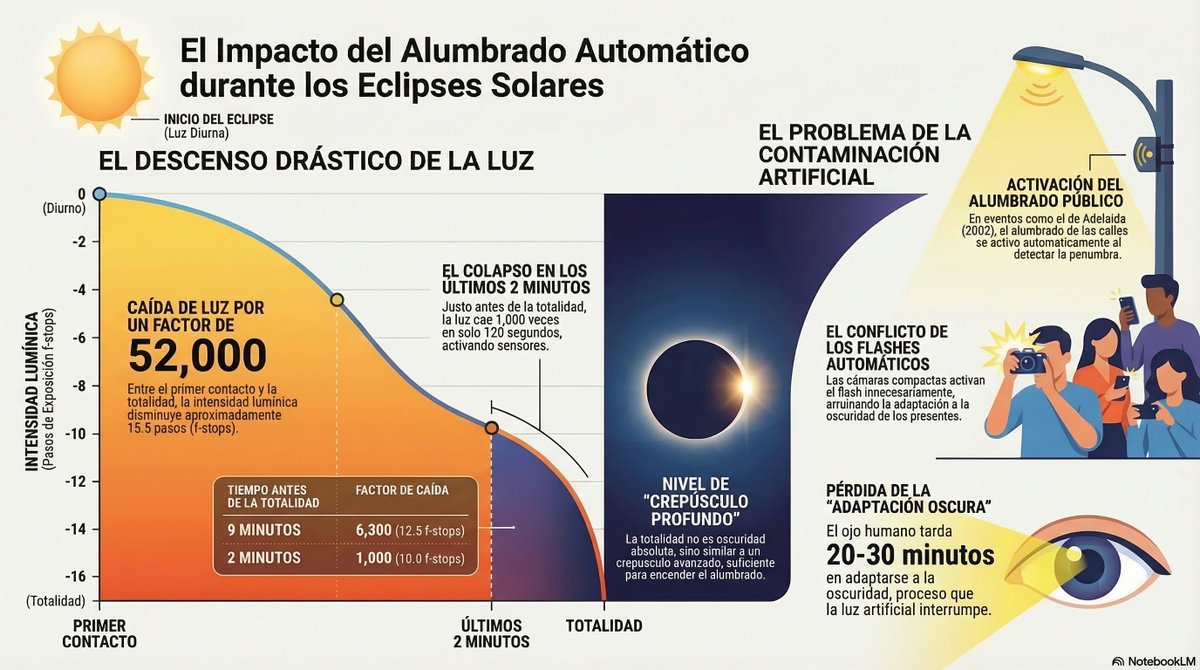
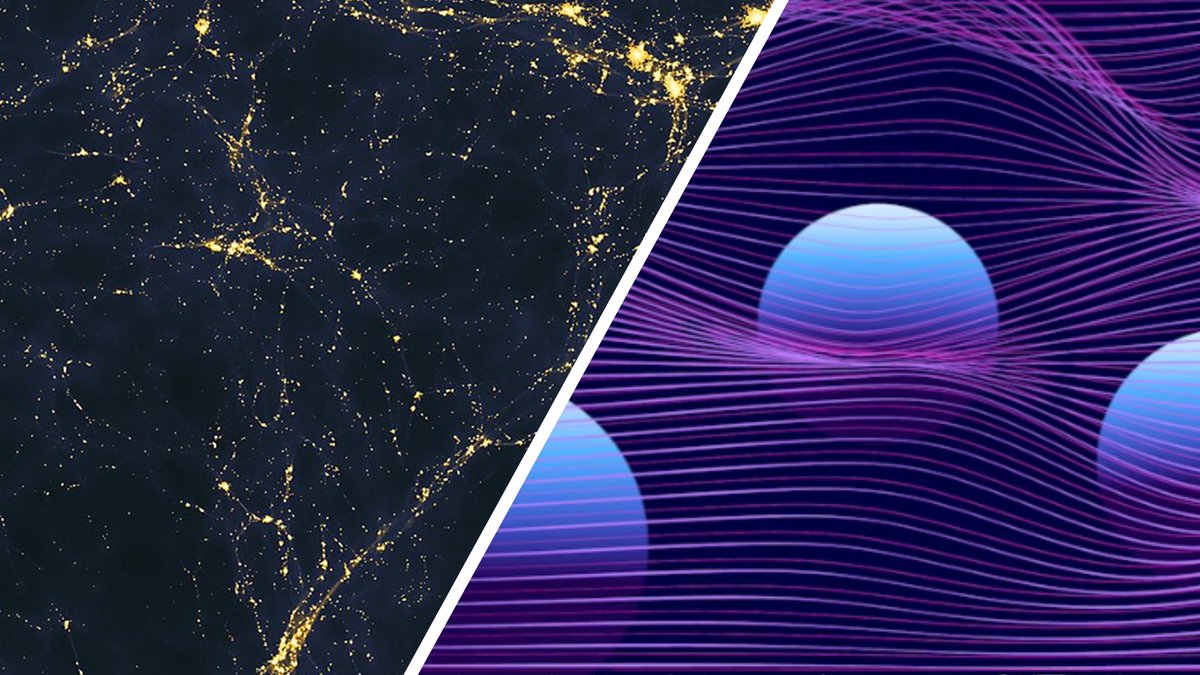
El problema de la contaminación lumínica durante los eclipses totales de Sol.
Alejandro Sánchez tweet media
Español
0
24
47
2K
Perdita Moon 리트윗함
Diana Morant
Diana Morant@DianaMorantR·
🔭 El Trío de Eclipses cuenta desde hoy con una web oficial, que lanzamos desde @CienciaGob, para que nadie se pierda todos los detalles sobre este fenómeno único que viviremos en España entre 2026 y 2028. 📲 Descubre toda la información en: trioeclipses.es
Español
239
290
749
57.9K
Perdita Moon 리트윗함
AstroLab
AstroLab@AstroLab_·
¿Cómo es posible que la teoría más extraña y contraintuitiva de la ciencia sea, al mismo tiempo, la más eficaz y potente que la humanidad haya producido ... @ivoox go.ivoox.com/rf/169903538?u…
Español
0
1
1
22
Perdita Moon 리트윗함
Rodrigo González Peinado
Rodrigo González Peinado@rodrigogpeinado·
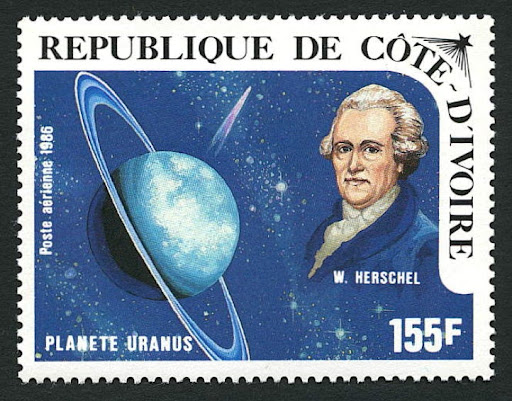
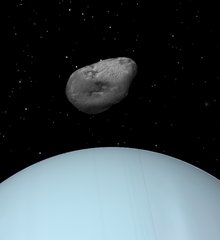
El caso del descubrimiento de Urano resulta interesante. William Herschel no fue ni el primero en observarlo ni el primero en percatarse de que era un nuevo planeta. Como este viernes se cumplen 245 años de su descubrimiento, me parece una buena ocasión para comentarlo 🧵👇🏻
Rodrigo González Peinado tweet media
Español
1
25
107
4.3K
Perdita Moon 리트윗함
AstroLab
AstroLab@AstroLab_·
#TodasHacemosCiencia, Olga Zamora Sánchez, Belén López Martí, MariCruz Gálvez Ortiz, Isabel Rodríguez Barrera, Yoli Villicana Pedraza, Adriana María Gulisano, Marina Fernández Ruz, Thea Kozakis, y el martes 10 estaremos en directo en youtube.com/live/uq6PJY-NW…
YouTube video
YouTube
AstroLab tweet media
Español
0
7
5
385
Perdita Moon 리트윗함
CESAR Educación Astronómica
CESAR Educación Astronómica@esa_cesar_es·
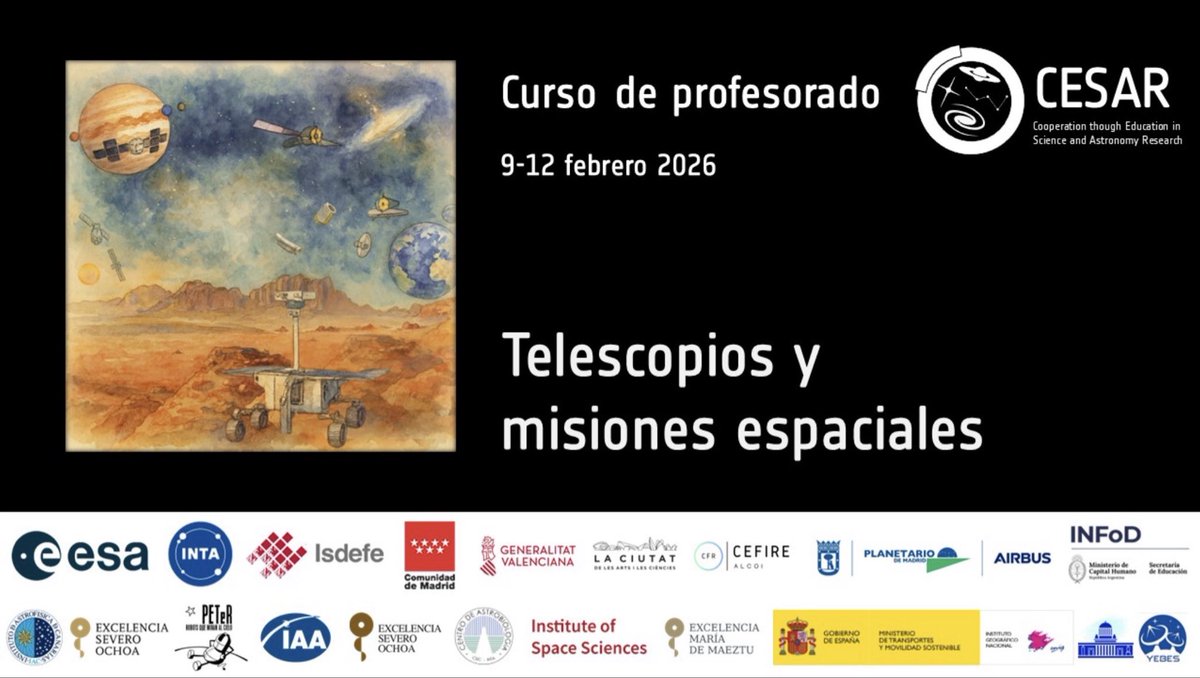
📢 Curso para profesorado CESAR - Telescopios y misiones espaciales 🗓️ Del 9 al 12 de febrero
👩‍🏫 Dirigido a docentes de todas las etapas 📝 Inscripción abierta hasta el 5 de febrero a las 18:00 h
👉 Programa completo e inscripción en nuestra web
CESAR Educación Astronómica tweet media
Español
0
1
3
127
Perdita Moon 리트윗함
Learn With NASA
Learn With NASA@LearnWithNASA·
Comets are more than just cosmic curiosities – they carry vital clues about the origin of Earth’s water & the building blocks for life! ☄️ Use winter break free time to help researchers spot comets with the Rubin Comet Catchers project! Learn more: science.nasa.gov/citizen-scienc…
Learn With NASA tweet media
English
0
28
62
3K
Perdita Moon
Perdita Moon@PerditaMoon·
@ExploreCosmos_ Yes, please! 🙏🏻 Come back to Uranus! It's been too long since you Earthlings visited us!
English
0
0
3
644
Erika 
Erika @ExploreCosmos_·
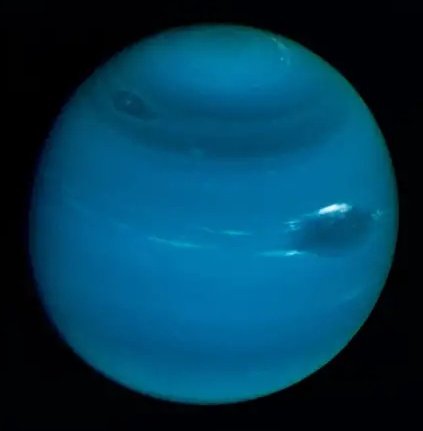
New interior models of Uranus and Neptune suggest that these planets may not be dominated by vast layers of ices, as long assumed, but could contain much more rocky material than previously thought. By generating thousands of formation scenarios and applying strict physical constraints, researchers at the University of Zurich produced models consistent with the planets’ measured gravity fields that allow a broad range of rock-to-ice ratios. This overturns the classical idea of “ice giants” as fundamentally different from gas giants and indicates that Uranus and Neptune may have interiors with significant rocky components mixed with high-pressure ices and fluids. Such variation in composition could help explain their unusual magnetic fields, which do not resemble the simple dipoles of Earth or Jupiter. The study also shows that current data cannot uniquely determine the internal layering of these planets, highlighting the need for dedicated spacecraft missions to precisely map their gravitational and magnetic fields and reveal their true internal structures. 👉 share.google/16S1Dg0blC9qF9…
Erika  tweet media
English
10
33
232
6.5K
Perdita Moon 리트윗함
Rodrigo González Peinado
Rodrigo González Peinado@rodrigogpeinado·
Una alumna me ha preguntado si las personas estamos, en cuanto a tamaño, más cerca de la estructura más grande del universo conocido o de la más pequeña a nivel atómico. Me ha parecido un ejercicio de escalas muy interesante y que permite jugar con varias posibilidades 👇
Rodrigo González Peinado tweet media
Español
38
275
1.5K
68.7K
Perdita Moon
Perdita Moon@PerditaMoon·
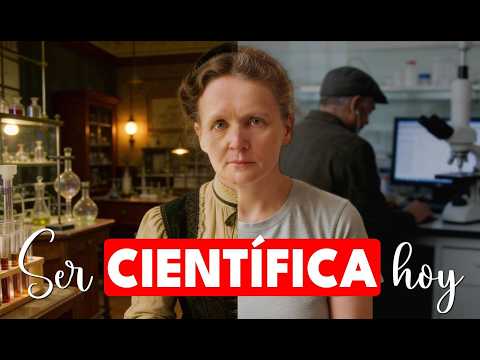
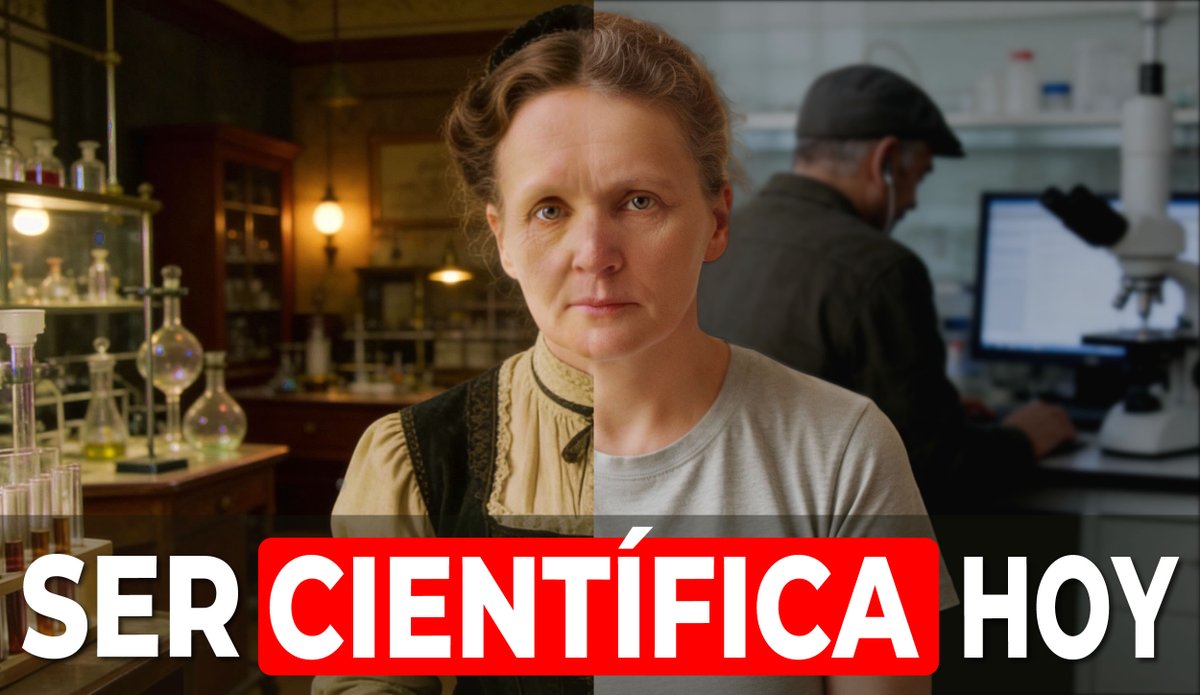
Amazing... #WomenInScience
☣️ Pleb Kruse = BTC foundationalist in exile 🟩🔆@DrJackKruse

Agnes Pockels was nineteen years old when she noticed something strange in the dishwater. It was 1881. She was standing at the sink in her family's home in Brunswick, Germany, watching the way grease moved across the surface of the water. The way soap changed everything. The way the surface itself seemed to have properties she couldn't explain. Most people would have finished the dishes forgetting it. Agnes Pockels wrote it down. She would have liked to study physics at university. But in Germany in 1881, women were not permitted to attend university. She devoured the physics books of her brother, teaching herself the mathematics and theory that formal education had denied her. She needed a way to measure what she was observing. So she built one. In 1882, she developed what she called a Schieberinne—a sliding trough. With this homemade apparatus, Agnes Pockels began a decade of solitary research. She had found the moment when a single layer of molecules, one molecule thick, formed across the surface. She calculated that a single molecule occupied about twenty square angstroms of surface area. This threshold would later be named the "Pockels Point" in her honor. Ten years. No laboratory. No colleagues. No mentors. No funding. Just a woman at kitchen sink, making measurements of stunning precision. And no way to publish any of it. She was isolated. Then, in 1890, she read an article in a German science journal. The English physicist Lord Rayleigh—one of the most celebrated scientists in the world—had been studying the properties of water surfaces. He was asking questions remarkably similar to her own. She wrote to him. On January 10, 1891, she sent Lord Rayleigh a twelve-page letter in German, outlining a decade of research. She described her apparatus, her methods, her findings. She was modest almost to a fault: "My Lord, will you kindly excuse my venturing to trouble you with a German letter on a scientific subject? ... For various reasons I am not in a position to publish them in scientific periodicals, and I therefore adopt this means of communicating to you the most important of them." Rayleigh read the letter. He recognized immediately what he was holding. On March 2, 1891, he forwarded it to the editor of Nature, the most prestigious scientific journal in the English-speaking world, with a covering letter: "I shall be obliged if you can find space for the accompanying translation of an interesting letter which I have received from a German lady, who with very homely appliances has arrived at valuable results respecting the behaviour of contaminated water surfaces.." Ten days later, Agnes Pockels's research was published in Nature under the title "Surface Tension." She was twenty-nine years old. She had never set foot in a university. And her kitchen experiments had just entered the scientific record. Agnes stunning story, a soul-stirring story can be found here

English
0
0
0
13
Perdita Moon 리트윗함
CESAR Educación Astronómica
CESAR Educación Astronómica@esa_cesar_es·
Ya están disponibles nuevas fechas de las Space Science Experiences (SSE) hasta mayo. 🚀🔭 Si quieres que tu colegio viva una jornada única en ESAC, con actividades sobre ciencia y exploración espacial, solo tienes que entrar en la web de CESAR y solicitar una fecha. 🌍✨
CESAR Educación Astronómica tweet media
Español
0
3
5
233
Perdita Moon 리트윗함
Vicent J. Martínez
Vicent J. Martínez@VicentJM·
Next Tuesday, October the 28th, at the Instituto Cervantes (London), a conversation about "The Reinvention of Science" with authors Bernard J. T. Jones and Vicent J. Martínez, chaired by Prof. Sonia Antoranz Contera, in person and online, free tickets at go.uv.es/S9LaQ1j
Vicent J. Martínez tweet media
English
0
12
20
2.8K
Perdita Moon 리트윗함
ESA España
ESA España@esa_es·
🚀 ¡Ya está abierto el registro para el #ESAOpenDay en #ESAC! El 4 de octubre te esperamos en ESAC, Madrid para un día de Ciencia, exploración ✨ ¡Aforo limitado, no te quedes sin la tuya! 🎟️ Ya puedes sacar tus entradas gratuitas 👇 esa.int/Space_in_Membe…
ESA España tweet media
Español
2
7
33
36.2K