Everything Explained
177 posts
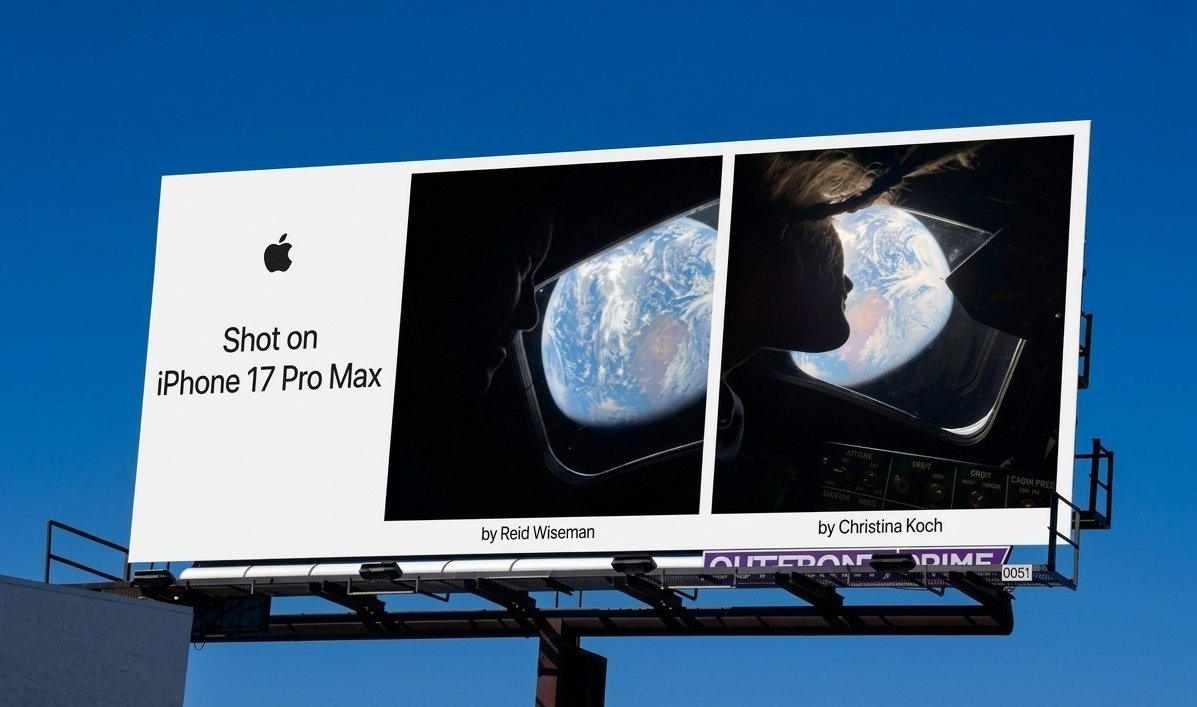

I also can't stop thinking about how this might be the greatest missed opportunity in marketing history if Apple doesn't have a billboard of these saying "Shot on iPhone" lol
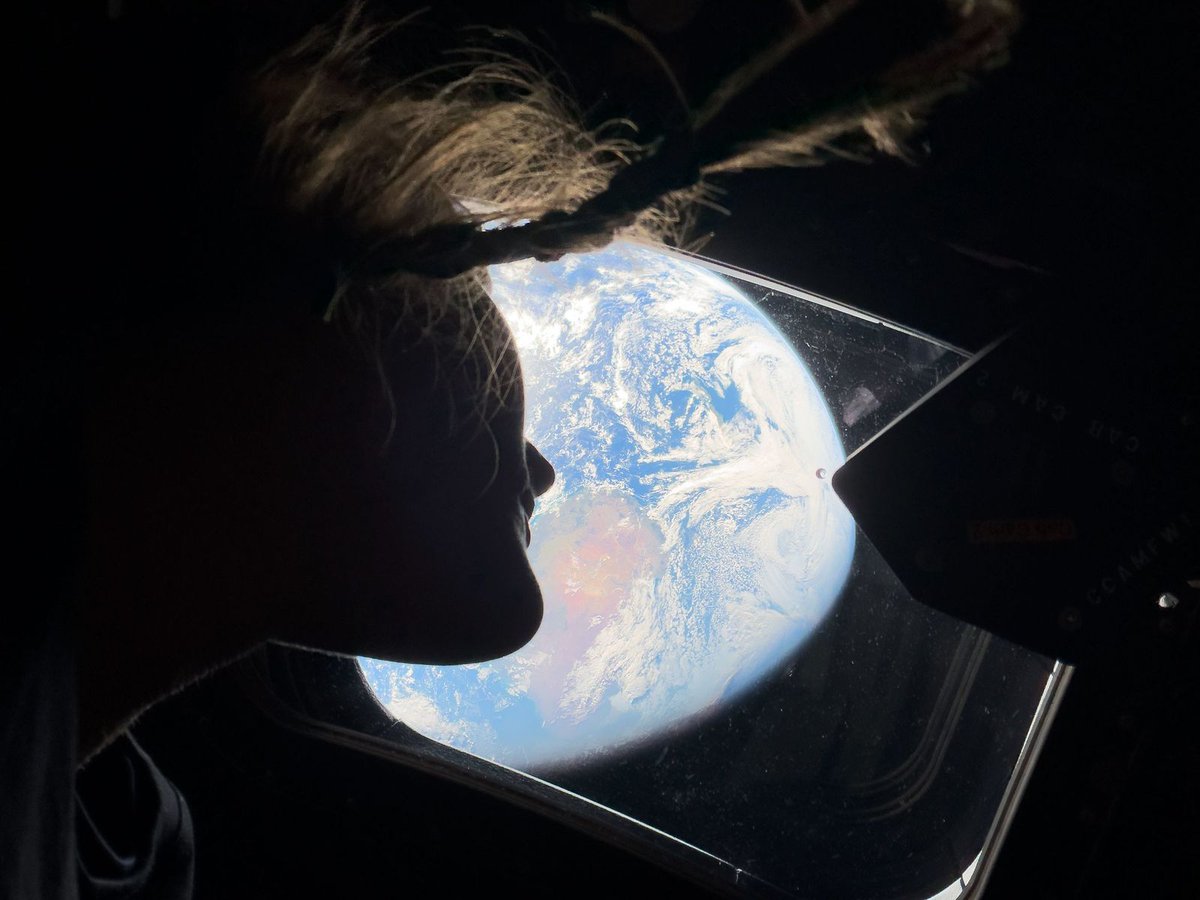
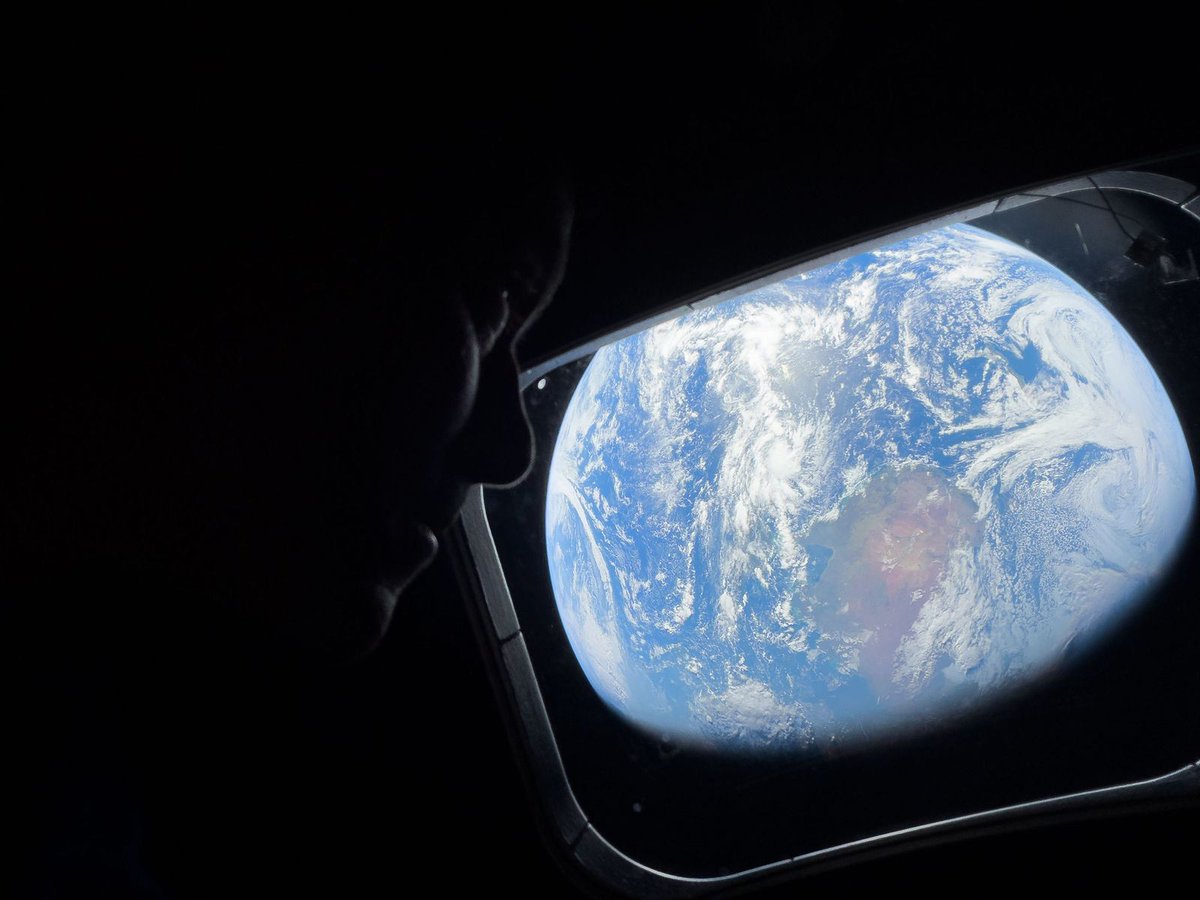
NASA astronauts have been allowed to use their phones in space, and Commander Reid Wiseman and Mission Specialist Christina Koch uploaded these photos shot on an iPhone 17 Pro Max SELFIE camera
English
@daysevermore It won’t say “space.” It’ll just fail or show no accurate location, because GPS satellites are designed to send signals toward Earth, not above them.
English

do location settings work in space? or does it just say “space”
Blake Robbins@blakeir
the best “Shot on iPhone” of all time
English
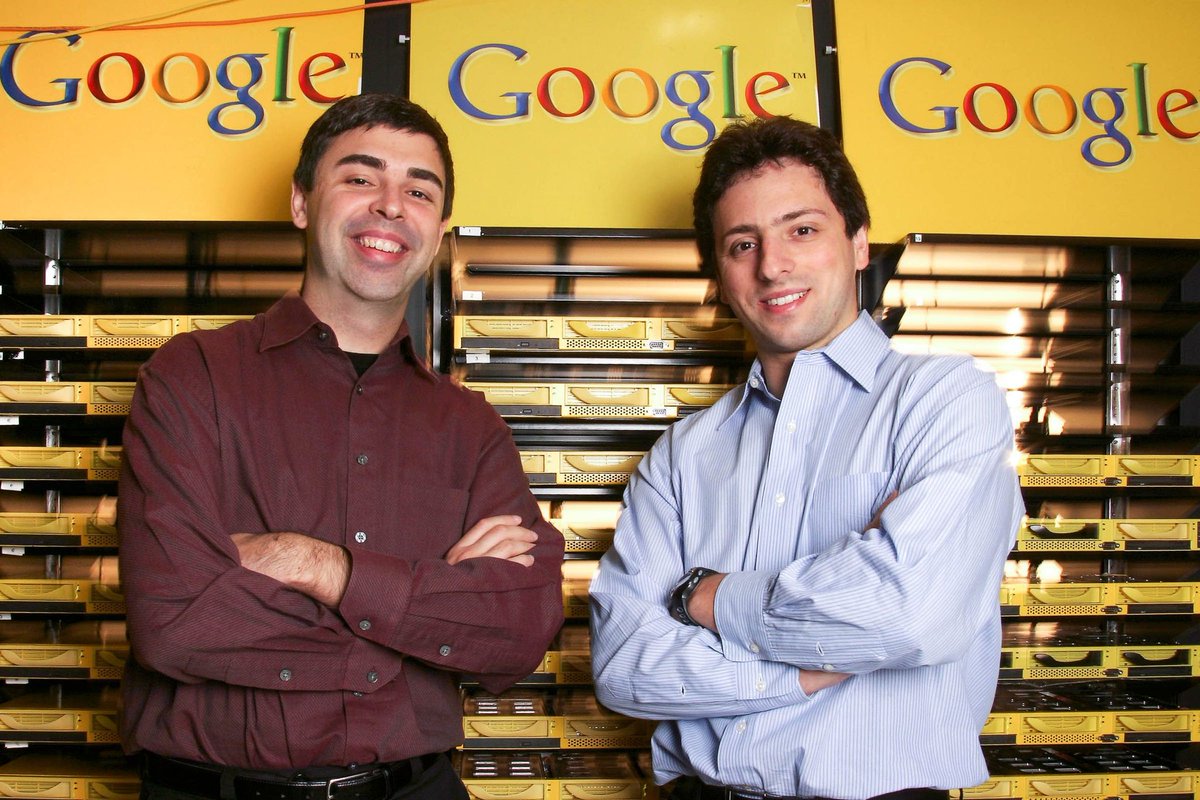
Rajeev Motwani, an IIT Kanpur graduate was the influential Stanford University computer science professor and mentor to Google founders Larry Page and Sergey Brin.
Motwani co-authored seminal papers on the PageRank algorithm with them and provided critical academic guidance for their research project which became Google.
English
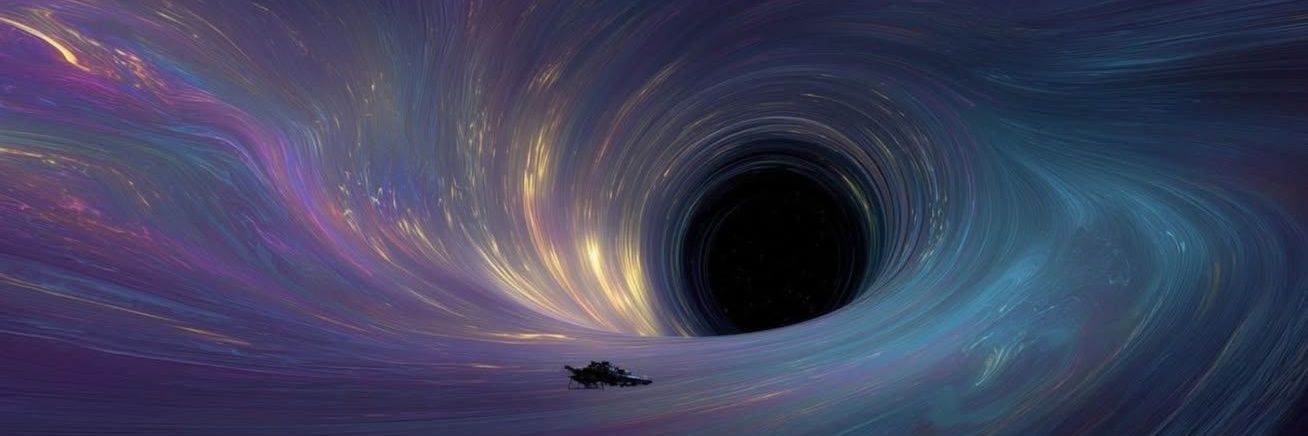
There will be a time when all the stars will extinguish and black holes will evaporate and the universe will have expanded so much that there will be nothing between millions of light years. there will be nothing.
around 100 trillion years from now all star formation will cease. The ones remaining will slowly burn out one by one.
All ordinary matter will disappear within 10⁴⁰ years. beyond that only black holes remain, and even they evaporate through Hawking radiation within 10¹⁰⁰ years.
After the last black hole evaporates the universe enters eternal darkness. Only widely dispersed subatomic particles and extremely low energy photons remain, with temperature approaching but never quite reaching absolute zero.
No heat. No light. No matter. just an endless cold void expanding into itself forever. It's called the heat death of the universe. The most inevitable and the most silent ending imaginable.
gids@gidikariuki
How big is the nothingness out there?
English
There will be a time when all the stars will extinguish and black holes will evaporate and the universe will have expanded so much that there will be nothing between millions of light years. there will be nothing.
around 100 trillion years from now all star formation will cease. The ones remaining will slowly burn out one by one.
All ordinary matter will disappear within 10⁴⁰ years. beyond that only black holes remain, and even they evaporate through Hawking radiation within 10¹⁰⁰ years.
After the last black hole evaporates the universe enters eternal darkness. Only widely dispersed subatomic particles and extremely low energy photons remain, with temperature approaching but never quite reaching absolute zero.
No heat. No light. No matter. just an endless cold void expanding into itself forever. It's called the heat death of the universe. The most inevitable and the most silent ending imaginable.
English

How big is the nothingness out there?
NASA@NASA
One last look at Earth before we reach the Moon. This view of the Earth was captured on April 5, the fourth day of the Artemis II mission, from inside the Orion spacecraft. The four astronauts will reach their closest approach of the Moon tomorrow, April 6.
English
There will be a time when all the stars will extinguish and black holes will evaporate and the universe will have expanded so much that there will be nothing between millions of light years. there will be nothing.
around 100 trillion years from now all star formation will cease. The ones remaining will slowly burn out one by one.
All ordinary matter will disappear within 10⁴⁰ years. beyond that only black holes remain, and even they evaporate through Hawking radiation within 10¹⁰⁰ years.
After the last black hole evaporates the universe enters eternal darkness. Only widely dispersed subatomic particles and extremely low energy photons remain, with temperature approaching but never quite reaching absolute zero.
No heat. No light. No matter. just an endless cold void expanding into itself forever. It's called the heat death of the universe. The most inevitable and the most silent ending imaginable.
English

it’s on a scale the human mind can’t possibly comprehend
gids@gidikariuki
How big is the nothingness out there?
English
Every page online exists because someone is actively paying for a server to host it. When that payment stops the page goes offline.
Wayback Machine is essentially a nonprofit manually trying to save as much of the web as possible before it disappears.

English
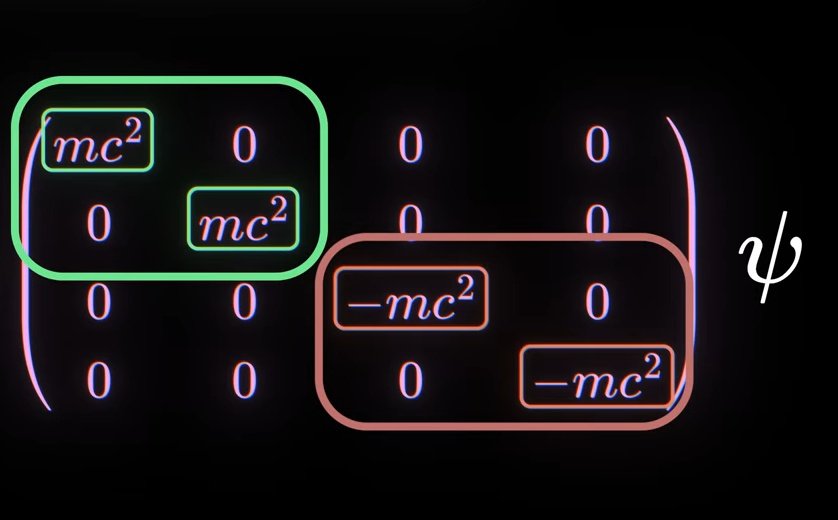
The proof of antimatter existence came from a 4x4 matrix.
English
Shaking hands as a greeting started as a practical safety check.
Extending an open right hand to a stranger was a way of showing you weren't holding a weapon. The pumping motion likely served to dislodge anything hidden up a sleeve.
It spread through European culture and got formalised as a standard greeting across social classes during the 18th and 19th centuries partly because it was more egalitarian than bowing, which implied hierarchy.

English
Time genuinely feels faster as you get older, and it’s not just perception.
When you’re a child, almost everything is new. New school, new people, new skills, new environments. Your brain encodes novel experiences in detail because unfamiliar information requires active processing and storage. When you look back on a period packed with new experiences, your memory has a lot of material to draw from, and the period feels long.
As routines solidify, your brain stops encoding the detail of familiar experiences because it already has a template for them. Weeks of unchanged routine leave almost no distinct memories behind. When you look back, the period feels compressed, like it barely happened.
There’s also a proportional effect. When you’re eight years old, one year is 12.5% of your entire life. At forty, it’s 2.5%. Each year is a genuinely smaller fraction of your total experience, so it registers as a smaller unit of time.
The practical side of this is that novelty physically stretches time. Two weeks somewhere unfamiliar can feel longer in memory than three months of unchanged routine because your brain had far more new material to process and store. The way to slow time down isn’t to do less. It’s to keep encountering things your brain hasn’t seen before.
English
Well saying Oxygen is a poison is definitely wrong but you are also partially correct.
When cells use oxygen to produce energy (in mitochondria), they create reactive oxygen species (ROS), basically oxygen molecules with unpaired electrons that are highly unstable. These damage DNA, proteins, and cell membranes. This is called oxidative stress.
Over decades, this accumulated damage contributes to aging and age-related diseases like cancer, Alzheimer's, cardiovascular disease.
Now you may all wonder "Why we don't just die faster if oxygen is posion?"
We have antioxidant systems (enzymes like catalase, superoxide dismutase, plus dietary antioxidants like vitamin C) that neutralize most ROS. The problem is they don't catch everything, and repair mechanisms get less efficient with age.
English

im pretty sure this is quite literally how it works
Bilal 🎀⛷️@weirdngkid
what if oxygen is poisonous and it just takes 75-100 years to kill us
English
Dreaming is still one of the least understood things the brain does and most people never think about it past the surface level.
The leading theories point toward memory consolidation and emotional processing. during REM sleep the brain is almost as active as when you're fully awake. it appears to be replaying and reorganising experiences from the day, deciding what to keep, what to discard, and filing emotional weight attached to memories.
The visual and narrative quality of dreams comes from the brain constructing a simulation using whatever memory fragments are being activated at the time, without the logical filtering that waking consciousness applies. This is why dreams feel coherent while you're in them and fall apart the moment you try to describe them.
The reason you forget most dreams within minutes of waking is that the hippocampus, the part of the brain responsible for forming new long term memories, is largely suppressed during sleep. The dream plays out but the recording mechanism is mostly off. What survives into waking memory are the fragments intense enough to cut through anyway, usually the emotionally charged ones, which is why the dreams you remember are rarely the calm ones.
English
Your conspiracy theory is actually true😭 and here's an easy explanation of why :
When cells use oxygen to produce energy (in mitochondria), they create reactive oxygen species (ROS), basically oxygen molecules with unpaired electrons that are highly unstable. These damage DNA, proteins, and cell membranes. This is called oxidative stress.
Over decades, this accumulated damage contributes to aging and age-related diseases like cancer, Alzheimer's, cardiovascular disease.
Now you may all wonder "Why we don't just die faster if oxygen is posion?"
We have antioxidant systems (enzymes like catalase, superoxide dismutase, plus dietary antioxidants like vitamin C) that neutralize most ROS. The problem is they don't catch everything, and repair mechanisms get less efficient with age.
English

Yeah here's an easy explanation of this :-
When cells use oxygen to produce energy (in mitochondria), they create reactive oxygen species (ROS), basically oxygen molecules with unpaired electrons that are highly unstable. These damage DNA, proteins, and cell membranes. This is called oxidative stress.
Over decades, this accumulated damage contributes to aging and age-related diseases like cancer, Alzheimer's, cardiovascular disease.
Now you may all wonder "Why we don't just die faster if oxygen is posion?"
We have antioxidant systems (enzymes like catalase, superoxide dismutase, plus dietary antioxidants like vitamin C) that neutralize most ROS. The problem is they don't catch everything, and repair mechanisms get less efficient with age.
English

That's precisely one of the main theories on why organisms age and die, actually!
Bilal 🎀⛷️@weirdngkid
what if oxygen is poisonous and it just takes 75-100 years to kill us
English
@gidikariuki We'll never know as it's getting bigger and bigger
English
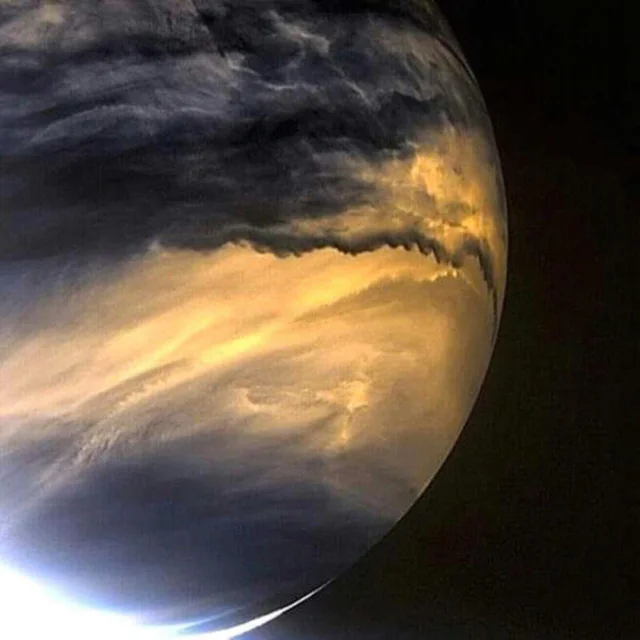
A day happens when a planet completes one full rotation on its axis, and a year happens when a planet completes one full revolution around the Sun.
The interesting part is that Venus rotates more slowly on its axis than it revolves around the Sun. This means Venus completes one full revolution before it finishes a single rotation
English
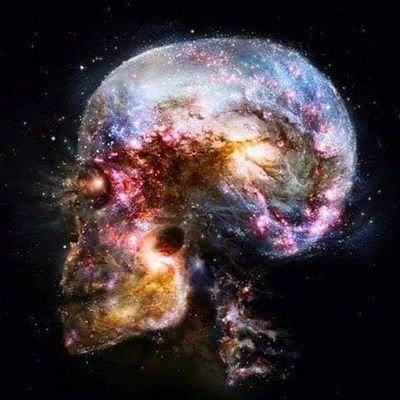
@AMAZlNGNATURE Nope, there are people on International Space Station too
English

There's only 4 living humans not in this photo

English
📷 Steve Wozniak and Steve Jobs, co-founders of Apple Inc.

English
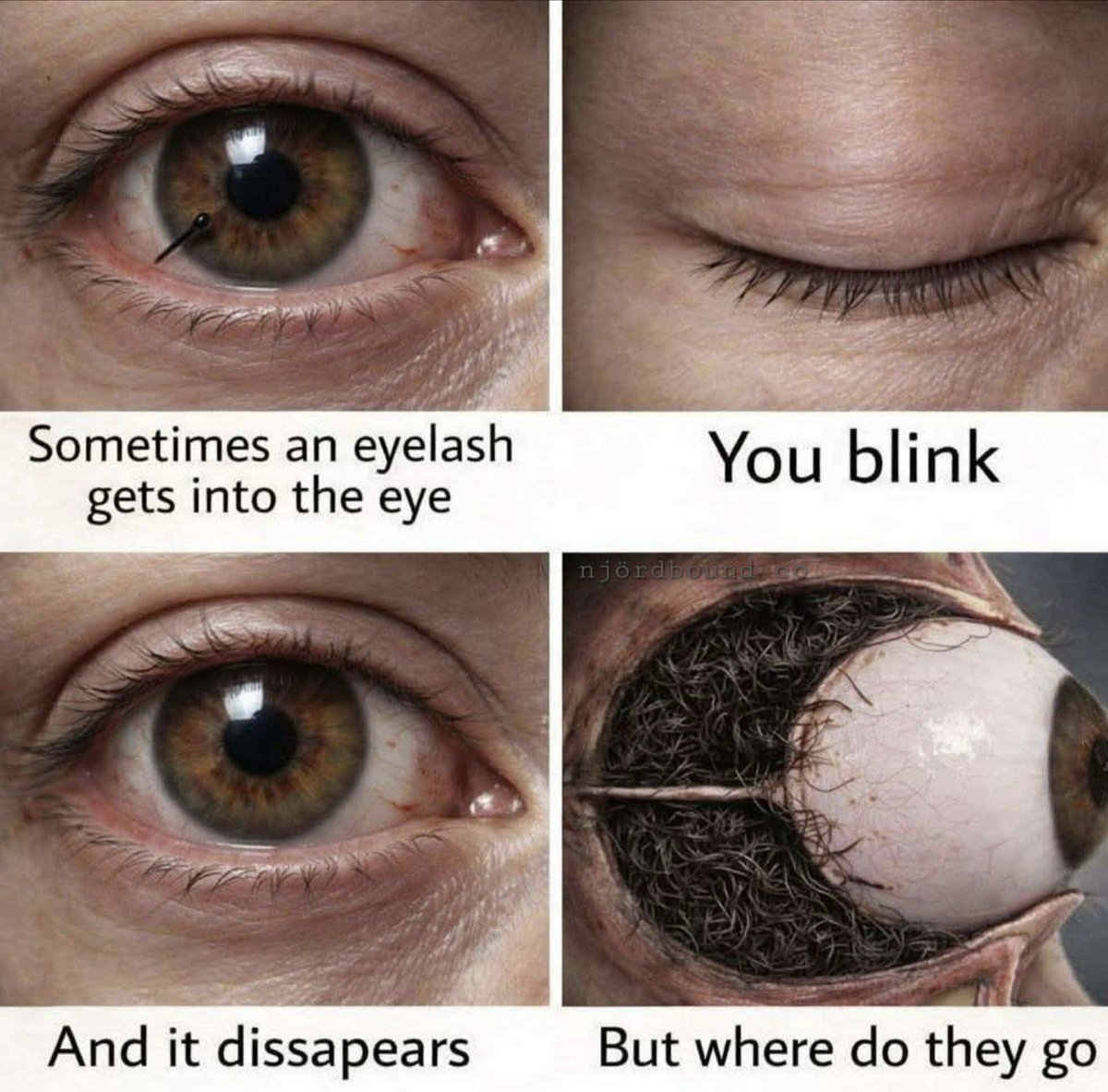
It gets flushed to the corner of your eye by your tears. Every time you blink your eye produces a thin layer of tears that pushes debris toward the inner corner near your nose. That's where your tear ducts are.
The eyelash either gets stuck in that gunk you sometimes see in the corner of your eye in the morning, or it drains through your tear ducts into your nasal cavity. That's why your nose runs when you cry.
English