
고정된 트윗
Aghor
37K posts

Aghor
@_Aghor
In honour of the great devī & devā. Dedicated to mahādeva. Fintech | Startups | Design & Scale | Explorer.
가입일 Aralık 2017
555 팔로잉756 팔로워

Aghor 리트윗함
NLSAT 3 Year LLB | NLU Odisha | CUET PG Law Study Material 3-Year LLB Entrance Preparation Kit V1
youtube.com/shorts/QqhcpSD…
YouTube
English

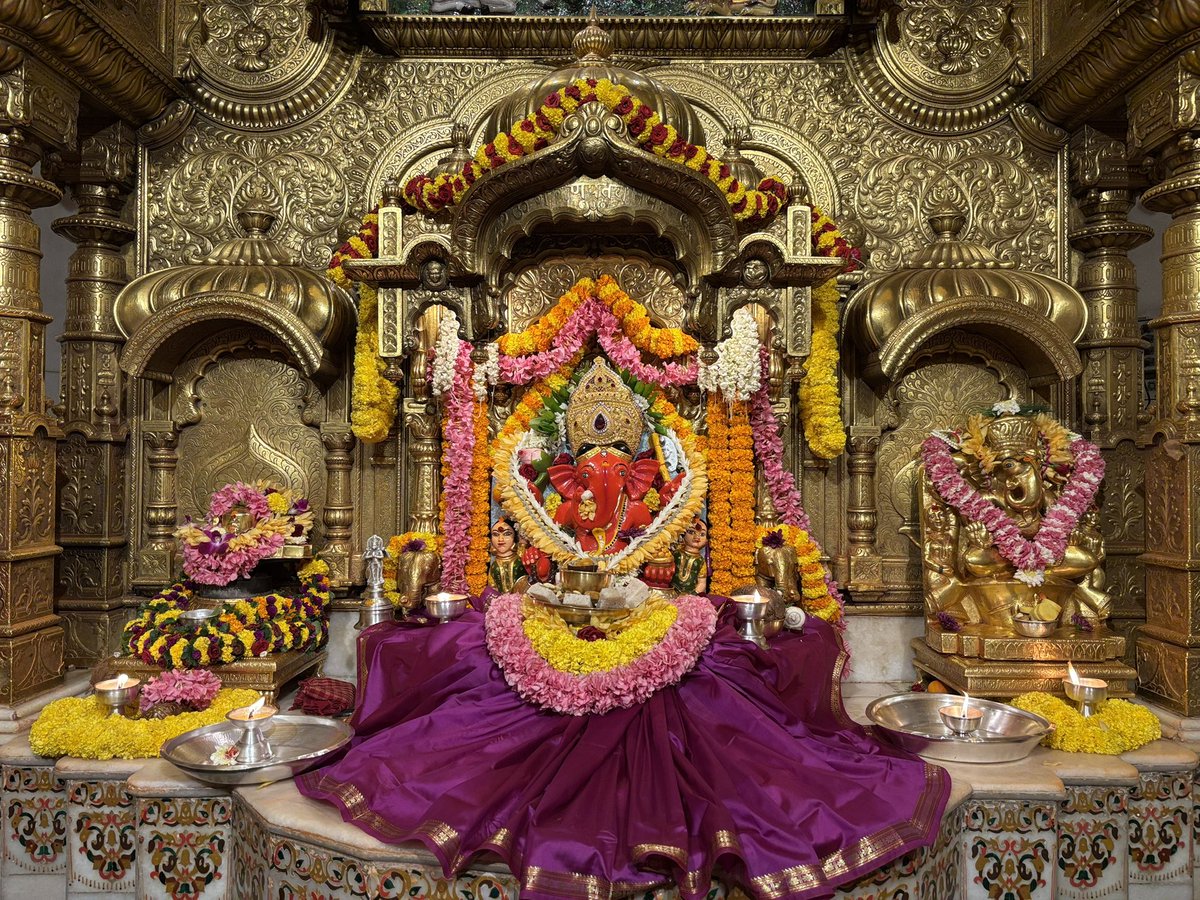
🙏 गणपती बाप्पा मोरया 🌺मंगलमूर्ती मोरया 🙏२६/०६/२०२६
🙏Ganapati Bappa Moraya 🌺 Mangalmurti Moraya 🙏26/06/2026

I can explain Big O.
I can compare algorithms.
But I still don't know how to optimize real code.
When does that skill actually come?
English
Aghor 리트윗함

Marking his 64th birthday, Gautam Adani, Chairman of the Adani Group, today launched Vande Bharatam, a national initiative to identify and support innovators, entrepreneurs and problem-solvers from across India.
The programme will reach all 36 States and Union Territories, more than 800 districts and multiple Indian languages. Open to participants of all ages and backgrounds, it aims to bring promising ideas and entrepreneurial talent from beyond India's traditional start-up centres onto a national platform.


English
Aghor 리트윗함

This is the site where our new 100 acre Integrated PCB mega campus will be built in 🇮🇳
We have been working hard to fix the structual gaps in PCB manufacturing in 🇮🇳
Some of the problems are harder than we think and it takes time to fix those.
We have been working on fixing all those problems that every single customer has told us over time and we work hard to make sure that each of those are fixed by identifying the root cause.
Our dedicated team of Terra Circuits will be focused on some of these infrastructre related problems.
PCB Fabs- Inspired by the way TI expanded semicon fabs in Dallas, we will be taking a similar approch here. There will be multiple Fab Units that will be built over time in this campus.
PCBA- we will have enough lines to support our customers scaling to larger numbers.
Components warehouse- a fully automated warehouse to ship components the same or next day.
R&D center- to research and build technologies related to manufacturing, not just pcb. Semicon and advanced applied engg.
I am dedicating my next 10 years building this campus and change the way electronics gets manufactured in 🇮🇳
#JaiHind


English


Aghor 리트윗함


Aghor 리트윗함
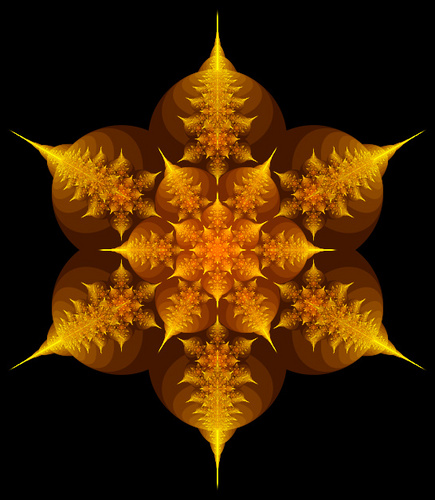
Turīya
The Kālī-kula tradition preserves the worship of the Bhairava known as Turīya and his consort, the goddess Turīyā. A corrupt macranthropic visualization of the Bhairava Turīya is provided in texts of this tradition, like the Hāhārāva tantra. The central location of Kubera in this visualization is notable and suggests a connection to his ancient association with Rudra and the Kauberī tradition. Below is a preliminary emendation of this hymn:
muni-vargā mahā-bhāgāḥ sāvadhānaṃ śṛṇuṣva me |
asmad vibhūtiṃ vakṣyāmi utpattiṃ prakṛteḥ svayam ||
O highly fortunate, assembly of sages! Listen with full attention. I shall declare my own divine manifestation, and the very origin of Prakṛti itself."
mal-lalāṭāsthito brahmā śravaṇayoḥ pañca-devatāḥ |
nāsāgrāt salilaṃ caiva mukhād agnir ajāyata || 1 ||
Brahmā resides on my forehead, and the five deities (_Pañca-devatā_) reside in the two ears. From the tip of the nose emerges water, and from the face, fire was born.
rasanāyāṃ sarasvatī devī netrābhyām amaraughajaḥ |
kaṇṭhe nīlā mahādevī bhuje durgārti-mardinī (durgāri-mardinī ) || 2 ||
On the tongue is the goddess Sarasvatī; from the two eyes is born the stream of the immortals (gods). In the throat rests the great goddess Nīlā (Nīlasarasvatī), and on the arms is Durgā, the crusher of afflictions (foes).
stana-madhye ca kandarpaḥ kukṣau sapta-samudrakāḥ |
kara-madhye ca devaughāḥ pāpa-puṇyau vakṣasthale || 3 ||
In the midst of the breasts is Kandarpa (Kāmadeva), and within the belly are the seven cosmic oceans. In the palms of the hands reside the lineage of gods, and on the chest rest both sin and virtue.
hṛdaye candramā devo nābhau ca garuḍa-dhvajaḥ |
vāma-pārśve ca pitaro dakṣiṇe śakra-rāṭ svayam || 4 ||
In the heart is the Moon god, and in the navel is Garuḍa-dhvaja (Viṣṇu). On the left flank reside the Ancestors (_Pitṛs_), and on the right is King Śakra (Indra) himself.
guhye gaṇapatir devo hy urosi kāla-mṛtyukaḥ |
pṛṣṭhe nakṣatra-devāś ca liṅge caiva sadāśivaḥ || 5 ||
In the private part is the god Gaṇapati, and on the upper chest (_uras_) is Kāla-Mṛtyu (Time-Death). On the back are the stellar deities (constellations), and on the phallus is Sadāśiva.
romeṣu mānasī devī asthīni ca sirās tathā |
rudhiraṃ parvatāḥ sarve jaṅghayoḥ dharma-devatā || 6 ||
In the hair [on the body] rests the Goddess of the Mind; the bones and the veins, as well as the blood, are all the sacred mountains. On the two shanks resides the deity of Dharma.
guda-deśe guho devaḥ ṛṣayo hy ūru-deśayoḥ |
daitya-rākṣasa-martyāś ca jihvāyāṃ sarva-devatāḥ || 7 ||
In the region of the rectum is the god Guha, and the sages reside upon the two thighs. The Daityas, Rākṣasas, and mortals – indeed all remaining deities – are located upon the tongue.
deha-madhye kubero devo vibhūtir muni-vargāḥ ।
evaṃ vibhūti-yogaṃ ca gopanīyaṃ prayatnataḥ || 8 ||
In the center of the body is Kubera, the mighty god, O assembly of sages! This _Vibhūti-yoga_ (Cosmic Integration) must be concealed with utmost effort.
Suomi
Aghor 리트윗함

Aghor 리트윗함

Never sit to do your japa without an āsana; bhūmī absorbs all of its effects otherwise and sādhanā goes fruitless.
The best āsana is kambala, and that too rakta kambala {crimson red wool blanket} for kamanā siddhi {fulfilment of desires}. For mantra siddhi, kuśāsana is best — brahmāṇḍa purāṇa.
An āsana made of bamboo brings poverty, stone disease, bhūmi sorrow, wood with holes or defects misfortune, grass destruction of wealth, and leaves delusion and confusion of mind — purascaraṇa dīpikā.
śrī.

Română
Aghor 리트윗함
Aghor 리트윗함


Filipino
Aghor 리트윗함


🙏 गणपती बाप्पा मोरया 🌺मंगलमूर्ती मोरया 🙏२६/०६/२०२६
🙏Ganapati Bappa Moraya 🌺 Mangalmurti Moraya 🙏26/06/2026
