
고정된 트윗
Kate
4.4K posts

She looks just like someone else but I can’t quite put my finger on it…

English
@runningjo10k It's something of a downgrade isn't it? Age groups seem to be forgotten too. Also, really liked having everything on one page!
English

Which is more impressive: a sub-20 5K or a sub-1:40 half marathon?
English
@HowThingsWork_ Er, yes, it moves tonnes of aeroplane into the air. Wtf did you expect?
English
Example of just how strong a jet blast is from an airplane 💨
English
@Alan_Couzens I was in ICU for a few days following a bad asthma attack. Was sedated & paralysed. Even walking around the house would get me out of breath after. Took *years* to feel anything like back to normal. Thought recovery would never happen tbh. These big things really hit hard
English
Your cheery Sunday thought...
Think about the end. What's going to take you out?
That's your answer to longevity.
Story time 👇
The closest I've been to death was a bad bike wreck 20 years ago where I broke my hip and femur.
Initially, there was a lot of internal bleeding. My O2 sats tanked, and the Doc said the only thing that saved me was my (aerobic) fitness.
But that wasn't the end of it...
After everything was stabilized - screws and rods were put in, I was confined to a wheelchair for ~3 months. The muscular atrophy was massive. When I went to stand for the first time after, the effort was equivalent to a max squat - just holding my bodyweight!
It was very hard. It was painful. Those initial walks challenged me in familiar ways.
It became very easy to see how, if you are 70 or 80 and sarcopenia has already taken hold, how a fall like that could be the beginning of the end.
Long story short, at some point you're going to call on...
- Very high levels of aerobic efficiency.
- A significant muscle/strength reserve.
- An athletic mind.
Make sure all 3 are there when you do.
Your life will depend on it.
English
@GuruAnaerobic I deliberately reduced volume a few years ago on realising my 40s body was breaking down rather than benefiting. Since then I've not been injured and at 50, probably running the best I have since my 20s.
English
As a person in their 60's, my advice is to NOT train massive volume when you're older. Rather train for a 5k or 10k at most, not a marathon. Big volume will decrease your ability (and desire) to work hard enough in the gym to retain your leg strength and lower-body robustness. When load becomes high and recovery is stretched to its limits, the long-distance addict will always default to reducing their lower-body strength training than their running. You do not want to become like this.
Howard Luks MD@hjluks
7 Things This 62-Year-Old Runner Would Tell His 40-Year-Old Runner Self Slow down. Pace isn’t the goal. Heart rate isn’t even the goal. The physiological adaptations in the zone you are running in are the goal. Most runners never get fast because they never got slow. Your aerobic engine only grows when you give it the low-intensity time it needs. Your base will be the most important thing you ever build. Base building takes much longer than you think. It’s super frustrating at first, then boring, then, if you stick with it… magic. Nothing will pay you back more in your 50s and 60s than a massive aerobic floor built decades earlier. Run more often, not necessarily longer. Six shorter runs per week beat two or three longer ones. Consistency/frequency build durability, teach your tissues to tolerate load, and keep your aerobic system turned on all week long. It’s better for a longevity approach as well. Intensity. You don’t need much of it. A little bit goes a long way, especially as you age. Save the hard work for when it matters and spend most of your time building capacity, not frying your system. Manage load like your future depends on it. Because it does. Overuse injuries are preventable, but only if you respect your tendons and connective tissue. Most runners’ injuries are training errors due to poor load management. Tendons don’t care about your watch or your training plan. They care about consistency and smart progression. Tendons don’t like rest either… when a tendinopathy occurs, they want heavy resistance loads… see a therapist very early. Lift and stay powerful. If you want to keep running well in your 60s, start lifting in your 40s. Strength and power fade faster than endurance. Train strength and power…. both for living longer and performing well. Recovery is training. The adaptation occurs during the recovery phase. Recovery time is not optional. Sleep, down weeks, and truly easy days are what allow the adaptations you’re chasing to happen at all. Never let today’s workout ruin tomorrow’s.
English
In older age (for a runner) it's not the engine which is the main problem, but the chassis. Tendons, muscles, joints, wear and tear - these are the things which limit training, the increased injury risk, the inability to recover so well and the necessary clipping of load and intensity.
GuruAnaerobic@GuruAnaerobic
I was interested in running fast so I became a world-class masters sprinter. Now, in my 60's I'm interested in running a fast mile - maybe in time I'll become a world-class miler, I may have to wait until I'm in my 70's to get there. There's no rush, I'm happy to progress slowly and remain fit and uninjured. I believe being a masters sprinter gave me the base speed to run a fast mile (with the appropriate training). I also believe I'm average in running terms but above average in how I have resisted age-related deterioration. This is why aging favours me; a reversal of the usual narrative that getting physically old sucks. The best decision I made was to drop competitive sprinting for building aerobic health - I still can't get the running fast bug out of me (because it feels like a super-power in older age), so I chose the mile as the vehicle for building VO2max, not a longer distance. Being aerobically fit AND still having strength, speed & power, is the best feeling in the world as an older person. Once you decide to resist the downward slope of aging, getting older means 'getting better' relative to others - this manifests simply as 'getting better' in how you view yourself. You feel good, but you also feel your physicality/prowess is rising. An unexpected, bizarre, but wonderful feeling. The REVERSE of getting old. Come and join me. You can get better as you age.
English
Kate 리트윗함

I really can't emphasize enough how the best supplement, nootropic, "biohack", etc. is winning.
English

If youre a good miler and you go run a slow marathon because every else is, that is not stepping up. It is very much stepping down!
Moving up in distance is not stepping up. We step up in performance. Running further is not a step up.
Slow marathon to fast 10k = step up 🙌
English
Kate 리트윗함
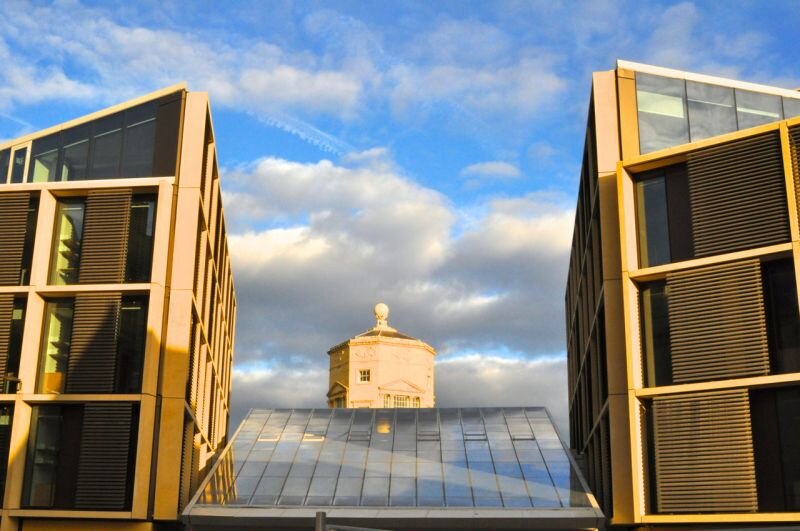
Will you still need me, will you still feed me, when I'm 94?
Happy Birthday Roger.
English
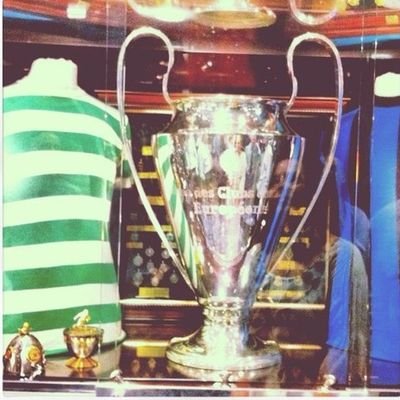
@ScarredForLife2 I always thought it was clunk clink for every trip
English
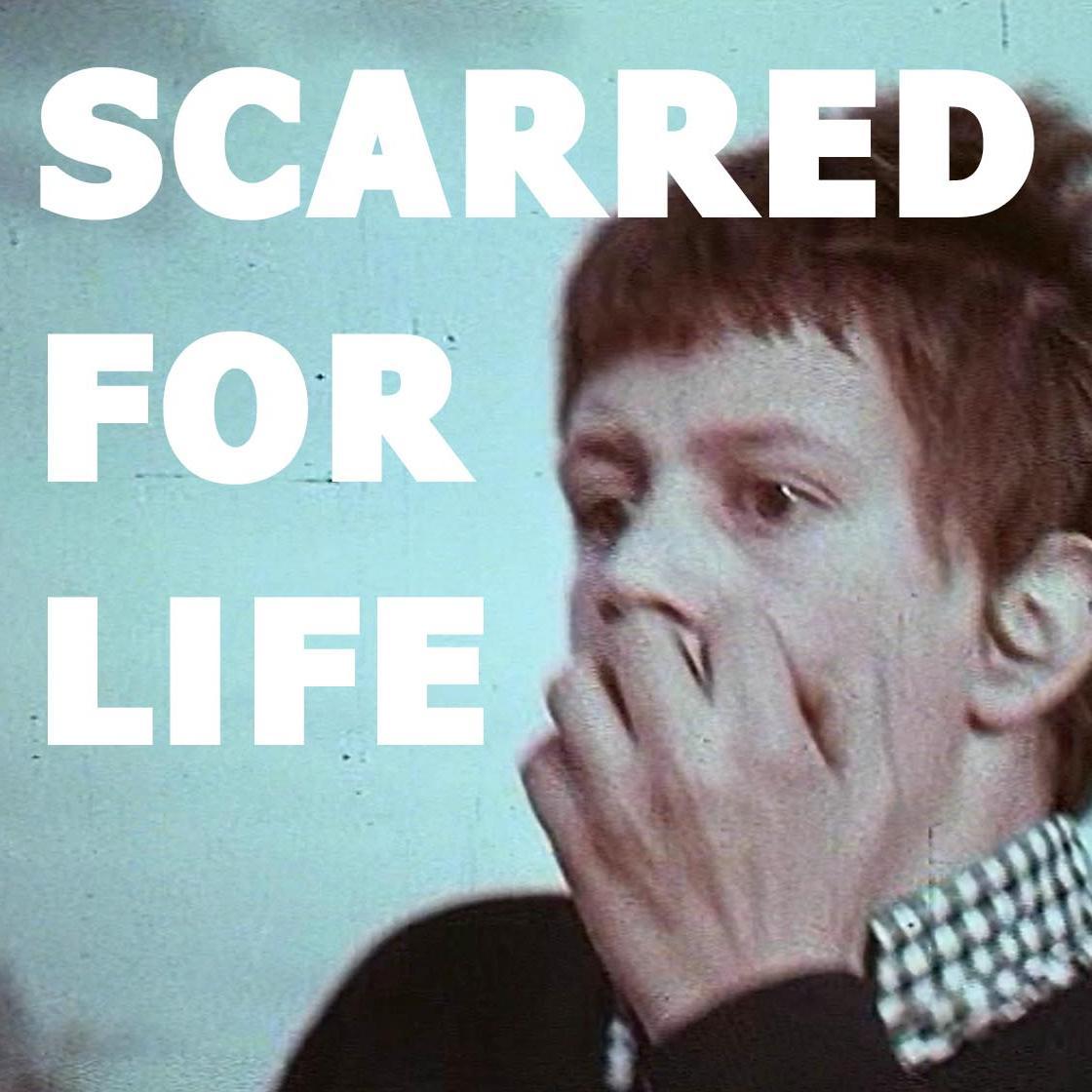
CLUNK CLICK - SHORT TRIPS: Mid-70s seatbelt PIF which ends with a graphic head-on collision, and the non-seatbelt-wearing Clunker launched headfirst through his windscreen. The other driver has an unruffled air, as if this sort of thing happens to him all the time. The bastard.
English

Genuinely horrifying that young women are now shaving or epilating all the natural, normal, essentially invisible peach fuzz hairs off of their faces
Feels like a new layer of hell
Advertisers are targeting them with adverts where the model first sprays her face with some kind of powder to highlight every one of those hairs before removing them
I see shit like this and I think women and girls will never be free. All this time, all this energy, all this effort we are conditioned into giving to be “acceptable” when we are more than good enough already
The constant focus on having to be pretty (and the impossibility of ever meeting all the absurd current standards)…instead of the focus on being funny, or clever, or interesting, or productive or happy

English


Just curious, outside of the obvious places to ride, like Wales, Scotland. The Lakes etc. where is your favourite place to ride?
I think mine has to be either FoD or Surrey Hills 🤔
English
@singhcredible I will never understand why people feel the need to say 'it only qualifies as running if .... insert pace/race time/other random metric'
English

“An 11-minute mile isn’t running.”
That’s what some ‘gurus’ say.
Here’s why they’re wrong:

English


@Healthy_Control @FondOfBeetles I'd go 4 - 100% male, 5 - almost 100% female
(I'm female)
English

This is a computer-generated series, transitioning between "hyper male" and "hyper female".
Where does your perception of the sex of the person shift?
Which face is the most ambiguous?
If you reply, please include your sex (the actual one).

English

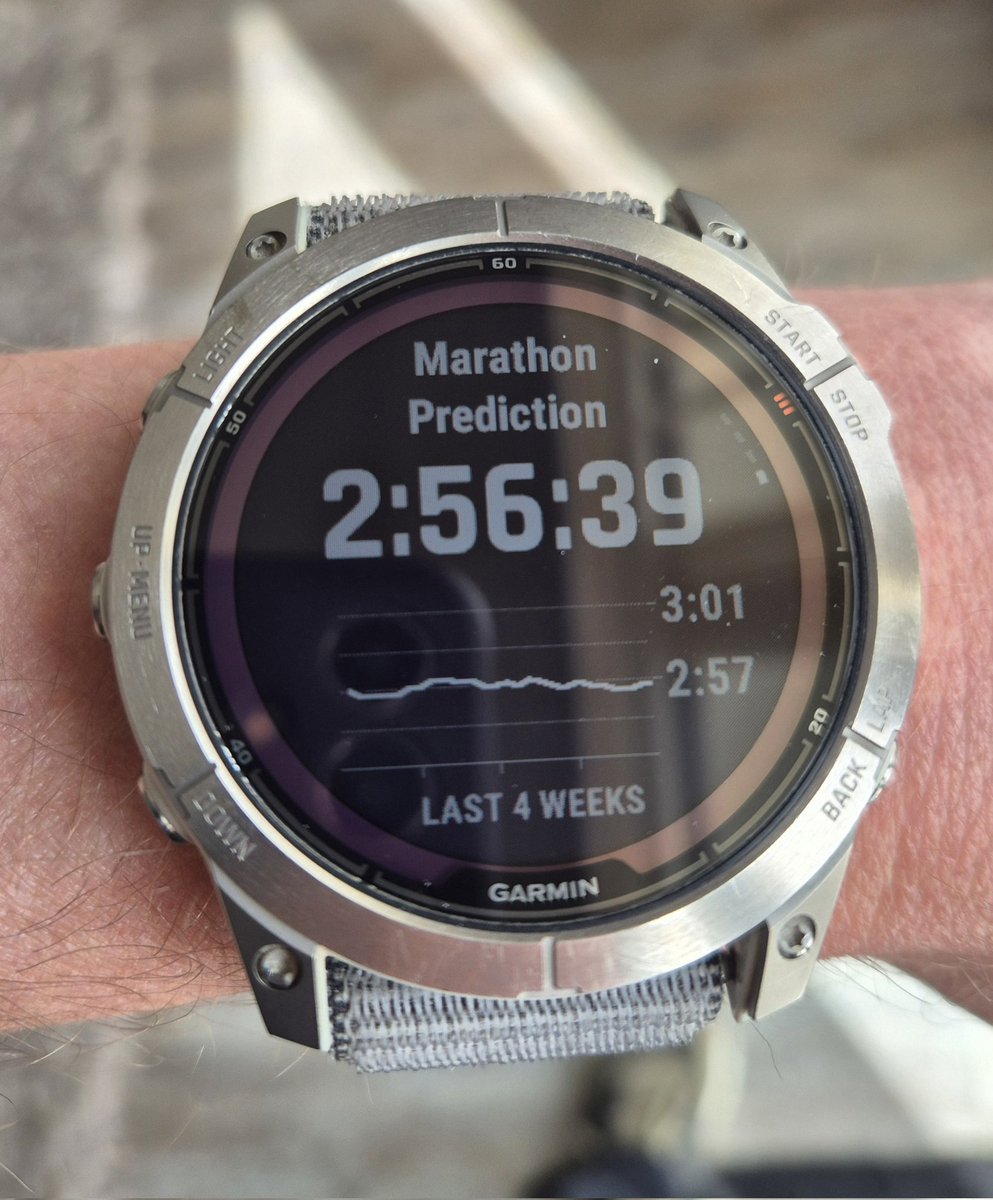
In 1 week, I'll be lining up @bostonmarathon . Last few weeks training hasn't been ideal with some lingering illness, so not hit the mileage I'd like. Managed a handful of the key sessions. I'm likely in pretty good , but not ideal shape. Let's see!
English
Kate 리트윗함
just absolutely ripping around the grocery store. yelling 'track' if anybody is going too slow for my liking. the manager doesn't have enough of a kick to stop me
English