고정된 트윗
Amammerɛmma
343 posts

Amammerɛmma
@akanspace
Akan History, Culture and traditons. Akan Abakɔsɛm, Amammerɛ ne Amanɛe.
Nsɔkɔ 가입일 Ocak 2025
60 팔로잉1.1K 팔로워
Amammerɛmma 리트윗함

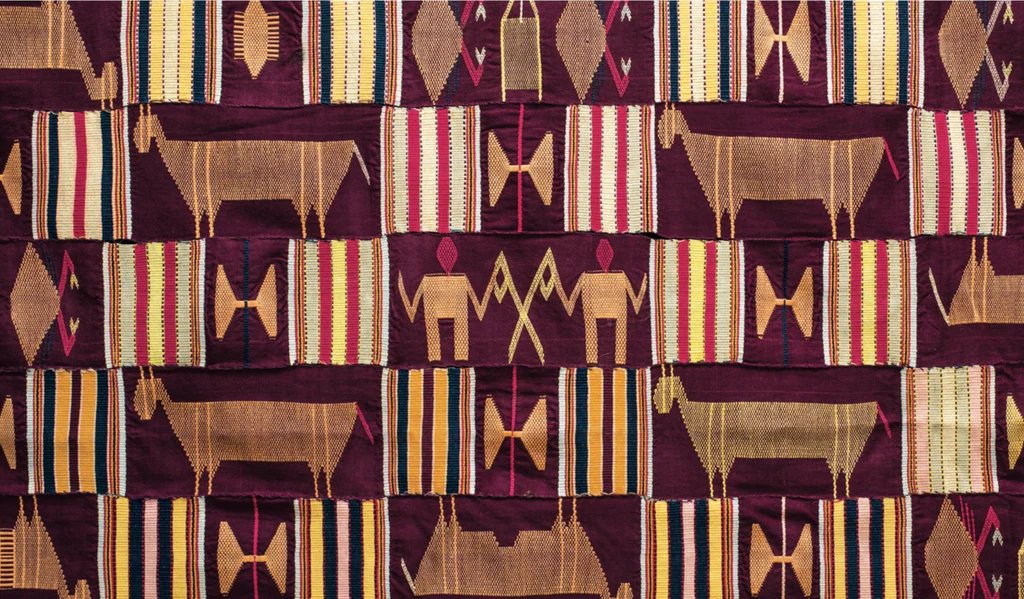
As Africans, we should recognize that our history is non-linear and often doesn't have just one story or origin. At the same time all of these innovations were being made in the Akan region, Eʋe peoples were also creating their own textile tradition independently. The Eʋe textile tradition pulled from different artistic inspirations and often prioritized artistic dexterity that resulted in complex weaves that depicted people, plants, animals and objects. This stands in contrast to Akan textile traditions that prioritized abstract symbology and representations of hierarchical power.
We should be able to recognize the value of both of our artistic styles as well as their history and origin without seeking to invalidate other histories.


English
Amammerɛmma 리트윗함

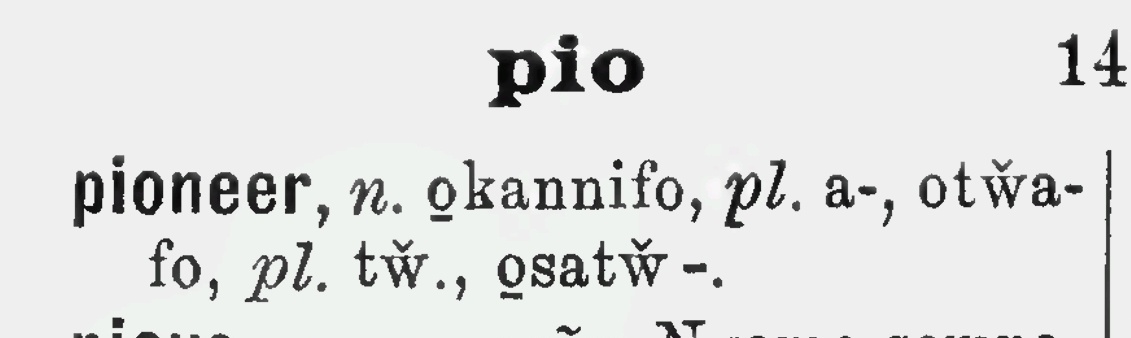
@Fran_ADK "Pioneer" and "first people" are analogous phrases. "Refined person" goes back to how I mentioned Akan carries the connotation of someone who has been trained in the ways of the culture.
English

@akanspace Not sure this is case. There is another definition for okanniba as a pioneer, patriot or a refined person. Akanniba, an Akan child is not the same as ɔkanniba or ɔkannifoɔ.


English

Firstborn in the Akan language is Piesie/Peɛseɛ or Abakan, the word Akan itself meaning the first or earliest people (both sharing the root -kan, meaning first)
Okanniba means the child of the Akan but it also connotes someone who has been brought up in Akan custom and thusly knows right from wrong in the Akan tradition.
It is said that when the personal morals of an Akan are brought into question, he or she may exclaim
"Me ye Okanni!"
-
"I am an Akan!"
This, In the words of D. Kiyaga-Mulindwa, meaning
"I am a native of this place, knowing all the morals and values of my people, and therefore not one to be suspected of un-becoming behaviour."
What the proverb is saying is that disgrace is not befitting of someone who has been raised to know the laws of the land, and the proper conduct of their culture.
NYS🇬🇭🇧🇯@_mioamour
The proverb is actually “animguaseɛ nfata ‘kanii ba’.” (First born child) Not “Akan”
English
Amammerɛmma 리트윗함

This is incorrect. The correct expression is Akanni ba (“child of an Akan”), not Kanni ba (“firstborn child”). In the context of the proverb, Akanni refers to an Akan person, not a literal translation of “firstborn child.”
NYS🇬🇭🇧🇯@_mioamour
The proverb is actually “animguaseɛ nfata ‘kanii ba’.” (First born child) Not “Akan”
English
Amammerɛmma 리트윗함
Amammerɛmma 리트윗함

I have a cousin who says "melekɔ" instead of "merekɔ". But I see why some Akan groups call Amoakare folks "Amoakade."
So people use the "r", "l" and "d" interchangeably. Interesting. Old researchers said some of our Kwahu Grannies said "Fiara" and not "Fiada"👇🤣.

Kyerɛkyerɛnyi™🇬🇭@eben_offen
For Twi speakers, the exchange of "l" & "r" is not a mistake. In Linguistics, they are known as "free variants". Their exchange does not result in a change of meaning so they are free to use them interchangeably. That's why they say: 1. awareɛ/awadeɛ/awaleɛ 2. yareɛ/yadeɛ/yaleɛ
English
Amammerɛmma 리트윗함

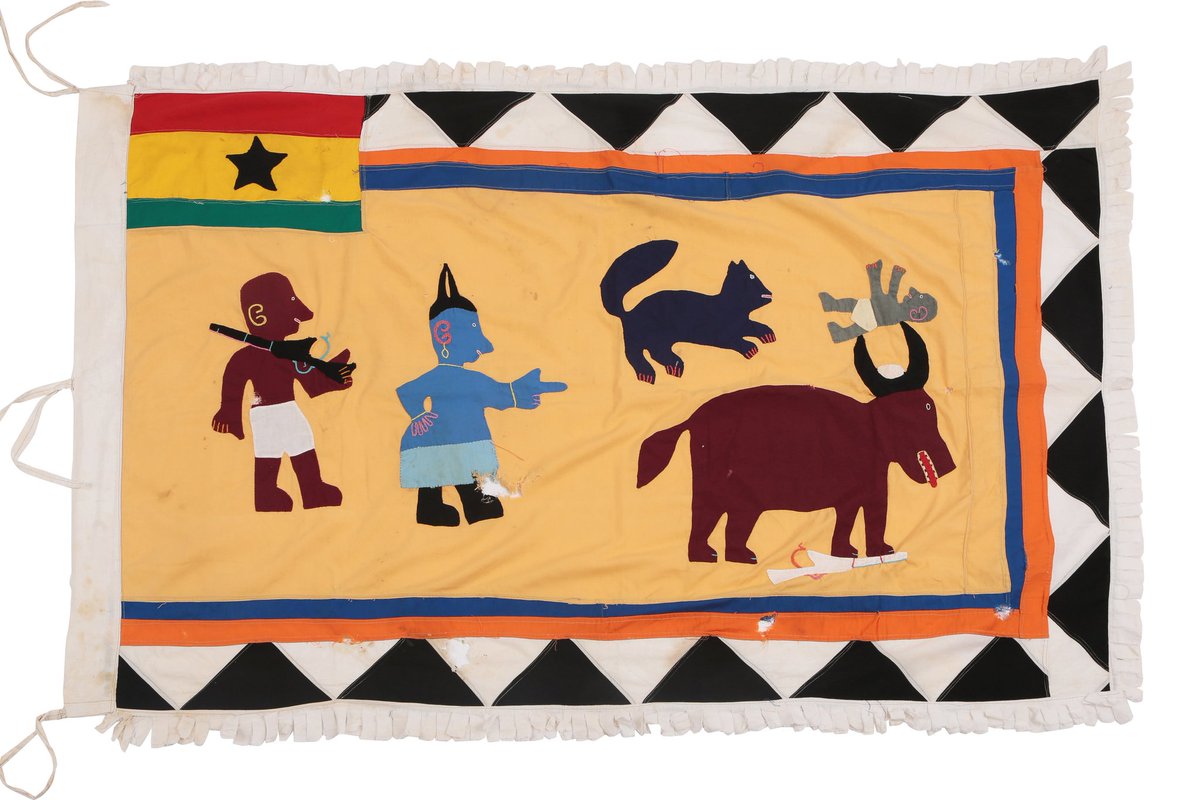
An Asafo frankaa, or flag, is an appliqué banner made for a Fante Asafo company, a local military & civic group. It represented the company & was carried at festivals, ceremonies, & other public events. For a more in-depth look, kindly follow @AsafoFlags!
English
Amammerɛmma 리트윗함
Amammerɛmma 리트윗함
Amammerɛmma 리트윗함
Amammerɛmma 리트윗함

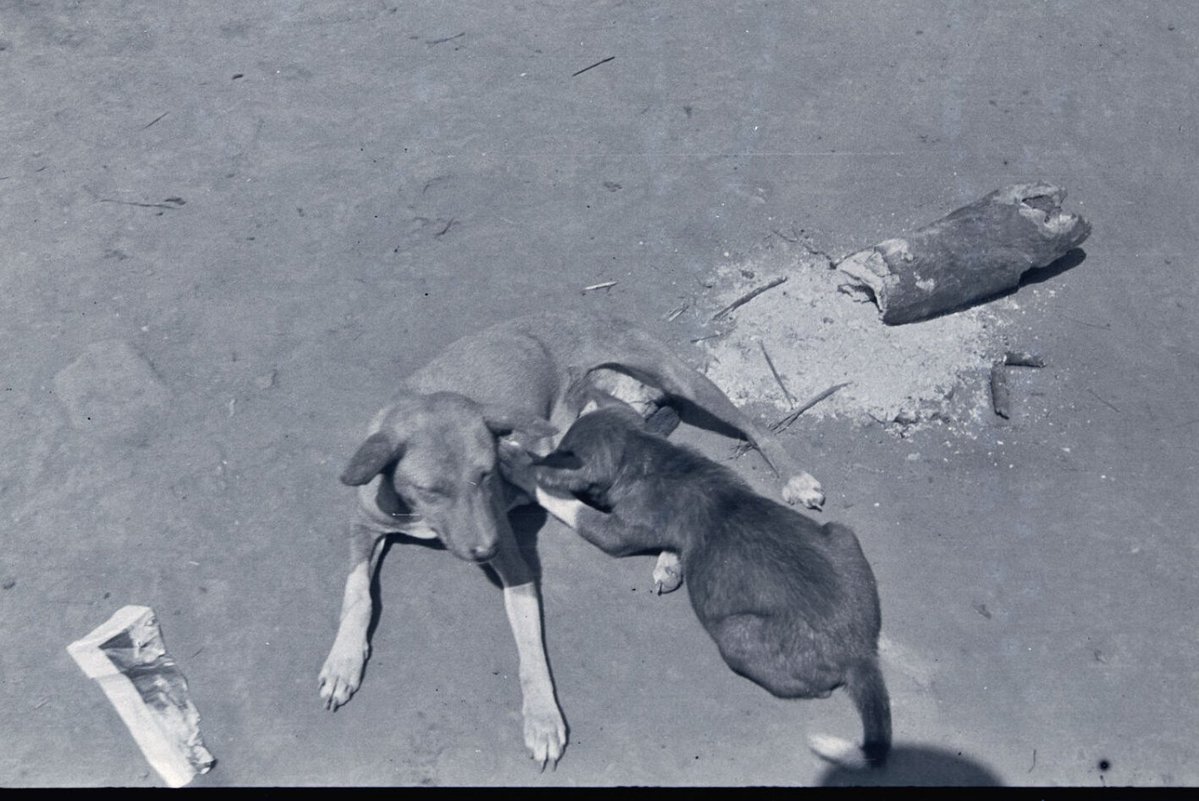
@xskvki West African village dogs, a close relative of the Basenji
English
Amammerɛmma 리트윗함

Made a video that highlights a bit of this.
Full video here;
youtu.be/31-RaSdISnU

YouTube
Amammerɛmma@akanspace
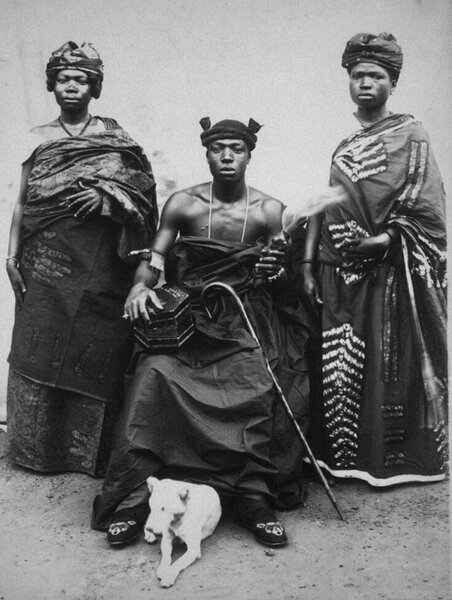
Dog naming in Akan: A tool for social communication A thread🪢:
English

@AkanArchives Further reading on nnyesoɔ/ nnyesoɔ din
Obeng, Samuel Gyasi. "˝In future if l buy a dog, l'll call it´Okyeman-is-ungrateful´." 1999
Gilbert, Michelle. “Disguising the Pain of Remembering in Akuapem.” 2010
Rattray, Robert Sutherland. "Religion and Art in Ashanti." 1959.
English

In summary dogs and other animals were given names that made reference to the corpus of proverbs that were understood among Akan peoples. This allowed a dog owner to attach a name to their dog that would carry a meaning that they wanted to send to a particular individual or their community at large. Dog naming was made into a tool for communicating ideas while removing the bluntness of confrontation or standing as a reminder of known ideals in the community and society.

English