Christian Marc Schmidt

1.2K posts

Christian Marc Schmidt banner
Christian Marc Schmidt

Christian Marc Schmidt

@cms_

Founding Partner @schemadesign. Exploring the edge of AI, spatial computing, & data. Formerly @pentagram, @ideo, @microsoft. Author of https://t.co/xwg1kshEIy

Seattle, WA 가입일 Mart 2009
1.7K 팔로잉789 팔로워
고정된 트윗
Christian Marc Schmidt
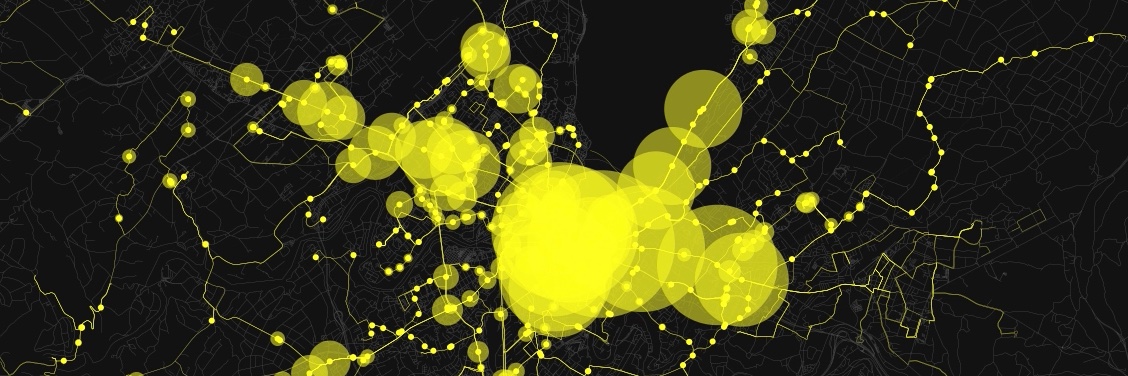
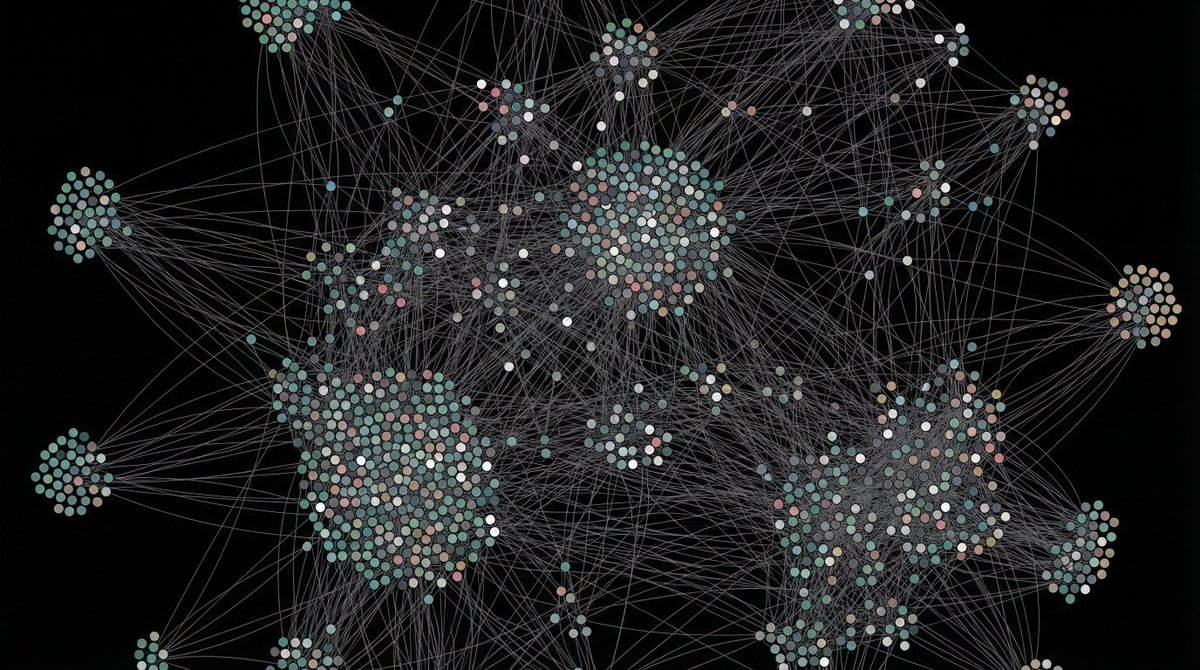
AI tools keep getting better. But every session starts from zero. Your agent doesn't remember what the client rejected, what your design principles are, or the research behind the strategy. You re-explain everything, every time.
Christian Marc Schmidt tweet media
English
1
0
1
110
Frank Chimero
Frank Chimero@frank_chimero·
Browsers have developer tools. They need designer tools, too. Would be cool if someone made a browser plugin to visually manipulate the DOM with familiar handles. Waiting for that a ha “Firebug” moment. Agentation from @benjitaylor is a great first approach at this.
English
12
3
64
7.8K
Christian Marc Schmidt
This is the workflow. I just ran this exact setup tonight and the unlock wasn't the model or Paper (both incredible). It was feeding Claude the meeting notes from this morning's design review. It picked up interaction patterns we discussed 6 hours ago and generated 8 wireframes that reflected actual project decisions, not generic UI. The missing piece for most teams is structured context.
English
0
0
3
726
Shu
Shu@shuding·
COBE v2 is here: markers, arcs, attach any HTML elements, Infinite ideas. cobe.vercel.app
English
53
161
2.3K
129.6K
Christian Marc Schmidt
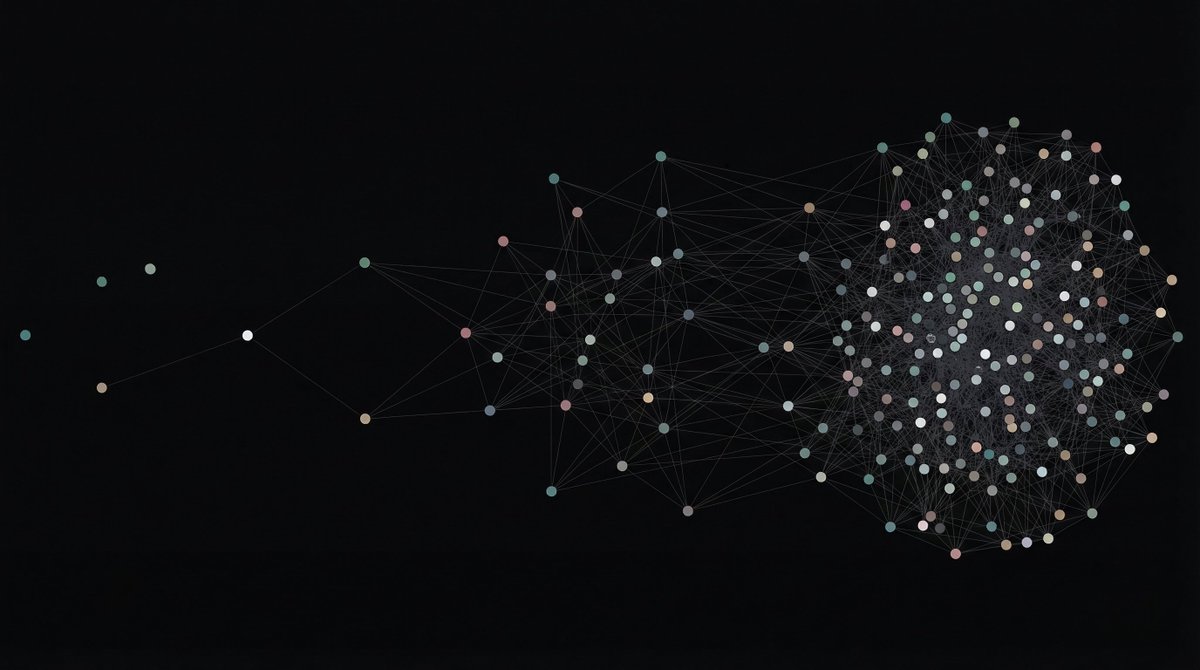
Every project your team ships makes the next one easier. Not because people remember, but because the knowledge graph does. The left side is month one. The right side is month twelve.
Christian Marc Schmidt tweet media
English
0
0
0
29
Christian Marc Schmidt
@kepano Knowing when not to reach for AI is itself a design decision. Rules for structure, models for intent. This is the right call.
English
0
0
0
50
kepano
kepano@kepano·
I have been working on Obsidian Reader for a over a year. I didn't want to share it until I felt it was good enough. It's finally there. Consistent formatting for any article. Outline, syntax highlighting, nice footnotes, adjustable typography. Runs locally. Just rules, no AI.
English
171
308
5.4K
308K
Christian Marc Schmidt
Design engineering skills for agents are a good start. The next step is the organizational layer underneath. Your component conventions, your naming patterns, your past decisions about when to use animation vs. static transitions. That context lives in the team, not the blog. The skill file becomes a lot more powerful when it can reference a structured history of what you've actually shipped. x.com/emilkowalski/s…
English
0
0
0
28
Christian Marc Schmidt
@jamesgaynor @nyk_builderz It's not. The core ideas hold (structured markdown, wikilinks, frontmatter as schema) but you need real entity validation, permissioned collections, and conflict resolution before it works across a team. That's the thing we're building now.
English
1
0
0
39
James
James@jamesgaynor·
@cms_ @nyk_builderz I'm actively thinking about this from a team perspective too. I'm not sure Obsidian is the right tool for an enterprise with even 50+ people. Is anyone tackling this at a larger scale?
English
1
0
1
46
Garry Tan
Garry Tan@garrytan·
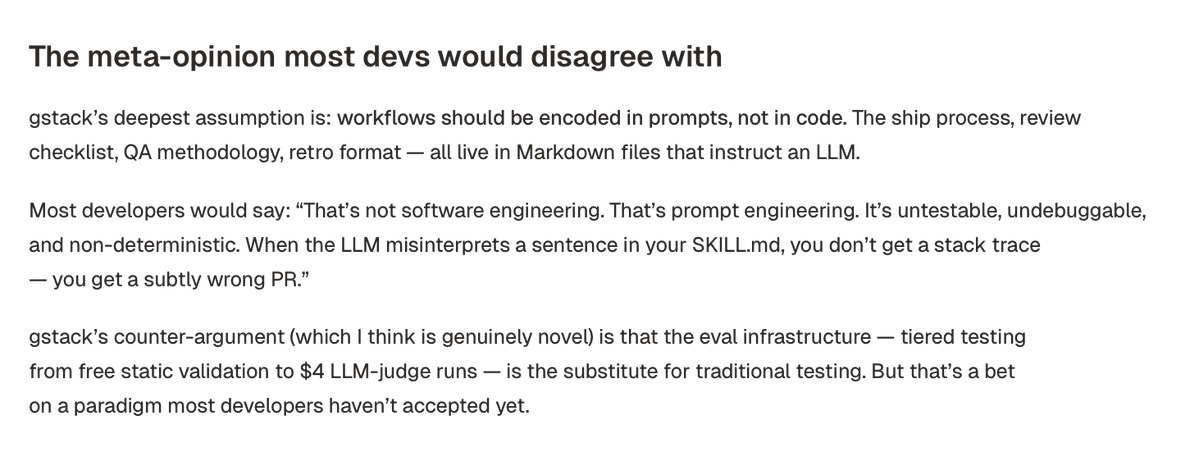
The thing I believe that few people believe but I think everyone will believe Markdown *is* code
Garry Tan tweet media
English
231
58
819
163.4K
Christian Marc Schmidt
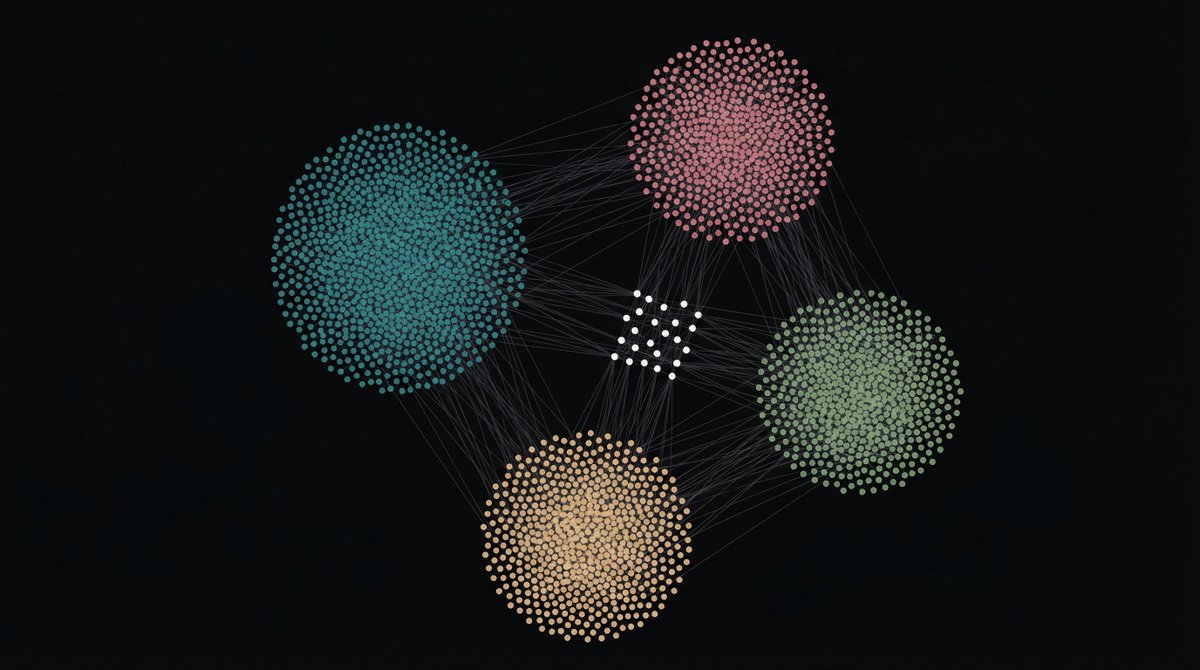
Most teams store what they know in documents. Meeting notes, project briefs, strategy decks. The AI searches them and returns chunks of text. It works, but the AI is doing retrieval, not reasoning. The shift is storing knowledge as typed entities with explicit relationships. A project links to its client, its team, its decisions, its research. An agent can traverse from a brief to the design principles that informed it to the client feedback that changed it. Documents give you search. A graph gives you understanding.
Christian Marc Schmidt tweet media
English
0
0
0
54
Christian Marc Schmidt
This is the coordination layer agents have been missing. Tried it this weekend. The next unlock is shared organizational memory with agents that know what the company knows, not just what they're told to do.
dotta@dotta

We just open-sourced Paperclip: the orchestration layer for zero-human companies It's everything you need to run an autonomous business: org charts, goal alignment, task ownership, budgets, agent templates Just run `npx paperclipai onboard` github.com/paperclipai/pa… More 👇

English
5
0
15
1.1K
Christian Marc Schmidt
@garrytan We run an entire design firm this way. All in markdown and using Git, from project history and client context to design principles and records of decisions made. The agents get smarter the more you add.
English
0
0
1
102
Christian Marc Schmidt
We went with markdown over a database. The graph is frontmatter + wikilinks, Git-backed. Probably won't scale to millions of records but for an org-sized knowledge graph it works because LLMs read it natively, no serialization needed. Semantic search also works better when the source is already natural language. Still early though. What are you exploring?
English
0
0
0
9
Christian Marc Schmidt
Give an AI your project files and it generates decent work. Give it a structured graph of your clients, projects, decisions, and team relationships, and it starts doing things you didn't ask for. It catches when your new scope contradicts what you told the same client last quarter. It pulls up a reference from a past project that nobody on the team thought to look for. The difference is memory.
Christian Marc Schmidt tweet media
English
0
0
1
64
Christian Marc Schmidt
Notion is doing interesting work here. The distinction for me is between giving AI access to documents and giving it a graph of typed entities with explicit relationships it can traverse. Both compound but differently. Documents give you retrieval, while a structured graph gives you reasoning across connections.
English
1
0
1
23
Christian Marc Schmidt
The problem is continuity. We've been running a structured knowledge graph to operate our design studio for the past year. Every project, decision, or deliverable feeds the same system. The agent starts from what the team already knows. That's when the work actually compounds.
English
0
0
0
22
Christian Marc Schmidt
AI tools keep getting better. But every session starts from zero. Your agent doesn't remember what the client rejected, what your design principles are, or the research behind the strategy. You re-explain everything, every time.
Christian Marc Schmidt tweet media
English
1
0
1
110
Christian Marc Schmidt
@nyk_builderz The graph is Git-backed, so version control handles the mechanics. The harder problem is semantic, for example two people describing the same concept differently without realizing it. That's where matching against existing entities before anything gets committed is key.
English
1
0
3
74
Nyk 🌱
Nyk 🌱@nyk_builderz·
@cms_ This is the exact problem we're working on. Single-user graphs compound beautifully. Multi-user graphs require conflict resolution and version-control layers. How are you handling write collisions when two designers touch the same concept?
English
1
0
1
511
Christian Marc Schmidt
Obsidian's real strength is that it provides a portable structure that AI can reason over: markdown, wikilinks, and YAML. This creates a graph, not just a collection of notes. The single-player problem is real, but the answer isn't going back to Notion. It's bringing that same structured graph to teams without losing what makes it work for agents.
English
1
0
2
66