고정된 트윗

Scott Haines, RCS, RDCS🫀
1.5K posts

@echogenics
Registered Cardiac Sonographer 🫀 | Member American Society of Echo | #ASE | #ARDMS |#CCI | #Echogenics | #EchoLab | #RCS | #RDCS




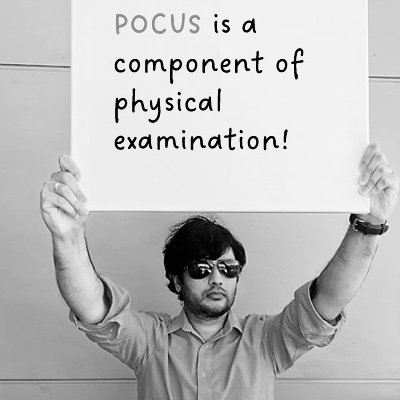
Congratulations to this weeks short clip challange winner Tanner Course! Q1: A 62-year-old man with a history of diabetes, cardiac amyloidosis, and early onset dementia presents with new-onset shortness of breath. You perform a POCUS exam in the PLAX view. What descriptors could be applied to the left ventricular myocardium? A1: Granular ; Echodense and Hypertrophic. All the above for the quiz pulmonarypocus.com/short-clip-exp…



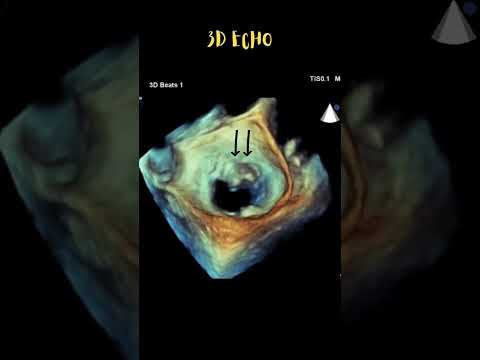
3D is an essential tool in echocardiography #echofirst 👉 Accurate LV volumes & function — beyond geometrical assumptions, minimizing foreshortening 👉 The only robust way to assess RV volumes & function without geometric limitations 👉 Key to understanding mechanisms of valvular regurgitation But here’s the catch: None of this works without mastering 2D first 👉 Reliable quantification starts with optimal 2D reference planes 👉 Full visualization of endocardial borders is non-negotiable 👉 Valve assessment always begins with precise 2D imaging 👉 #ALAMO Transthoracic echocardiography is the perfect training ground for 3D in valvular heart disease — every technique you refine here will elevate your TEE 3D performance The secret to great 3D? It’s hidden in your 2D skills 🎯 The better your 2D imaging → the better your 3D datasets → the more confident your clinical decisions