JΛYBHΞE💎

3K posts

JΛYBHΞE💎 banner
JΛYBHΞE💎

JΛYBHΞE💎

@iamjaybhee

something @iaeroprotocol

theblockchain 가입일 Haziran 2024
659 팔로잉1K 팔로워
고정된 트윗
JΛYBHΞE💎
JΛYBHΞE💎@iamjaybhee·
My wallet has been hacked and I just lost $3000 dollars! This could have been my story if i didn't take precautions before crediting my wallet on the 17th of October. I had just received some money in a new wallet I created a few days back and was about to split some of it into my main wallet which i normally use for most DeFI interactions. Never encountered an issue with it before. I already copied the wallet address and was about to send money in it when i thought to cross-check the wallet's safety. I sent 2 USDC as test to make sure my wallet wasn't compromised and lo' and behold, it got debited instantly. I was shocked by how fast it happened and I started laughing. Immediately, i dashed to basescan.org to scan my wallet and found that the funds was sent into this wallet 0x586a5d4d659d870e392caba1fe88229c9a27d20e. I did not have the luxury of time to dig deep because of my busy schedule so i postponed my investigation until today when i found that the wallet address is owned by this X user @bithibachar1. I paid attention and noticed the activity on the wallet looked very sketchy. It followed a pattern of quickly stacking up funds from different wallets and sending them out. How my wallet phrase got leaked is still a mystery to me as I don't even know this X user. All i was happy about was that i didn't send a large sum into that wallet, else this story would have been different. The attack felt bot-like, automated. And if it was, there's no amount of speed that could have saved me even if i tried to compete. Lesson? ➡️Always send bits into your destionation wallets to confirm if its safe ➡️Keep your phrases offline ➡️Never connect your storage wallet to any website ➡️Always remember to disconnect your connected wallets and revoke access using revoke.cash Best advice: get a cold wallet (like @safepal) and keep your crypto off the internet. Stay SAFU!
JΛYBHΞE💎 tweet media
English
9
6
18
1.9K
𝘼²
𝘼²@Asquare012·
Web3 did >>>> Got my first key today Send money for fuel ⛽ EVM: Eth: 0xb6cc90c09a3b9a1f313edb45c9c827835d03e4e0 Sol: Cj5okQpRSMv4dkCXmtHY94tgddrB4FrtAYnoRh5VLvQZ GTbank: 0245762698
𝘼² tweet media𝘼² tweet media
English
137
3
335
18.2K
JΛYBHΞE💎 리트윗함
iAero Protocol
iAero Protocol@iaeroProtocol·
Why @base needed @AerodromeFi , and why other chains evolved differently Every chain develops its own liquidity structure. But not all structures are equally efficient. Ethereum evolved organically. Liquidity spread across multiple DEXs like Uniswap and Curve. Each served a different purpose. Uniswap handled general trading. Curve dominated stablecoin liquidity. This created a multi-hub system. Efficient, but fragmented. Base followed a different path. Instead of multiple dominant DEXs, liquidity concentrated early. Aerodrome became the primary hub. This reduced fragmentation. It improved execution. And it simplified routing for traders and aggregators. Why did this happen? Timing and design. Base launched in a more mature DeFi environment. Lessons from previous ecosystems were already clear. Fragmentation slows growth. Concentration accelerates it. Aerodrome also introduced a strong incentive layer from the beginning. Through vote-directed emissions, liquidity could be actively coordinated. This made it easier for new protocols to bootstrap markets. On Ethereum, liquidity had to be attracted passively. On Base, it can be directed. This difference changes how ecosystems grow. Instead of relying purely on organic liquidity formation, Base uses structured incentives to accelerate it. And Aerodrome sits at the center of that system.
iAero Protocol tweet mediaiAero Protocol tweet media
English
0
1
1
47
JΛYBHΞE💎 리트윗함
iAero Protocol
iAero Protocol@iaeroProtocol·
The difference between short-term yield and sustainable yield High yield is easy to create. Sustainable yield is not. Many DeFi protocols can attract liquidity quickly. They increase emissions. Offer incentives. Drive short-term participation. But when incentives drop, liquidity leaves. This is short-term yield. It depends on continuous external input. Sustainable yield works differently. It is supported by real activity. Trading fees. Borrowing demand. Ecosystem usage. In ve-token systems, sustainability improves because incentives are not static. They are directed. Participants choose where emissions go. Protocols compete to justify those emissions. This creates a feedback loop. Liquidity flows toward pools that generate value. Value supports continued participation. Over time, the system becomes more selective. Not all pools survive. Only those that maintain activity and relevance. This is the transition from incentive-driven growth to usage-driven growth. And it is one of the most important shifts in DeFi design.
English
0
1
2
41
JΛYBHΞE💎 리트윗함
iAero Protocol
iAero Protocol@iaeroProtocol·
The relationship between @iaeroProtocol and @AerodromeFi , explained simply At a high level, Aerodrome is a liquidity and incentive system. It handles trading. It distributes emissions. It allows participants to vote on where incentives go. But interacting with that system directly requires effort. Users need to lock tokens. Vote regularly. Manage rewards. Optimize positions. For many, this becomes complex. iAero sits on top of this system. It simplifies interaction. Instead of each user managing their own strategy, the protocol aggregates participation. Users deposit AERO. iAero handles the underlying mechanics. Locking. Voting. Reward optimization. In return, users receive a liquid token. This token represents their position in the system. The benefit is twofold. First, accessibility. Users can participate without understanding every detail of the underlying mechanics. Second, efficiency. Coordinated strategies often outperform fragmented ones. This creates a layered system. Aerodrome provides the base infrastructure. iAero improves how users interact with it. Together, they form a more complete financial stack. One handles the market. The other optimizes participation within it.
English
0
1
3
53
JΛYBHΞE💎
JΛYBHΞE💎@iamjaybhee·
my homie selling discord tickets to newbies?😂😭😭 bruh
English
0
1
3
39
JΛYBHΞE💎
JΛYBHΞE💎@iamjaybhee·
what every locker on @AerodromeFi needs here iaero.finance
iAero Protocol@iaeroProtocol

Why liquidity and commitment are difficult to balance in DeFi DeFi protocols constantly face the same design challenge. How do you encourage long-term commitment while maintaining liquid markets? If incentives are too short term, liquidity becomes unstable. Participants move quickly from one opportunity to another. This leads to volatile liquidity and unpredictable market conditions. On the other hand, if protocols require long lockups, participation drops. Users hesitate to commit capital when it becomes inaccessible for extended periods. Both extremes create problems. Short-term liquidity is unstable. Long-term lockups reduce market flexibility. The ve-token model attempted to solve this by rewarding long-term commitment with governance power and emissions. But the model still required users to lock their tokens. Liquid staking systems represent another layer of design. Instead of forcing users to make a permanent choice between liquidity and rewards, protocols can abstract the locking mechanism. Users deposit tokens. The protocol manages the locked position. In return, users receive a liquid token representing their stake. This token can move freely while the underlying capital remains committed to the protocol. The advantage is clear. Commitment remains intact, but liquidity is preserved. This type of design improves capital efficiency across the ecosystem. It allows the same capital to participate in multiple economic activities while still supporting the core incentive structure of the protocol.

English
0
1
3
76
JΛYBHΞE💎 리트윗함
iAero Protocol
iAero Protocol@iaeroProtocol·
Why most Base tokens depend on Aerodrome If you launch a token on Base, there’s one immediate question: Where does your liquidity go? In practice, the answer is almost always the same. Aerodrome. This isn’t just preference. It’s structural. Most tokens on Base rely on @AerodromeFi because it acts as the chain’s primary liquidity layer. Without deep liquidity, a token cannot function properly. Price discovery becomes unstable. Slippage increases. Large trades move the market too easily. This makes the token unattractive to both traders and larger participants. Aerodrome solves this by concentrating liquidity in one place. Instead of liquidity being fragmented across multiple DEXs, it is aggregated into a single system. That concentration creates better execution for traders and more fees for liquidity providers. But there’s a second layer to this. Liquidity on Aerodrome is not passive. It is directed. Through the veAERO model, emissions are allocated based on voting. This means liquidity doesn’t just exist. It is competed for. If a project wants deeper liquidity, it has to attract votes. That can happen in a few ways. Holding voting power. Incentivizing voters. Or participating in the broader ecosystem. This turns liquidity into an ongoing strategy rather than a one-time setup. For new tokens, this creates a dependency. Launching a pool is not enough. Sustaining liquidity requires continuous alignment with the system that controls emissions. Without that, liquidity fades. With it, liquidity can scale. There is also a network effect at play. Traders go where liquidity is deepest. Protocols integrate where liquidity is most reliable. Aggregators route trades through the most efficient paths. Over time, this reinforces Aerodrome’s position. Even if alternative DEXs exist, they struggle to match the depth and activity. For most Base tokens, integrating with Aerodrome is not optional. It is the default path to relevance. This is how a DEX evolves into infrastructure. Not just a place to trade, but a system that other protocols depend on to function.
English
2
3
4
75
JΛYBHΞE💎 리트윗함
iAero Protocol
iAero Protocol@iaeroProtocol·
Why Aerodrome became the dominant DEX on Base Every chain eventually converges to one main liquidity hub. On Ethereum, it was @Uniswap and @CurveFinance . On @solana , it became @orca_so and @Raydium . On @base , that role is clearly @AerodromeFi . This didn’t happen by chance. It was the result of a few structural advantages. First, liquidity concentration. Aerodrome holds a majority share of liquidity on Base, with estimates ranging from over 60% to as high as 70% of the chain’s total DEX liquidity. That level of dominance creates a simple feedback loop. More liquidity leads to better execution. Better execution attracts more traders. More traders generate more fees. More fees attract more liquidity. At some point, this loop becomes very difficult to break. Second, its tokenomics design. Aerodrome uses a vote-escrow model where users lock $AERO to receive voting power. This voting power directs emissions toward specific pools. Protocols don’t just provide liquidity. They compete for it. They acquire voting power, offer incentives, and actively participate in directing emissions. This transforms liquidity from something passive into something strategic. Third, the emergence of a bribe market. Once voting power controls emissions, it becomes valuable. Protocols are willing to pay to attract liquidity to their pools. This creates an additional layer of incentives on top of trading fees and token rewards. The result is deeper and more sustainable liquidity. Fourth, deep integration with the Base ecosystem. Aerodrome is not just a DEX on Base. It functions as the default liquidity layer. New projects launch their pools there. Existing protocols rely on it for price discovery and liquidity routing. Over time, this creates strong path dependence. If you are building on Base, you are indirectly building on Aerodrome. Fifth, distribution. Integration with @coinbase and the broader Base ecosystem lowered the barrier to entry for users. Instead of requiring complex onboarding, users can access liquidity more directly. This expands the user base beyond typical DeFi participants. Finally, product execution. Features like concentrated liquidity and improved liquidity management increased capital efficiency. This allows liquidity providers to earn more with less idle capital. When you combine all of these factors, the outcome is predictable. Aerodrome becomes more than just an exchange. It becomes infrastructure. And once a protocol reaches that point, it is no longer competing on features alone. It is competing on network effects. That is much harder to displace.
English
1
1
4
76
JΛYBHΞE💎 리트윗함
iAero Protocol
iAero Protocol@iaeroProtocol·
The hidden inefficiency in gauge voting systems Gauge voting systems are one of the most interesting mechanisms introduced in DeFi. They allow token holders to decide how incentives are distributed across liquidity pools. In theory, this creates a market-driven allocation of emissions. Pools that attract more votes receive more rewards. But in practice, there are several inefficiencies. The first is participation. Many token holders simply do not vote regularly. Voting often requires manual interaction every epoch. Missing a few voting cycles can significantly reduce rewards. The second inefficiency is coordination. Individual voters rarely have enough information to consistently choose the most optimal pools. Without aggregated strategy, voting decisions become fragmented. This leads to emissions being distributed in ways that may not maximize ecosystem efficiency. The third inefficiency is time. Managing these systems requires continuous monitoring. Rewards need to be claimed. Votes need to be updated. Strategies need to adapt as market conditions change. For many users, this level of involvement is unrealistic. Automation layers attempt to address these problems. Instead of relying on thousands of individuals to manage their voting positions manually, protocols can coordinate these actions more efficiently. Users deposit their assets into the system. The protocol manages the operational tasks such as voting and reward handling. This approach does not change the underlying incentive design. What it changes is how efficiently the system operates. As more DeFi ecosystems adopt gauge voting models, infrastructure that improves participation and coordination will likely become an essential component of the ecosystem.
English
3
1
4
91
JΛYBHΞE💎 리트윗함
iAero Protocol
iAero Protocol@iaeroProtocol·
Why ve-token systems changed DeFi incentive design Before ve-token models became popular, most liquidity mining programs worked the same way. Protocols emitted tokens to LPs. Liquidity providers farmed rewards. Once rewards dropped, liquidity disappeared. This created short-term capital that moved wherever incentives were highest. The ve-token model introduced a different approach. Instead of rewarding only liquidity providers, it rewarded participants who were willing to commit to the protocol long term. Users could lock tokens to gain voting power. That voting power could then decide where emissions should go. Liquidity incentives became something the community could influence rather than something the protocol dictated. But the design introduced a new problem. Locking tokens meant losing liquidity. For some users this was acceptable, especially those deeply committed to the ecosystem. For others it created friction. Capital that could otherwise be productive remained locked for extended periods. This is where liquid staking layers began to emerge. Rather than forcing users to choose between yield and liquidity, these systems separate the two. A user deposits tokens into the protocol. The protocol manages the locking and voting mechanics. In return, the user receives a liquid representation of their position. This token can move freely while the underlying capital continues to participate in the reward system. The result is a more flexible market for governance power and emissions. Instead of static locked positions, voting power becomes part of a more dynamic financial system. Protocols like iAero are part of this evolution. They focus on improving capital efficiency within ve-token ecosystems while preserving the incentive alignment that made these systems effective in the first place. As DeFi continues to mature, we will likely see more infrastructure built around optimizing these governance-driven models rather than replacing them entirely.
English
2
3
7
161
JΛYBHΞE💎
JΛYBHΞE💎@iamjaybhee·
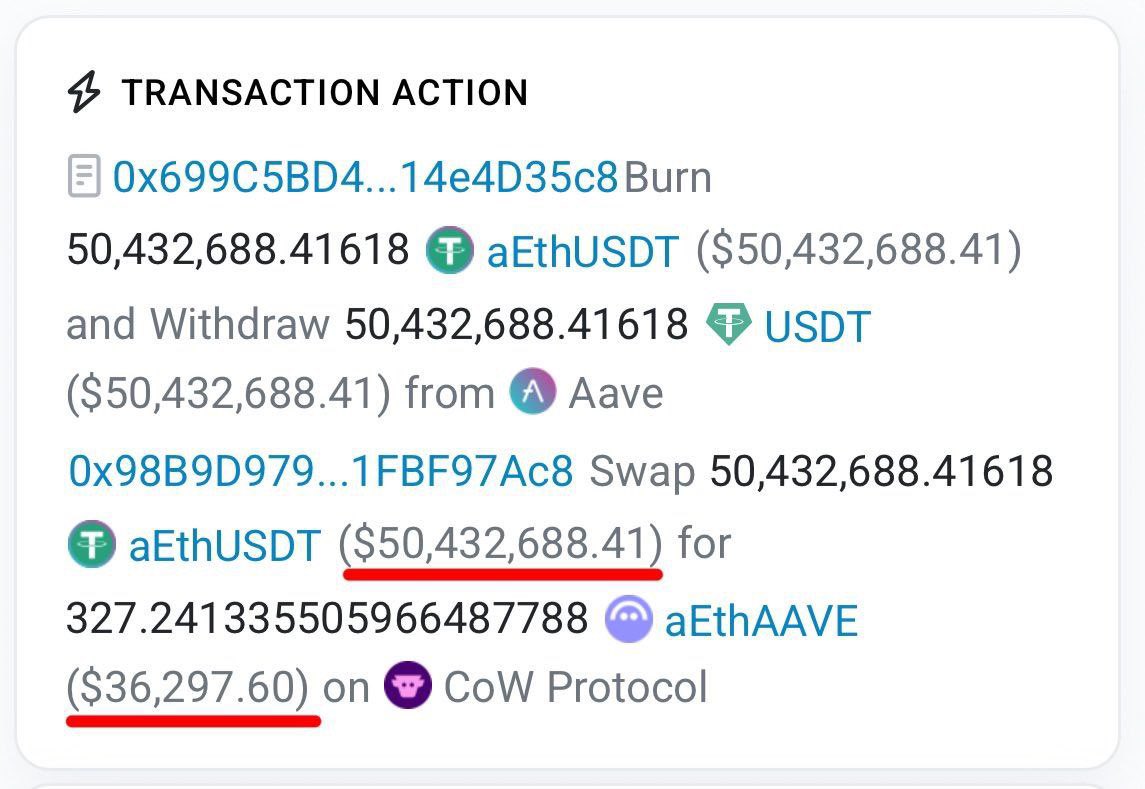
$50M , a mobile wallet and a dream!
JΛYBHΞE💎 tweet media
English
0
0
3
28
JΛYBHΞE💎
JΛYBHΞE💎@iamjaybhee·
resilience and determination beats a perfect résumé
JΛYBHΞE💎 tweet media
Français
0
0
6
29
JΛYBHΞE💎
JΛYBHΞE💎@iamjaybhee·
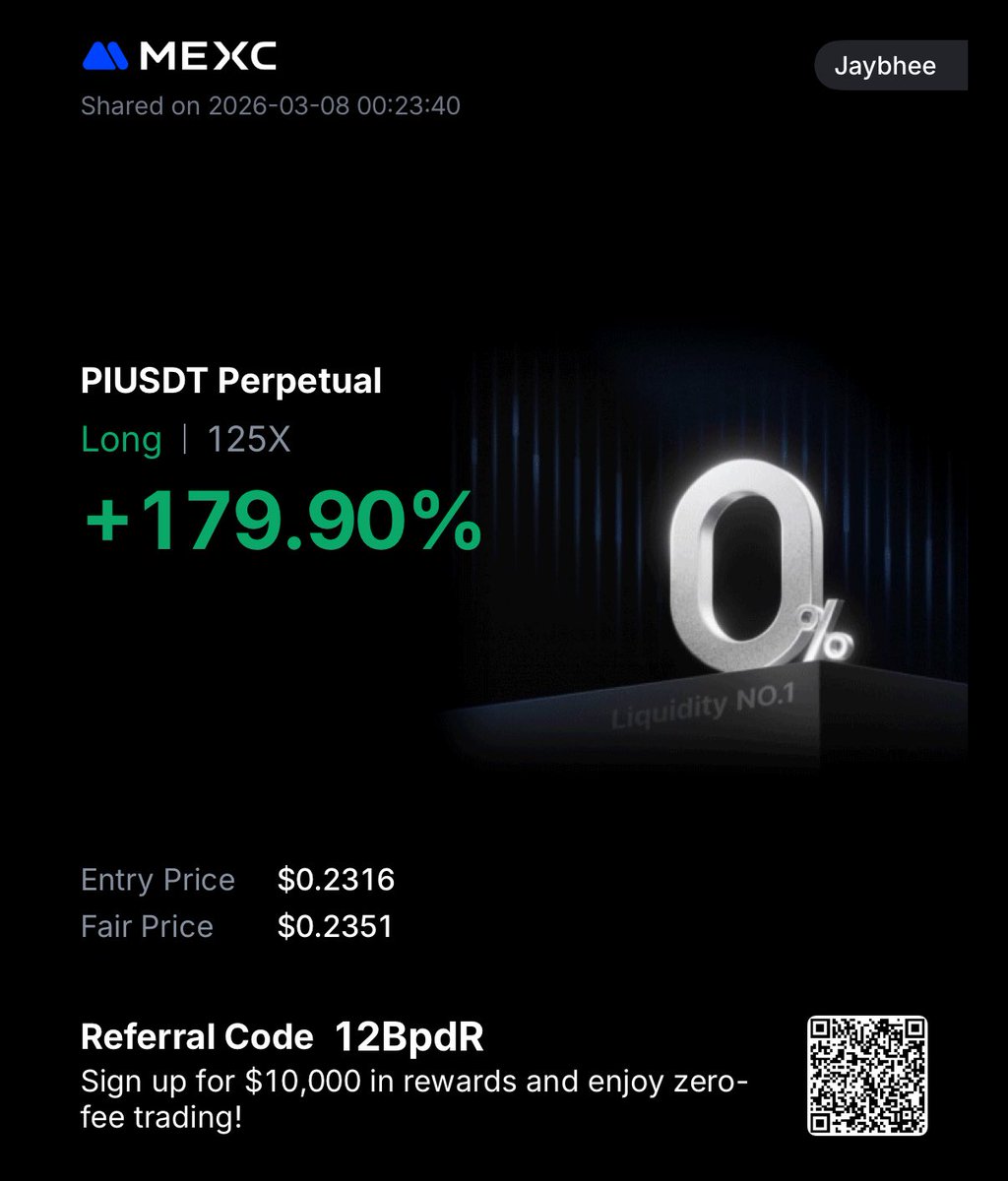
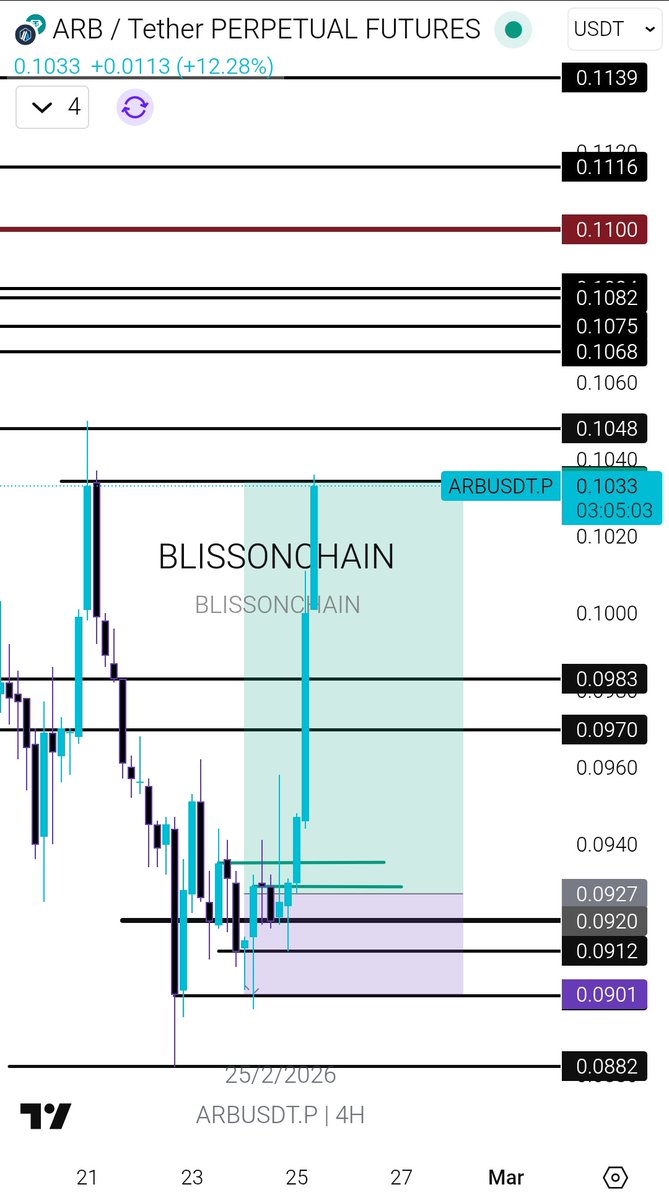
don’t leverage it’s bad it’s a very risky gamble $Pi holding strong though
JΛYBHΞE💎 tweet media
English
0
1
2
57
nickk.base.eth
nickk.base.eth@nickcryptopro·
if you’re bullish, welcome. if you’re bearish, watch us. either way kickoff on @base.
English
35
5
108
3.4K
JΛYBHΞE💎
JΛYBHΞE💎@iamjaybhee·
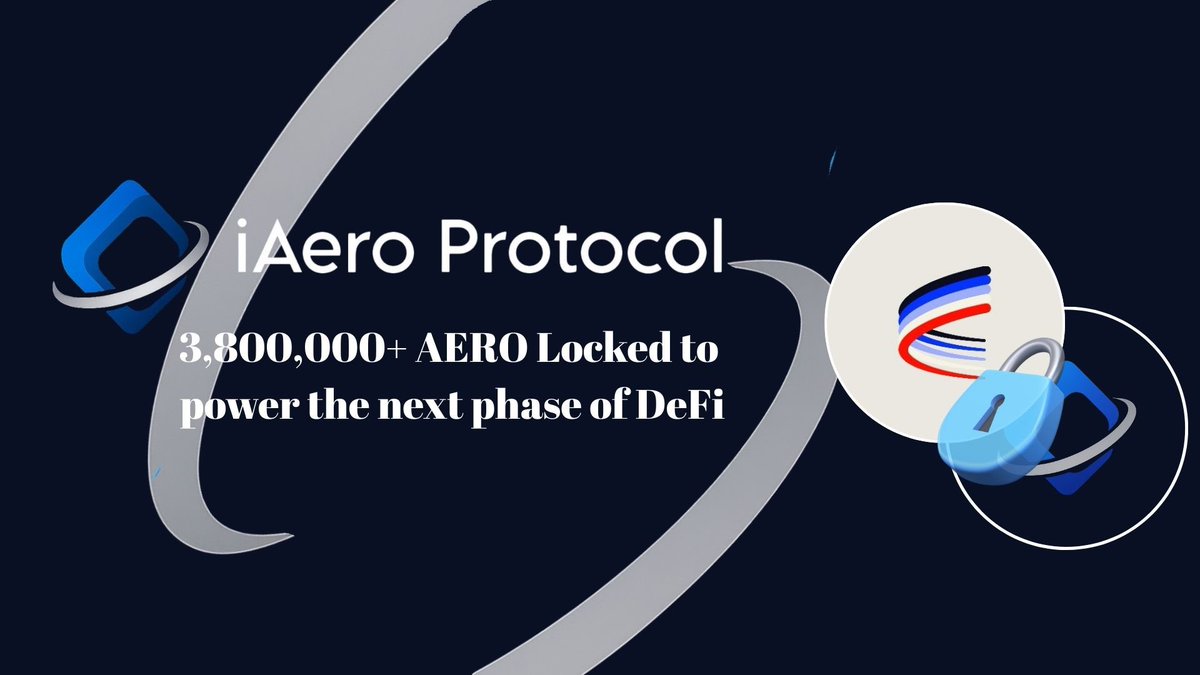
Most people know @AerodromeFi for its powerful veAERO model. Lock AERO. Earn fees. Control emissions. Simple. Effective. Capital intensive. That’s where iAero Protocol comes in. iAero Protocol is a liquid layer built on top of Aerodrome that unlocks veAERO yield without forcing users into rigid long-term lockups. It keeps the yield mechanics. Improves the flexibility. And makes participation more accessible. Well…, Is @iaeroProtocol an upgrade to Aerodrome? Short answer: yes, but not a replacement. Aerodrome is the liquidity engine of Base. veAERO rewards are powerful, but they require long lockups. That model works. But it limits flexibility. iAero Protocol builds on top of that. You deposit AERO or veAERO Receive liquid iAERO Still earn Aerodrome yield No rigid lock constraints Same underlying engine. Better capital efficiency. It lowers the barrier to veAERO yield Makes positions liquid and composable Opens access to smaller holders So no, it does not replace Aerodrome. It enhances it. Aerodrome is the base layer. iAero is the optimization layer. That is what real DeFi evolution looks like.
JΛYBHΞE💎 tweet media
English
2
1
10
527
JΛYBHΞE💎 리트윗함
iAero Protocol
iAero Protocol@iaeroProtocol·
@AerodromeFi 's veAERO model but liquid and on autopilot
iAero Protocol tweet media
Català
2
3
8
133