Imam of Masjid al-Masih Isa(Jesus) in Korea

13.1K posts

Imam of Masjid al-Masih Isa(Jesus) in Korea banner
Imam of Masjid al-Masih Isa(Jesus) in Korea

Imam of Masjid al-Masih Isa(Jesus) in Korea

@koreanimam

Support Korean Islamic Broadcasting System on PayPal https://t.co/DZEmvChPTY or Patreon https://t.co/IYbSycoSUq WhatsApp: +821080019902

Republic of Korea 가입일 Aralık 2012
10 팔로잉15.8K 팔로워
고정된 트윗
Imam of Masjid al-Masih Isa(Jesus) in Korea
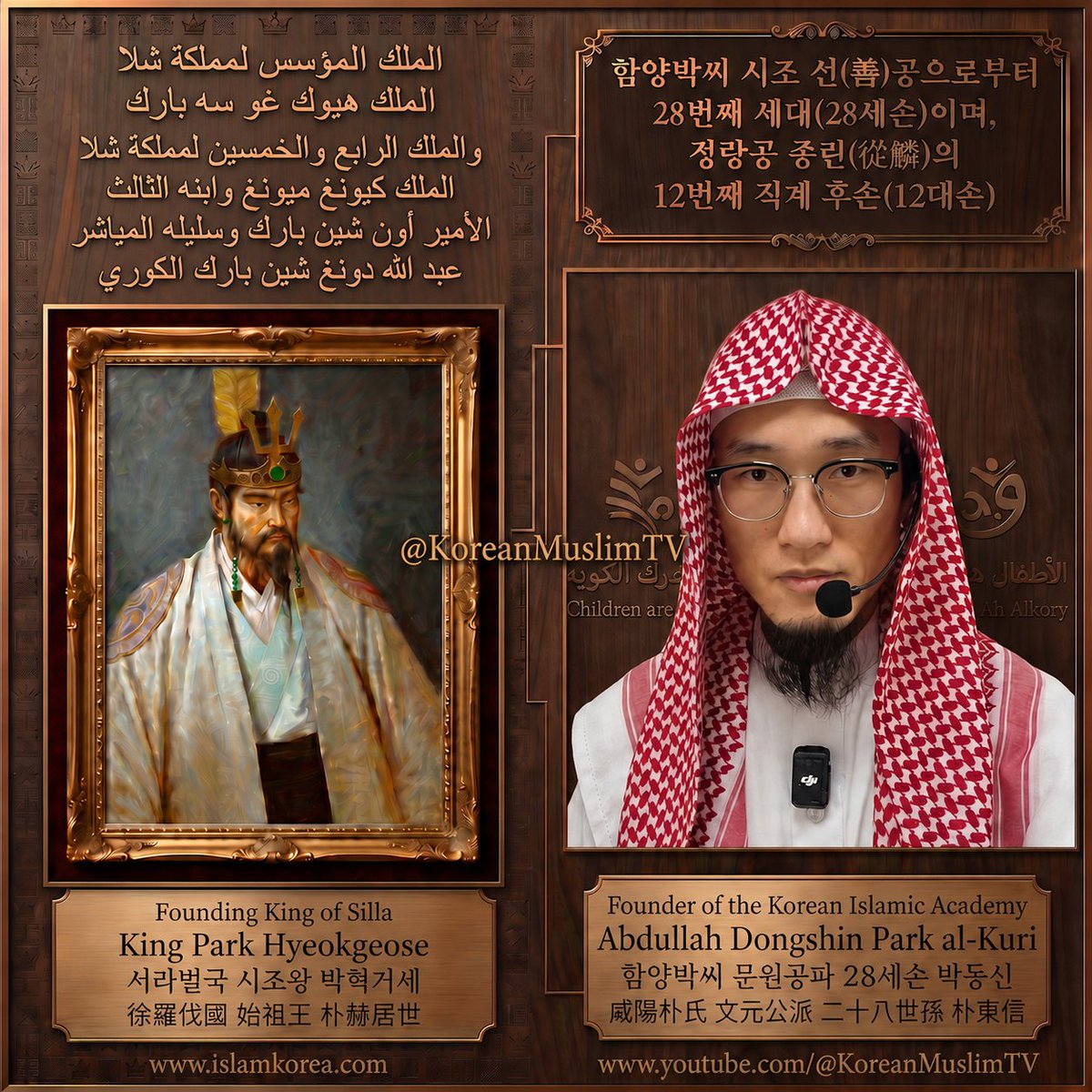
Some people claim that I am not truly Korean, but a Korean of Malaysian descent. They say that Islam can never take root in Korea, and that “native Koreans” will never accept Islam. I am currently staying in Malaysia and studying Islam. I love Malaysia, and I respect the Malaysian people. I have seen many good things from Malaysian Muslims, and I greatly appreciate their kindness and faith. However, I want to make this clear. I am not a Korean of Malaysian descent. The name I use in Korea is Park Dong-shin, and the name I use internationally is Abdullah Park al-Kuri. I am a Korean citizen. I was born in the Republic of Korea in 1986, and I grew up in a Christian family in Korea. However, in 2009, I left Christianity and accepted Islam. I did not accept Islam because I am a foreigner. I did not accept Islam because I am Malaysian, nor because I am Arab. As a Korean, I searched for the truth, studied, reflected, and became Muslim because I became convinced that Islam is the true religion sent by God. If you still cannot believe me, then I will reveal my family lineage. My family belongs to the Jeongnanggong branch of the Munwongong branch of the Hamyang Park clan, which is known as one of the noble clans of ancient Korea. I am the 28th-generation descendant of the clan ancestor Seon, and the 12th-generation descendant of Jeongnanggong Jong-rin. According to our family records, the Hamyang Park clan originated from the line of Park Eon-sin, also known as Sokham Daegun, the third son of King Gyeongmyeong of Silla. King Gyeongmyeong granted his third son, Park Eon-sin, the title of Sokham Daegun, and Sokham later came to be known as Hamyang. His descendants then took Hamyang as their clan seat and lived on Korean land generation after generation. If calculated from the time of Park Hyeokgeose, the founder of Silla, the roots of my surname and family go back approximately 2,080 years. Even after Park Seon, who is honored as the central ancestor of the Hamyang Park clan, my family continued through the Goryeo and Joseon periods, producing many officials and scholars throughout Korean history. Therefore, I can say clearly: I am a native Korean. This land is the land of my ancestors. As a Korean born on this land, I have the right to be respected for the faith I have chosen. There is nothing strange about a Korean accepting Islam. It is not impossible for a Korean to become Muslim. Even a person from a deeply rooted Korean family can accept Islam. I will spread Islam in Korea. And if God permits, I hope that my descendants will also follow after me, study Islam, become scholars of Islam, and spread the pure faith of worshiping God alone on Korean land. As proof that I am a Korean rooted in Korean land, I reveal my family lineage. I also reveal the names of my direct ancestors recorded in my family genealogy. Anyone can verify the history of the Hamyang Park clan and its figures through clan records and surname materials. Also, according to our family records, my ancestors lived on Korean land throughout the history of Silla, Goryeo, and Joseon, serving the people by holding official positions generation after generation without interruption until Japan’s imperial aggression against Joseon. Below is the direct lineage recorded in my family genealogy. The direct lineage of Park Dong-shin: 1st generation: Seon 선(善) – 2nd generation: In-jeong 인정(仁挺) – 3rd generation: Sin-cheong 신청(信淸) – 4th generation: Yun-jeong 윤정(允禎) – 5th generation: Sin-yu 신유(臣유), Chungjilgong 충질공(忠質公) – 6th generation: Ji-bin 지빈(之彬), Munwongong branch 문원공파, second branch 2파 – 7th generation: Jang 장(莊) – 8th generation: Chung-jwa 충좌(忠佐), Chiamgong branch 치암공파, Munjegong branch 문제공파, Teacher Chiam 치암선생 – 9th generation: Jeon 전(琠), Hamyanggun branch 함양군파 – 10th generation: Mun-jae 문재(文재), Jimiljikgong branch 지밀직공파 – 11th generation: Won-taek 원택(元擇), Buyungong branch 부윤공파 – 12th generation: Gyu 규(規), Panseogong branch 판서공파 – 13th generation: I-gyeong 이경(而敬) – 14th generation: So-jong 소종(紹宗), Sajikgong branch 사직공파 – 15th generation: Nul 눌(訥) – 16th generation: Jong-rin 종린(從鱗), Jeongnanggong branch 정랑공파, settlement ancestor 입향조 – 17th generation: Sun 순(荀), Jwaranggong 좌랑공 – 18th generation: Su-geom 수검(守儉) – 19th generation: Min 민(玟) – 20th generation: Jae-hwa 재화(再華) – 21st generation: Se-gwi 세귀(世貴) – 22nd generation: Gyeong-bo 경보(慶甫) – 23rd generation: Yong-seo 용서(龍瑞) – 24th generation: Myeong-deok 명덕(命德), great-great-grandfather – 25th generation: Jae-yun 재윤(載奫), great-grandfather – 26th generation: Yun-seok 윤석(潤錫), grandfather – 27th generation: Heung-sun 흥순(興淳), father – 28th generation: Dong-shin 동신(東信) This is my root. So if anyone says to me, “You are not truly Korean,” “You are only a Korean of Malaysian descent,” or “native Koreans do not accept Islam,” I will answer: No. I am Korean. I am a Korean born from a deeply rooted family in Korean history. And I am a Korean Muslim who left Christianity and chose Islam. A Korean like me can accept Islam. Therefore, there is no problem with many more Koreans accepting Islam in the future. If God permits, Islam will take root on Korean land as well.
Imam of Masjid al-Masih Isa(Jesus) in Korea tweet media
English
126
478
3.2K
86.4K
Imam of Masjid al-Masih Isa(Jesus) in Korea
The Collapse of Character Ultimately Leads to the Collapse of Knowledge and Faith Recently, some young Muslim YouTubers in the West have begun speaking disrespectfully about great scholars who have passed away. They even mock and ridicule living shaykhs and muft. Scholars are not infallible. Their statements may be examined and criticized in light of the Qur’an and the Sunnah. However, scholarly refutation and mockery are entirely different matters. Clarifying an error through evidence is not the same as attacking a scholar’s honor to gain views, applause, and laughter. What is even more concerning is that some of these individuals attempt to form alliances under the banner of Sufism. They overlook religious innovations merely because the people committing them belong to their own camp. They may even refrain from properly condemning supplication directed toward graves, calling upon the dead, and seeking assistance from those who have passed away. When such partisan alliances continue, they effectively grant immunity to religious innovations and practices of shirk. It may begin with mocking scholars, but eventually it can lead to mocking the very principles of tawhid that those scholars defended. People then cease judging matters according to evidence and instead judge them according to their faction, their personal loyalties, and the opinions of popular personalities whom they admire. One of their greatest underlying problems is a problem of character. Good character is not merely about speaking gently or displaying superficial politeness. When a person’s character becomes corrupt, he begins to look down upon those who possess greater knowledge than him. He refuses sincere advice and may reject clear evidence merely because his pride prevents him from returning to the truth. The Prophet Muhammad, peace and blessings be upon him, said: “Nothing will be heavier on the believer’s scale on the Day of Resurrection than good character. Indeed, Allah hates the obscene and foul-mouthed person.” Jami al-Tirmidhi, hadith 2002. Imam al-Tirmidhi classified it as hasan sahih. Allah said concerning His Prophet, peace and blessings be upon him: “We have not sent you except as a mercy to the worlds.” Qur’an, Al-Anbiya 21:107. Allah also said: “Indeed, you are surely upon an outstanding standard of character.” Qur’an, Al-Qalam 68:4. The call of the Prophet, peace and blessings be upon him, was not a weak approach that compromised the truth. He clearly warned against shirk and falsehood, but at the same time, he treated people with mercy, patience, and magnificent character. Therefore, mockery, insults, and arrogance cannot be justified in the name of defending the truth. The Prophet, peace and blessings be upon him, also said: “No one who has an atom’s weight of arrogance in his heart will enter Paradise.” A man asked whether liking beautiful clothes and shoes was considered arrogance. The Prophet, peace and blessings be upon him, replied: “Indeed, Allah is beautiful and loves beauty. Arrogance is rejecting the truth and looking down upon people.” Sahih Muslim, hadith 91. Therefore, the precise wording of this hadith is not that the arrogant person “will not smell the fragrance of Paradise,” but rather that he “will not enter Paradise.” The Prophet, peace and blessings be upon him, explained arrogance as rejecting the truth and despising people. This is precisely why corruption in character can eventually become corruption in creed and knowledge. A person who mocks scholars because of arrogance will eventually begin to dismiss their knowledge as well. Once he dismisses knowledge, he begins to follow emotions and factional loyalties rather than evidence. When factionalism takes control, he remains silent about the religious innovations of those allied with him. If this silence continues, even grave worship, calling upon the dead, and other serious acts of shirk may eventually be treated as insignificant matters. We do not believe that scholars are infallible. However, a scholar’s mistakes must be corrected through knowledge, evidence, justice, and proper manners—not through mockery, slander, edited video clips, and the applause of the masses. Whoever seeks to defend tawhid must first discipline his own heart and tongue. He must not become arrogant while speaking the truth, nor should he become a person of corrupt character while refuting the errors of others. May Allah grant us beneficial knowledge and excellent character. May He enable us to recognize the truth as truth and follow it, and to recognize falsehood as falsehood and stay away from it. May Allah protect our Ummah from ignorance, arrogance, religious innovation, shirk, division, and fitnah. May He have mercy upon the scholars who have passed away, preserve the living scholars, and protect their honor from unjust ridicule and slander. Amin. - Abdullah Park al-Kuri @KoreanMuslimTV @KoreanMuslimTV" target="_blank" rel="nofollow noopener">youtube.com/@KoreanMuslimTV islamkorae.com
English
1
0
2
66
Imam of Masjid al-Masih Isa(Jesus) in Korea 리트윗함
Ironman
Ironman@hiwabusally·
Wow This is such a beautiful response This type of back and forth is beautiful and really shows the character of people
إمام مسجد المسيح عيسى ابن مريم في كوريا@AbdullahAlkuri

تحد علني من مسلم كوري إلى محمد حجاب — اليوم الأول محمد حجاب، لا تتخذ من الكلمات العنصرية التي صدرت بحقك من بعض السعوديين ذريعة لصرف الأنظار عن أصل القضية أو للهروب من الإجابة عن الادعاءات الدينية والتاريخية التي بدأت أنت بإثارتها. سأواصل طرح هذه القضية حتى تقدم جوابا علميا، أو تعتذر علنا عن إساءتك إلى الشيخ محمد بن عبد الوهاب رحمه الله ودعوته. ذلك لأن احترام الشيخ محمد بن عبد الوهاب والدفاع عن عرضه ليسا حقا خاصا بالسعوديين وحدهم. فالعبارات الساخرة والمهينة التي استعملتها في حق الشيخ ودعوته كانت إهانة كبيرة لي أيضا، مع أنني لست سعوديا. أنا مسلم كوري. فهل ستتهرب من الإجابة عني أيضا، وتقول إن مسلما كوريا يمارس العنصرية ضدك؟ كما أنك أنت من بدأ بجعل «الوهابية» والدعوة النجدية موضوعا لجدل علني، فإنني أتحداك الآن علنا بصفتي مسلما كوريا. بين لنا الأخطاء الدينية والعلمية التي تنسبها إلى الشيخ محمد بن عبد الوهاب، مع ذكر نصوصه الأصلية والأدلة الواضحة. لقد تناولت الشيخ محمد بن عبد الوهاب ودعوته تحت اسم «الوهابية» الذي استعملته بصورة سلبية وساخرة. وبذلك جعلت أيضا كثيرا من طلاب العلم والمسلمين الذين يدرسون كتب الشيخ وينتفعون بتعاليمه ويسعون إلى تطبيق التوحيد والسنة أهدافا للسخرية والذم. كما أن تسمية «الوهابية» نفسها ليست تسمية صحيحة. فاسم الشيخ هو محمد بن عبد الوهاب، أي محمد ابن عبد الوهاب. والوهاب اسم من أسماء الله الحسنى، وليس اسم الشيخ نفسه. ومع ذلك اشتقت تسمية «الوهابية» من اسم أبيه عبد الوهاب، واستعملت منذ زمن بوصفها لقبا ساخرا للطعن في الشيخ ودعوته. ولذلك فأنت لم تهن الشيخ وحده. بل جعلت أيضا كثيرا من المسلمين في أنحاء العالم، ممن يدرسون كتبه، وتعلموا التوحيد من خلال دعوته، ويسعون إلى اتباع القرآن والسنة على فهم السلف الصالح، أهدافا للسخرية. فلم يكن ما فعلته مجرد نقد لحركة تاريخية أو لرأي علمي. بل كان إساءة إلى عرض الشيخ وتراثه العلمي، وإهانة لعدد كبير من المسلمين الذين تعلموا التوحيد من كتبه. فأجب الآن بدقة: أي كتاب من كتب الشيخ تنتقد؟ وما العبارة التي ترى أنها خاطئة؟ وما المسألة العقدية التي تخالف القرآن والسنة الصحيحة؟ ومن العالم الذي كفر شخصا بغير حق، ومن هو ذلك الشخص؟ وما النص الأصلي، واسم الكتاب، ورقم الصفحة، واسم المؤلف، والسياق التاريخي؟ لقد قلت إن بعض الناس وجهوا إليك إهانات عنصرية بسبب أصلك المصري ولونك. وهذه العنصرية خطأ واضح ومحرم. ونحن نرفض رفضا قاطعا أن يهينك أحد بسبب أصلك أو لونك. لكن ردود الفعل العنصرية التي صدرت من بعض الأشخاص لا تبرر كلامك عن الشيخ محمد بن عبد الوهاب ودعوته. لقد زعمت أن السعوديين لم يقدموا نقاشا صحيحا، وأنهم لم يفعلوا إلا توجيه الإهانات العنصرية إليك، ثم قلت إنك تكتب كلمتك الأخيرة في هذه القضية. ولكن قبل أن تحول محور النقاش إلى قضية العنصرية، يجب عليك أولا أن تراجع استعمالك لمصطلح «الوهابية» الغامض والساخر. كما يجب عليك أن تتحمل مسؤولية ما سببه هذا المصطلح من إساءة إلى الشيخ محمد بن عبد الوهاب ودعوته، وإلى كثير من طلاب العلم والمسلمين الذين تعلموا التوحيد من كتبه. إن الإساءة إلى الشيخ محمد بن عبد الوهاب ليست قضية تخص السعوديين وحدهم. أنا مسلم كوري، ولست عربيا ولا سعوديا. ومع ذلك، عندما يسخر أحد من الشيخ أو يشوه دعوته، فإنني أغضب وأشعر بالإهانة أيضا. لقد تعلم كثير من المسلمين في أنحاء العالم، ومنهم مسلمون كوريون مثلي، من كتبه التوحيد، ومعنى «لا إله إلا الله»، وكيفية الحذر من الشرك والبدع. ولذلك لا يجوز اختزال هذه القضية في القومية السعودية أو المشاعر العرقية العربية. وأنا أطالبك بأحد أمرين: أولا: أن تتوب وتعتذر علنا عن استعمال اسم «الوهابية» بطريقة ساخرة وسلبية للإساءة إلى الشيخ محمد بن عبد الوهاب ودعوته، وإلى طلاب العلم والمسلمين الذين يدرسون كتبه ويتبعون تعاليمه. ثانيا: إن لم تستطع الاعتذار، فتقبل تحديي العلني. أثبت علنا الأخطاء الدينية والعلمية التي تنسبها إلى الشيخ محمد بن عبد الوهاب، مستدلا بنصوصه الأصلية والمصادر التاريخية الموثوقة والقرآن والسنة الصحيحة. الادعاءات العامة والعبارات العاطفية ليست جوابا. وقول «اقرأ التاريخ» ليس جوابا. ومجرد الادعاء بأن أباه وأخاه خالفاه لا يكفي. وكذلك الادعاء بأن كثيرا من علماء عصره خالفوه لا يكون دليلا علميا من غير ذكر الكتب والنصوص الأصلية والمؤلفين والمصادر. ما نطالب به واضح: اسم الكتاب. النص الأصلي الدقيق. رقم الصفحة. اسم المؤلف. السياق التاريخي الذي كتبت فيه العبارة. وبيان واضح يثبت مخالفتها للقرآن والسنة الصحيحة. إن كنت تريد حقا كشف أخطاء الشيخ محمد بن عبد الوهاب والدعوة النجدية، فلا سبب يدعوك إلى الهروب من هذا التحدي. أما إذا كنت تسخر باستعمال اسم «الوهابية» من غير تقديم أدلة محددة، ثم تحاول إنهاء النقاش بالاستناد إلى تعليقات عنصرية صدرت من بعض الناس، فلا يمكن اعتبار هذا منهجا علميا. إن قال بعض الناس في حقك كلاما عنصريا، فهم مسؤولون عن أقوالهم. لكنك أنت أيضا مسؤول عن كلامك في الشيخ محمد بن عبد الوهاب ودعوته. وخطأ الآخرين لا يسقط مسؤوليتك. والتعرض للعنصرية لا يمكن أن يكون بديلا عن الدليل على الادعاءات الدينية والتاريخية. ولهذا أطالبك علنا مرة أخرى: تب واعتذر علنا، أو اقبل هذا التحدي. وأثبت الأخطاء الدينية والعلمية التي تنسبها إلى الشيخ محمد بن عبد الوهاب بالنصوص الأصلية الدقيقة والأدلة العلمية. وبصفتي مسلما كوريا، فإنني أنتظر جوابا علنيا لا يقوم على نزاع عرقي عاطفي، بل على القرآن والسنة الصحيحة والنصوص الأصلية الدقيقة والأدلة العلمية. - عبد الله بارك الكوري @KoreanMuslimTV @KoreanMuslimTV" target="_blank" rel="nofollow noopener">youtube.com/@KoreanMuslimTV

English
0
2
9
844
Imam of Masjid al-Masih Isa(Jesus) in Korea 리트윗함
Abdullah Park al-Kuri عبد الله بارك الكوري
To Some Muslims in English-Speaking Circles Who Constantly Use the Term “Wahhabism” These days, I often see Muslims living in English-speaking countries constantly posting online about how “Wahhabis are like this” or “Wahhabis do that,” while repeatedly attacking and condemning them. Whenever I see this, I honestly want to ask: Are you really in your right minds? How can you criticize a man and his teachings with such confidence when you do not even know his correct name or the most basic facts about his lineage? The name of the scholar whom you associate with the term “Wahhabism” is: Muhammad ibn Abd al-Wahhab. His name was not “Wahhab.” His name was Muhammad. His father’s name was not simply “Wahhab.” His name was Abd al-Wahhab. The name “Abd al-Wahhab” means “servant of Allah, al-Wahhab.” Al-Wahhab is one of the beautiful names of Allah, meaning the One who continually and abundantly bestows gifts and blessings upon His servants. Should you not at least understand the structure of the name correctly before speaking? Moreover, many Muslims do not call themselves “Wahhabis.” Is it really part of Islamic character to insist on calling them by a label they dislike, with the intention of mocking and condemning them? Allah, the Exalted, said: “O you who believe, let not one group ridicule another; perhaps they may be better than them. Nor let women ridicule other women; perhaps they may be better than them. Do not insult one another, nor call one another by offensive nicknames.” Surah al-Hujurat 49:11 Allah, the Exalted, also said: “To Allah belong the most beautiful names, so call upon Him by them, and leave those who deviate concerning His names. They will be recompensed for what they used to do.” Surah al-A‘raf 7:180 Therefore, treating the beautiful names of Allah lightly, turning them into objects of ridicule, or using them in a context of insult and contempt is not a minor matter. Allah, the Exalted, also said: “Say: Was it Allah, His revelations, and His Messenger that you were mocking?” Surah al-Tawbah 9:65 A Muslim must therefore guard his tongue and his writing. He may disagree with a scholar or refute his statements, but he must not turn one of the beautiful names of Allah into a tool for abuse, ridicule, or humiliation. If a person intends to mock the name of Allah, “al-Wahhab,” itself, or knows that the name “Abd al-Wahhab” contains one of Allah’s beautiful names and then uses a word derived from it with the intention of ridiculing that name, the matter is no longer merely an insult against a scholar or another Muslim. It may become a grave sin connected to mocking one of Allah’s names and the sacred symbols of the religion. Whoever reads these verses and still continues repeating the word “Wahhabi” for the purpose of mocking Muslims should examine his own speech and conduct before judging others. There is undoubtedly a difference between using a particular term in a neutral historical or academic sense and using it to insult, stigmatize, and defame others. However, much of the way the term “Wahhabism” is used online today is neither academic nor historically neutral. Rather, it is used as a label to exclude opponents, ridicule them, and portray them as dangerous before even listening to what they say or learning what they actually believe. Someone cites a verse from the Qur’an concerning Tawhid, and the response is: “He is a Wahhabi.” Another person cites an authentic hadith, and they say: “This is Wahhabi propaganda.” Someone else quotes the Companions or the righteous early generations, and instead of discussing the evidence, they simply say: “This man is a Wahhabi.” Is this knowledge? When your opponent presents evidence from the Qur’an and Sunnah, present clearer evidence from the Qur’an and Sunnah in response. If his reasoning is incorrect, explain precisely where the mistake lies. But if you are unable to discuss the evidence and merely repeat the word “Wahhabi,” this is not a scholarly refutation. It is nothing more than labeling your opponent and attacking his character. What is even more serious is that some people place countless lies and accusations under the label “Wahhabism” and then spread them among others. They say: “They do not respect the Prophet, may Allah’s mercy and peace be upon him.” “They declare all Muslims to be disbelievers.” “They invented a new religion.” “They liken Allah to His creation.” Anyone who wishes to attribute such claims to a particular person must provide clear evidence proving that the person actually said or believed them. To attribute beliefs to someone that he never expressed, merely because he disagrees with you on certain matters of creed, may amount to lying and slander. Allah, the Exalted, said: “Those who harm believing men and believing women for something they did not commit have certainly burdened themselves with slander and a manifest sin.” Surah al-Ahzab 33:58 Shaykh Muhammad ibn Abd al-Wahhab was not a messenger sent by Allah, and therefore his statements were not infallible. Whatever agreed with the truth, we accept, and whatever contradicted the evidence, we reject with evidence. However, criticism must be based on honesty and justice. Read his books. Quote his words as he actually said them. Then, if you find an error in his statements, refute it through the Qur’an and Sunnah. But repeating what others say without verification, attributing lies to him, using a label to mock him, and then calling even those who do not follow him “Wahhabis” is neither knowledge nor justice. Once again, I want to ask those who repeat the word “Wahhabism” every day in English-speaking online circles in order to attack other Muslims: Are you really in your right minds? Do you truly believe that attaching any label you wish to people you dislike, spreading claims you have not verified, and replacing the evidence of the Qur’an and Sunnah with ridicule and stigmatization is the correct way to defend Islam? If you truly seek the truth, abandon the labels and present evidence. Abandon insults and mockery, and speak with knowledge. Abandon false accusations, and judge with justice. Before calling another Muslim by an offensive label, remember that Allah records every word we write and every word we speak.
English
3
2
12
592
Imam of Masjid al-Masih Isa(Jesus) in Korea 리트윗함
Abdullah Park al-Kuri عبد الله بارك الكوري
Insulting Shaykh Muhammad ibn Abd al-Wahhab is not an issue that concerns Saudis alone. I am a Korean Muslim, yet I also feel angry when I hear people mocking Shaykh Muhammad ibn Abd al-Wahhab or distorting his da‘wah. His teachings are not the exclusive heritage of one ethnicity or one country. They concern Muslims around the world who study tawhid and seek to follow the Qur’an and the Sunnah. Therefore, insulting him and attacking his da‘wah through the negative label of “Wahhabism” should not be reduced to a matter of Saudi national sentiment. Those who are angered by such insults are not only Saudis. They also include many Muslims around the world, including Korean Muslims like me, who learned tawhid through his books and da‘wah and who feel deeply offended and angered when he is insulted.
Abdullah Park al-Kuri عبد الله بارك الكوري@KoreanMuslimTV

My Reflections as a Korean Muslim on Mohammed Hijab’s Controversy Concerning “Wahhabism” As I observe the recent controversy caused by Mohammed Hijab’s discussion of “Wahhabism,” I feel, as a Korean Muslim, that the greater problem is not merely a theological disagreement, but the manner and attitude with which he addresses the subject. I do not deny that Mohammed Hijab has contributed to defending Islam through his debates with atheists and Christian apologists. However, the fact that someone has done beneficial work in the past does not justify everything he says or does in the present. 1. The problem of using the vague term “Wahhabism” The term “Wahhabism” is used very broadly without a precise theological definition. Some use it to refer to the da’wah of Shaykh Muhammad ibn Abd al-Wahhab. Others use it to describe the religious tradition of Saudi Arabia, while others use it to condemn Salafi Muslims as a whole. Some even label as “Wahhabis” anyone who affirms the names and attributes of Allah without distortion, opposes grave worship and religious innovations, and seeks to follow the Qur’an and the Sunnah according to the understanding of the early righteous generations. Therefore, when an influential caller to Islam uses this term, he must first explain exactly what he is criticizing. He should specify which book of Shaykh Muhammad ibn Abd al-Wahhab he is criticizing, which statement he considers problematic, and which aspect of creed he believes to be incorrect. If the term “Wahhabism” is repeatedly used without making these distinctions, it can become not a scholarly criticism, but an inflammatory expression intended to plant a negative image in people’s minds. 2. The problem of combining different matters into one target The religious teachings of Shaykh Muhammad ibn Abd al-Wahhab, the scholars of Saudi Arabia, Saudi history and society, and contemporary Salafi Muslims are not all one and the same thing. When all of these are grouped together under the single term “Wahhabism,” it becomes impossible to discuss specific facts and claims accurately. To criticize a particular scholar, one must present that scholar’s actual words. To criticize a particular book, one must quote its precise contents. To criticize a particular creed, one must provide evidence from the Qur’an, the authentic Sunnah, and the statements of the early scholars. Placing different eras, people, scholars, and social phenomena under one label and attacking them together cannot be regarded as precise religious discussion. 3. The problem of collectively provoking Saudi people What concerns me most is that such statements may ultimately be received by ordinary Saudi Muslims as an insult and an expression of hostility toward them. Saudi people do not all share one thought or one tendency. There are many different scholars, students of knowledge, and ordinary Muslims among them. Nevertheless, when scholars and religious traditions long respected by Saudi people are attacked with provocative language, many may perceive it not as an academic criticism, but as an attack on their religion, history, and social identity. When a well-known outsider repeatedly creates provocative disputes directed at Saudi people, it may appear less like sincere religious advice and more like an attempt to use a particular country and its people as a source of controversy in order to expand his own influence. A Muslim should not use people’s ethnicity or country of origin to generate hostility and division. When a religious discussion causes the people of a particular country to feel collectively insulted and targeted, the method must be reconsidered. 4. The impression of using controversy and anger to increase fame In my view, one of the greatest problems with Mohammed Hijab is that he deals with highly sensitive matters not through calm teaching or serious academic study, but in a way that maximizes confrontation and reaction. Of course, I cannot make a definitive judgment about what is in his heart. Allah alone knows a person’s true intention. However, his manner of expression and the way he develops these controversies can create the impression that he knowingly chooses provocative subjects, despite anticipating strong reactions from Saudi people and Salafi Muslims, in order to place himself at the center of attention. Online, calm and precise explanations often receive less attention than anger, conflict, and response videos. When a famous person uses a controversial term, both his supporters and opponents share his content. The conflict among Muslims grows, while the person who initiated the controversy gains greater visibility and influence. An influential caller to Islam should therefore ask himself: Is this statement truly intended to provide Muslims with knowledge they need? Does this controversy bring Muslims closer to the truth? Or does it merely provoke anger and reactions that spread his name and content more widely? A person who seeks to explain the truth and a person who seeks to remain at the center of controversy may sometimes look similar, but their methods and results are clearly different. 5. The problem of confusing debating skill with religious expertise Mohammed Hijab is skilled in debate and public speaking. However, being skilled in debate is not the same as being qualified to judge Islamic history, creed, scholarly writings, and the religious traditions of a particular region. Having a large public following does not make someone an authority in every field of Islamic knowledge. To criticize Shaykh Muhammad ibn Abd al-Wahhab and his da’wah, one must carefully study his books and letters, the historical conditions of Najd at that time, and the original writings of the scholars who supported or opposed him. A religious da’wah and scholarly tradition spanning centuries should not be defined through short videos and forceful rhetoric. In particular, when criticizing a book such as The Three Fundamental Principles, which has been taught throughout the world as an introductory text in creed, one must clearly identify which exact statement is believed to contradict the Qur’an and the Sunnah. If the name of an author or a book is mentioned provocatively without sufficient scholarly evidence, it may appear less like academic criticism and more like agitation designed to attract public attention. 6. The problem of intensifying old conflicts among Muslims The Muslim community already suffers from many internal conflicts. Salafis, Ash’aris, Sufis, and various movements and organizations attack one another, while their supporters engage in endless online disputes. In such an environment, when an influential caller uses a vague term to provoke an entire group, he only deepens existing divisions and wounds. Moreover, in many places, the term “Wahhabi” is used as an insulting label to brand someone as an extremist or an ignorant person without examining what that person actually believes or says. When such labels are repeated, people no longer try to understand the actual beliefs or arguments of the other side. They simply label others as “Wahhabis,” condemn them, and end the discussion. This is neither the method of Islamic knowledge nor the method of fair and sincere advice. My perspective as a Korean Muslim I am a Korean Muslim. In Korea, many new Muslims still struggle to find systematic education in Korean on tawhid, the Sunnah, basic creed, and even the fundamentals of worship. When sectarian and emotionally charged controversies created by famous English-speaking callers are translated into Korean, new Korean Muslims may begin learning how to hate certain scholars, countries, ethnic groups, and Muslim communities before they have even learned the foundations of Islam. “Wahhabis are bad.” “Saudi scholars are all wrong.” “Salafis cannot be trusted.” These simplistic slogans are what remain. Yet people do not learn why a particular claim is allegedly wrong, what the Qur’an and the authentic Sunnah actually say, or how the early righteous generations understood the issue. What Korean Muslims like me need is not the direct importation of disputes created by famous personalities in the English-speaking world. What we need is accurate Islamic knowledge and systematic education in the Korean language. We must first learn what tawhid is, what the Sunnah is, how to believe in and worship Allah, and how to treat other Muslims with fairness and good manners. Whoever is criticized, the criticism must be accurate and fair. The teachings of one scholar should not be distorted in order to attack every scholar and student associated with him. The actions of some individuals should not be attributed to the entire population of a country. The conduct of some extreme individuals should not be connected to every Muslim who seeks to follow tawhid and the Sunnah. If Mohammed Hijab truly seeks to correct religious errors, he should not hide behind the vague and provocative label of “Wahhabism.” He should speak specifically. Which sentence in which book is wrong? Which aspect of creed contradicts the Qur’an and the Sunnah? Which statement of which scholar is he criticizing? What evidence from the Qur’an, the Sunnah, and the early scholars supports his criticism? If he does not do this, but instead groups Saudi people, the scholars they respect, Salafi Muslims, and Shaykh Muhammad ibn Abd al-Wahhab together and creates public turmoil around them, it will inevitably appear less like scholarly advice for the Muslim community and more like content created for division and fame. The role of a caller to Islam is not to make people focus on him. His role is to direct people toward the words of Allah and the Sunnah of His Messenger. If someone repeatedly provokes a particular Muslim country, its people, its scholars, and its religious tradition in order to increase his own fame, this is not da’wah. It may become an act that spreads distrust and hostility among Muslims. As a Korean Muslim, I do not want this turmoil to be translated and imported into the Korean Muslim community, causing people to learn hatred and prejudice before they learn knowledge. May Allah correct all of our intentions and enable us to speak with knowledge and fairness, rather than with emotion and a desire for fame.

English
0
3
11
1.8K
Imam of Masjid al-Masih Isa(Jesus) in Korea
May Allah reward the Ministry of Foreign Affairs of the Kingdom of Saudi Arabia and the Government of Saudi Arabia with goodness for this blessed statement condemning the attacks against Palestinians and their mosques. We ask Allah to protect Al-Aqsa Mosque and all Muslim mosques, to lift oppression from the people of Palestine, and to guide Muslim leaders to everything that supports truth, justice, and the protection of Islamic sanctities. O Allah, support our oppressed brothers and sisters in Palestine, protect their lives, honor, and property, and reward with goodness everyone who strives to support them and defend their rights. Indeed, You are All-Hearing and Responsive.
Foreign Ministry 🇸🇦@KSAmofaEN

#Statement | The Foreign Ministers of Saudi Arabia, Jordan, UAE, Qatar, Indonesia, Pakistan, Egypt, and Türkiye condemn in the strongest terms the continued and escalating settler violence against Palestinians in the occupied West Bank, including recent attacks on the Grand Mosque in the village of Jiljilya and Al-Farouq Mosque in the village of Mazar’a al-Nubani, north of Ramallah.

English
6
2
18
547
Imam of Masjid al-Masih Isa(Jesus) in Korea
May Allah reward the Ministry of Foreign Affairs of the Kingdom of Saudi Arabia and the Government of Saudi Arabia with goodness for this blessed statement condemning the attacks against Palestinians and their mosques. We ask Allah to protect Al-Aqsa Mosque and all Muslim mosques, to lift oppression from the people of Palestine, and to guide Muslim leaders to everything that supports truth, justice, and the protection of Islamic sanctities. O Allah, support our oppressed brothers and sisters in Palestine, protect their lives, honor, and property, and reward with goodness everyone who strives to support them and defend their rights. Indeed, You are All-Hearing and Responsive.
English
0
0
6
66
Foreign Ministry 🇸🇦
#Statement | The Foreign Ministers of Saudi Arabia, Jordan, UAE, Qatar, Indonesia, Pakistan, Egypt, and Türkiye condemn in the strongest terms the continued and escalating settler violence against Palestinians in the occupied West Bank, including recent attacks on the Grand Mosque in the village of Jiljilya and Al-Farouq Mosque in the village of Mazar’a al-Nubani, north of Ramallah.
Foreign Ministry 🇸🇦 tweet media
English
36
161
483
15K
Imam of Masjid al-Masih Isa(Jesus) in Korea 리트윗함
إمام مسجد المسيح عيسى ابن مريم في كوريا
لهذا السبب قام الشيخ محمد بن عبد الوهاب بالتجديد وعصرنا اليوم بحاجة إلى مجدد آخر مثل الشيخ محمد بن عبد الوهاب. رحمه الله رحمة واسعة، وغفر له، ورفع درجته في المهديين، وجزاه عن الإسلام والمسلمين خير الجزاء.
إمام مسجد المسيح عيسى ابن مريم في كوريا@AbdullahAlkuri

لقد رأيت محمد حجاب يسخر ممن يسميهم بـ«الوهابية»، ويعادي السعوديين، ثم يتحالف بسبب هذا العداء المشترك مع بعض المنتسبين إلى التصوف. وهذه المسألة ليست أمرا هينا يمكن التغاضي عنه. فعندما يجتمع الناس على عدو مشترك، ويقيمون تحالفهم على أساس العداء له، فإنهم غالبا ما يتوقفون عن نقد انحرافات بعضهم بعضا. وعندئذ تصبح البدع التي تمارس تحت اسم التصوف مسكوتا عنها، ثم قد يتطور الأمر إلى تبرير دعاء أصحاب القبور، والاستغاثة بالأموات، بل وحتى الوقوع في الشرك أو التساهل معه. لقد درست أيضا في تركيا، ودرست في الأزهر بصفتي مستمعا. وما رأيته مرارا هو أن بعضهم لا يركز على تعليم التوحيد القائم على القرآن والسنة بقدر ما يكرر التأكيد على التصوف في كل مناسبة. والمشكلة ليست في مجرد استعمال كلمة «التصوف»، بل في أن بعض الناس يتخذون هذا الاسم كأنه رخصة دينية تبيح لهم كل شيء. فينطلقون وراء التجارب الروحية المزعومة، ويمارسون أنواعا من البدع، ثم ينتهون إلى الغلو في الأولياء والقبور، وقد يصل بعضهم إلى دعاء الأموات والاستغاثة بهم، وهذا من الشرك. وهذا هو أحد أسباب عداوة بعض المنتسبين إلى التصوف للدعوة السلفية؛ لأن الدعوة السلفية لا تدعو إلى تعظيم قوم أو بلد أو شخص، وإنما تدعو إلى إفراد الله وحده بالعبادة، والرجوع إلى القرآن والسنة الصحيحة. فإذا خرج التصوف عن ميزان التوحيد والسنة، كانت عاقبته واضحة: يبدأ باسم الروحانية، ثم يبرر البدع، ويسكت عن عبادة القبور، ويفتح الطريق في النهاية إلى الشرك. وهذه هي النتيجة الخطيرة التي يجب التحذير منها. نسأل الله أن يهدينا جميعا إلى التوحيد الخالص والسنة الصحيحة، وأن يحمينا من البدع والغلو والشرك، وأن يرزقنا الإخلاص والعدل والتمسك بالحق، وأن يصلح محمد حجاب وسائر المسلمين، ويردنا جميعا إلى كتابه وسنة نبيه ردا جميلا. youtu.be/NEPOXjKFblo?si…

العربية
2
5
41
2.5K
Imam of Masjid al-Masih Isa(Jesus) in Korea 리트윗함
إمام مسجد المسيح عيسى ابن مريم في كوريا
نصيحة من مسلم كوري إلى محمد حجاب فقد رأيت بأسف شديد محمد حجاب وأصدقاءه يتحدثون عن مفتي المملكة العربية السعودية وهم يضحكون ويسخرون منه. إن السخرية من المفتي ليست إساءة إلى السعوديين وحدهم. فأنا لست سعوديا ولا عربيا، ومع ذلك أشعر أنا أيضا بالإهانة والحزن عندما أرى عالما من علماء الإسلام ومفتيا للمسلمين يُجعل موضعا للضحك والسخرية. علماء الإسلام ليسوا ملكا لدولة أو قومية بعينها، بل هم علماء للأمة الإسلامية كلها، وينتفع بعلمهم المسلمون في شتى أنحاء العالم. ولذلك فإن السخرية من مفتي السعودية ليست إساءة إلى السعوديين وحدهم، بل هي إساءة إلي أيضا بوصفي مسلما كوريا يحترمه وينتفع بعلمه. إذا كان لدى أحد اعتراض على كلام المفتي، فليعرض كلامه بدقة، وليناقشه بالقرآن والسنة والأدلة العلمية، وبالأدب الذي يليق بطالب الحق. أما أن يجتمع عدة أشخاص للضحك عليه، أو السخرية من طريقته في الكلام أو هيئته أو صفاته الشخصية، فليس هذا نقدا علميا، ولا دليلا، ولا طريقا صحيحا لبيان الحق. وقد طالب محمد حجاب مرارا بالأدب والإنصاف عندما تعرض هو أو من يحترمهم للسخرية. ولذلك ينبغي له أن يلتزم المعيار نفسه مع العلماء الذين يخالفهم. أما أن ينتقد إساءة الآخرين ثم يفعل مثلها، فهذا لا يظهر تمسكا بالمبدأ، بل يبدو ازدواجية وانتقائية. كما أن كثيرا من الشباب المسلمين يتابعون كلامه وتصرفاته. وعندما يسخر شخص واسع التأثير من عالم على الملأ، فقد يتعلم أتباعه أن العلماء الذين يخالفونهم يجوز الاستخفاف بهم والسخرية منهم. ومن هنا، أنصح محمد حجاب وأصدقاءه بوصفي مسلما كوريا: إن كان لديكم اعتراض على كلام المفتي، فاذكروا كلامه كما هو، وناقشوه بالأدلة العلمية. واتركوا الضحك والسخرية، وناقشوا الأقوال والحجج بدلا من التعرض للأشخاص وهيئاتهم وطرائق كلامهم. فالادعاء بالدفاع عن الحق لا يبرر سوء الأدب. واحترام مفتي السعودية لا علاقة له بالقومية السعودية. أنا كوري، ومع ذلك أحترم علماء الإسلام، ولا أستطيع أن أسكت عندما أرى أحدهم يتعرض للسخرية والامتهان بغير حق. نسأل الله أن يحفظ سماحة المفتي، وأن يبارك في علمه وعمره، وأن يجزيه خير الجزاء على ما قدمه للإسلام والمسلمين. ونسأل الله أن يصلح أقوال محمد حجاب وأصدقائه وأعمالهم، وأن يرزقهم الأدب مع العلماء والعدل مع الموافق والمخالف، وأن يهديهم إلى ما يحب ويرضى. آمين.
تركي الجهني@turkyaljohani

@AbdullahAlkuri علاوة على ذالك أخي أتمنى ان تسأله ليش اساء إلى الشيخ صالح الفوزان

العربية
18
25
139
11.5K
Imam of Masjid al-Masih Isa(Jesus) in Korea
جزاك الله خيرا على كلماتك الطيبة ودعائك. أسأل الله أن يبارك فيكم، وأن يرزقنا جميعا تلاوة كتابه على الوجه الذي يرضيه، وأن يعلمنا مخارج الحروف وصفاتها تعليما صحيحا. وأغتنم هذه الفرصة لأطلب من إخواني وأخواتي المساعدة في أمر مهم. فبعض الناس يقولون إن مخارج حروفي تحتاج إلى مزيد من التصحيح، وأنا لا أستطيع أن أعلّم المسلمين الكوريين شيئا أعلم أنه غير صحيح أو أظن أنه يحتاج إلى تصحيح. ولهذا السبب أسعى إلى التعلم وتحسين تلاوتي قدر استطاعتي. وأنا حاليا أعمل في ترجمة الكتب الإسلامية إلى اللغة الكورية، وأدخر المال من هذا العمل حتى أتمكن من زيارة مكة المكرمة والمدينة المنورة مع أسرتي، إن شاء الله. لذلك أود أن أسأل: هل يوجد في مكة أو المدينة من يستطيع أن يعلمني مخارج الحروف والتجويد تعليما مباشرا؟ وأرجو أن يكون ممن درس هذا العلم دراسة متخصصة، أو تعلمه على أيدي مشايخ معروفين، ويستطيع إثبات ذلك. لقد حاولت التعلم عبر الإنترنت، لكنني شعرت شخصيا بصعوبة في ذلك، ولذلك أرى أن التعلم المباشر وجها لوجه أنسب لي وأسهل في تصحيح الأخطاء المتعلقة بمخارج الحروف والتلاوة. فإن كان أحد يعرف معلما أو شيخا موثوقا في مكة أو المدينة، فليدلني عليه، جزاكم الله خيرا. أسأل الله أن يرزقنا الإخلاص والعلم النافع والعمل الصالح، وأن يجعل القرآن العظيم ربيع قلوبنا ونور صدورنا. آمين. أخوكم عبد الله بارك الكوري +821080019902
العربية
1
0
1
118
سمسم
سمسم@HNZEGWVtFujXZCb·
@koreanimam @YouTube ما شاء الله لا قوة إلا بالله، الله يبارك له هو يحتاج فقط تعلم مخارج الحروف الصحيحة.
العربية
1
0
3
3.7K
Imam of Masjid al-Masih Isa(Jesus) in Korea 리트윗함
Imam of Masjid al-Masih Isa(Jesus) in Korea
Do Not Stop Reading the Qur’an, Even a Little Every Day Even one page is enough. Even a few verses are enough. Do not cut your connection with the Qur’an, even on busy days, tired days, or difficult days. Small daily reading becomes a great mountain over time. The Qur’an gives life to the heart, strengthens faith, and guides a person back to Allah. So make a simple promise to yourself: “No matter how busy I am, I will read at least a few verses of the Qur’an today.” May Allah make us among the people of the Qur’an and make the Qur’an the spring of our hearts, the removal of our worries, and the relief of our sadness. Ameen.
English
2
5
25
705
Imam of Masjid al-Masih Isa(Jesus) in Korea 리트윗함
إمام مسجد المسيح عيسى ابن مريم في كوريا
حتى لو كان هناك اختلاف علمي معه، فإن السخرية من مفتي المسلمين الشيخ صالح الفوزان، وهو عالم كبير في السن، أمر مؤسف جدا. الإسلام علمنا الأدب والاحترام حتى عند الاختلاف. يجوز نقد القول بالدليل، لكن لا يجوز تحويل العلماء إلى مادة للسخرية والضحك. أنا لا أقول إن أحدا فوق النقد، ولا أدعو إلى تقديس الأشخاص. لكن احترام أهل العلم وكبار السن من آداب الإسلام. فإذا كان هذا الأمر قد وقع فعلا، فلا أستطيع أن أتجاهله وكأنه أمر بسيط. نحن نرد على الخطأ بالدليل، لا بالاستهزاء. اللهم احفظ شيخنا ومفتي المسلمين صالح الفوزان، وبارك في عمره وعمله، ومتعه بالصحة والعافية، وانفع به الإسلام والمسلمين. اللهم اجزه عنا وعن المسلمين خير الجزاء، واجعل علمه وتعليمه ونصحه في ميزان حسناته. اللهم ارزقنا العلم والعدل وحسن الأدب، واجمع قلوب المسلمين على الحق. آمين.
تركي الجهني@turkyaljohani

@AbdullahAlkuri علاوة على ذالك أخي أتمنى ان تسأله ليش اساء إلى الشيخ صالح الفوزان

العربية
13
17
258
24.2K
Imam of Masjid al-Masih Isa(Jesus) in Korea 리트윗함
Dr Areej Hussain
Dr Areej Hussain@asfoor_jenan·
Amazing response by a Korean Imam.
إمام مسجد المسيح عيسى ابن مريم في كوريا@AbdullahAlkuri

تحد علني من مسلم كوري إلى محمد حجاب — اليوم الأول محمد حجاب، لا تتخذ من الكلمات العنصرية التي صدرت بحقك من بعض السعوديين ذريعة لصرف الأنظار عن أصل القضية أو للهروب من الإجابة عن الادعاءات الدينية والتاريخية التي بدأت أنت بإثارتها. سأواصل طرح هذه القضية حتى تقدم جوابا علميا، أو تعتذر علنا عن إساءتك إلى الشيخ محمد بن عبد الوهاب رحمه الله ودعوته. ذلك لأن احترام الشيخ محمد بن عبد الوهاب والدفاع عن عرضه ليسا حقا خاصا بالسعوديين وحدهم. فالعبارات الساخرة والمهينة التي استعملتها في حق الشيخ ودعوته كانت إهانة كبيرة لي أيضا، مع أنني لست سعوديا. أنا مسلم كوري. فهل ستتهرب من الإجابة عني أيضا، وتقول إن مسلما كوريا يمارس العنصرية ضدك؟ كما أنك أنت من بدأ بجعل «الوهابية» والدعوة النجدية موضوعا لجدل علني، فإنني أتحداك الآن علنا بصفتي مسلما كوريا. بين لنا الأخطاء الدينية والعلمية التي تنسبها إلى الشيخ محمد بن عبد الوهاب، مع ذكر نصوصه الأصلية والأدلة الواضحة. لقد تناولت الشيخ محمد بن عبد الوهاب ودعوته تحت اسم «الوهابية» الذي استعملته بصورة سلبية وساخرة. وبذلك جعلت أيضا كثيرا من طلاب العلم والمسلمين الذين يدرسون كتب الشيخ وينتفعون بتعاليمه ويسعون إلى تطبيق التوحيد والسنة أهدافا للسخرية والذم. كما أن تسمية «الوهابية» نفسها ليست تسمية صحيحة. فاسم الشيخ هو محمد بن عبد الوهاب، أي محمد ابن عبد الوهاب. والوهاب اسم من أسماء الله الحسنى، وليس اسم الشيخ نفسه. ومع ذلك اشتقت تسمية «الوهابية» من اسم أبيه عبد الوهاب، واستعملت منذ زمن بوصفها لقبا ساخرا للطعن في الشيخ ودعوته. ولذلك فأنت لم تهن الشيخ وحده. بل جعلت أيضا كثيرا من المسلمين في أنحاء العالم، ممن يدرسون كتبه، وتعلموا التوحيد من خلال دعوته، ويسعون إلى اتباع القرآن والسنة على فهم السلف الصالح، أهدافا للسخرية. فلم يكن ما فعلته مجرد نقد لحركة تاريخية أو لرأي علمي. بل كان إساءة إلى عرض الشيخ وتراثه العلمي، وإهانة لعدد كبير من المسلمين الذين تعلموا التوحيد من كتبه. فأجب الآن بدقة: أي كتاب من كتب الشيخ تنتقد؟ وما العبارة التي ترى أنها خاطئة؟ وما المسألة العقدية التي تخالف القرآن والسنة الصحيحة؟ ومن العالم الذي كفر شخصا بغير حق، ومن هو ذلك الشخص؟ وما النص الأصلي، واسم الكتاب، ورقم الصفحة، واسم المؤلف، والسياق التاريخي؟ لقد قلت إن بعض الناس وجهوا إليك إهانات عنصرية بسبب أصلك المصري ولونك. وهذه العنصرية خطأ واضح ومحرم. ونحن نرفض رفضا قاطعا أن يهينك أحد بسبب أصلك أو لونك. لكن ردود الفعل العنصرية التي صدرت من بعض الأشخاص لا تبرر كلامك عن الشيخ محمد بن عبد الوهاب ودعوته. لقد زعمت أن السعوديين لم يقدموا نقاشا صحيحا، وأنهم لم يفعلوا إلا توجيه الإهانات العنصرية إليك، ثم قلت إنك تكتب كلمتك الأخيرة في هذه القضية. ولكن قبل أن تحول محور النقاش إلى قضية العنصرية، يجب عليك أولا أن تراجع استعمالك لمصطلح «الوهابية» الغامض والساخر. كما يجب عليك أن تتحمل مسؤولية ما سببه هذا المصطلح من إساءة إلى الشيخ محمد بن عبد الوهاب ودعوته، وإلى كثير من طلاب العلم والمسلمين الذين تعلموا التوحيد من كتبه. إن الإساءة إلى الشيخ محمد بن عبد الوهاب ليست قضية تخص السعوديين وحدهم. أنا مسلم كوري، ولست عربيا ولا سعوديا. ومع ذلك، عندما يسخر أحد من الشيخ أو يشوه دعوته، فإنني أغضب وأشعر بالإهانة أيضا. لقد تعلم كثير من المسلمين في أنحاء العالم، ومنهم مسلمون كوريون مثلي، من كتبه التوحيد، ومعنى «لا إله إلا الله»، وكيفية الحذر من الشرك والبدع. ولذلك لا يجوز اختزال هذه القضية في القومية السعودية أو المشاعر العرقية العربية. وأنا أطالبك بأحد أمرين: أولا: أن تتوب وتعتذر علنا عن استعمال اسم «الوهابية» بطريقة ساخرة وسلبية للإساءة إلى الشيخ محمد بن عبد الوهاب ودعوته، وإلى طلاب العلم والمسلمين الذين يدرسون كتبه ويتبعون تعاليمه. ثانيا: إن لم تستطع الاعتذار، فتقبل تحديي العلني. أثبت علنا الأخطاء الدينية والعلمية التي تنسبها إلى الشيخ محمد بن عبد الوهاب، مستدلا بنصوصه الأصلية والمصادر التاريخية الموثوقة والقرآن والسنة الصحيحة. الادعاءات العامة والعبارات العاطفية ليست جوابا. وقول «اقرأ التاريخ» ليس جوابا. ومجرد الادعاء بأن أباه وأخاه خالفاه لا يكفي. وكذلك الادعاء بأن كثيرا من علماء عصره خالفوه لا يكون دليلا علميا من غير ذكر الكتب والنصوص الأصلية والمؤلفين والمصادر. ما نطالب به واضح: اسم الكتاب. النص الأصلي الدقيق. رقم الصفحة. اسم المؤلف. السياق التاريخي الذي كتبت فيه العبارة. وبيان واضح يثبت مخالفتها للقرآن والسنة الصحيحة. إن كنت تريد حقا كشف أخطاء الشيخ محمد بن عبد الوهاب والدعوة النجدية، فلا سبب يدعوك إلى الهروب من هذا التحدي. أما إذا كنت تسخر باستعمال اسم «الوهابية» من غير تقديم أدلة محددة، ثم تحاول إنهاء النقاش بالاستناد إلى تعليقات عنصرية صدرت من بعض الناس، فلا يمكن اعتبار هذا منهجا علميا. إن قال بعض الناس في حقك كلاما عنصريا، فهم مسؤولون عن أقوالهم. لكنك أنت أيضا مسؤول عن كلامك في الشيخ محمد بن عبد الوهاب ودعوته. وخطأ الآخرين لا يسقط مسؤوليتك. والتعرض للعنصرية لا يمكن أن يكون بديلا عن الدليل على الادعاءات الدينية والتاريخية. ولهذا أطالبك علنا مرة أخرى: تب واعتذر علنا، أو اقبل هذا التحدي. وأثبت الأخطاء الدينية والعلمية التي تنسبها إلى الشيخ محمد بن عبد الوهاب بالنصوص الأصلية الدقيقة والأدلة العلمية. وبصفتي مسلما كوريا، فإنني أنتظر جوابا علنيا لا يقوم على نزاع عرقي عاطفي، بل على القرآن والسنة الصحيحة والنصوص الأصلية الدقيقة والأدلة العلمية. - عبد الله بارك الكوري @KoreanMuslimTV @KoreanMuslimTV" target="_blank" rel="nofollow noopener">youtube.com/@KoreanMuslimTV

English
0
2
6
571
Imam of Masjid al-Masih Isa(Jesus) in Korea
A Concern and Warning from a Korean Muslim Regarding the Conduct of Mohammed Hijab and the Attitudes of Some Muslims in Europe As a Korean Muslim, I feel deep concern about the recent statements and conduct of Mohammed Hijab, as well as the collective attitudes displayed by some Muslims in Europe. Some people do not examine whether one another’s creed and practices conform to the Qur’an and the authentic Sunnah. Instead, they form alliances merely because they are sympathetic to Sufism or united in opposition to those they call “Wahhabis.” They then define a particular person or group as a common enemy and strengthen their internal solidarity through ridicule and condemnation. This is not the attitude of someone sincerely seeking the truth. It is the act of placing group identity above the truth. Mohammed Hijab and some of those who support his statements appear to label others as “Wahhabis,” “Najdis,” or “extremists” before fairly examining their arguments and evidence. However, calling someone a Wahhabi does not automatically make one’s own position correct. Ridiculing an opponent does not turn religious innovation into Sunnah, nor does it transform practices containing elements of shirk into Tawhid. What is even more dangerous is that this hostile alliance may eventually be used to justify various errors under the name of Sufism. At first, people may come together simply because they oppose “Wahhabism.” Over time, however, they may become unable to criticize excessive practices connected to graves, calling upon deceased saints or shaykhs for help, baseless collective forms of remembrance, turning music and dance into religious rituals, blind obedience to shaykhs, and exaggerated veneration of religious figures. Eventually, the identity of “I am a Sufi” may be placed above the Qur’an and the Sunnah, and the name of Sufism may be used as a shield to protect religious innovations and practices involving elements of shirk. I am not seeking to condemn all Muslims in Europe as one group. There are many sincere and wise Muslims there, as well as respected scholars. However, excessive factionalism, emotional agitation, personal attacks, collective mockery, and blind loyalty to prominent personalities, which can be seen among some Muslim communities in Europe, must be treated with caution. Islam is not a religion whose truth is determined by the eloquence of a famous debater. Views, applause from crowds, aggressiveness in debate, and the ability to overpower an opponent verbally are not evidence of truth. The questions we must ask are clear: Is this claim based on the Qur’an and the authentic Sunnah? Did the Messenger of Allah teach this belief or practice? Did the Companions and the early generations of Muslims worship Allah in this manner? Are fairness and proper manners being observed when criticizing others? Muslim unity must not be built upon loyalty to a particular individual or faction. It must be built upon the truth, and we must be able to say that something is wrong regardless of who says or does it. As a Korean Muslim, I will not be swept away by famous personalities in Europe or by popular sentiment. Whether it is Mohammed Hijab or anyone else, his words and actions must be examined according to the Qur’an and the Sunnah. A name and reputation are not evidence, and popular support is not a guarantee of truth. We must move beyond the factional conflict of “Sufi versus Wahhabi” and return to pure Tawhid and the authentic Sunnah. When we overlook religious innovation and shirk for the sake of loyalty to a group, and lose fairness because of hatred toward an opposing camp, we are no longer defending the truth. We are merely defending our own faction. May Allah protect us from blind group loyalty and emotional agitation, and keep us firm upon pure Tawhid, the Qur’an, and the Sunnah. Ameen.
English
6
8
42
1.7K
Imam of Masjid al-Masih Isa(Jesus) in Korea
Not everything practiced under the name of Sufism should automatically be accepted as Islamic spirituality. Remembering Allah, purifying the heart, and seeking piety are certainly important teachings of Islam. However, they must remain within the boundaries of the Qur’an and the authentic Sunnah. Some Sufi groups are involved in serious errors, such as calling upon dead saints or shaykhs for help, praying toward graves, asking the deceased to fulfill needs, introducing special forms of remembrance and worship without evidence, blindly obeying spiritual leaders, or believing that certain individuals possess knowledge of the unseen or control over the universe. These matters are not merely minor differences of opinion. Some of them can undermine Tawhid and lead a person toward shirk and religious innovation. A Muslim should not judge truth by emotional music, dancing, collective rituals, mystical stories, or exaggerated devotion to a shaykh. The standard of truth is the Qur’an and the Sunnah, understood according to the way of the Companions and the early generations of Muslims. Therefore, we should not be deceived by names, labels, or groups. We should ask: Is there evidence for this practice in the Qur’an and the Sunnah? Did the Prophet practice it? Did his Companions worship Allah in this way? Good intentions alone are not enough in religion. Worship must be sincere for Allah and performed in the correct manner taught by the Prophet. We should not judge every Sufi individual in the same way. However, we must clearly warn against shirk, grave worship, exaggerated veneration of saints, baseless rituals, and religious innovations that are spread under the name of Sufism. May Allah keep us firm upon pure Tawhid, guide us to follow the Qur’an and the Sunnah correctly, and protect us from every form of shirk and religious innovation. Ameen.
English
1
1
14
462
Imam of Masjid al-Masih Isa(Jesus) in Korea
You are combining several separate issues and then using them to condemn an entire religious movement. Any racist abuse, insults against a person’s ancestry, or accusations of disbelief without evidence are completely unacceptable. Whoever used such language against Mohammed Hijab should be held responsible for his own words. But anonymous insults on social media do not prove that every defender of Shaykh Muhammad ibn Abd al-Wahhab is an Arab ethnonationalist. I am a Korean Muslim. I am neither Arab, Najdi, Saudi, nor Gulf Arab. My respect for Shaykh Muhammad ibn Abd al-Wahhab has nothing to do with ethnicity or nationalism. I respect him because of his call to worship Allah alone and to reject supplication to graves, saints, and the dead. You also describe the Shaykh’s military conflicts as “massacres against Muslims” as though this were an uncontested historical fact. It is not. His supporters and critics strongly disagree over the historical context, responsibility for particular battles, the issue of takfir, and the actions of the political forces involved. These matters should be examined through primary sources and serious historical scholarship, not reduced to slogans. Furthermore, using labels such as “Wahhabis,” “deviants,” and insulting nicknames for people does not demonstrate intellectual integrity. If racism is wrong when directed at Mohammed Hijab, then ethnic stereotyping and collective accusations against Najdis, Saudis, Gulf Arabs, or Salafis are also wrong. Criticize specific statements, individuals, or historical actions with evidence. Do not attribute the conduct of anonymous accounts to millions of Muslims from different nations and ethnic backgrounds.
Daniel Haqiqatjou@Haqiqatjou

As soon as he criticizes the 18th century reformist Ibn Abd al-Wahhab for his massacres against Muslim, he Mohammed Hijab is attacked with thousands of posts for being ignorant (despite an Azhar degree), a non-Arab (despite being Egyptian), a deviant or a kafir, a n--ger slave (because Egypt is in Africa, and some of his ancestors are black), and his ancestors are slandered for sexual misconduct And the insults faced by Hijab are similar to what is faced by other critics of Wahhabism who are not Gulf Arabs, such as those of South Asian, Sub-Saharan African, Turkish and Persian descent.      This is part of a broader phenomenon. Contemporary Wahhabism has developed into a deviant Arab ethnonationalist ideology, which is why Wahhabis constantly ally with Arab ethnonationalist deviants like Rabbi Hotha¸ Jewmas, Tallhaberg and others.

English
7
4
37
4.5K
Imam of Masjid al-Masih Isa(Jesus) in Korea
You are combining several separate issues and then using them to condemn an entire religious movement. Any racist abuse, insults against a person’s ancestry, or accusations of disbelief without evidence are completely unacceptable. Whoever used such language against Mohammed Hijab should be held responsible for his own words. But anonymous insults on social media do not prove that every defender of Shaykh Muhammad ibn Abd al-Wahhab is an Arab ethnonationalist. I am a Korean Muslim. I am neither Arab, Najdi, Saudi, nor Gulf Arab. My respect for Shaykh Muhammad ibn Abd al-Wahhab has nothing to do with ethnicity or nationalism. I respect him because of his call to worship Allah alone and to reject supplication to graves, saints, and the dead. You also describe the Shaykh’s military conflicts as “massacres against Muslims” as though this were an uncontested historical fact. It is not. His supporters and critics strongly disagree over the historical context, responsibility for particular battles, the issue of takfir, and the actions of the political forces involved. These matters should be examined through primary sources and serious historical scholarship, not reduced to slogans. Furthermore, using labels such as “Wahhabis,” “deviants,” and insulting nicknames for people does not demonstrate intellectual integrity. If racism is wrong when directed at Mohammed Hijab, then ethnic stereotyping and collective accusations against Najdis, Saudis, Gulf Arabs, or Salafis are also wrong. Criticize specific statements, individuals, or historical actions with evidence. Do not attribute the conduct of anonymous accounts to millions of Muslims from different nations and ethnic backgrounds.
English
5
6
36
844
Daniel Haqiqatjou
Daniel Haqiqatjou@Haqiqatjou·
As soon as he criticizes the 18th century reformist Ibn Abd al-Wahhab for his massacres against Muslim, he Mohammed Hijab is attacked with thousands of posts for being ignorant (despite an Azhar degree), a non-Arab (despite being Egyptian), a deviant or a kafir, a n--ger slave (because Egypt is in Africa, and some of his ancestors are black), and his ancestors are slandered for sexual misconduct And the insults faced by Hijab are similar to what is faced by other critics of Wahhabism who are not Gulf Arabs, such as those of South Asian, Sub-Saharan African, Turkish and Persian descent.      This is part of a broader phenomenon. Contemporary Wahhabism has developed into a deviant Arab ethnonationalist ideology, which is why Wahhabis constantly ally with Arab ethnonationalist deviants like Rabbi Hotha¸ Jewmas, Tallhaberg and others.
Halal Zoomer@HalalZoomer

Mohammed Hijab and Hotha did an Arabic competition 😭

English
78
128
1K
77.5K