Quadri Adewale

110 posts

Quadri Adewale

Quadri Adewale

@technoryta

Postdoctoral researcher @harvardmed. PhD in neuroscience from @TheNeuro_MNI || #Poet #Mixedmartialartist

Montreal 가입일 Mayıs 2011
330 팔로잉131 팔로워
Quadri Adewale 리트윗함
Ulrich Betz
Ulrich Betz@UlrichBetz·
Only about two weeks left to give your life a new direction at the Merck Innovation Cup lnkd.in/ghGweY_v Are you ready to turn your brilliant ideas into reality? Join the Merck Innovation Cup and showcase your creativity and problem-solving skills! #innovationcup
Ulrich Betz tweet media
English
0
4
6
678
Quadri Adewale 리트윗함
Jake Vogel
Jake Vogel@_JakeVogel_·
‼️PhD Position now available in my lab‼️ Do you like: * Neurodegenerative disease? * Neuroimaging and/or multi-omics? * AI and data-driven life science? Want to work with @RikOssenkoppele Alexandra Young and Laura Wisse? Apply here: lu.varbi.com/what:job/jobID… Please rt/share 🙏
Jake Vogel@_JakeVogel_

Whelp. Maybe a good time to mention that I am about to open a new PhD position in Sweden that just happens to be exactly four years in length. Any aspiring PhD candidates in neurodegenerative imaging or multiomics who want to "take a break" from the US, please get in touch!

English
1
36
67
12.3K
Quadri Adewale 리트윗함
Xihao Li
Xihao Li@xihaoli·
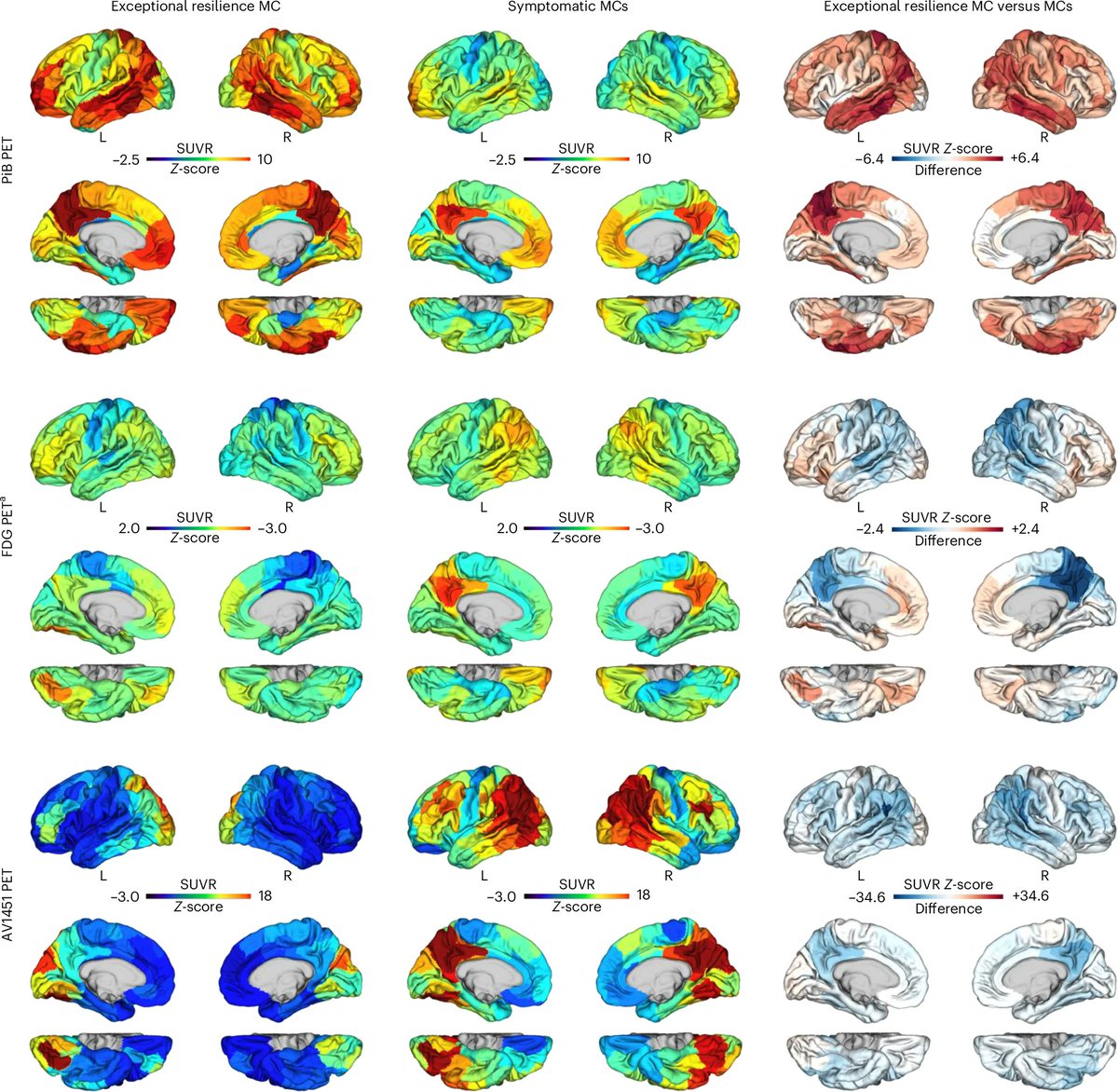
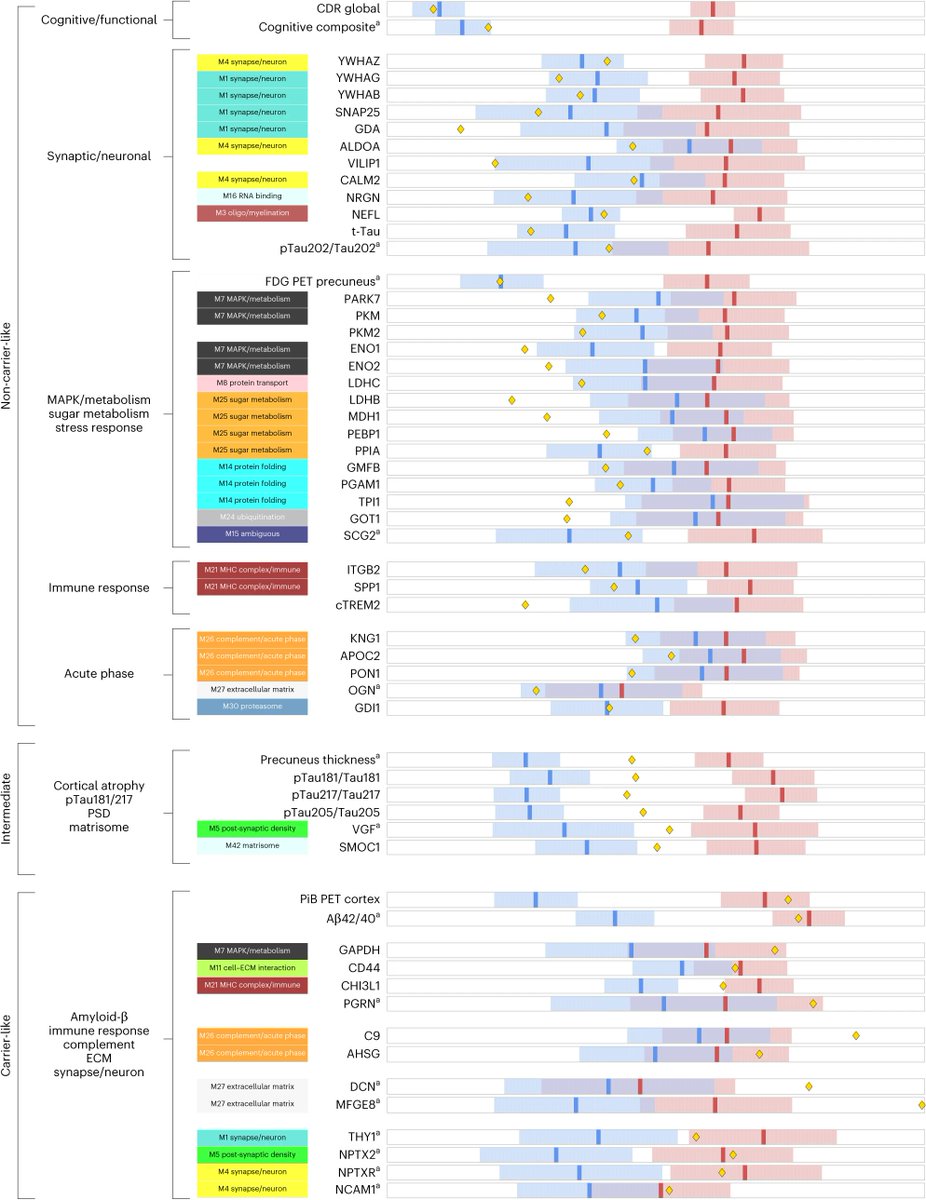
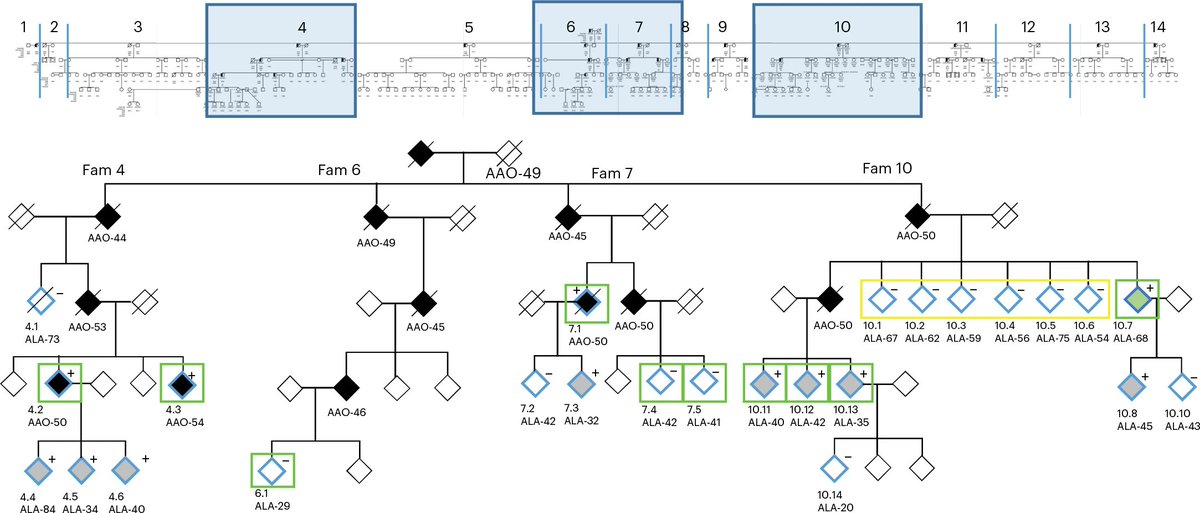
A fascinating new study just published online today in @NatureMedicine reports an extraordinary case of an individual carrying the PSEN2 (p.Asn141Ile) mutation—a known driver of dominantly inherited Alzheimer’s disease (DIAD)—who remained cognitively healthy well into his mid-70s. This is nearly 18 years past the expected age of onset. The study combines longitudinal clinical assessments, neuroimaging, genetic analysis, and proteomics to uncover the mechanisms underlying his remarkable resistance to Alzheimer’s (nature.com/articles/s4159…) 🎉🧬🧠🔍 The PSEN2 p.Asn141Ile mutation causes excessive production of amyloid-beta, resulting in amyloid plaques—one of the hallmarks of Alzheimer’s disease. While this individual’s brain was filled with amyloid deposits, the expected cognitive decline and dementia never materialized. Tau pathology, another key feature of Alzheimer’s, was restricted to the occipital lobe, a brain region associated with visual processing but not typically involved in Alzheimer’s-related cognitive decline. This rare localized tau pattern may explain the individual’s cognitive preservation and highlights the potential of tau-targeted therapies. Over the course of 10 years of follow-up, the individual’s Cognitive Dementia Rating (CDR) and Mini-Mental State Examination (MMSE) scores remained normal (CDR = 0; MMSE = 30) for the subsequent four (2014, 2016, 2018 and 2021) assessments performed over 10 years, including the most recent evaluation in 2021 at age 71. Genetic analysis in this study utilized whole-genome sequencing (WGS) and whole-exome sequencing (WES) on family members, including the exceptional resilience mutation carrier, to identify rare and common coding variants associated with resilience to Alzheimer’s disease. Segregation analysis prioritized variants that were exclusive to the resilience carrier or specific subgroups within the family. Several unique variants were identified within the 17q21.31 MAPT-H1 haplotype region, along with potential protective variants in AD-associated genes such as TREM2 and MAPT. Proteomic profiling in this study identified an abundance of heat shock proteins, suggesting a potential adaptive stress response. Remarkably, this individual had prolonged exposure to high temperatures while working as a mechanic on a naval ship, requiring frequent cooling with water to prevent overheating. The heat-shock response triggered by such extreme conditions may have contributed to his resistance to neurodegeneration. These results suggest that a combination of genetic factors, environmental exposures, and enriched biological pathways may contribute to the delayed onset of AD in this individual. The imaging data tell a powerful story. PET scans showed elevated amyloid burden with a PiB cortical SUVR (Z-scored relative to non-carriers aged 50 years old and above) of ~3.6, far above the threshold for abnormal amyloid deposition. However, tau PET imaging revealed that tau pathology remained focal and asymmetric, concentrated in the occipital lobe, rather than spreading to key regions like the medial temporal lobe or parietal cortex, which are typically affected in Alzheimer’s disease. This restricted tau spread contrasts sharply with the usual progression seen in mutation carriers, where tau accumulation is tightly linked to cognitive decline. MRI scans showed that hippocampal volume declined only modestly over the 10 years of follow-up, consistent with normal aging rather than Alzheimer’s atrophy. FDG PET scans showed localized hypometabolism in areas with focal tau deposition, yet metabolic activity remained normal in other key brain regions. From a broader perspective, this study raises questions about the amyloid hypothesis—the long-standing theory that amyloid plaques are the primary driver of Alzheimer’s. The case suggests that limiting tau deposition and spread may be more critical in preventing cognitive decline, even in the presence of substantial amyloid burden. This finding could reshape the focus of Alzheimer’s research and clinical trials, emphasizing tau-targeted therapies. The proteomic analysis further revealed significant differences in this individual’s plasma proteome and cerebrospinal fluid (CSF) compared to typical PSEN2 carriers. Notably, pathways related to protein folding, synaptic function, and oxidative stress were enriched, with multiple heat shock proteins showing elevated expression. These proteins may play a crucial role in maintaining cellular homeostasis and protecting against protein misfolding, a common feature of neurodegenerative diseases. In summary, this study opens exciting new avenues for Alzheimer’s research by identifying potential protective genetic and proteomic factors. It underscores the importance of studying rare resilience cases to uncover new therapeutic strategies. Restricting tau spread may prove to be a transformative approach in delaying or preventing dementia. The insights gained from this individual offer hope for developing precision medicine strategies for Alzheimer’s disease. Huge congratulations to the research team—Jorge J. Llibre-Guerra, M. Victoria Fernandez, Nelly Joseph-Mathurin, @shijbian, Kathleen Carter, @ccrugom, Erik C. B. Johnson, @RandallBateman3, and many others—along with the Dominantly Inherited Alzheimer Network (DIAN), the study participant and his family members, whose dedication continues to pave the way for life-changing discoveries. [About this post: this post is based on a summary of Llibre-Guerra, J.J., Fernandez, M.V., Joseph-Mathurin, N. et al. Longitudinal analysis of a dominantly inherited Alzheimer disease mutation carrier protected from dementia. Nat Med (2025). doi.org/10.1038/s41591…]
Xihao Li tweet mediaXihao Li tweet mediaXihao Li tweet media
English
4
42
151
20.9K
Quadri Adewale 리트윗함
Jake Vogel
Jake Vogel@_JakeVogel_·
@lemwisse and I are involved in a super cool project to advance our ability to measure spatially-resolved omics data from human tissue. We are looking for a postdoc to help push this project forward. Details below! RT appreciated!! fens.org/careers/job-ma…
English
0
14
22
2.2K
Quadri Adewale 리트윗함
The Nobel Prize
The Nobel Prize@NobelPrize·
BREAKING NEWS The 2024 #NobelPrize in Physiology or Medicine has been awarded to Victor Ambros and Gary Ruvkun for the discovery of microRNA and its role in post-transcriptional gene regulation.
The Nobel Prize tweet media
English
539
11.3K
27.6K
4.7M
Quadri Adewale 리트윗함
Iturria-Medina
Iturria-Medina@MedinYasser·
Our extensive Review of multi-scale and multi-factorial computational models in the search for neurodegenerative disease mechanisms and precise treatments, out in @Transl_Psych👉 rdcu.be/dUNk2. Last PhD article from @ahmedfaraz0khan
Iturria-Medina tweet media
English
0
21
58
3.9K
Quadri Adewale 리트윗함
Daniel Ferreira
Daniel Ferreira@DrFerreiraD·
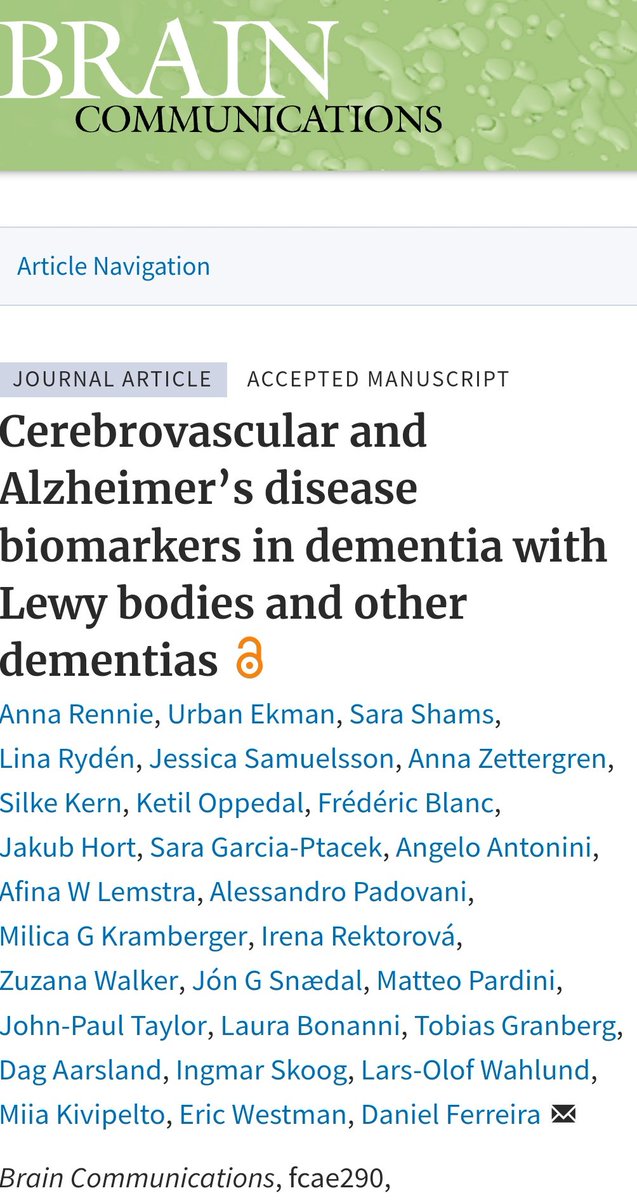
Never before a study compared white matter hyperintensities in so many dementias and so many patients (N=4549). Here we assessed correlations with atrophy, Alzheimer biomarkers and cognitive performance. Of course, we put the focus on dementia with Lewy bodies 👇👇👇
Daniel Ferreira tweet media
English
6
45
218
22.3K
Quadri Adewale 리트윗함
Artur Szałata
Artur Szałata@arturszalata·
Thrilled to share @fabian_theis lab paper on transformers in single cell omics out in @naturemethods ! Check it out to learn about the latest models, how they are trained, applied, and their limitations. rdcu.be/dQuVW (🧵1/7)
English
4
35
101
25.4K
Quadri Adewale 리트윗함
Ming "Tommy" Tang
Ming "Tommy" Tang@tangming2005·
1/ 10 courses to get you started with bioinformatics 🧵
English
5
66
283
68.6K
Quadri Adewale 리트윗함
Saez-Rodriguez Group
Saez-Rodriguez Group@saezlab·
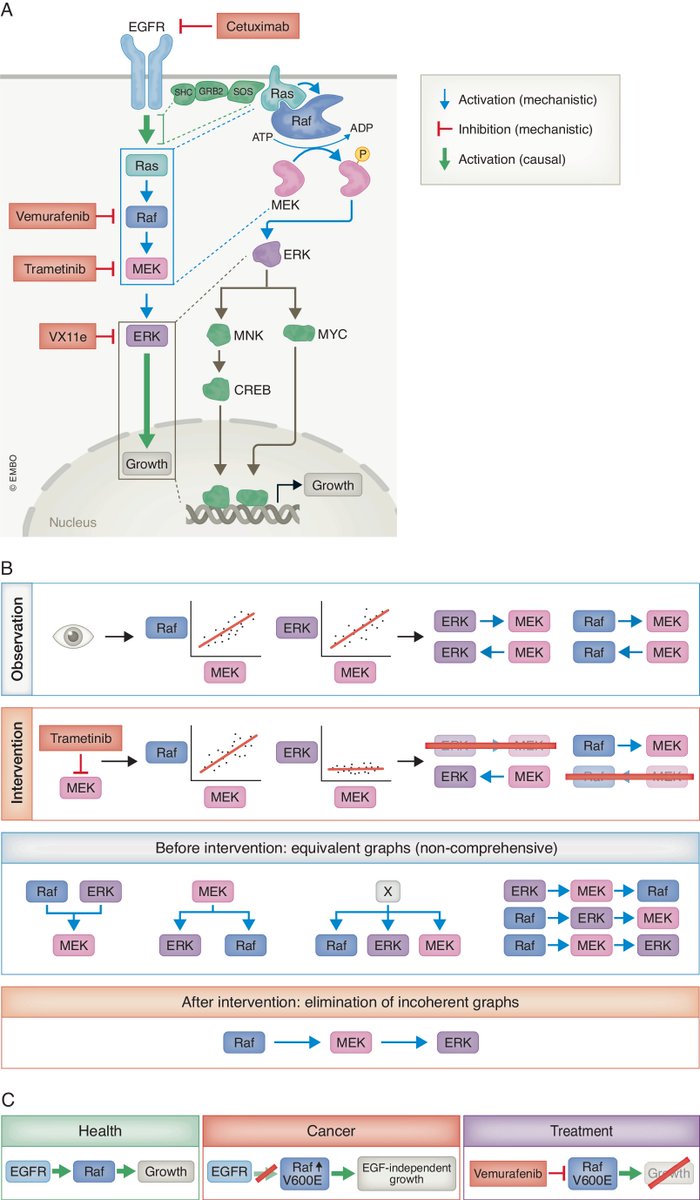
Correlation is not causation. In our new perspective, we connect systems biology, causal reasoning, and machine learning to inform future approaches in systems biology and molecular medicine in the wake of current deep learning advances: doi.org/10.1038/s44320… 🧵👇
Saez-Rodriguez Group tweet media
English
1
72
269
32.7K
Quadri Adewale 리트윗함
Ian Kremer
Ian Kremer@LEAD_Coalition·
Powerful, beautiful #poetry reminding us why we honor and support our loved ones as they face frailty of mind and body. #Alzheimers #dementia
Ian Kremer tweet media
English
2
27
37
1.6K
Quadri Adewale 리트윗함
Iturria-Medina
Iturria-Medina@MedinYasser·
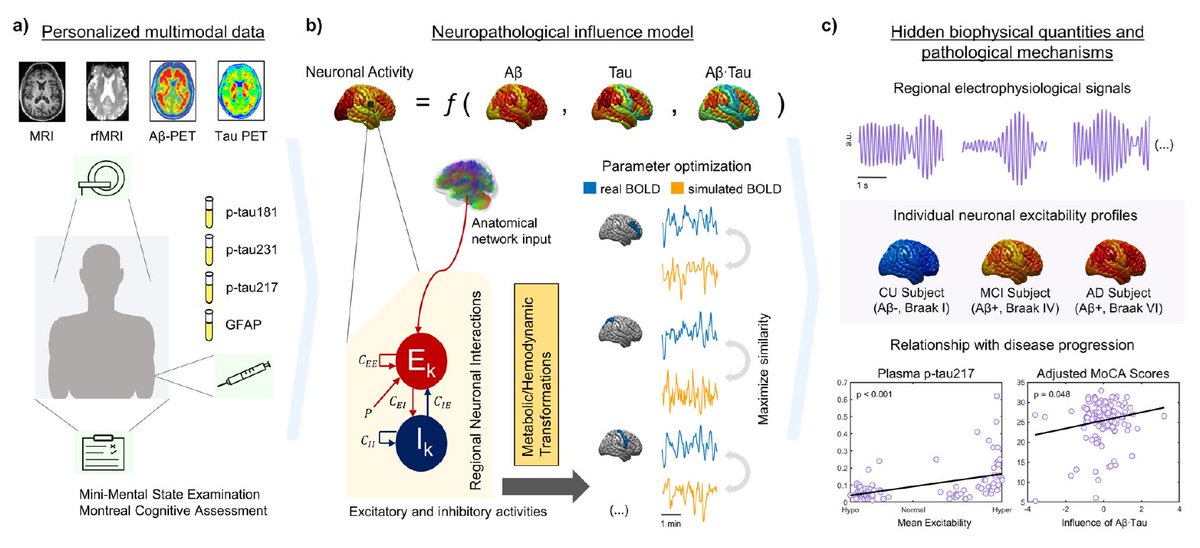
📣Article out! Novel personalized whole-brain neural-mass models, adding spatial amyloid & tau, to assess synergistic impact on functional activity in Alzheimer’s. From fMRI, AB/Tau PET, to realistic excitabilities and impact on blood markers & cognition👉rdcu.be/dGQM6
Iturria-Medina tweet media
English
0
14
42
2.3K
Quadri Adewale 리트윗함
Lior Pachter
Lior Pachter@lpachter·
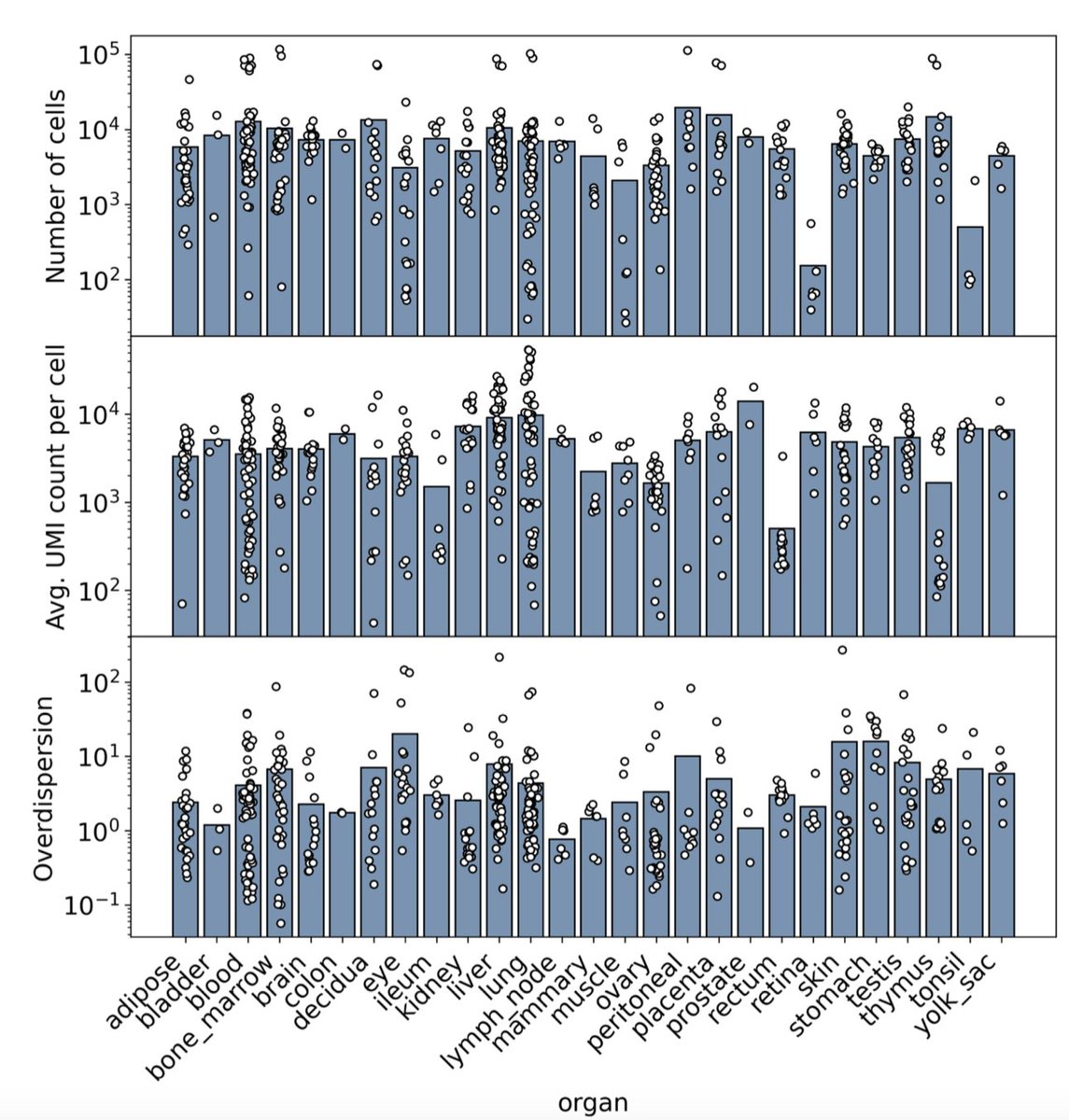
The Commons Cell Atlas is an open data project. All the raw data (FASTQs) are available, including the notebooks for pre-processing them and assembling a whole atlas. Want a variant of our Human CCA? Just clone the repo. 17/
Lior Pachter tweet media
English
1
4
23
5.4K