Charlie M
3.2K posts

@traderCharlieM
Setups Over Friends | Study great traders and great stocks, Success Leaves Clues | I Share My Opinions, Nothing is Financial Advice


"In trading, you always have to reframe things in a positive way otherwise you're never gonna make it because you're gonna have some incredible setbacks, all of us. The only thing that is guaranteed in the financial markets are hardships and setbacks and it's how you handle those that determine your future success." – @Qullamaggie


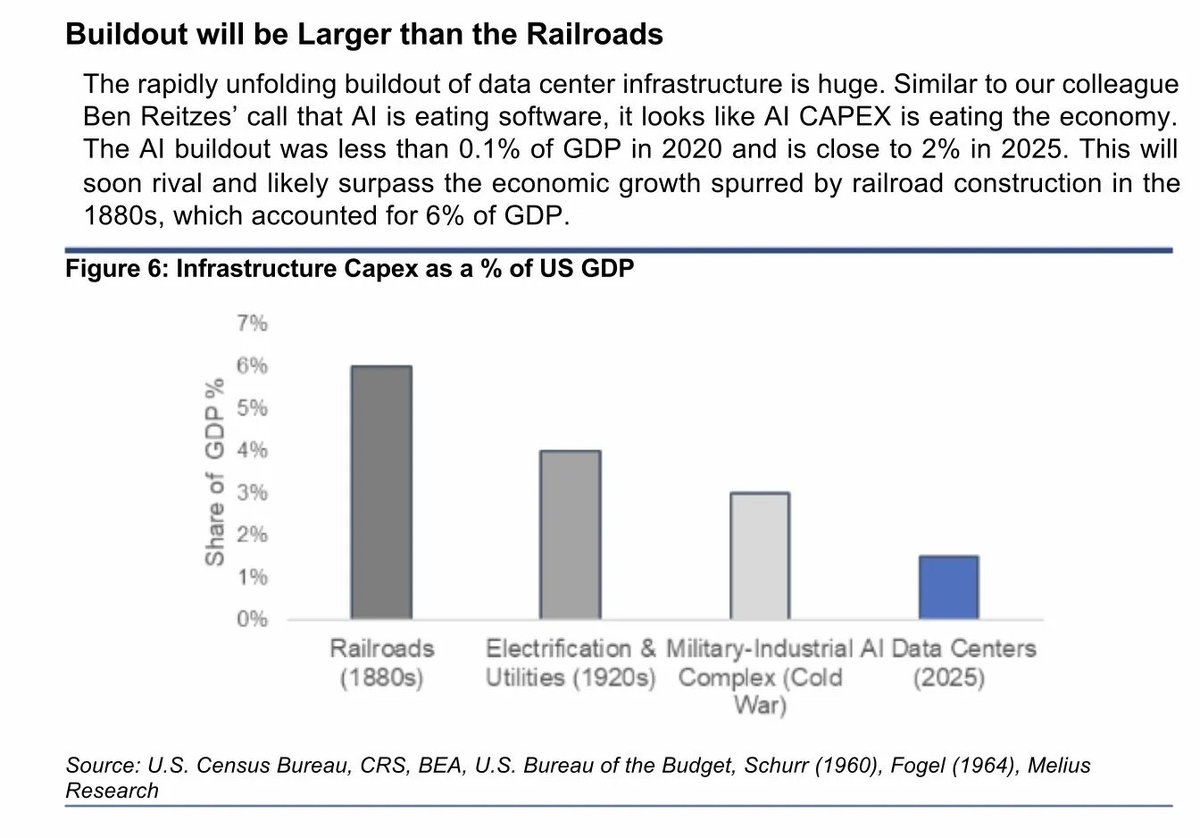
Big Tech CapEx is exploding: The combined CapEx of Amazon, $AMZN, Alphabet, $GOOGL, Meta, $META, and Microsoft, $MSFT, is expected to jump +70% YoY, to a record $610 billion in 2026. This is nearly 3 TIMES the $217 billion spent in 2024 and more than 4 TIMES 2023 levels. Amazon leads with $200 billion in planned spending, followed by Alphabet at $180 billion, Meta at $125 billion, and Microsoft at $105 billion. Each company is expected to spend nearly as much in 2026 alone as they did in the previous 2 years combined, or more. All 4 would individually break the record for the highest annual CapEx spent by a single company over the last 10 years. The AI infrastructure rush is unprecedented.


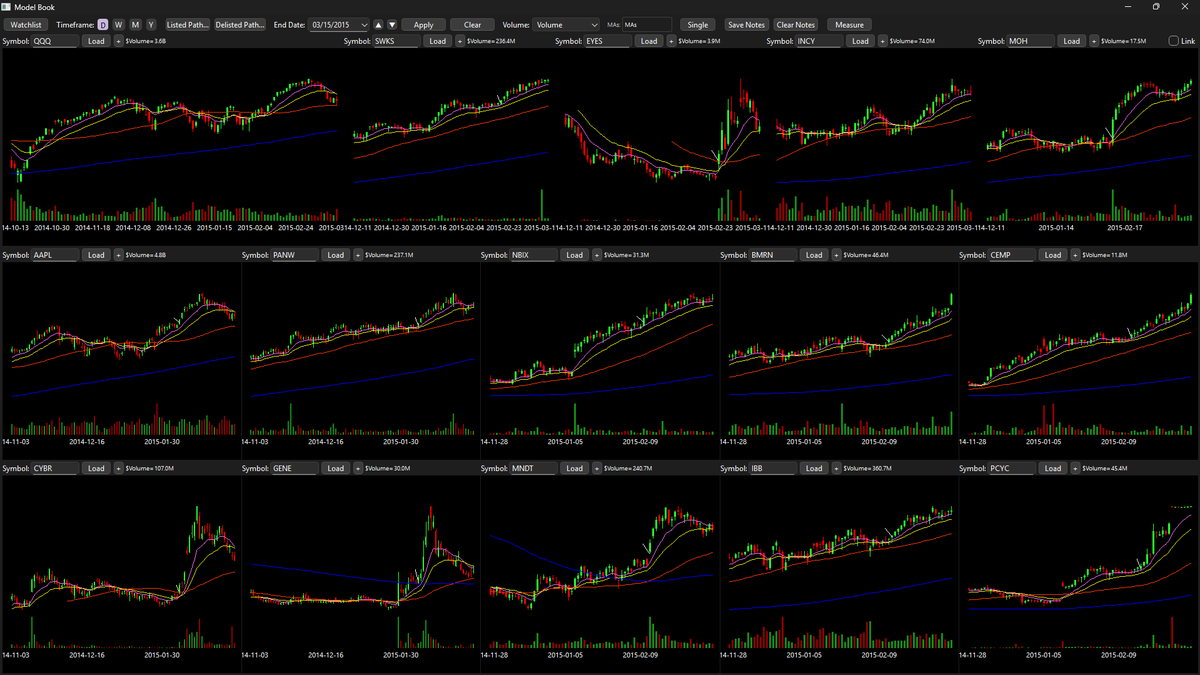
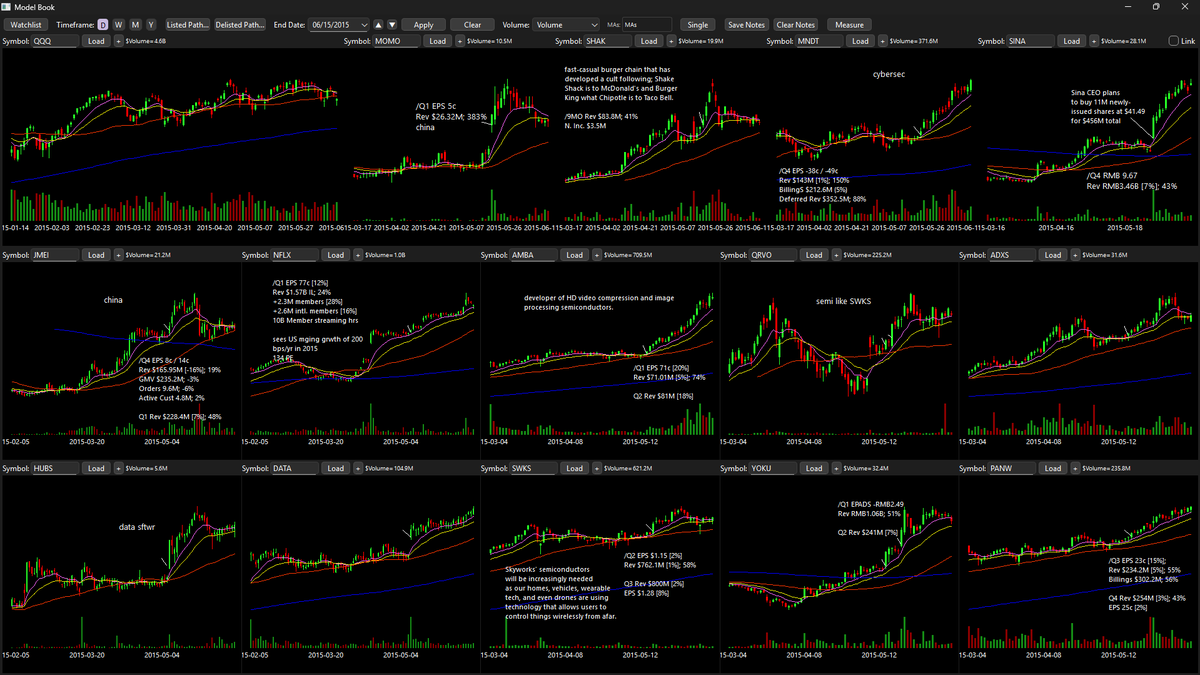
This was the market in 2015, and 2016 was not exactly smooth sailing too. The big opportunity came Aug/Sept of 2015. From Grok: Sector Rotation: A Core Similarity Current Market (2026 YTD): Early 2026 has been marked by significant sector rotation away from mega-cap technology and growth stocks toward cyclical, value-oriented, and defensive sectors. This aligns with your description of a "challenging" environment with "a lot of rotation." Tech has underperformed (down ~0.4% YTD in January), while energy, materials, industrials, and consumer staples have led gains. This broadening of leadership is seen as a reversal from 2025's AI-driven tech dominance, where large-caps outperformed small-caps by a wide margin (19.78% vs. lower returns for small/mid-caps). Comparison to 2015-2016: 2015 was a flat, volatile year with defensive rotation (e.g., consumer staples and health care outperformed amid global concerns like China's slowdown and oil price crashes). Energy and materials lagged severely. 2016 saw a sharp rotation into cyclicals as the market recovered from an early-year selloff, with energy, financials, materials, and industrials leading. This broadening helped drive overall gains.

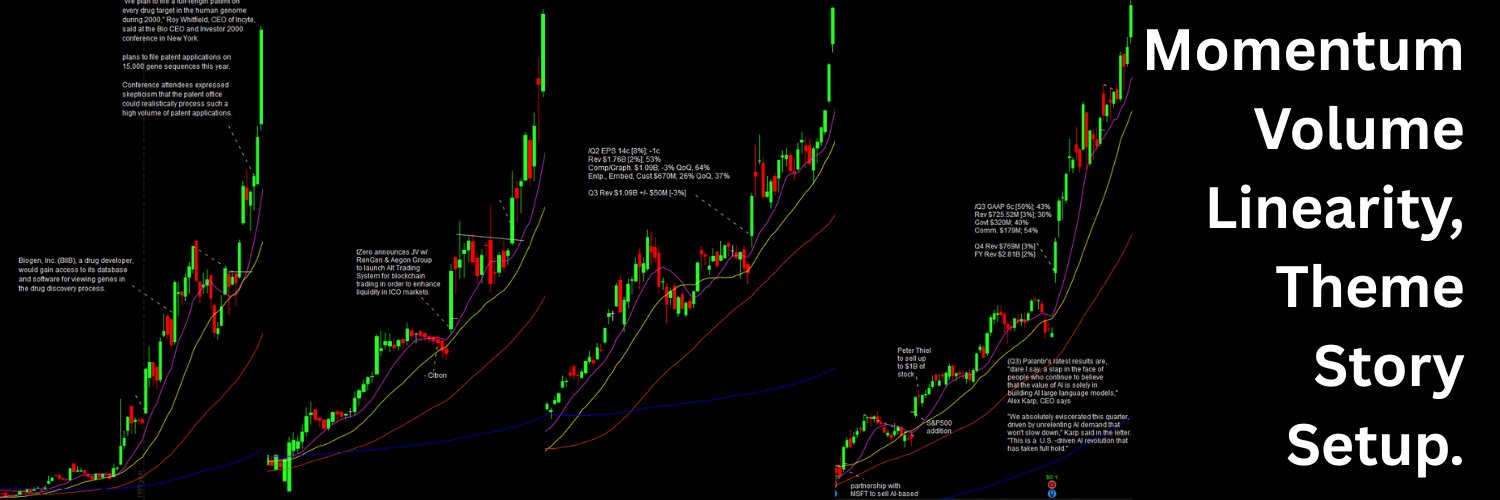


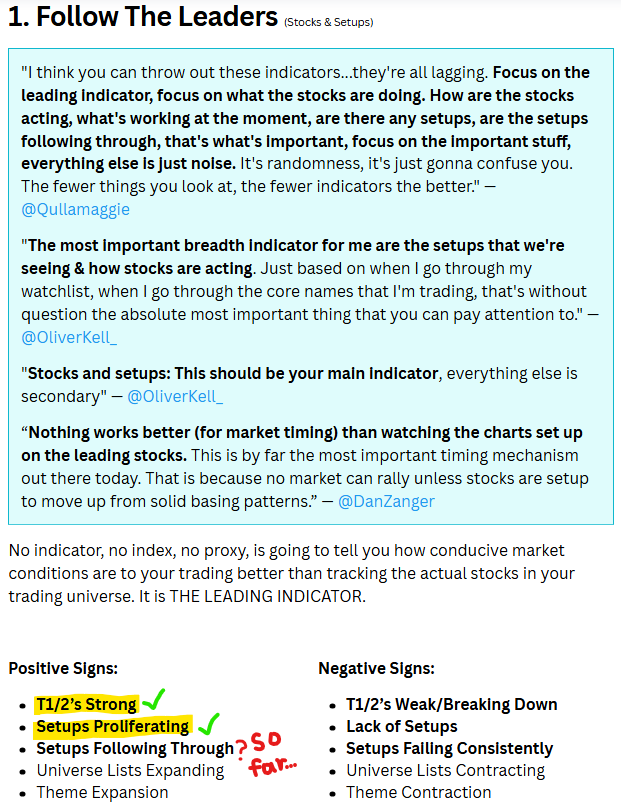
"I think you can throw out these indicators...they're all lagging. Focus on the leading indicator, focus on what the stocks are doing. How are the stocks acting, what's working at the moment, are there any setups, are the setups following through, that's what's important, focus on the important stuff, everything else is just noise. It's randomness, it's just gonna confuse you. The fewer things you look at, the fewer indicators the better." – @Qullamaggie


The loop for many is: Poorly defined criteria for stock/instrument selection. Thus paying attention to too much slop. Proceed to trade and execute sloppily on the slop. That mess then seeps into the actual top opps, making u gunshy and unfocused when u really need to step up and swing for it. So u end up with an equity curve that’s kind of wide and loose without direction. And it all starts with poor initial selectivity and standards that are set too low. Everything else is downstream from there. Trading psychology, obsessing over execution details and rules etc, none of it matters if the foundation is off. Like caring about the right supplements or lifting shoes when u can’t even bench the bar.