victor 리트윗함

victor
3.4K posts
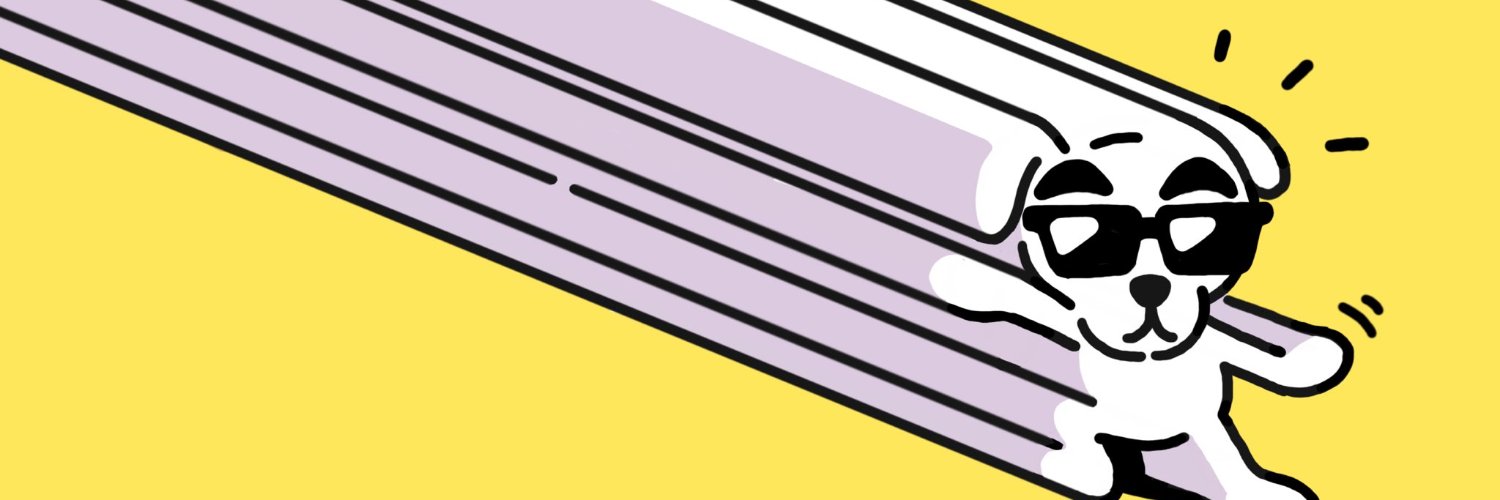

One language: clarity and focus. ✨




New in Claude Design: it stays on brand with your design system across projects, lets you edit directly on the canvas, syncs with Claude Code, and connects to more of the tools you already use.

What started as building a personal taste.md skill for myself, turned into building a pipeline to create any taste as a skill. The most important piece is references. This is where you should spend time. If the references suck, so does the skill. I find that references cropped tightly on details in high resolution work the best. Each image gets analyzed by both Opus 4.7 and GPT 5.5. The analysis is based on why the reference is successful as a piece of design - not what it does functionally. Using two models helps rule out biases and gaps from each. The models focus on layout, spacing, typography, rhythm, composition, hierarchy, etc. At the end, each image has: reference-01/ - opus-4-7-analysis.md - gpt-5-5-analysis.md Then we fuse them together using GPT 5.5 - but the md files are anonymized so 5.5 doesn't prefer itself. reference-01/ - fused-analysis.md reference-02/ - fused-analysis.md etc. After fusion, we have one synthesized analysis per reference. Now the goal is to combine all of those into a single rule set. This is where chunking matters. If you ask one model to combine 100 image analyses at once, the result becomes too broad. It summarizes instead of preserving the granular design rules we want. Instead we chunk the fused analyses into smaller groups. Each group gets merged into a chunk-level synthesis, usually from around 6 to 8 image notes at a time. Then one final model pass fuses those chunks into a single md rule set. Finally, using the rule set, we write a skill of concrete instructions. It enforces constraints, uses imperative wording, and avoids vague taste words.


Has anyone got a job through LinkedIn or are we all just pretending that app works?