Sabitlenmiş Tweet

Mouette
51.4K posts

@01Managed
roses are blue, nemo is omen and Noel means no El

Mais pourquoicoubeh les séfarades sont infiniment plus détestés que le ashkénazes ?


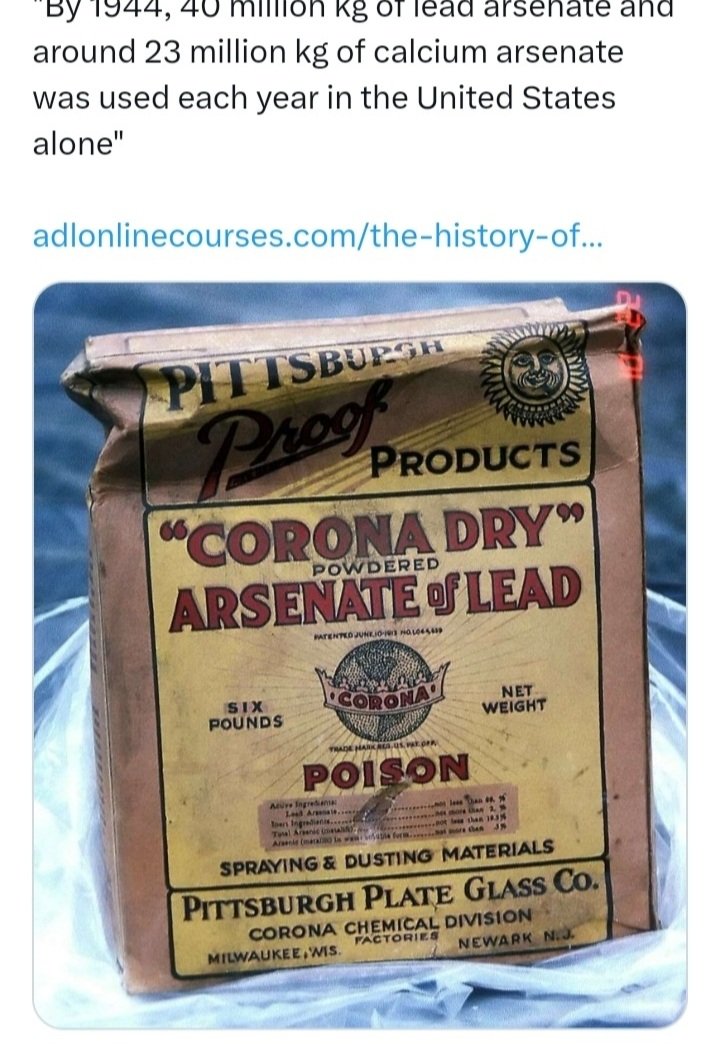
What was he spraying @grok???





Le “Grand Israël” : comment une théorie complotiste est devenue virale Depuis le 7 octobre, une accusation revient en boucle : Israël aurait un plan secret pour conquérir tout le Moyen-Orient. Le Nil. L’Euphrate. L’Égypte. La Jordanie. La Syrie. L’Irak. Sauf que cette “preuve” repose sur un texte oublié de 1982, jamais adopté par aucun gouvernement israélien, et recyclé depuis quarante ans par les milieux complotistes. Alors comment une tribune marginale est-elle devenue une théorie virale sur TikTok ? Et pourquoi ce récit revient-il aujourd’hui avec autant de force ? Dans cette vidéo, on remonte à l’origine du mythe du “Grand Israël” — et on montre pourquoi il ne tient pas face aux faits.

Fim de domingo, é hora de lembrar do maioral!!! No #TheSims2 os pets podiam ter um emprego! E tinha carona ein! 🐈💼


A Christian man from the U.S. named Aaron Hutchings traveled to Pakistan to free a family from 140 years in slavery, paying around $4000 for their freedom. The family had remained trapped in bonded labour for generations in Pakistan’s brick kiln industry after an ancestor took a loan in the 1880s. Multi-generational bondage persists in Pakistan despite having been banned in 1992. The system revolves around “peshgi” (advance payments or loans) given by kiln owners to workers, often for emergencies, weddings or illness. Wages are extremely low and owners add high interest, arbitrary fines and manipulated accounts. This makes repayment nearly impossible. Debts are treated as family obligations and passed to children and grandchildren. Children often start working as young as 4-5 to help “repay the debt.” Estimates suggest hundreds of thousands are enslaved in Pakistan’s 20,000+ brick kilns. Pakistan outlawed bonded labour in 1992, but enforcement is extremely weak due to corruption and political influence of kiln owners. Families can’t just pack up and leave without facing severe risks. The system relies on coercion beyond the debt itself. Kiln owners or their jamadars (middlemen) often use armed guards, physical violence, or threats against the worker and remaining family. Family members left behind can be held as hostages. The police frequently collude with owners and escapees may be arrested on false charges, beaten or forcibly returned to the kiln. Workers often lack documents, education, alternative skills or safe places to go. Women and young girls face heightened risks of sexual abuse or forced marriage as “repayment.” Few in Pakistan care about these families. It often takes for Europeans and Americans to come over to help buy families out from slavery. Just like the British Navy waged war against slave traders of all nationalities after 1808, capturing 1600 slave ships and freeing 150 000 slaves.