Guay06 retweetledi
Guay06
2K posts
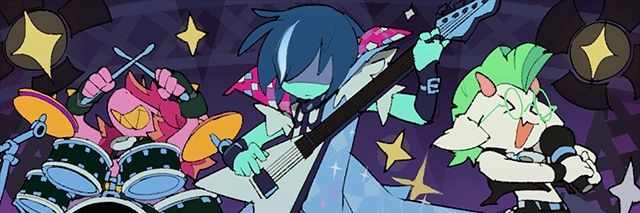


does cronus even have any other trait that isnt being a pathetic abuser
English



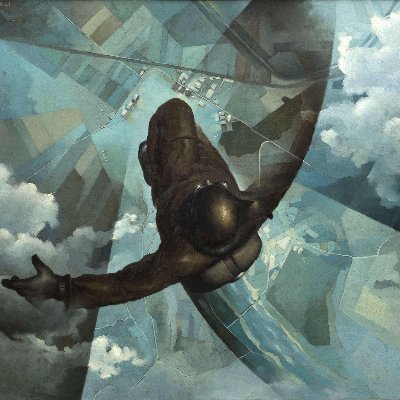
I remember "school is the ur-authoritarian Taylorist institution that conditions people to be obedient factory workers" was a lefty talking point when I was growing up but now internet lefties glaze American public schools purely because a chunk of millennial lefties are teachers
Milan Busk@KarolusWangus
This meme explains like 75% of right wing politics btw.
English
@visegrad24 That's too few, let them all starve to death, it's for the best
English

🇸🇩 In Sudan, more than 60% of the population is suffering from acute food shortages, with millions forced to eat leaves or animal feed to survive.
According to the 2026 Humanitarian Needs and Response Plan, 61.7% of the population, around 28.9 million people, are acutely food-insecure.
Tens of millions in Sudan are living on just one meal a day as the crisis deepens.
The war between the Muslim Brotherhood-linked Sudanese Armed Forces and the paramilitary Rapid Support Forces, now entering its third year, has displaced millions and fueled one of the world’s largest humanitarian crises.
Reports based on interviews with farmers, traders, and humanitarian workers describe how the war is pushing communities toward famine, driven by the collapse of agriculture and the use of starvation as a weapon, including the deliberate destruction of farms and markets.
Aid systems are under severe strain.
Communal kitchens are struggling to meet growing demand, while funding cuts are limiting the ability of humanitarian organizations to respond.
Women and girls are among the most affected, facing heightened risks of violence and rapes when going to fields, markets, or even collecting water.
After years of intense Gaza reporting, the international mainstream media is turning a blind eye to the suffering in Sudan. Why?

English

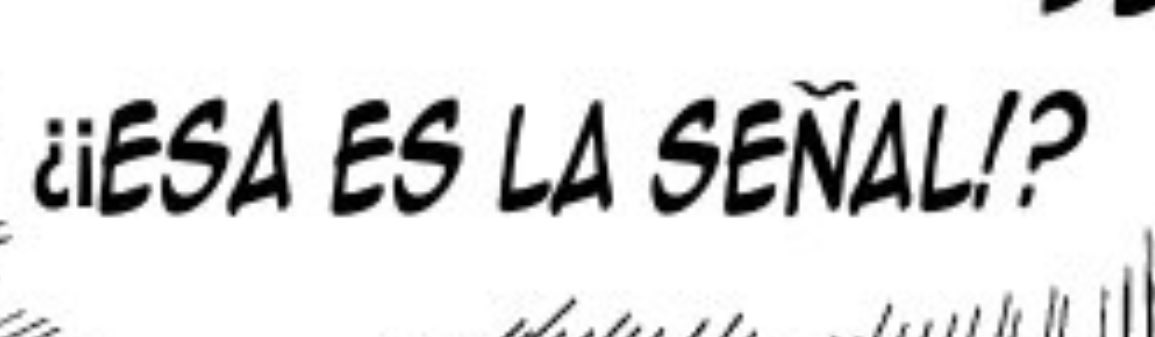
Small quirk about this translation, the font I’m using does not have an ñ, so I had to manually draw it on top of the N 😭
WitchDoctorDB@db_witch
English
@KyuboxIncubox @CRYT_MTH I find it problematic and that's why I ship it
English

@CRYT_MTH There's definitely a before and after fanbase here. If you got into it back in 2012, you probably do ship Madoka x Homura. If you got into it in like 2020, you find it grossly problematic. It's the weirdest thing because they're crying about it while official art is like


English


@Nightshade7778 I think getting dozens of people killed so he could still the gold and beatrice is more evil
English

I can think of few more evil things Kinzo did😭😭😭😭
Guay06@06guay
@Nightshade7778 Reminder that the whole flashback is Kinzo propaganda and he actually set everything up, most straight up evil shit h
English


@SeverusChud Straight up nazi sympathizing nice dude.
English

This would be the average girl walking around Europe if a certain painter got his way.
PrettyGirls@beautyshowcase
Lauren de Graaf (Dutch 🇳🇱)
English

i remeber looking for this so hard a few months ago I searched up everything i could think of and it still didn’t show up also when i was in the third grade i touched myself to it
English

He left his also struggling co workers without a job and lefties think he’s a hero
Power to the People ☭🕊@ProudSocialist
Chamel Abdulkarim, who is accused of sparking a massive Ontario warehouse fire after his company didn’t “pay him enough to live”, pleaded not guilty today in court. Good luck finding a jury to convict this man when 70% of Americans live paycheck to paycheck.
English
Guay06 retweetledi

Ça fait longtemps que l’effondrement civique ne m’avait pas autant frappé qu’en voyant Tintin utiliser son journal pour ne pas salir les banquettes du train.
Ivan ⚜️@LordMasterIvan
The aura of Tintin is just unmatched
Français

It’s funny to me the way Foreman Spike of all characters got included in the movie, a guy whose prominence was like, one game and a bunch of cameos,
Over someone like Toadsworth being axed from the films, even though he was easily more recognizable than Spike and there was a clear role he would’ve fulfilled

English

@TemmieOrSmth99 chapter 3 is so amazing
deltarune is so amazing
HOWEVER;
Roulx should have a text sound
spamton should’ve had a portrait (i get why but still grrrrr)
Mike Mike and Mike should have at least text sounds (Battat Jongler with pluey being silent bc shadowguy)
English

It’s crazy how chapter 3 scrapped so much shit that would’ve made it better 😭
Daily Toby Trivia (Chapter 5 2026)@dailytobytrivia
In the files for Chapter 3, there is an unused portrait sprite of Elnina. Oddly this sprite is labeled under Lanino's name, despite depicting Elnina. It is also notably weird due to being black and white, even though Darkner portraits use color.
English