Atilla Oktay el-Kurdî

264 posts

Atilla Oktay el-Kurdî banner
Atilla Oktay el-Kurdî

Atilla Oktay el-Kurdî

@0ktayAtilla

Sunni-Sufi-Muslim-Kurd-Polymath (MSc Engineer) هو

Federal Republic of Kurdistan Katılım Şubat 2026
757 Takip Edilen79 Takipçiler
Sabitlenmiş Tweet
Atilla Oktay el-Kurdî
Atilla Oktay el-Kurdî@0ktayAtilla·
Sacred Declaration of Unity Long live the united Muslim, Sunni‑Sufi Kurds, their blessed Civilisation, and the State and Republic of Kurdistan! Beyanî Pîroz a Yekbûna Bijî Kurdên Mûslim, Sûfî‑Sünnî yên yekbûyî, Şaredariya wan a pîroz, û Dewlet û Cumhuriyeta pîroz a Kurdistanê! الإعلان المقدس للوحدة تحيا الكرد المسلمون السنة‑الصوفية الموحدون، حضارتهم المباركة، ودولة وجمهورية كردستان المباركة! Kutsal Birlik İlanı Yaşasın birleşik Müslüman, Sünni‑Sufi Kürtler, onların kutsal Medeniyeti ve kutsal Kürdistan Devleti ve Cumhuriyeti! Déclaration Sacrée d’Unité Vive les Kurdes musulmans unis, sunnites‑soufis, leur bénite Civilisation, et le bénit État et République du Kurdistan ! Heilige Erklärung der Einheit Es lebe das vereinte muslimische, sunnitisch‑sufische Kurdenvolk, ihre gesegnete Zivilisation und der gesegnete Staat und die Republik Kurdistan! اعلامیه مقدس وحدت زنده باد کردهای مسلمان، سنی‑صوفی متحد، تمدن مبارک آنان و دولت و جمهوری مبارک کردستان! — A.O.
Română
2
0
2
4K
Atilla Oktay el-Kurdî
Atilla Oktay el-Kurdî@0ktayAtilla·
I do not speak empty words! I declare Diyarbakır Amed or Amid as Rome! Ankara (the Kemalist ‘dog’ Atatürk must be removed) — the new capital will be declared Amid/Amed! Istanbul — a new border circle should be drawn through Erbil / Hewlêr! The capital will first remain Diyarbakır, then I will settle into two capitals!… Ich rede kein leeres Gerede! Ich erkläre Diyarbakır Amed oder Amid zu Rom! Ankara (der kemalistische ‘Hund’ Atatürk muss entfernt werden) — die neue Hauptstadt wird Amid/Amed sein! Istanbul — über Erbil / Hewlêr sollte ein neuer Grenzkreis gezogen werden! Die Hauptstadt wird zunächst Diyarbakır bleiben, danach werde ich mich in zwei Hauptstädten niederlassen!… Ben boş konuşmam! Diyarbakır Amed veya Amid’i Roma ilan ederim! Ankara (Kemalist ‘köpek’ Atatürk kaldırılmalıdır) — yeni başkent Amid/Amed ilan edilecektir! Istanbul — Erbil / Hewlêr üzerinden yeni bir sınır dairesi çizilmelidir! Başkent önce Diyarbakır kalacaktır, sonra iki başkente yerleşeceğim!…
English
0
0
0
89
Atilla Oktay el-Kurdî
Atilla Oktay el-Kurdî@0ktayAtilla·
I do not know about you, but although I was enrolled at university as an engineering student, I spent day and night studying Islamic knowledge and spiritual wisdom — alongside the Da‘wah (invitation to Islam). Even if the whole world were to turn its back on me, what benefit would that have? Allah, the Absolute Being, has turned His attention toward me!… Ich weiß nicht, wie es bei euch ist, aber obwohl ich an der Universität als Ingenieur eingeschrieben war, habe ich Tag und Nacht islamische Wissenschaften und geistige Erkenntnis studiert — zusammen mit der Daʿwa (Einladung zum Islam). Selbst wenn sich die ganze Welt von mir abwenden würde, welchen Nutzen hätte das? Allah, das Absolute Sein, hat seine Aufmerksamkeit mir zugewandt!… Ben sizi bilmem ama üniversiteye mühendis olarak yazılmama rağmen, ben gece gündüz İslam ilimlerini ve irfanını okudum — İslam’a davet ile birlikte. Bütün dünya bana sırtını çevirmiş olsa da ne fayda? Allah, mutlak Varlık olarak, bana yüzünü çevirmiştir!…
English
0
0
0
89
Atilla Oktay el-Kurdî
Atilla Oktay el-Kurdî@0ktayAtilla·
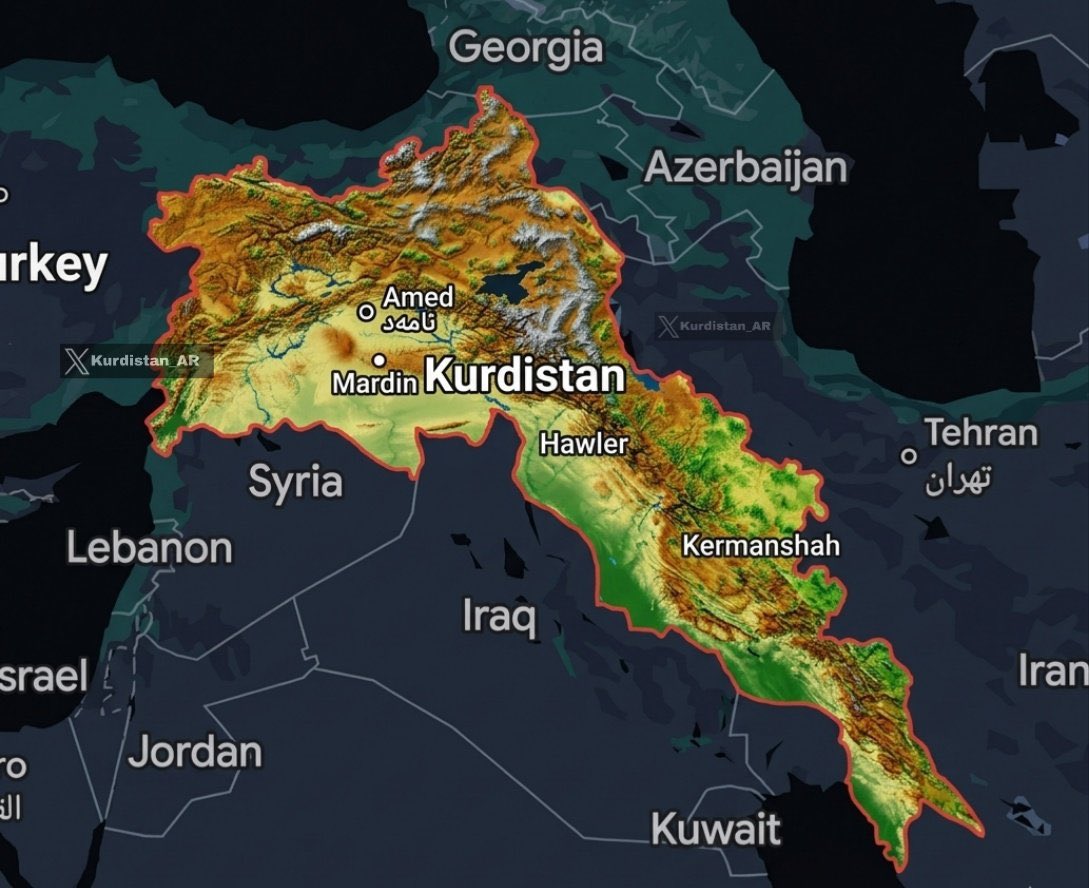
Among the four major regions of Kurdistan today, Diyarbakır (Amed), Erbil (Hewlêr), Mahabad, and Qamishli (Qamişlo) are among the clearest and most symbolically recognized urban centers of the Kurdish nation in the contemporary era. Unter den vier großen Regionen Kurdistans gelten Diyarbakır (Amed), Erbil (Hewlêr), Mahabad und Qamishli (Qamişlo) heute als einige der deutlichsten und symbolisch bekanntesten urbanen Zentren der kurdischen Nation. Bugün Kürdistan’ın dört büyük bölgesi içerisinde Diyarbakır (Amed), Erbil (Hewlêr), Mahabad ve Qamishli (Qamişlo), Kürt milletinin çağımızdaki en belirgin ve en sembolik şehir merkezleri arasında görülmektedir.
Română
0
0
0
130
Atilla Oktay el-Kurdî
Atilla Oktay el-Kurdî@0ktayAtilla·
I agree with the scholars, saints, and national political authority of Kurdistan regarding the question of occupation. At the same time, with a complete national spirit and consciousness, I reject both the PKK leftist-terror movement and the Hezbollah Islamist-terror movement. Ich stimme den Gelehrten, Awliyā’ und der nationalen politischen Autorität Kurdistans in der Frage der Besatzung zu. Gleichzeitig lehne ich mit einem vollständigen nationalen Geist und Bewusstsein sowohl die linksextreme Terrorbewegung der PKK als auch die islamistische Terrorbewegung der Hisbollah ab. Ben Kürdistan’ın Âlimleri, Evliyaları ve milli siyasi otoritesine işgal meselesinde katılıyorum. Aynı zamanda ben, kâmil bir milli ruh ve bilinç ile hem PKK solcu-terör hareketini hem de Hizbullah islamcı-terör hareketini reddediyorum.
English
0
0
1
88
Atilla Oktay el-Kurdî
Atilla Oktay el-Kurdî@0ktayAtilla·
Kurdistan’s small national team is in the Süper Lig despite occupation!… Long live Amed Sportif Faaliyetler Kulübü. Kurdistans kleine Nationalmannschaft ist trotz Besatzung in der Süper Lig! … Es lebe Amed Sportif Faaliyetler Kulübü. Kürdistan küçük milli takımı işgale rağmen Süper Lig’de!… Biji Amed Sportif Faaliyetler Kulübü.
Atilla Oktay el-Kurdî tweet media
Türkçe
0
0
0
76
Atilla Oktay el-Kurdî
Atilla Oktay el-Kurdî@0ktayAtilla·
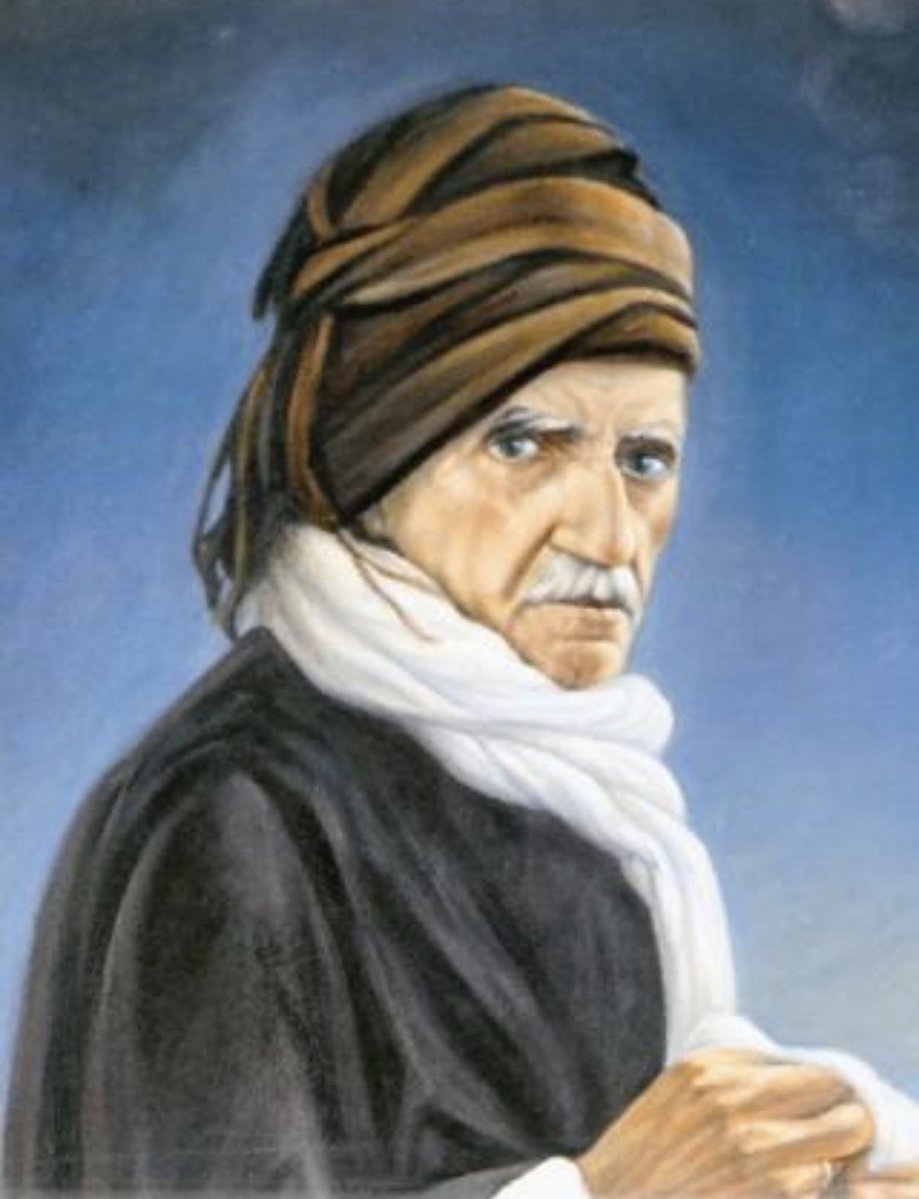
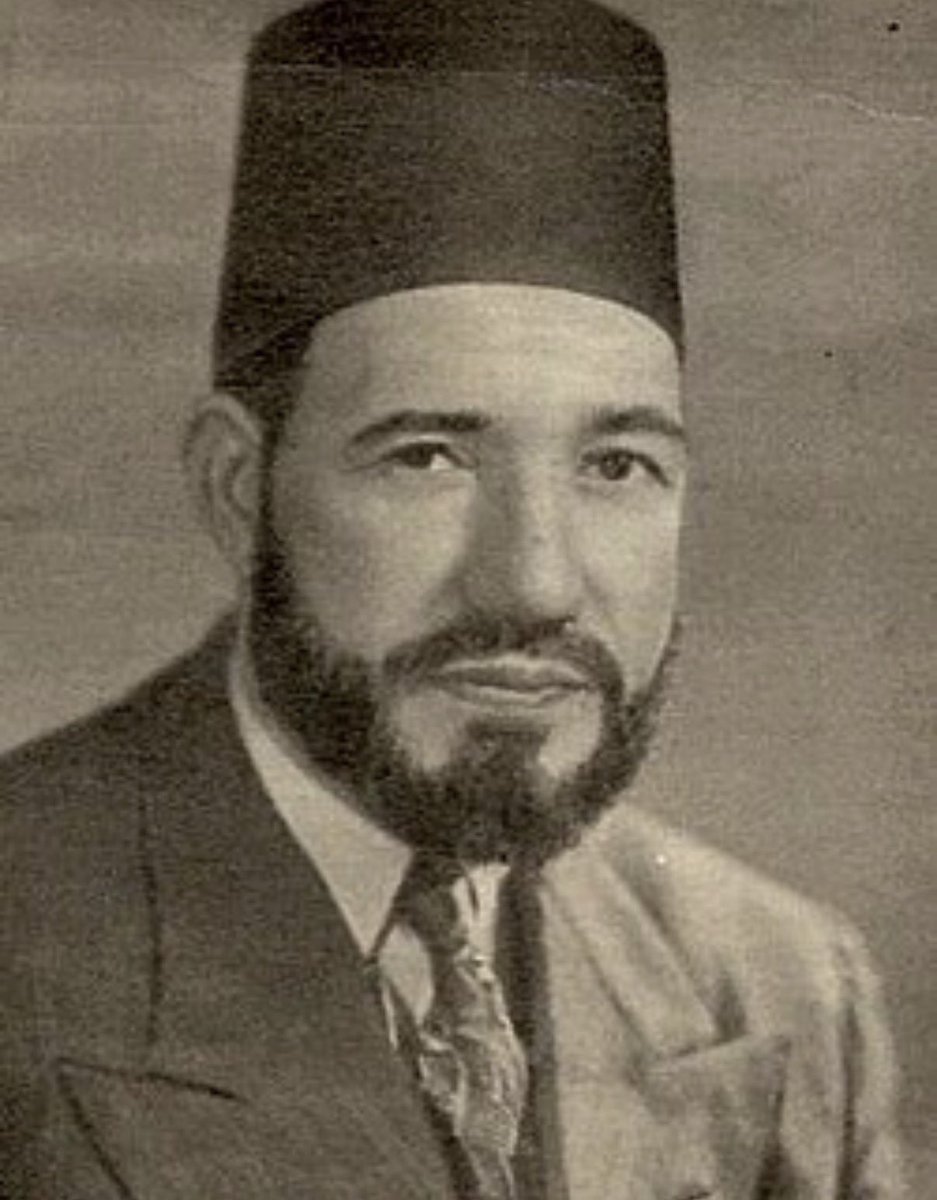
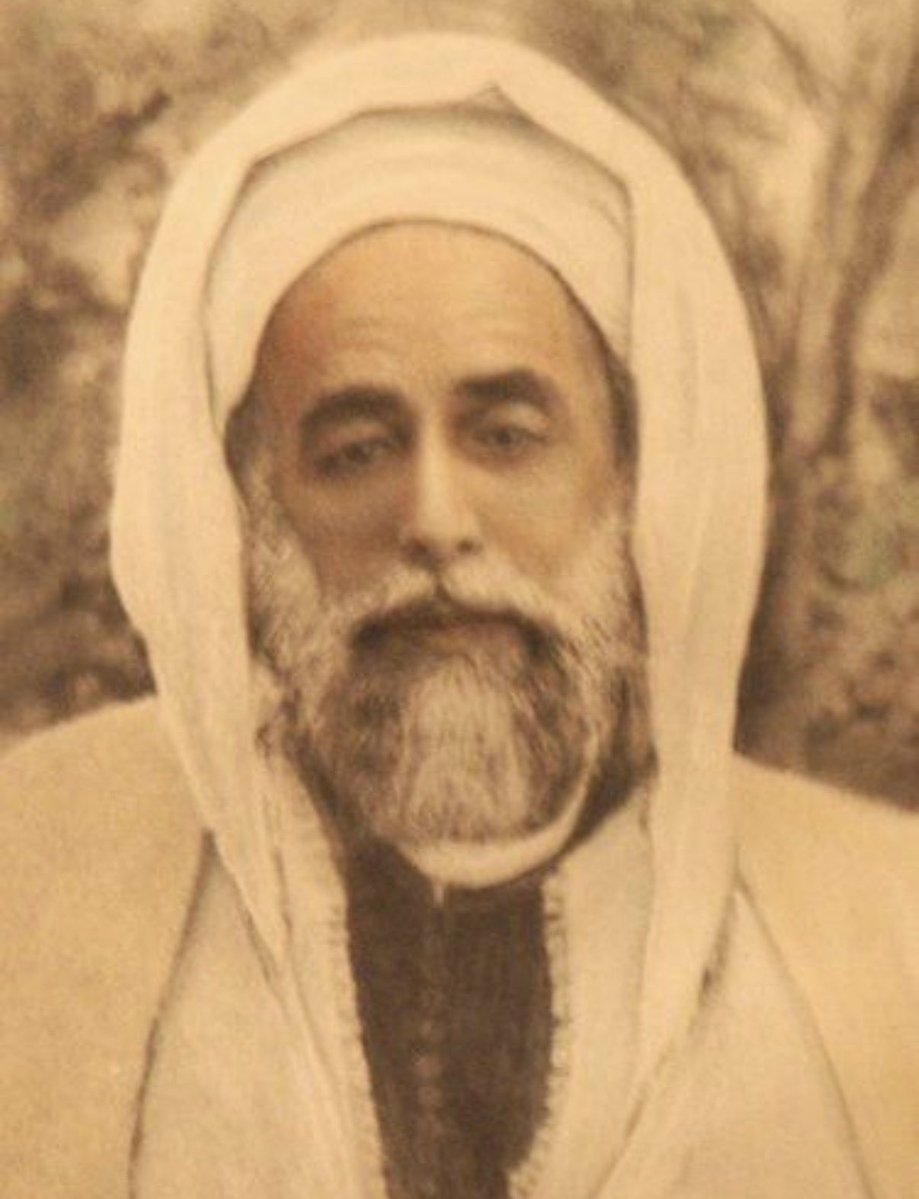
A Qasīdah of the Four Lights of Modern Renewal In the age when certainty grew dim within the hearts of men, arose Bediüzzaman Said Nursî, a lantern for the people of doubt. And from the East, where thought sought its forgotten dignity, came Muhammad Iqbal, awakening the sleeping self to its higher calling. And among the scattered communities yearning for form and unity, stood Hasan al-Banna, gathering fragments into a living body. And in the silence of inward remembrance and purified being, appeared Ahmad al-Alawi, guiding the heart back to its secret light. Not four paths divided, but four signs upon a single road; not four voices apart, but one echo across the chambers of time. Whoever gathers them in understanding, gathers a whole civilization; and whoever neglects one, leaves a wound in the body of meaning. Modern Yenilenmenin Dört Işığına Kaside İnsanların kalplerinde yakîn sönmeye yüz tuttuğu bir çağda, Bediüzzaman Said Nursî ortaya çıktı; şüphe ehline bir kandil oldu. Ve doğudan, düşüncenin kaybettiği izzetini yeniden aradığı ufuklardan, Muhammed İkbal geldi; uykudaki benliği daha yüce bir davete uyandırdı. Ve dağılmış cemaatler içinde şekil ve birlik arayan kalabalıkların arasında, Hasan el-Benna durdu; parçaları diri bir bünyede topladı. Ve içe dönüşün sükûnetinde, arınmış varlığın derinliğinde, Ahmad el-Alevî göründü; kalbi kendi gizli nuruna geri götürdü. Dört ayrı yol değil, tek bir yol üzerinde dört işaret; dört ayrı ses değil, zamanın odalarında yankılanan tek bir nida. Kim onları birlikte idrak ederse, bütün bir medeniyeti idrak eder; kim onlardan birini ihmal ederse, mânâ bedeninde bir yara bırakır. — Atilla Oktay El-Kurdî
Atilla Oktay el-Kurdî tweet mediaAtilla Oktay el-Kurdî tweet mediaAtilla Oktay el-Kurdî tweet mediaAtilla Oktay el-Kurdî tweet media
English
0
0
0
70
Atilla Oktay el-Kurdî
Atilla Oktay el-Kurdî@0ktayAtilla·
The Muslim Kurdish School: Sunni-Sufi Civilizational Framework Introduction The Muslim Kurdish School is a Sunni-Sufi civilizational framework grounded in the Qur’an and Sunnah as understood within Ahl al-Sunnah wa’l-Jamā‘ah. It is not merely an educational institution, but an integrated system for human formation, moral development, and civilizational renewal. Its aim is to produce individuals whose hearts are purified, whose intellects are shaped by revelation, and whose character reflects Prophetic ethics such as justice, mercy, service, and trustworthiness. Education is therefore understood as ontological formation rather than simple knowledge transmission. The framework begins from the premise that civilizations decline when they lose their sacred foundation. It therefore critiques atheistic materialism, moral relativism, racism, secular absolutism, and all systems that reduce the human being to material, ethnic, or political utility. Tawḥīd as the Core Principle Tawḥīd is the foundational principle governing existence, knowledge, and society. It affirms divine sovereignty as the ultimate source of meaning and frees the human being from submission to ego, ideology, or collective idolatries such as race and nation. Education is therefore an amānah (trust), aimed at forming morally responsible individuals conscious of accountability before Allah in both private and public life. Sunni-Sufi Intellectual and Spiritual Structure The school is rooted in Sunni orthodoxy, including classical creed, madhhab-based jurisprudence, and the spiritual science of taṣawwuf. It rejects both secular fragmentation and rigid literalism. Tasawwuf is understood as disciplined inner purification (tazkiyah), cultivating sincerity, remembrance, humility, and ethical refinement. Outward law (fiqh) and inward purification (tasawwuf) are integrated as complementary dimensions of a single Prophetic reality. Hierarchical Model of Human Formation Human development follows a structured progression: purification of the heart, acquisition of knowledge, disciplined practice, sincerity, service, and ultimately certainty, barakah, and renewal. This hierarchy protects against arrogance, extremism, performative religiosity, and moral incoherence by ensuring that spirituality, knowledge, and action remain balanced. Integrated Sacred and Rational Sciences The curriculum combines Islamic sciences (Qur’an, Hadith, fiqh, theology, Arabic, and classical scholarship) with rational and applied sciences such as medicine, engineering, economics, governance, and technology. However, all knowledge is ethically grounded. Science is not neutral but a responsibility before God and a form of service to creation. Kurdish Identity within Islamic Universality Kurdish identity is preserved through language, culture, memory, and scholarship within the broader Islamic civilizational horizon. The school rejects racism and ethnic supremacy. Human dignity is based on taqwā, justice, and moral excellence rather than ethnicity or lineage. Thus, Kurdish identity is expressed as a cultural dimension of Islamic civilization, not an exclusionary ideology. Leadership, Justice, and Service Leadership is defined as moral responsibility and service, not domination. Authority arises from trustworthiness, humility, knowledge, and benefit to society. The institution seeks to form scholars, educators, professionals, and community builders whose legitimacy is ethical rather than political or coercive. Justice is a core principle applied across all domains of life, balanced with mercy in accordance with Prophetic ethics. Conclusion The Muslim Kurdish School aims to restore a coherent Prophetic civilizational consciousness in which knowledge, spirituality, ethics, and social responsibility form a unified sacred order. Its goal is not isolation from modernity or confrontation with it, but principled renewal through revealed foundations. — Atilla Oktay El-Kurdî
English
0
0
0
102
Atilla Oktay el-Kurdî
Atilla Oktay el-Kurdî@0ktayAtilla·
Dilê min pir xweşe Benim kalbim çok mutludur Her dem bi te re Her zaman seninle birlikte Ez dixwazim te bibînim Seni görmek istiyorum Her roj her saet Her gün her saat Tu gula min î Sen benim gülümsün Ez hez dikim te Seni seviyorum Kurmancî herê gulê Kurmançî, git ey gül Were ba min Bana gel Çavên te stêrk in Gözlerin yıldızdır Porê te wek şev e Saçların gece gibidir Kenê te roja Gülüşün güneş gibidir Tu bedewa min î Sen benim devamsın / ilacımsın Tu gula min î Sen benim gülümsün Ez hez dikim te Seni seviyorum
Türkçe
0
0
0
122
Atilla Oktay el-Kurdî
Atilla Oktay el-Kurdî@0ktayAtilla·
Dilê min pir xweşe My heart is very happy Her dem bi te re Always together with you Ez dixwazim te bibînim I want to see you Her roj her saet Every day, every hour Tu gula min î You are my flower Ez hez dikim te I love you Kurmancî herê gulê Kurmanji, go O flower Were ba min Come to me Çavên te stêrk in Your eyes are stars Porê te wek şev e Your hair is like the night Kenê te roja Your smile is like the sun Tu bedewa min î You are my cure / remedy Tu gula min î You are my flower Ez hez dikim te I love you
English
0
0
0
83
Atilla Oktay el-Kurdî
Atilla Oktay el-Kurdî@0ktayAtilla·
🪡 With the permission of Allah, the Kurdish nation and the people of Kurdistan may experience a collective awakening toward unity, awareness, and a clear direction in their social and political development, within peaceful and lawful frameworks. They may be granted by Allah sufficient visible and invisible strength, resilience, and capacity to build their society, institutions, and future in a stable and constructive manner. 🪡 Möge Allah, so Allah will, die kurdische Nation und die Bevölkerung Kurdistans zu einem kollektiven Erwachen in Richtung Einheit, Bewusstsein und einer klaren Ausrichtung ihrer gesellschaftlichen und politischen Entwicklung innerhalb friedlicher und rechtmäßiger Rahmen führen. Möge ihnen durch Allah ausreichend sichtbare und unsichtbare Kraft, Widerstandsfähigkeit und Fähigkeit gegeben werden, ihre Gesellschaft, ihre Institutionen und ihre Zukunft auf stabile und konstruktive Weise aufzubauen. 🪡 Allah’ın izniyle Kürt milleti ve Kürdistan halkı, toplumsal ve siyasi gelişimlerinde birlik, bilinç ve açık bir yönelim doğrultusunda kolektif bir uyanış yaşayabilir; bu süreç barışçıl ve hukuki çerçeveler içinde gerçekleşir. Allah onlara, toplumlarını, kurumlarını ve geleceklerini istikrarlı ve yapıcı bir şekilde inşa edebilmeleri için yeterli görünen ve görünmeyen güç, dayanıklılık ve kapasite nasip etsin. — A.O. El-Kurdî
English
0
0
0
88
Atilla Oktay el-Kurdî
Atilla Oktay el-Kurdî@0ktayAtilla·
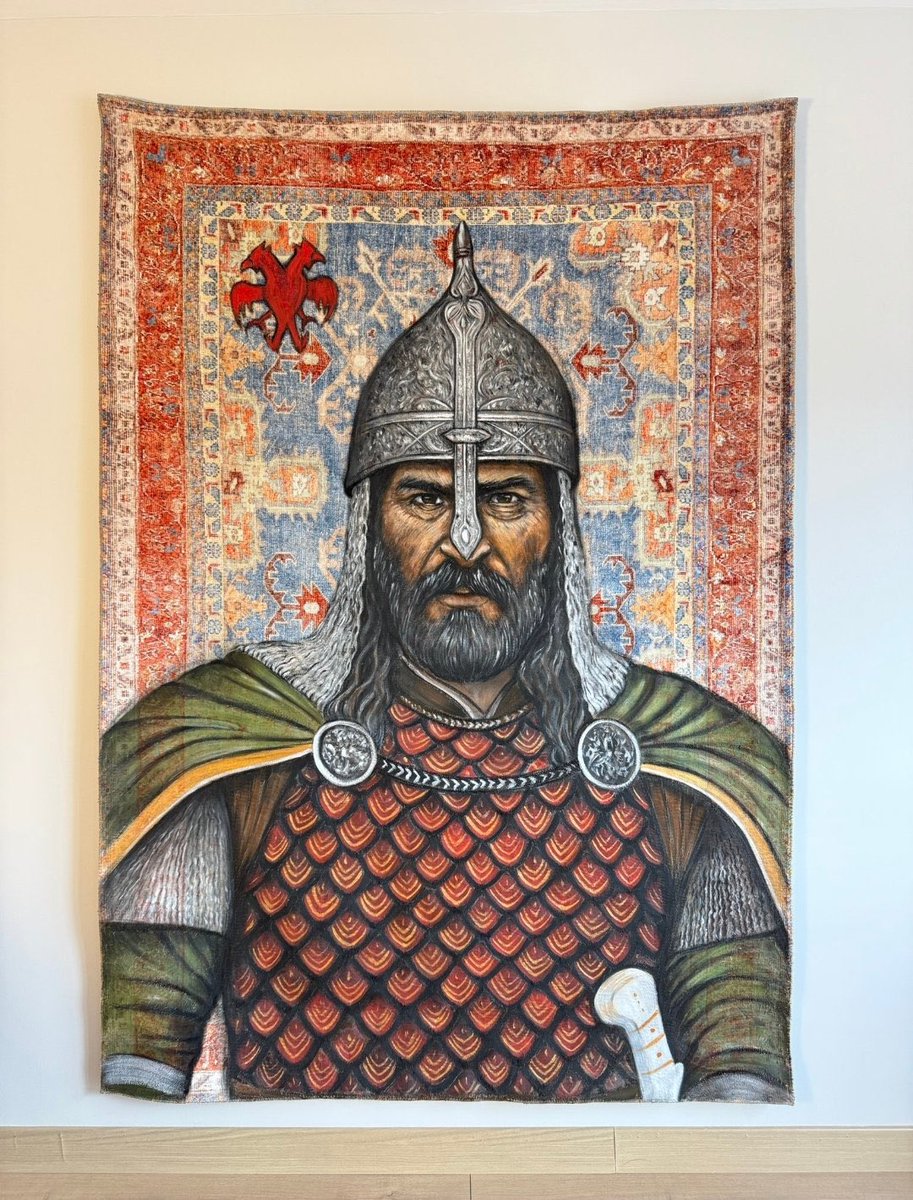
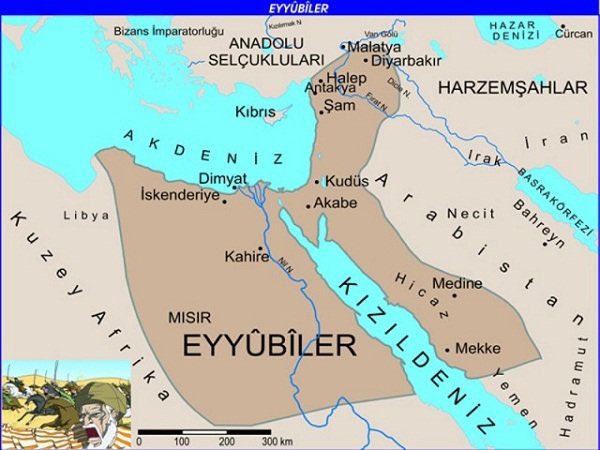
🪡 Our Muslim Kurdish nation now needs a Sultan Saladin. Others may also be possible, but our priority is to revive the spirit of Sultan Saladin al-Ayyubi as a political force. Kemalist structures have intervened in our nation’s vision of a Kurdish Islamic state and have effectively taken control over its direction. 🪡 Unsere muslimisch-kurdische Nation braucht jetzt einen Sultan Saladin. Andere Persönlichkeiten wären ebenfalls möglich, doch unsere Priorität ist es, den Geist von Sultan Saladin al-Ayyubi als politische Kraft wiederzubeleben. Kemalistische Strukturen haben in die Vision unseres Volkes eines kurdisch-islamischen Staates eingegriffen und die Ausrichtung de facto unter Kontrolle gebracht. 🪡 Bizim Müslüman Kürt milletimizin şimdi bir Sultan Selahaddin’e ihtiyacı vardır. Başka isimler de mümkün olabilir; ancak bizim için öncelik, Sultan Selahaddin Eyyûbî’nin ruhunu siyasî bir güç olarak yeniden ihya etmektir. Kemalist yapılar, milletimizin Kürdistan İslâm devleti tasavvuruna müdahale etmiş ve bu yönü fiilen kontrol altına almıştır. — A.O. El-Kurdî
English
0
0
0
89
Atilla Oktay el-Kurdî
Atilla Oktay el-Kurdî@0ktayAtilla·
🪡 Sultan Saladin al-Ayyubi al-Kurdî, Conqueror of Jerusalem 🪡 Sultan Selahaddin Eyyûbî El-Kurdî, Fetihkarê Qudsê 🪡 Sultan Salahaddin al-Ayyubi, der Kurde, Eroberer von Jerusalem 🪡 Sultan Kürt Selahaddin Eyyûbî el-Kurdî, Kudüs Fatihi
Atilla Oktay el-Kurdî tweet mediaAtilla Oktay el-Kurdî tweet media
Türkçe
0
0
0
61
Atilla Oktay el-Kurdî
Atilla Oktay el-Kurdî@0ktayAtilla·
🪡 O Ode of the Ancient Mountains of Kurdistan (Bitlis–Muş) Süphan Dağı O crown rising on the ancient horizon of Bitlis, you shake the heart with your silent ascent to the sky— you teach that true greatness belongs only to the One, and the self is nothing before such majesty. Nemrut Dağı O crater left from forgotten fire in Bitlis, where once-burning flames have turned into stillness, where even burning becomes remembrance, and destruction opens the door to reflection. Akdoğan Dağları O hidden breath of Muş within ancient Kurdistan, silent discipline of lakes and high plateaus, where names fall silent and only states remain, and the soul is built where no eyes can see. Karaçavuş Dağları O patient backbone stretching under the sky of Muş, long and dignified line carrying the earth, you teach endurance more than ascent, standing firm while time passes like wind. O Bitlis and Muş—the two faces of ancient Kurdistan, one rising like a crown, the other spreading like ground. Between Süphan’s majesty and Muş’s stillness, the journey of the heart is written: from awe to stillness, from stillness to patience, from patience to peace— until the heart returns safely to its Lord. 🪡 O Ode der alten Berge Kurdistans (Bitlis–Muş) Süphan Dağı O Krone, die am alten Horizont von Bitlis aufragt, du erschütterst das Herz mit deinem stillen Aufstieg zum Himmel— du lehrst, dass wahre Größe nur dem Einen gehört, und das Selbst vor dieser Majestät nichts ist. Nemrut Dağı O Krater aus vergessener Flamme in Bitlis, wo einst brennendes Feuer zur Stille geworden ist, wo selbst das Brennen zur Erinnerung wird, und Zerstörung Raum für Nachdenken öffnet. Akdoğan Dağları O verborgener Atem von Muş im alten Kurdistan, stille Disziplin von Seen und Hochebenen, wo Namen verstummen und nur Zustände bleiben, und die Seele dort entsteht, wo kein Auge sieht. Karaçavuş Dağları O geduldige Wirbelsäule unter dem Himmel von Muş, lange würdige Linie, die die Erde trägt, du lehrst Standhaftigkeit mehr als Aufstieg, fest bleibend, während die Zeit wie Wind vergeht. O Bitlis und Muş – zwei Gesichter des alten Kurdistan, das eine wie eine Krone, das andere wie eine Grundlage. Zwischen Süphans Erhabenheit und Muş’ Stille wird die Reise des Herzens geschrieben: von Ehrfurcht zu Ruhe, von Ruhe zu Geduld, von Geduld zu Frieden— bis das Herz sicher zu seinem Herrn zurückkehrt. 🪡 Kadim Kürdistan Dağları Kasidesi (Bitlis–Muş) Süphan Dağı Ey Bitlis’in kadim ufkunda yükselen taç, göğe uzanan sessizliğinle kalbi sarsarsın— insana öğretirsin ki büyüklük yalnız O’na aittir, nefs ise o azametin karşısında bir hiçtir. Nemrut Dağı Ey Bitlis’in unutulmuş ateşinden kalan krater, bir zamanlar yanan ateşin sükûta dönüşmüş hâli, yanışın bile bir hatırlayışa evrildiği yer, yıkımın bile tefekküre açıldığı sır. Akdoğan Dağları Ey Muş’un kadim Kürdistan içindeki gizli nefesi, göllerin ve yaylaların sessiz terbiyesi, orada isimler susar, sadece hâl konuşur, ruh görünmeyen yerde inşa olur. Karaçavuş Dağları Ey Muş’un gök altında uzanan sabırlı omurgası, toprağı taşıyan uzun ve vakur çizgi, yükselmekten çok sebat etmeyi öğretirsin, zaman rüzgâr gibi geçerken dimdik kalmayı. Ey Bitlis ve Muş—kadim Kürdistan’ın iki yüzü, biri taç gibi yükselen, biri zemin gibi yayılan. Süphan’ın azameti ile Muş’un sükûnu arasında kalbin yolculuğu yazılır: hayretten sükûnete, sükûnetten sabra, sabırdan huzura… ta ki kalp Rabbine selametle dönene kadar. — A.O. El-Kurdî
English
0
0
0
81
Atilla Oktay el-Kurdî
Atilla Oktay el-Kurdî@0ktayAtilla·
🪡 Said Nursî al-Kurdī was raised in these mountains — around Mount Süphan — while I grew up in the mountains of Muş. The same sky, the same land, the same inheritance of faith. Mountains do not only shape bodies — they refine hearts. From there begins a journey toward knowledge, service, and truth. 🪡 Said Nursî al-Kurdī ist in diesen Bergen aufgewachsen — in der Region des Süphan Dağı — und ich in den Bergen von Muş. Derselbe Himmel, dieselbe Erde, dasselbe Glaubenserbe. Berge formen nicht nur den Körper, sondern läutern auch das Herz. Dort beginnt der Weg zu Wissen, Dienst und Wahrheit. 🪡 Said Nursî el-Kurdî bu dağlarda — yani Bitlis’in Süphan Dağı eteklerinde — büyümüştür; ben ise Muş dağlarında yetiştim. Aynı gökyüzü, aynı toprak, aynı iman mirası. Dağlar sadece bedenleri değil, kalpleri de terbiye eder. Orada başlayan yolculuk ilme, hizmete ve hakikate yönelir. Biji Kurd û Kurdistan.
Atilla Oktay el-Kurdî tweet mediaAtilla Oktay el-Kurdî tweet media
English
0
0
0
43
Atilla Oktay el-Kurdî
Atilla Oktay el-Kurdî@0ktayAtilla·
🪡 Biji neteweya Kurd û Kurdistan! 🪡 Long live the Kurdish nation and Kurdistan! 🪡 Es lebe die kurdische Nation und Kurdistan! 🪡 Yaşasın Kürt milleti ve Kürdistan! — A.O. El-Kurdî
Atilla Oktay el-Kurdî tweet media
Türkçe
0
0
1
45
Atilla Oktay el-Kurdî
Atilla Oktay el-Kurdî@0ktayAtilla·
🪡 The yellow area represents Kurdistan (not modern Turkey) in this illustration. 🪡 Der gelbe Bereich stellt Kurdistan in dieser Darstellung dar (nicht die moderne Türkei). 🪡 Sarı alan bu görselde Kürdistan’ı temsil etmektedir (modern Türkiye değil). — A.O. El-Kurdî
Atilla Oktay el-Kurdî tweet media
Türkçe
0
0
0
48
Atilla Oktay el-Kurdî
Atilla Oktay el-Kurdî@0ktayAtilla·
🪡 We are in the early foundation phase of a mosque project in Bochum, initiated together with my wife and a small group of brothers and sisters. Our intention is to build a place for prayer, learning, and community service for families and youth. This is a long-term effort, and we will share updates step by step. 🪡 Wir befinden uns in der frühen Gründungsphase eines Moscheeprojekts in Bochum, das ich gemeinsam mit meiner Ehefrau und einer kleinen Gruppe von Geschwistern initiiert habe. Unser Ziel ist es, einen Ort für Gebet, Bildung und Gemeinschaft zu schaffen. Dies ist ein langfristiges Projekt, über dessen Entwicklung wir Schritt für Schritt informieren werden. 🪡 Bochum’da, eşim ve bir grup kardeşimizle birlikte bir cami projesinin ilk kuruluş aşamasındayız. Amacımız, ibadet, eğitim ve toplumsal dayanışma için bir mekân oluşturmaktır. Bu uzun vadeli bir çalışmadır ve gelişmeleri adım adım paylaşacağız. — A. O. El-Kurdî
English
0
0
0
42
Atilla Oktay el-Kurdî
Atilla Oktay el-Kurdî@0ktayAtilla·
SV Ararat Gevelsberg A Kurdish Diaspora Club Shaping Identity, Discipline, and Community in Germany In the town of Gevelsberg, within Germany’s dense industrial and cultural landscape, SV Ararat Gevelsberg has grown into more than a local football team. It represents a structured expression of Kurdish identity in the European diaspora—where sport becomes a vehicle for dignity, organization, and continuity. Origins: Identity Under Pressure Like many diaspora-founded clubs, SV Ararat Gevelsberg began on the margins. Early challenges included limited resources, low recognition, and social prejudice. The club carried not only the burden of sporting performance but also the weight of representation—standing, often unconsciously, as a symbol of a broader Kurdish presence in Germany. Yet this phase was formative. It forced the club to define itself not through reaction, but through internal discipline and long-term vision. Sporting Development: From Informality to Structure The club’s trajectory shifted decisively once organization replaced improvisation. Consistent training, tactical coherence, and leadership stability translated into measurable success on the pitch. SV Ararat Gevelsberg rose through the lower tiers of German amateur football and secured promotion from the Kreisliga A—an achievement that marked its transition from a peripheral team to a competitive regional force. Today, the club competes in the Bezirksliga Westfalen, where it continues to demonstrate resilience and ambition. This evolution reflects a fundamental principle in institutional growth: performance is the outward sign of internal order. Leadership: Knowledge Before Expansion A defining feature of the club’s maturation has been its investment in qualified leadership. The appointment of Ferhat Ülker, a UEFA-licensed coach, signaled a shift toward professionalism and long-term planning. Under structured coaching, the team has developed: * Tactical discipline * Physical conditioning standards * Youth integration pathways * A culture of accountability This alignment between knowledge and execution has been central to the club’s credibility. Community Function: More Than a Club SV Ararat Gevelsberg operates as a social institution within the Kurdish diaspora. Its role extends beyond football into the domains of identity formation and communal cohesion. On matchdays, the club becomes a gathering point where: * Kurdish language and culture are preserved * Intergenerational ties are strengthened * Youth find structured belonging and direction In this sense, the club fulfills a layered function: it organizes the individual, stabilizes the community, and projects a dignified public presence. Structural Challenges: Visibility and Friction As the club has grown, it has encountered institutional challenges typical of diaspora organizations. Disputes with local authorities and claims of unequal treatment have highlighted the structural tensions that can arise when emerging institutions seek recognition within established systems. Rather than retreat, the club has responded through formal channels, reinforcing its commitment to lawful engagement, transparency, and persistence. This reflects a critical reality: integration is not passive—it is negotiated through consistency, competence, and presence. A Model of Diaspora Institution-Building SV Ararat Gevelsberg illustrates how a community can evolve from informal association to structured institution. Its development can be understood through a clear sequence: * Identity awakens commitment * Knowledge builds structure * Discipline produces results * Service strengthens legitimacy * Continuity ensures transmission Through this process, the club has become a prototype of how diaspora communities can anchor themselves without losing their roots. SV Ararat Gevelsberg stands today as a disciplined, community-centered football club with growing regional relevance. — Atilla Oktay
Atilla Oktay el-Kurdî tweet media
English
0
0
1
58
Atilla Oktay el-Kurdî
Atilla Oktay el-Kurdî@0ktayAtilla·
🧵 I am a Muslim and a Sunni; I also maintain respect and reverence for the saints of the Sufi and mystical tradition. After the Prophet Muhammad (peace be upon him) and the other prophets, and alongside the four rightly guided caliphs, I hold affection for the path of the following great scholars and saints: Imam Junayd al-Baghdadi (may Allah be pleased with him) Imam al-Ghazali (may Allah have mercy on him) Muhyiddin Ibn Arabi (may Allah be pleased with him) Abd al-Qadir al-Jilani (may Allah be pleased with him) Melayê Cizîrî (may Allah have mercy on him) Mawlana Jalal al-Din al-Rumi (may Allah be pleased with him) Ehmedê Xanî (may Allah have mercy on him) I possess their works and study them with adab (proper respect), seeking only the pleasure of Allah. 🧵 Ben hem Müslümanım, hem Sünnîyim; ayrıca tasavvuf ve sûfî evliyâlarına karşı edep ve hürmet sahibiyim. Hz. Muhammed (s.a.v.) ve diğer peygamberlerden sonra, dört büyük halife ile birlikte şu büyük âlim ve velîlerin yoluna muhabbet besliyorum: İmam Cüneyd-i Bağdâdî (k.s.) İmam Gazâlî (r.h.) Muhyiddin İbn Arabî (k.s.) Abdülkâdir Geylânî (k.s.) Melayê Cizîrî (r.h.) Mevlânâ Celâleddîn-i Rûmî (k.s.) Ehmedê Xanî (r.h.) Hepsinin eserleri elimdedir ve onları Allah rızası için edep ile okumaktayım. 🧵 Ich bin Muslim und gehöre der sunnitischen Tradition an; zugleich wahre ich Respekt und Ehrfurcht gegenüber den Heiligen der sufischen und mystischen Überlieferung. Nach dem Propheten Muhammad (Friede und Segen seien auf ihm) und den übrigen Propheten sowie neben den vier rechtgeleiteten Kalifen empfinde ich Zuneigung für den Weg der folgenden großen Gelehrten und Heiligen: Imam Junayd al-Baghdadi (möge Allah mit ihm zufrieden sein) Imam al-Ghazali (möge Allah ihm Barmherzigkeit erweisen) Muhyiddin Ibn Arabi (möge Allah mit ihm zufrieden sein) Abd al-Qadir al-Jilani (möge Allah mit ihm zufrieden sein) Melayê Cizîrî (möge Allah ihm Barmherzigkeit erweisen) Mawlana Jalal al-Din al-Rumi (möge Allah mit ihm zufrieden sein) Ehmedê Xanî (möge Allah ihm Barmherzigkeit erweisen) Ich besitze ihre Werke und studiere sie mit Adab (gebührendem Respekt), wobei ich einzig das Wohlgefallen Allahs suche. — Atilla Oktay
Atilla Oktay el-Kurdî tweet media
English
0
0
0
26