
Happy

9.4K posts

Happy banner
Happy

Happy

@123wimi

🚀 | Founder & CEO Wimi AI @iwimiai 🤖 | We are creating the best AI hardware in the world 🤖 | We can provide AI hardware solutions for any product worldwid

AI Hardware Katılım Mayıs 2020
1.5K Takip Edilen3.2K Takipçiler
Happy
Happy@123wimi·
【Wimi AI Hardware】招募实习生伙伴 如果你热爱AI与未来探索。 如果你喜欢硬件,对于AI+硬件有天然兴趣。 如果你对“创造让全球用户热爱的AI硬件”这样的项目感到兴奋。 欢迎加入 Wimi AI Hardware 团队。 工作地点:宁波 实习要求:每周至少3天能来线下办公,实习周期3个月起,六个月及以上优先。 伙伴一:AIoT 软件工程师 1.熟练运用 C/C++ 等语言。 2.熟悉至少一种MCU内核架构(如ARM Cortex-M, RISC-V),拥有ESP32系列(基于ESP-IDF)开发经验者将获优先考虑。 3.熟悉使用实时操作系统(RTOS,如FreeRTOS)。 4.熟悉Git,参与GitHub开源项目为加分项。 5.具有阅读英文文档能力者优先。 6.拥有Qt/QML,嵌入式Linux开发经验者优先。 7.拥有Golang后端开发经验者优先。 软件工程师简历附上GitHub地址/独立完成的代码展示资料) 伙伴二:AIoT 硬件工程师 1.独立设计并完成:PCB原理图 、焊接、熟悉常用电子元器件选型 。熟悉高速PCB优先,拥有可穿戴硬件设计经验优先。 2.熟悉ESP32系列芯片模组,熟悉SPI, I2C, UART, ADC, DAC, PWM等常用外设接口。 3.有硬件结构设计、3D建模/打印等经验者优先。 硬件工程师附上3D打印或参与的硬件项目相关案例,ESP32系列相关优先。 主要负责: 1.参与原有硬件产品的优化。 2.创造全新的AI硬件产品。 你将在这里获得: 1.和Wimi AI 团队以及海外团队一起协作。 2.你创造的产品将会受到全球用户的喜爱。 3.如果你表现优异,未来可提供转正机会。 简历可投递至 :hr@hiwimi.com
中文
1
0
6
3.2K
Happy
Happy@123wimi·
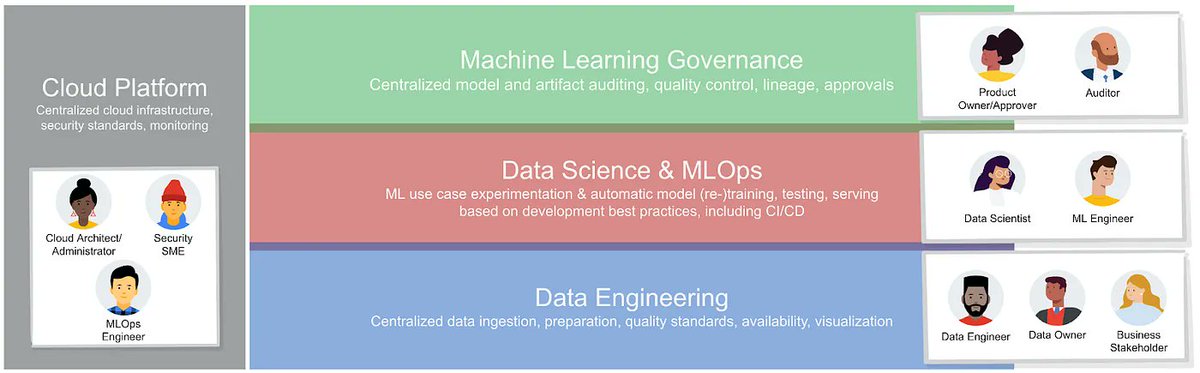
🚀 GenAIOps: Operationalize Generative AI - A Practical Guide 🌟 🧠 Turning Theory into Practice with GenAIOps: This guide offers a comprehensive approach to implementing generative AI (GenAI) solutions, transforming users from consumers to fine-tuners by leveraging MLOps principles, operational frameworks, and practical deployment strategies. 🌟 Summary GenAIOps is essential for scaling generative AI into production environments, aligning technology with business needs. The guide highlights the role of MLOps in streamlining machine learning deployments through the integration of people, processes, and technology. It explores GenAI ecosystem roles (consumers, fine-tuners, and providers), operational frameworks (PromptOps, AgentOps, RAGOps), and practical steps for deploying GenAI applications. Key strategies include selecting the right models, implementing effective prompt engineering, leveraging RAG and agent-based systems, and ensuring robust model evaluation. A structured approach to building GenAIOps platforms is emphasized, underscoring the importance of transitioning from a consumer to a fine-tuner and simplifying architecture through "model-as-a-service." 📚 Key Points 🧠 MLOps Integration: Ensures seamless production deployment by unifying people, processes, and technology, aligning AI solutions with business goals. 🌐 Diverse Roles in GenAI: Consumers, fine-tuners, and providers play distinct roles in the GenAI ecosystem, influencing development and deployment strategies. 📋 GenAIOps Frameworks:PromptOps: Optimizes input prompts for better model outputs. AgentOps: Facilitates specialized AI agents for task-specific functions. RAGOps: Integrates LLMs with contextual datasets to improve accuracy and relevance. 🎯 Model Selection Criteria: Evaluate models based on accuracy, cost, latency, and scalability using custom datasets and metrics. 🔐 Back-End Strengths: Secure, efficient back-end operations with context retrieval, monitoring, and feedback systems are critical for reliable GenAI solutions. 💡 User-Centric Front-End: Simplified and intuitive interfaces enhance user experience and drive adoption. 📖 RAG Applications: Combines LLMs with specific datasets to deliver context-aware, precise responses for diverse use cases. 🚀 AgentOps Impact: Specialized agents enable deeper customization and more efficient task execution, expanding GenAI’s business functionality. 🛠️ Structured Deployment: Step-by-step development, robust MLOps platforms, and AI governance ensure performance, scalability, and compliance. 📈 From Consumer to Fine-Tuner: Empower users to customize models for specific needs, enhancing control and optimization. 🌍 Model-as-a-Service: Simplifies architecture by offering fine-tuning capabilities via APIs, reducing complexity and accelerating deployment.
Happy tweet media
English
1
1
20
541
Happy
Happy@123wimi·
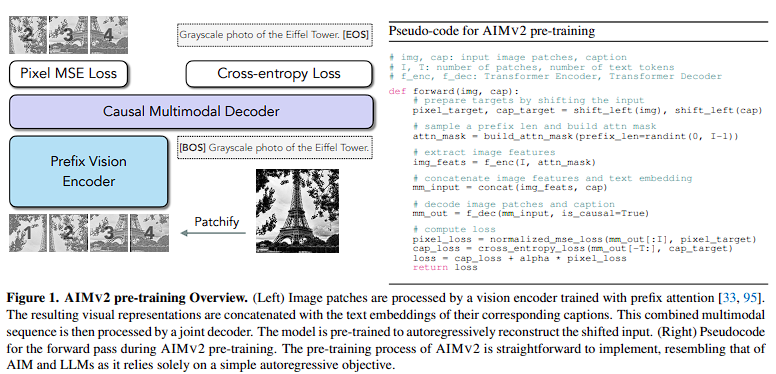
🚀 Visual Reasoning for LLMs (VLMs): Expanding Boundaries 🌟 🧠 Integrating Visual Understanding with Language Models: This article explores the potential and challenges of enhancing large language models (LLMs) with visual data, detailing the development of Visual Language Models (VLMs), their applications, and associated privacy concerns. 🌟 Summary The need to integrate visual data into LLM training stems from the saturation of improvements in text-based training. VLMs like Apple’s AIMV2 framework demonstrate exceptional performance across multiple downstream tasks by pairing visual encoders with multimodal decoders. AIMV2 employs autoregressive pretraining, similar to LLMs, and introduces methods like dynamic image resolution and token downsampling to address computational challenges. In visual reasoning, reducing LLM size or image tokens improves inference efficiency. Research indicates that optimal performance under constrained computational budgets involves using large LLMs with minimal visual tokens. An example application, GUI agents like Claude 3.5, illustrates VLM capabilities but also highlights privacy risks due to system access to user screenshots. 📚 Key Points 🧠 Beyond Text: LLM improvements in text data are plateauing, necessitating the incorporation of visual data. 📚 AIMV2 Framework: Leverages autoregressive training to achieve superior results in multimodal tasks, guiding VLM development. 🔍 Token Redundancy: Current VLMs generate excessive visual tokens, increasing computational demands and necessitating optimization. ⚡ Efficiency Techniques: Dynamic resolution, token downsampling, and batch image encoding enhance VLM inference on mobile devices. 🎯 Optimal Inference: Counterintuitively, the best performance comes from using large LLMs with minimal visual tokens, even down to a single token. 🖥️ GUI Agents: Practical applications, like computer interaction models, show promise but raise significant privacy concerns. 🌍 Early-Stage Potential: VLMs offer vast opportunities but demand careful handling of their computational and ethical implications.
Happy tweet media
English
1
0
1
405
Happy
Happy@123wimi·
🚀 Handling Large Contexts in RAG Applications 🌟 🧠 Optimizing Context in Retrieval-Augmented Generation (RAG): This article examines strategies to address the challenge of large contexts exceeding the token limit of large language models (LLMs), with practical solutions for efficient processing. 🌟 Summary Large contexts in RAG applications often surpass LLM token limits, leading to incomplete or inaccurate responses. To address this, the article proposes three key optimization strategies: limiting document count, truncating context, and chunking documents. These methods streamline input contexts, enabling LLMs to process information accurately and efficiently. Code examples demonstrate practical implementation, ensuring RAG systems remain performant and coherent even with complex data inputs. 📚 Key Points 🌀 Context Limitations: LLMs have token constraints that cap the maximum context length, causing errors when exceeded. 💡 Error Examples: Common issues, such as BadRequestError, arise when handling multiple large PDF documents. 🔍 Limiting Document Count: Reducing the number of retrieved documents prevents context overflow. 📚 Context Truncation: Trimming excess content ensures input stays within LLM token limits. 🚀 Document Chunking: Breaking large documents into smaller chunks allows sequential processing while maintaining coherence. 🧠 Chunk Consistency: Chunking not only solves length issues but also ensures logical and contextual consistency in responses. 🔋 Application Scenarios: These techniques are critical for RAG systems handling diverse and complex information needs. 📈 Performance Boost: Optimizing context input significantly enhances LLM processing efficiency and response quality. 🌍 Broad Applicability: Strategies are suited to various RAG use cases, including document analysis, Q&A systems, and content generation.
Happy tweet media
English
0
0
3
292
Happy
Happy@123wimi·
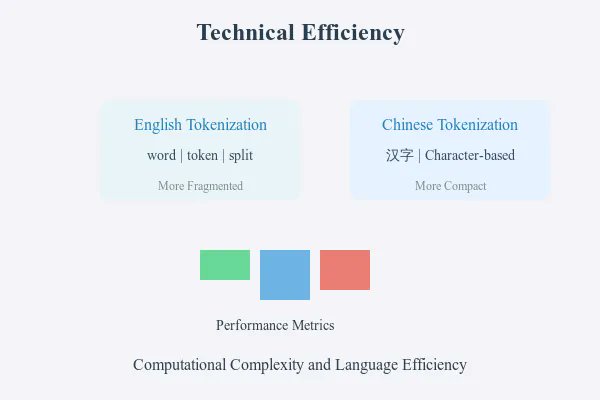
🚀 Why Do Chinese LLMs Switch to Chinese for Complex Interactions? 🌟 🧠 Understanding the Language Preference in Complexity: This article explores why Chinese Large Language Models (LLMs) tend to switch to Chinese when addressing complex tasks, analyzing the phenomenon from data, technical, cultural, and interaction perspectives. 🌟 Summary Chinese LLMs' preference for switching to Chinese during complex tasks is influenced by multiple factors. The abundance of Chinese training data makes the models more proficient in the language. Additionally, the efficiency of Chinese tokenization and grammar allows for complex ideas to be conveyed with fewer computational resources. Cultural nuances and language-specific richness may also make Chinese the default choice for expressing intricate thoughts. Reinforcement learning and user interaction patterns further reinforce this behavior, especially when the majority of users communicate in Chinese. This highlights the importance of balanced training data and cultural considerations in LLM development. 📚 Key Points 🧠 Training Data Influence: Abundant Chinese data makes models more adept at processing Chinese. 📋 Language Efficiency: Chinese tokenization requires fewer tokens, reducing computational load for complex tasks. 🏛️ Cultural Nuances: The richness of Chinese expressions and cultural depth favors its use in complex scenarios. 🔄 Reinforcement Learning: During training, the model’s strong performance in Chinese is reinforced. 📊 User Interaction Patterns: The model tends to adopt the language most commonly used by its users. 🎯 Contextual Triggers: Complex problem contexts may prompt the model to use its strongest language. 💡 Language Choice Strategy: Switching to Chinese may balance accuracy and resource efficiency. 🔍 Impact of Tokenization: Chinese tokenization supports efficient representation of complex ideas. 🌍 Addressing Language Bias: Balanced training data is critical to avoid unintended language preferences. 📖 Insights for Developers: Understanding language switching can improve multilingual model design and behavior.
Happy tweet media
English
0
0
0
207
Happy
Happy@123wimi·
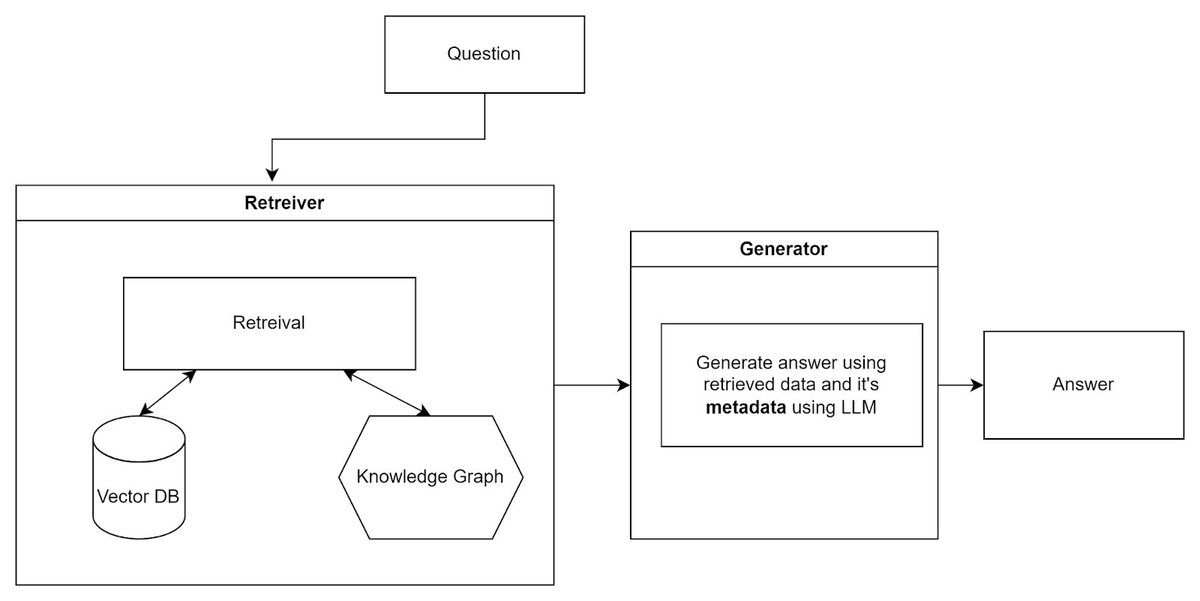
🚀 Building Enterprise Knowledge Bases with AI and RAG 🌟 🧠 RAG + AI for Knowledge Management: This article explores how Retrieval Augmented Generation (RAG) and AI can build efficient enterprise knowledge bases, discussing technical implementations, limitations, and solutions. 🌟 Summary Traditional AI systems struggle with direct question answering and contextual understanding. RAG addresses these gaps by combining retrievers with large language models (LLMs) to deliver accurate answers. Challenges like document conflicts, irrelevant retrievals, and hallucinations are tackled with strategies such as re-ranking, vector databases, access controls, and knowledge graphs. Tools like Elasticsearch and LLamaindex enhance numerical and tabular data processing. RAG represents a transformative step in enterprise knowledge management, but effective implementation requires careful system design and data governance. 📚 Key Points 🧠 RAG Core: Combines retrievers and LLMs to fetch and deliver relevant information from enterprise databases and documents. 🔍 Optimizing Retrievers: Re-ranking algorithms improve the relevance and accuracy of retrieved results. 📊 Vector Databases: Enable semantic search with greater efficiency and precision, forming the backbone of RAG systems. 📂 LLamaindex Tool: Provides a framework for connecting data sources, building indexes, and enabling efficient queries. 🔒 Access Control: Ensures users can access only authorized data, bolstering system security and compliance. 📈 Knowledge Graphs: Enhance information organization and retrieval efficiency, especially for large datasets. 📥 Data Ingestion: Resolving data quality issues and document conflicts is crucial for building effective RAG systems. 🧩 Addressing Hallucinations: Reducing model errors through fine-tuning, context optimization, and post-processing. 📐 Complex Data Handling: Uses Elasticsearch for numerical and tabular data, alongside LLMs for natural language outputs. 🚀 Business Impact: RAG drives intelligent knowledge management, boosting decision-making and data query efficiency.
Happy tweet media
English
0
0
0
169
Happy
Happy@123wimi·
🚀 The Epic Journey of Large Language Models (LLMs) 🌟 🌀 From RNNs to Modern LLMs: A comprehensive review of the evolution of LLMs, highlighting the pivotal roles of attention mechanisms, transformer architectures, and transfer learning in driving breakthroughs. 🌟 Summary The development of LLMs is a story of technological innovation. From early architectures to attention mechanisms, transformers, and the widespread adoption of transfer learning, each stage addressed critical challenges and advanced the field. However, the resource demands and sustainability challenges cannot be overlooked. Balancing high performance with low energy consumption remains the key for the future. 📚 Key Development Milestones 🔁 RNNs and Seq2Seq Architectures: Laid the foundation for early NLP tasks like translation and summarization but struggled with long-sequence data. 🛠️ Encoder-Decoder Architecture: Introduced in 2014, it addressed sequence problems but suffered from information loss. 🔍 Attention Mechanisms: Solved long-sequence information bottlenecks but introduced higher computational complexity. ⚡ Transformer Revolution: The 2017 transformer replaced RNNs with self-attention, drastically improving efficiency. 🚀 Transfer Learning Applications: ULMFit pioneered pre-training for language modeling, significantly boosting resource efficiency. 🧠 BERT Breakthrough: Bidirectional encoding improved contextual understanding, enhancing multi-task adaptability. 🌟 GPT’s Generative Power: Focused on unidirectional generation, excelling in language understanding and text generation. 💡 Resource-Intensive Nature: High data and hardware demands pose cost and energy consumption challenges. 🌐 Multi-Task Adaptability: Pre-training enables LLMs to excel across multiple languages and tasks.
Happy tweet media
English
0
0
0
133
Lethic
Lethic@lethic1·
Lethic tweet media
ZXX
10
4
110
7K
Happy
Happy@123wimi·
🛡️💻 LLM Red Teaming for Dummies: A Beginner’s Guide to GenAI Security 🛑 Importance of LLM Red Teaming LLMs can produce harmful outputs, and red teaming is essential for identifying and fixing vulnerabilities to ensure AI systems are safe and secure. 🧠 Red Teaming Methods There are several methods for red teaming, including manual testing, automated testing, and conversational testing. Manual testing involves directly testing AI through scenarios and inputs. Automated testing uses automated systems to continuously probe for vulnerabilities. Conversational testing evaluates how LLMs perform in real-time conversations to detect potential risks. ⚔️ Challenges in Red Teaming Red teaming faces significant challenges, including the infinite search space of potential inputs to test, the subjectivity of harm (determining what constitutes harm can be subjective), AI's evolving nature (requiring ongoing testing), and balancing AI's usefulness with its safety. 🛠️ Red Teaming Tools and Datasets Various tools and datasets assist red teaming efforts, such as GOAT, ICER, HARM, LLM STINGER, and HarmBench. These tools help in assessing AI safety, allowing for better identification of risks and vulnerabilities. 👨‍💻 Roles of Red Team Testers Red teaming can involve a variety of testers, including professional teams, individual researchers, crowdsourced teams, LLMs as red team testers, and interdisciplinary experts. Collaboration is key in making red teaming efforts effective. 🤝 Importance of Collaboration and Sharing Sharing tools, datasets, and best practices among testers can significantly enhance red teaming efforts and make AI security more robust. 📊 Red Teaming Evaluation Metrics Metrics such as Attack Success Rate (ASR), Damage Scoring, Flip Rate, and Rejection Rate are essential for measuring the safety and effectiveness of AI systems. 💡 Practical Red Teaming Advice The article offers practical tips for red teaming, helping testers design strategies based on the AI's intended use and goals. 🔮 Future of Red Teaming Red teaming is a rapidly evolving field. New testing methods and evaluation metrics are necessary to keep up with the fast-paced development of AI technologies. ⚖️ Ethics and Responsibility Red team testing must always adhere to ethical guidelines, ensuring that testing activities are carried out for legitimate purposes and do not lead to harm.
Happy tweet media
English
0
1
1
299
Happy
Happy@123wimi·
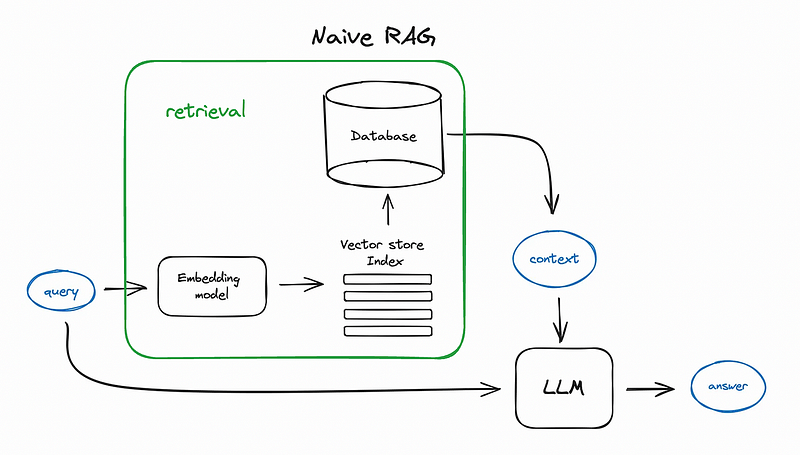
🚀💡 Exploring RAG: A Game-Changer in NLP with Retrieval-Augmented Generation 🚀 What is RAG? RAG (Retrieval-Augmented Generation) is a cutting-edge AI paradigm combining information retrieval with generative models to improve performance in NLP tasks, making AI systems more accurate, relevant, and context-aware. 🔍 How RAG Works RAG involves two key components: 1.Information Retrieval: Retrieves relevant data from external knowledge sources using vector models or deep learning embeddings. 2.Generative Model: Uses retrieved information with models like GPT-3 or BERT to generate contextually relevant, precise, and informative responses. 💻 The RAG Workflow The RAG process includes: 1. Data encoding 2. Query preprocessing 3.Similarity matching 4.Information retrieval 5.Context integration 6.Response generation This structure ensures effective utilization of external knowledge bases for improved results. 🏆 Applications Across Industries RAG is used in various sectors, including: 1.Customer Service: Enhances response quality by providing more accurate and context-aware answers. 2.Creative Industries: Supports automated content generation for advertising, writing, etc. 3. Education: Powers interactive learning tools with real-time information retrieval. 4. Healthcare: Provides data-driven insights and improves decision-making in medical applications. 💡 Key Benefits 1.Relevance & Precision: RAG increases response quality, making AI more capable of delivering precise, context-rich outputs. 2.Scalability & Adaptability: It offers the ability to handle large datasets efficiently while being adaptable to various use cases. 3.Efficiency in Handling Big Data: Optimized for processing vast amounts of information without losing performance. ⚠️ Challenges to Overcome Despite its advantages, implementing RAG presents challenges such as: 1.Complex system requirements 2.Latency issues 3.Privacy and ethical concerns, particularly with sensitive data handling. 📈 Conclusion RAG technology is poised to revolutionize AI's ability to handle complex tasks with greater intelligence, responsiveness, and adaptability. However, the challenges of implementing such systems remain, and solutions for them will shape the future of RAG applications in various industries.
Happy tweet media
English
0
1
2
387
Happy
Happy@123wimi·
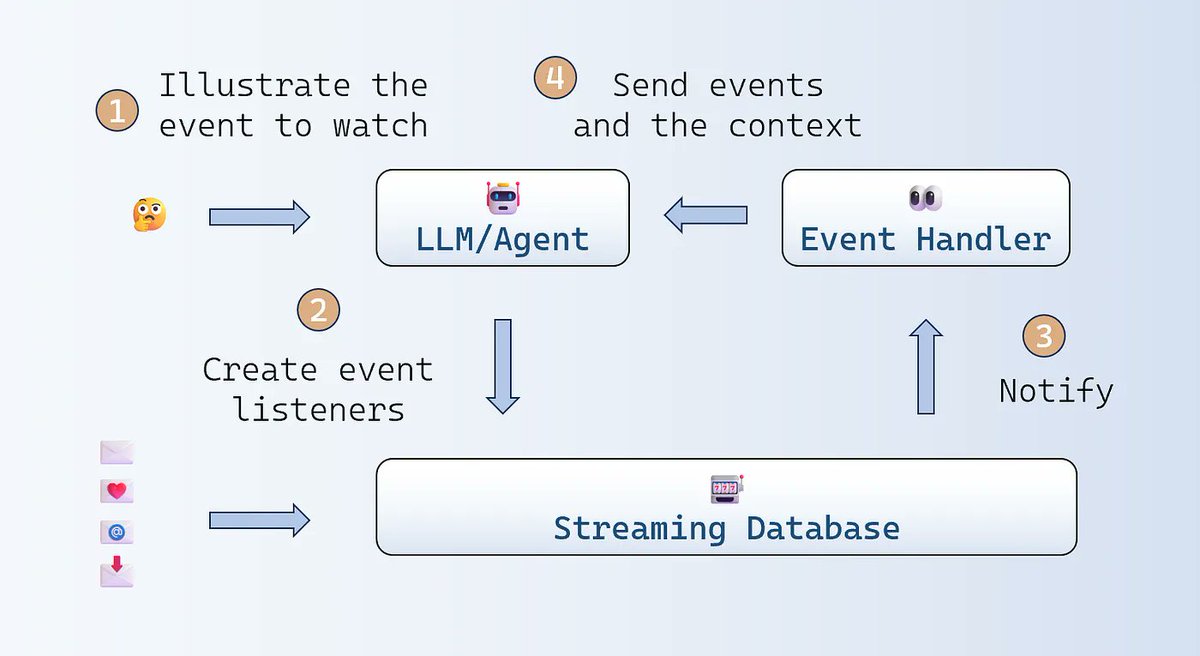
🤖💡 How to Build a Proactive Agent with Real-Time Event Processing 1️⃣ Definition of a Proactive Smart Agent To build a proactive agent, it must monitor real-time environmental changes (such as sales data or investment returns) and make decisions without human instructions. 2️⃣ The Role of Stream Processing Databases Stream processing databases are the core of proactive agents, enabling efficient storage, processing, and transformation of real-time event data. They also simplify the construction of event-driven agents using SQL interfaces. 3️⃣ Event Listeners and LLM Integration Instead of having LLMs process every event directly, the agent uses stream processing databases to set up event listeners. When a relevant event occurs, it triggers the LLM for further processing and decision-making. 4️⃣ Advantages of RisingWave RisingWave is a stream processing database that supports stream processing engines, SQL interfaces, and data storage. It’s an ideal choice for building real-time responsive event-driven agents. 5️⃣ The Simplifying Role of SQL Interfaces The SQL interface of stream processing databases allows users to define monitoring rules using simple SQL statements, avoiding complex calculations and enabling the agent to respond efficiently to events. 6️⃣ Real-Time Response and Auto-Updates Stream processing databases' auto-update and publish/subscribe mechanisms ensure the agent can react in real-time to data changes, providing proactive and flexible responses. 📈 Conclusion: By combining stream processing databases and LLMs, you can build a highly proactive agent capable of real-time responses, ideal for dynamic business environments.
Happy tweet media
English
0
1
2
240
Happy
Happy@123wimi·
🧠🔧 How to Structure Your AI/ML Projects for Success 1️⃣ Importance of Project Structure A well-structured AI/ML project is crucial for maintaining workflow efficiency, scalability, reproducibility, and smooth collaboration across teams. 2️⃣ Core Challenges in AI/ML Projects AI/ML projects face challenges like data management complexity, experiment tracking difficulties, model management, and scalability issues as the project grows. 3️⃣ Key Principles for Success Modular Workflow Design Keeps each stage of development independent, making it easier to test, modify, and scale. Reproducibility Ensures experimental results can be verified through version control, fixed random seeds, and tracking tools. Scalability & Deployment Readiness Prepares projects for smooth transitions from prototypes to production, including containerization and monitoring. 4️⃣ Best Practices for File Organization A standard AI/ML project folder structure includes separate directories for data, notebooks, source code, models, tests, scripts, configuration files, and logs. This helps in organizing components effectively. 5️⃣ Tools for Version Control & Experiment Tracking Using tools like DVC, Pachyderm, MLflow, and Weights & Biases can streamline data versioning, experiment tracking, and model management. 6️⃣ Seamless Transition to Production The project structure should support a smooth transition from prototyping to production, including the separation of training and inference, containerization, and deployment monitoring. 7️⃣ Automating Tasks with CI/CD Automation through scripts and CI/CD pipelines can simplify repetitive tasks like training, evaluation, and deployment, saving time and reducing errors. 📈 Conclusion: A structured and modular approach to AI/ML projects is essential for long-term success, making your work reproducible, scalable, and efficient, while also enhancing team collaboration. Using the right tools and organizing your project effectively can streamline workflows and simplify deployment.
Happy tweet media
English
0
1
2
182
Happy
Happy@123wimi·
📊🔧 Data Scaling 101: StandardScaler vs MinMaxScaler 1️⃣ Importance of Data Scaling Data scaling is crucial in machine learning to ensure fair comparison between features with different scales, optimizing model performance. 2️⃣ StandardScaler Explained StandardScaler standardizes data by removing the mean and scaling to unit variance. It's ideal for algorithms sensitive to feature scale, like PCA, logistic regression, or gradient-based optimizers in neural networks. However, it's not robust to outliers. 3️⃣ MinMaxScaler Overview MinMaxScaler scales features to a fixed range, typically 0 to 1, making it suitable for models that require values within a specific range, like neural networks. However, it is highly sensitive to outliers, which can compress most data into a narrow range. 4️⃣ Handling Outliers StandardScaler handles outliers better, whereas MinMaxScaler can distort data if outliers are present, as it depends on the min and max values of the data. 5️⃣ Choosing the Right Scaler The choice between StandardScaler and MinMaxScaler depends on data distribution and the specific needs of the model. StandardScaler is best for normally distributed data, while MinMaxScaler suits models requiring bounded input ranges. 6️⃣ Data Scaling as a Life Lesson Scaling in data modeling parallels the importance of balance and perspective in life—ensuring fair and accurate comparisons. 📈 Conclusion: Select the appropriate scaler based on the model and data characteristics for optimal performance.
Happy tweet media
English
0
1
1
142
Happy
Happy@123wimi·
🛠️🔍 Designing Robust Data Infrastructure: Key Considerations for Data Engineers 1️⃣ Designing for Flexibility and Cost Efficiency A "great" data engineer builds data infrastructure that meets current needs while remaining adaptable and cost-effective for future growth. 2️⃣ Choosing Tools Based on Data Volume For small-scale data (<10GB), lightweight ETL tools like AWS Glue are ideal. For large-scale data (>100GB), robust frameworks like Databricks and Spark are necessary. 3️⃣ Storage Options Based on Data Characteristics Small datasets benefit from simple cloud storage (e.g., AWS S3, Azure Blob Storage). Larger, dynamic datasets require scalable systems like HDFS or Snowflake. 4️⃣ Building ETL Pipelines Based on Business Logic For frequently changing logic, scripting is preferred; for stable business logic, visual tools are more efficient in constructing ETL pipelines. 5️⃣ Tailoring Reporting and Automation to Client Needs Choose reporting and automation tools based on customer preferences, ensuring timely and event-triggered delivery of reports. 6️⃣ Data Governance and Security Are Always a Priority No matter the data scale, robust data governance and security should be central to infrastructure design. 🔧 Takeaway: Data engineers must balance current needs with future scalability, ensuring the infrastructure is both cost-effective and resilient to future changes.
Happy tweet media
English
0
1
1
453
Happy
Happy@123wimi·
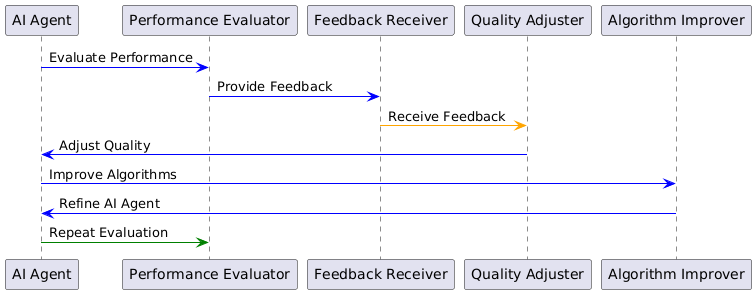
🤖💡 Enhancing AI Agent Efficiency: Four Advanced Design Patterns 1️⃣ AI Agents Enter a New Era AI agents have evolved beyond simple tasks. They now engage in self-reflection, tool usage, strategic planning, and multi-agent collaboration to improve efficiency. 2️⃣ Reflective Mode for Continuous Improvement Reflective mode allows AI agents to self-assess and adjust algorithms, enhancing decision-making processes—an example being Morgan Stanley’s AI financial advisor, which significantly reduced client response times. 3️⃣ Tool Usage Mode to Expand Capabilities By integrating various tools or APIs, like the HuggingGPT framework, AI agents can extend their functionality, making them more versatile in real-world applications. 4️⃣ Planning Mode for Task Efficiency Planning mode breaks large tasks into smaller, manageable sub-tasks, enhancing efficiency in complex operations such as supply chain management. 5️⃣ Multi-Agent Collaboration for Collective Intelligence In multi-agent collaboration, specialized agents work together towards a common goal, as demonstrated by AWS's multi-agent coordinator, leading to more effective solutions. 6️⃣ Real-World Applications Across Industries These design patterns have been applied across industries like retail, healthcare, and finance, offering tangible efficiency gains and highlighting the future potential of AI agents. 🔮 The Future of AI Agent Design As AI technology advances, these design patterns will become increasingly significant, especially in sectors like retail, where investments in AI infrastructure are set to soar.
Happy tweet mediaHappy tweet media
English
1
1
3
373
Happy
Happy@123wimi·
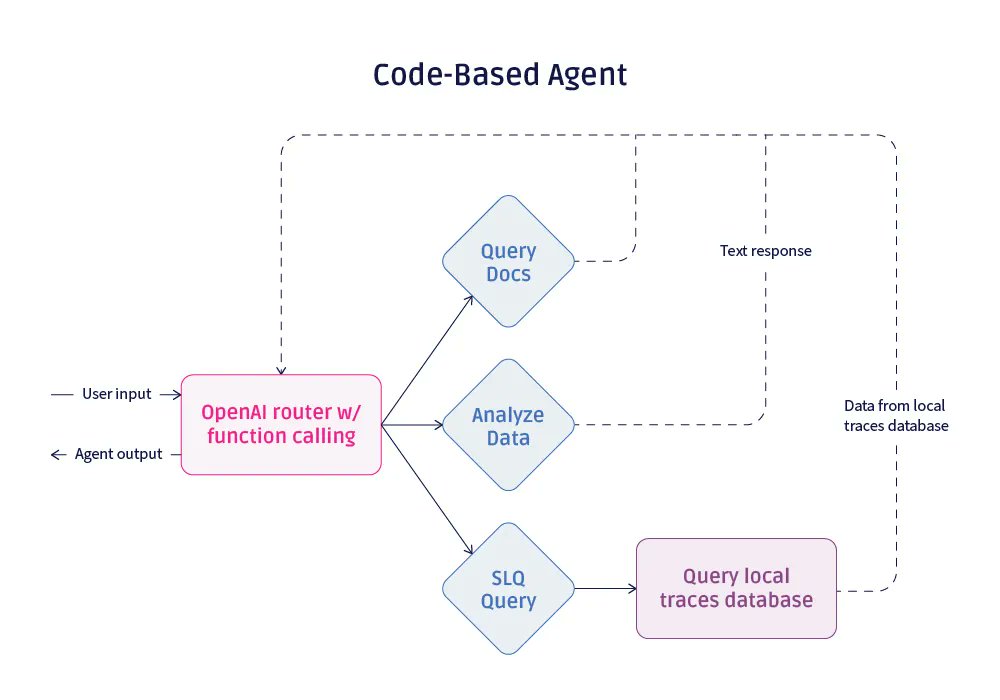
🤖✨ Choosing Between LLM Agent Frameworks 💡 Tailored Infrastructure is Key Selecting the right foundation—models, use cases, architecture, and frameworks—is critical for building effective AI agents. 🛠️ Custom Code: Simplicity with Challenges Custom code provides a clean starting point for understanding agent behavior without relying on frameworks. However, it requires manual handling of LLM behavior and output formatting. 🌐 LangGraph: Structure with Complexity LangGraph leverages a Pregel graph structure to simplify loop definitions within agents. While effective for complex node logic, debugging can be challenging due to dependencies on LangChain objects. ⚡ LlamaIndex Workflows: Asynchronous Flexibility Workflows support event-driven and asynchronous execution, making them ideal for complex applications requiring flexible agent flows. Developers must manage synchronization complexities. 🧠 Framework Selection Considerations When choosing a framework, factors like existing project dependencies (e.g., LlamaIndex or LangChain), team familiarity, and the complexity of agent logic should guide the decision. Robust safeguards and LLM monitoring tools are essential for production systems. ✨ Flexibility and a well-suited framework are pivotal to keeping pace with the evolving landscape of AI agent development.
Happy tweet mediaHappy tweet media
English
0
1
2
150
Happy
Happy@123wimi·
📊🔮 Modeling DAU with Markov Chain: Predicting Duolingo’s User Growth 💡 Markov Chains for DAU Prediction Markov chains offer an effective method for predicting Daily Active Users (DAU) by modeling user behavior complexity and uncertainty. This approach can be fine-tuned based on marketing, product, or activation team plans. 🔄 Transition Matrix for State Prediction By building a user state transition matrix, you can predict the number of users in any given state on a future day, enabling accurate DAU, WAU (Weekly Active Users), and MAU (Monthly Active Users) forecasts. 📊 Using Prophet for New User Forecasting Prophet, a time-series forecasting tool, helps predict new user numbers, but requires handling outliers and adjusting for seasonality and special events (e.g., holidays). 📉 Model Evaluation: Markov Chain vs. Time-Series The Markov Chain model outperforms simple time-series methods based solely on historical DAU data, especially when considering seasonality and user state transitions. 🧠 Sensitivity to New User Predictions The accuracy of DAU forecasts is highly sensitive to new user predictions, particularly for long-term forecasts where new user numbers heavily influence DAU accuracy. 🌱 Seasonality Adaptation Incorporating both base and seasonal transition matrices allows for better adaptation to seasonal variations, improving prediction accuracy. 🔍 Interpretability of Markov Chains One major advantage of the Markov Chain model is its interpretability, allowing stakeholders to discuss and understand the adjustments made to the predictions. ⚠️ Model Limitations While flexible and interpretable, the Markov Chain model is sensitive to new user predictions and may struggle to capture user history behavior fully.
Happy tweet media
English
0
1
3
176
Happy
Happy@123wimi·
#scrollTo=4LqvmtZPzyY1" target="_blank" rel="nofollow noopener">colab.research.google.com/github/roboflo…
ZXX
0
0
1
62
Happy
Happy@123wimi·
🧠🔍 Read Medium Articles with AI - PaliGemma2 Object Detection Fine-Tuning Guide 📸 Importance of Object Detection Object detection is a key component of computer vision with significant applications in fields like autonomous driving, surveillance, retail analysis, and augmented reality. 🤖 Advantages of PaliGemma2 Model PaliGemma2 combines visual and linguistic information, excelling in object detection tasks. It uses a three-phase training approach: multimodal task-mixed training, high-resolution image training, and task-specific fine-tuning, providing superior performance at different resolutions and model sizes. ⚙️ Preparation Before Fine-Tuning Before fine-tuning the model, ensure proper hardware (e.g., NVIDIA GPU), accounts with HuggingFace and Roboflow, and basic knowledge of Python and machine learning concepts. 🗂️ Dataset Preparation and Processing The quality of the dataset plays a critical role in the model's performance. A high-quality, balanced, and diverse dataset must be prepared, and Roboflow can be used for dataset management and augmentation. ⚙️ Model Configuration and Fine-Tuning During fine-tuning, configuring the model correctly is essential. Choose the appropriate model identifier, device, processor, and data type, and freeze the parts of the model that don't need fine-tuning. 🛠️ Setting Up Data Loaders Properly setting up an efficient data loader is crucial for training performance and ensuring that the model receives data in the optimal format. 🏋️‍♂️ Training and Evaluating the Model Train the model using HuggingFace's Trainer API and evaluate its performance through metrics like mean average precision (mAP) and confusion matrices. 🔧 Best Practices and Tips During fine-tuning, focus on data quality, training parameter optimization, leveraging transfer learning, monitoring training progress, fine-tuning parameters efficiently, thorough validation, and keeping the model updated with the latest versions.
Happy tweet media
English
1
1
1
192
Happy
Happy@123wimi·
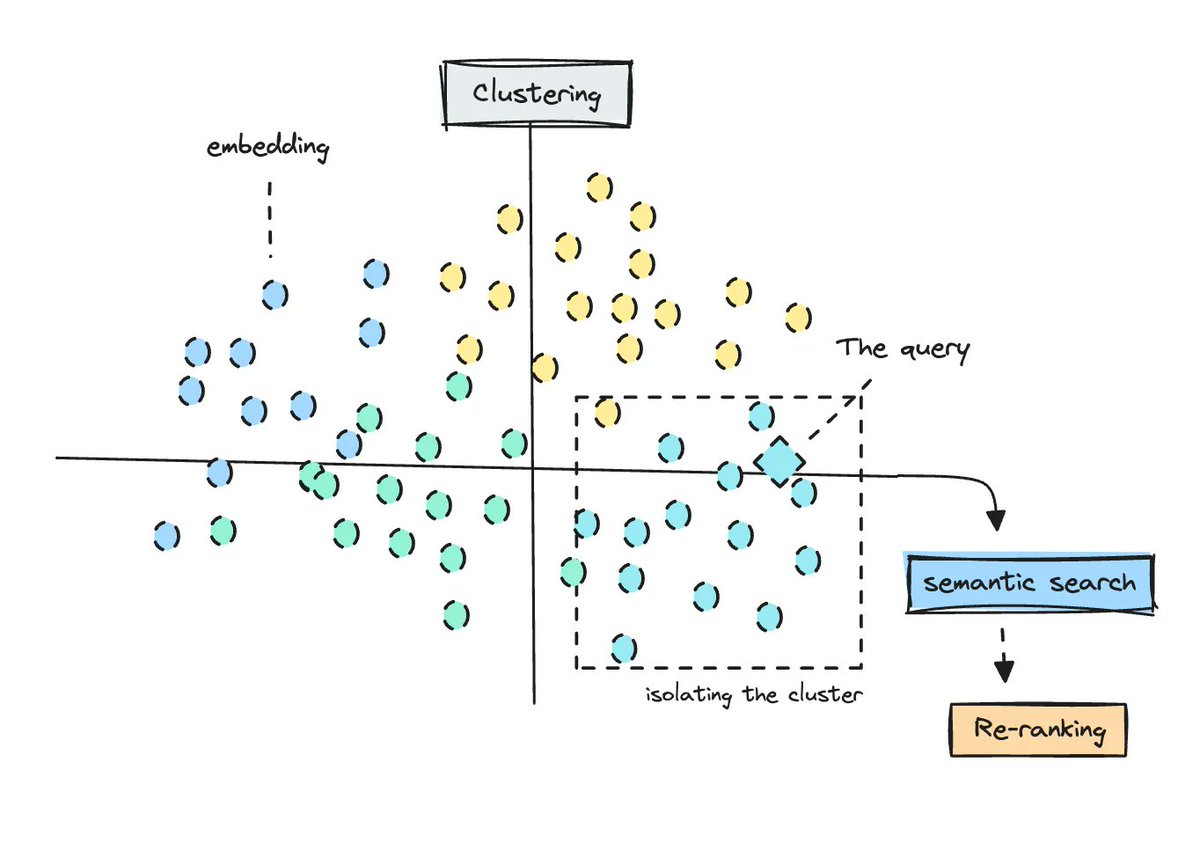
💡🔍 Working with Embeddings: Closed vs. Open Source ✨ Balancing Performance and Cost Efficiency When selecting embedding models, it's essential to evaluate the trade-off between performance and cost efficiency. Comparing different sizes and types (open-source vs. closed-source) helps users choose the most suitable option based on their needs and budget. 🌟 The Potential of Smaller Models Smaller open-source models can achieve comparable performance to larger ones on specific tasks while offering lower costs and greater computational efficiency. This is particularly valuable in resource-constrained environments. ⚙️ Application of Quantization Techniques Quantization reduces storage and computational demands for large models, lowering operational costs and making it feasible to run these models under limited resources. This provides an effective way to balance cost and performance. 📊 Combining Clustering with Semantic Search Integrating clustering techniques with semantic search enhances result relevance and accuracy. This approach minimizes noise and ensures more precise matching, especially in evaluating text relevance. 💸 Economic Considerations Using embedding models requires careful consideration of hosting costs, API fees, and data processing time. These factors are crucial for the practical deployment and operation of models. 📈 Re-ranking Strategies Re-ranking strategies leverage large language models to optimize the order of search results, ensuring the most relevant items are prioritized, further enhancing utility and precision.
Happy tweet media
English
0
2
2
152