The Gold Slayer
409 posts

The Gold Slayer
@12th_St_
Free signals: https://t.co/CXT6pJrst7 SIMPLICITY🤌🏽🧡
Katılım Ocak 2023
26 Takip Edilen3.5K Takipçiler

Stay committed, trust the process, and rise stronger every day🧡📊
Let’s see who has the hardest trading setup

English


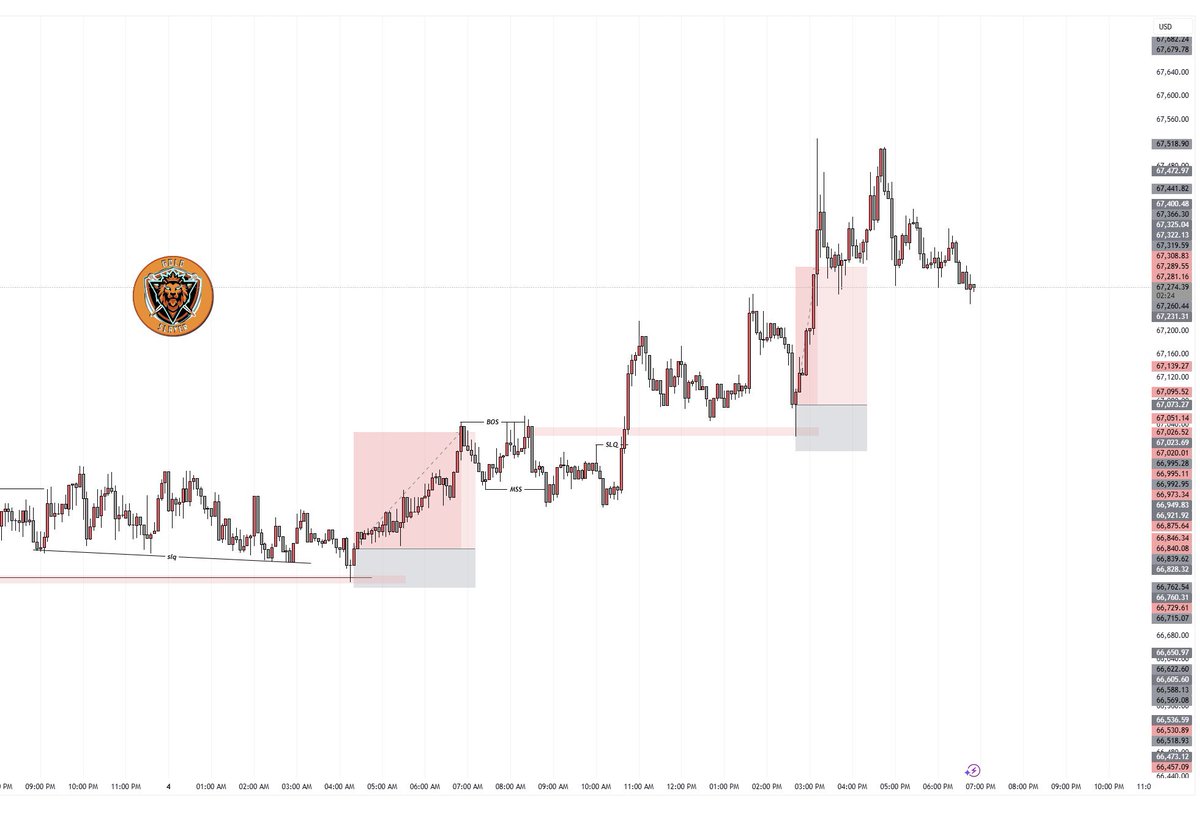
Predicting the entry is one skill, having the confidence to execute it is another level entirely.
It’s about building the mentality to trust your work under pressure. The more you execute, the more opportunities you create to learn. From both losses and profits alike. Every trade, whether it wins or loses, adds another layer to your discipline, confidence, and decision-making🧡📊

English



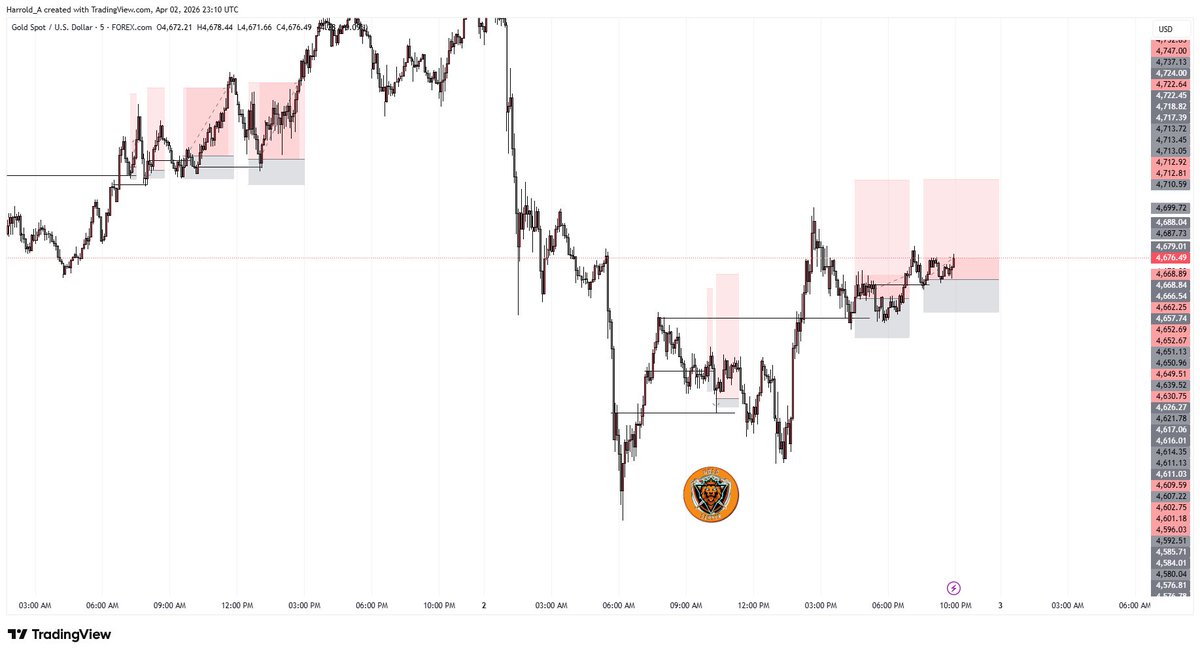
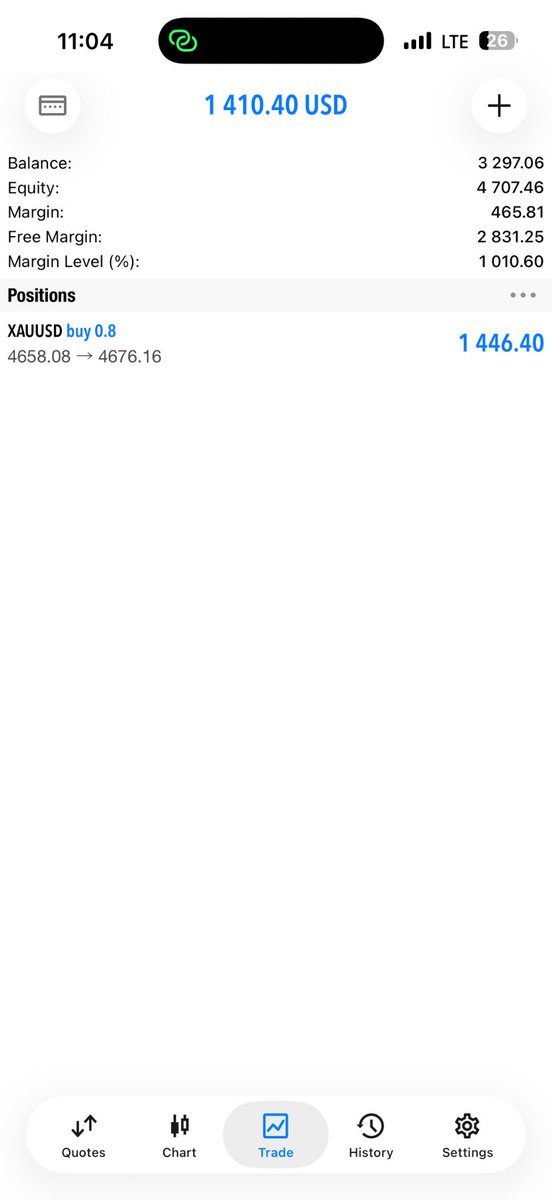
Forgot to close out before the market closed for the holidays
Happy Easter Slayers🧡📊
English


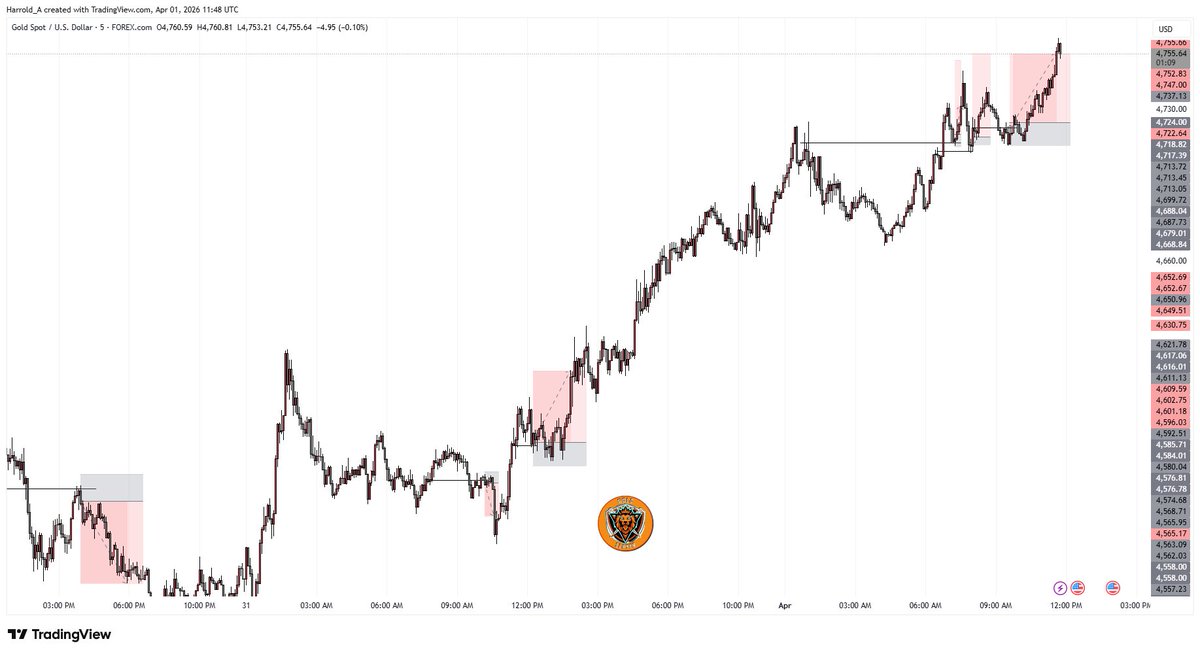
For a while now I don’t know why I fell more confident BUYing XAU than SELLing🤷🏽♂️
I just don’t understand that feeling
English
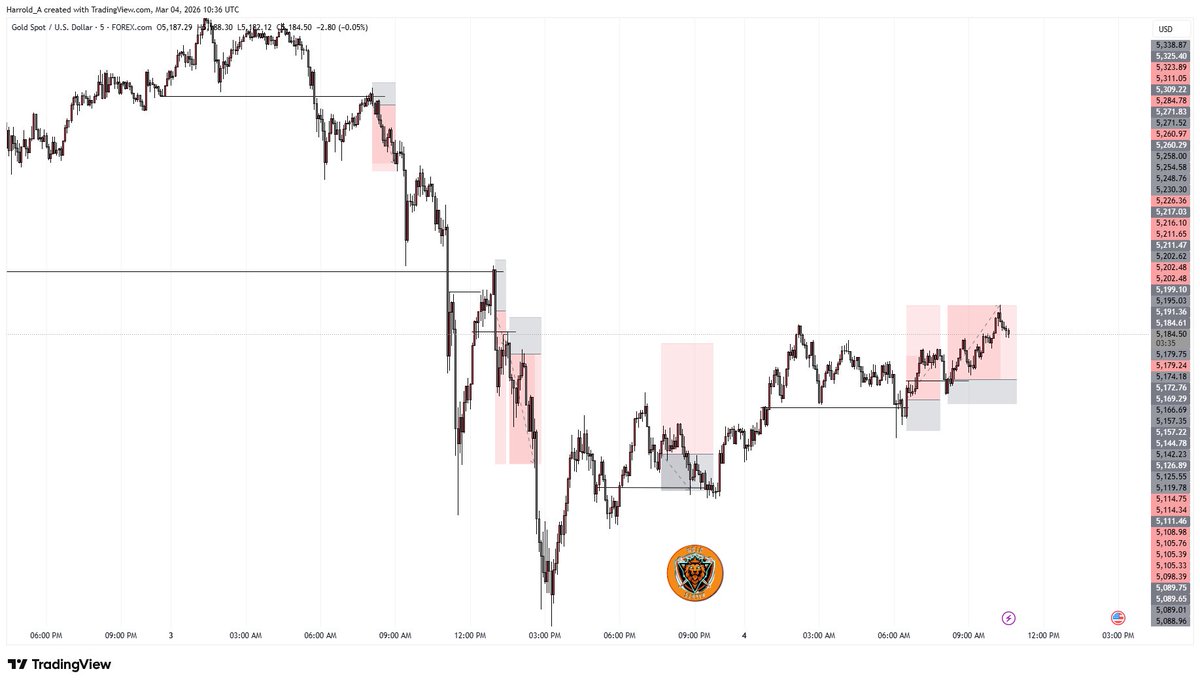
The way “I” personally find my bias allows me to catch multiple trades in multiple directions within the same day, especially because I execute mostly on the 3M, 5M, and 15M timeframes.
For some traders, once their bias says sell, they lock themselves into selling for the whole day or even the whole week. That approach can make them miss a lot of opportunities.
But my approach is different.
My bias is not just “buy only” or “sell only.”
It helps me identify the specific zones or points in the market where bullish or bearish actions are most likely to happen.
This means in one single day, price can give me:
•a bearish reaction from one level
•a bullish continuation from another level
•another bearish retracement later
And if the structure confirms the setup, I can take all of those trades confidently.
So this is where people need to understand the real difference:
Bias gives direction and intention.
It tells me what kind of reaction I expect from certain areas.
Structure gives execution.
It provides the exact entry model, confirmations, risk placement, and trade trigger.
So even if I have a clear bias, I do not blindly execute.
I wait for the market structure on the lower timeframe to align with that directional expectation.
That is why I’m able to find multiple quality setups in a single session instead of forcing one idea all day.
When you understand how to combine both, the market stops looking random and starts presenting clear opportunities in both directions.

English
One thing we must all truly master is the difference between market structure and bias.
A lot of traders confuse the two, and that’s exactly why many people enter the market at the wrong time.
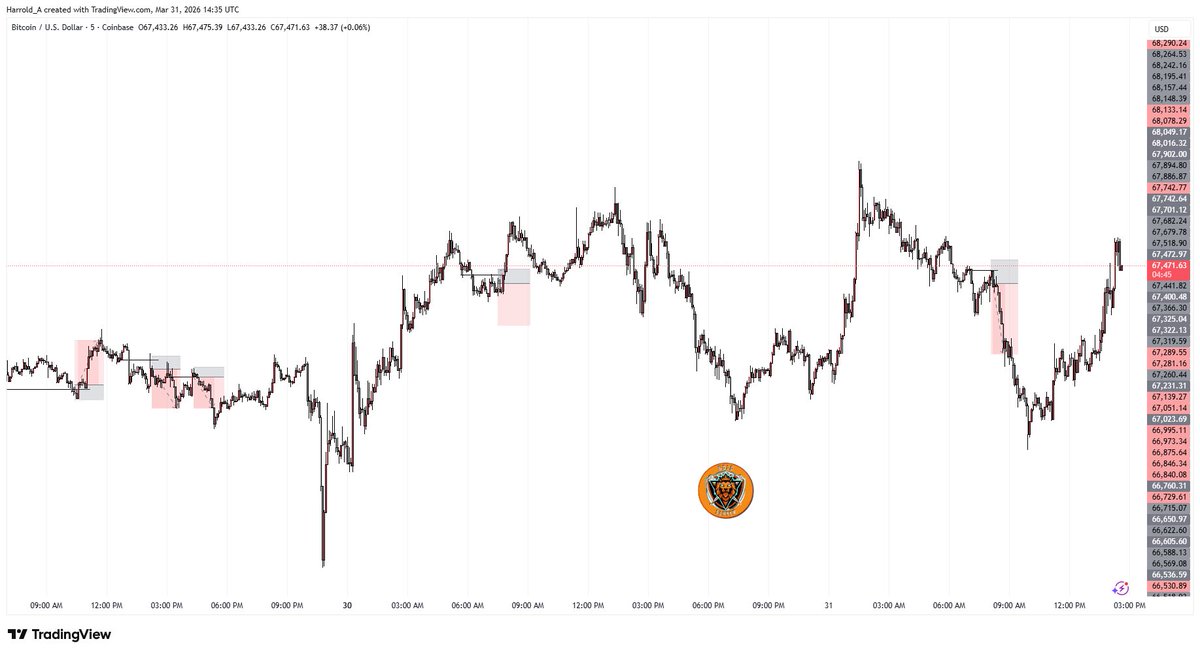
Structure is what the chart is actually showing you.
It is the real movement of price higher highs, higher lows, lower highs, lower lows, break of structure, liquidity sweeps, reaction zones, and key levels. Structure is fact. It is visible. It is what price has already confirmed.
Bias, on the other hand, is your directional expectation.
Bias is your idea of where price is more likely to go based on the structure, timeframe alignment, liquidity, and session narrative. Bias is your plan, but structure is your proof.
This is where many traders in our space get it wrong.
They form a bias first and then force the chart to match what they want to see. That is dangerous.
The right way is simple:
Read the structure first, then build your bias from it.
If the market structure is bullish, your bias should align with bullish continuation unless price gives you a valid reason to think otherwise.
If structure shifts bearish, your bias must be flexible enough to shift too.
Never marry your bias.
The market does not care about your opinion.
It only respects structure, liquidity, and timing.
As a community, we need to focus more on learning how price moves, not just predicting direction. Once your structure reading improves, your bias becomes clearer, your entries become sharper, and your risk management becomes easier.
Master structure first.
Bias should always be the result, not the starting point.
Stay sharp, stay patient, and let the chart lead.

English