Sabitlenmiş Tweet

日本国民救援会、か、
知らなかった_φ(・_・
知らずにいて、お世話にならずに今まで生きてこられた事に感謝。
交通事故の任意保険に入っておくのと同様に、
是非覚えておきたい。
日本語
ききみみずきん2014
20.6K posts

@19sabo52
読書・映画(洋画、多)・図書館(岡山市・岡山県)等に関心ある、 難聴の後期高齢者。元、製本工。



『日本国憲法』(長谷部恭男 解説)☞ iwnm.jp/340331 戦後日本の憲法体制の成り立ちと骨格はどのようなものか―― 日本国憲法のほか、英文日本国憲法、大日本帝国憲法、パリ不戦条約、ポツダム宣言、降伏文書、日本国との平和条約、日米安全保障条約を収録し、詳細な解説を付す。

永田町駅から出たところで、存在しない団体幟の集会やってた〜
塩ビ管の出荷規制が始まりました!! どうやって雨水処理すればいいんだ…建物建たないよ…!!!
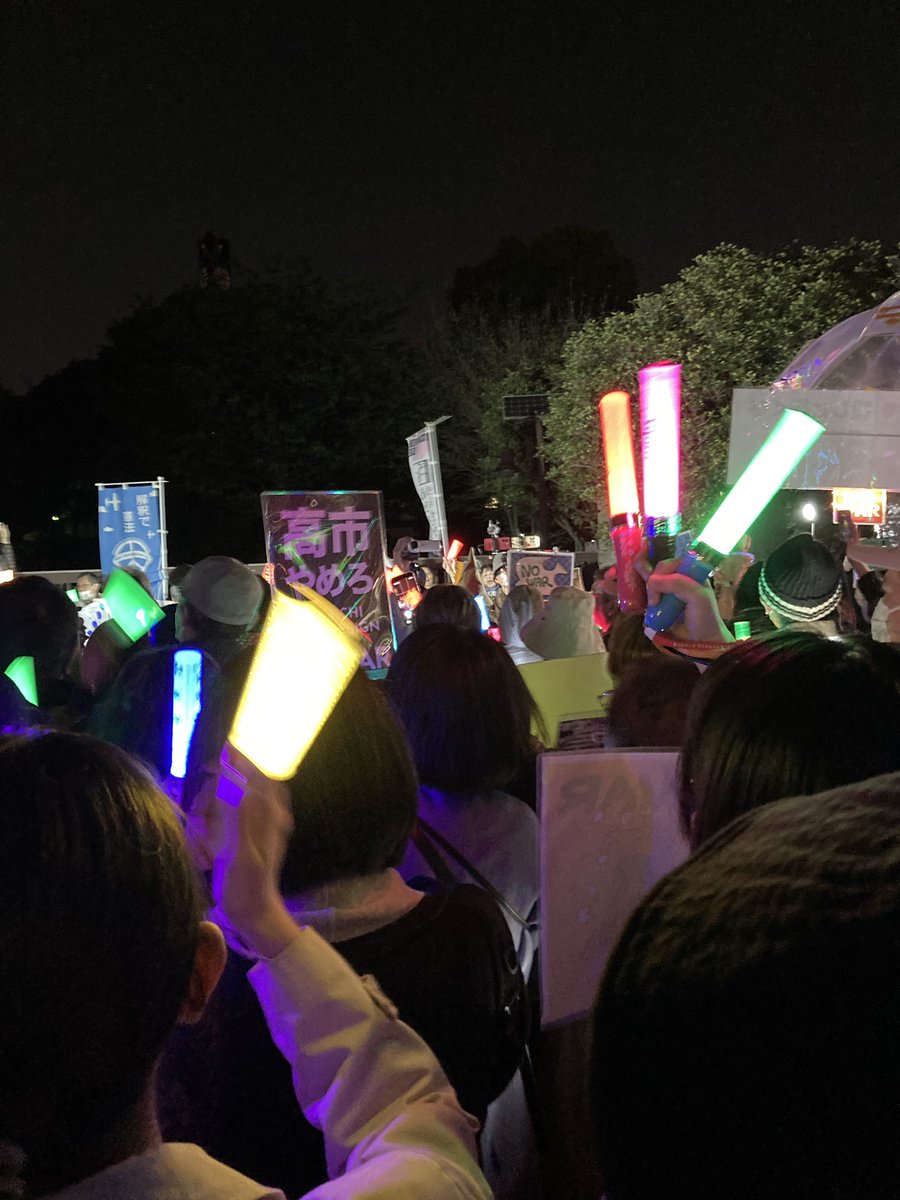
霞ヶ関方面から南庭に向かう歩道を警察が通せんぼ。ヘイトデモを警備する時のような警察スクラム。歩道はスカスカなのに「安全のため」と合理的な説明が行われず、参加者は迂回を強いられている。
Al Jazeera's Obaida Hitto reports LIVE from Tyre, Southern Lebanon with the latest updates from Israel's deadly air strikes across Lebanon.

JUST IN: Japan’s Prime Minister just called Iran’s President. Twenty-five minutes. The first top-level contact between Tokyo and Tehran since the war began. And every word Takaichi chose was a weapon disguised as diplomacy. She called the Strait of Hormuz a vital artery for global logistics and an international public good. That phrase, international public good, is the most precisely calibrated language any leader has used since the ceasefire was announced. It is a direct legal rejection of Iran’s toll system without naming it. Under international law, a public good cannot be privatised. A public good cannot charge admission. A public good cannot require a secret code from an IRGC intermediary, a yuan payment to a military contractor, and an armed escort through territorial waters near Larak Island. Takaichi did not say this by accident. Japan imports 94.2 percent of its crude oil from Arab nations, nearly all of it transiting Hormuz. In February 2026, Japan imported 74.13 million barrels of crude. The effective closure of Hormuz forced Tokyo to release 80 million barrels from its national strategic reserves, enough to cover 45 days of domestic demand. The Nikkei has fallen 11 percent since the war began. The yen weakened to 20-month lows. The Bank of Japan warned of oil-driven inflation and markets are pricing a 70 percent chance of a rate hike this month. Japan’s entire economic stability is tethered to a 34-kilometre channel that an IRGC military council now controls through a toll booth it legislated on March 31. Takaichi’s call adds Japan to the coalition that is forming against the toll precedent. Oman’s transport minister told parliament today that international agreements prohibit Hormuz fees. Saudi Arabia, the UAE, and Bahrain called the tolls unacceptable. Trump offered to help with the traffic buildup. And now Japan, the world’s fourth-largest economy, has formally defined the strait as an international public good on a direct call with the Iranian president, creating a diplomatic record that can be cited at Islamabad on Friday and at every international forum thereafter. But Takaichi also spoke to Pezeshkian, not to the IRGC military council that actually runs the toll booth. Pezeshkian is the civilian president of a regime where the civilian president does not control the military, the intelligence apparatus, the provincial commands, or the strait. Takaichi’s statement will be filed in Tokyo. The IRGC’s clearance codes will still be issued at Larak. The gap between what diplomats say and what military operators do is the gap the ceasefire was built on, and it is the gap that will determine whether the toll precedent becomes permanent. Japan released 80 million barrels of reserves because it could not access the strait. It will now pay tolls to access the strait, or reroute around the Cape of Good Hope at $5 per barrel in additional shipping costs, or rely on US naval escorts that Trump described as “hangin’ around” to make sure everything goes well. None of these options restore the status quo ante. The strait that was free before the war is now either tolled, militarised, or both, and Japan’s 94 percent dependence means it absorbs the cost regardless of which option it chooses. The Strait of Hormuz was an international public good. It is now a contested chokepoint. And the distance between those two descriptions is measured in yuan. open.substack.com/pub/shanakaans…